Introduction
Pasotuxizumab Biosimilar, also known as Anti-CD3E, FOLH1 mAb, is a monoclonal antibody that has been developed as a biosimilar to the therapeutic antibody, Pasotuxizumab, which targets the CD3E and FOLH1 proteins. This biosimilar is a promising candidate for the treatment of various diseases, and its structure, activity, and potential applications will be discussed in this article.
Structure of Pasotuxizumab Biosimilar
Pasotuxizumab Biosimilar is a fully human monoclonal antibody that is composed of two heavy chains and two light chains. It has a molecular weight of approximately 150 kDa and is produced using recombinant DNA technology. The antibody has a Y-shaped structure, with two antigen-binding fragments (Fab) and one crystallizable fragment (Fc). The Fab region is responsible for binding to the target proteins, CD3E and FOLH1, while the Fc region is involved in immune effector functions.
Activity of Pasotuxizumab Biosimilar
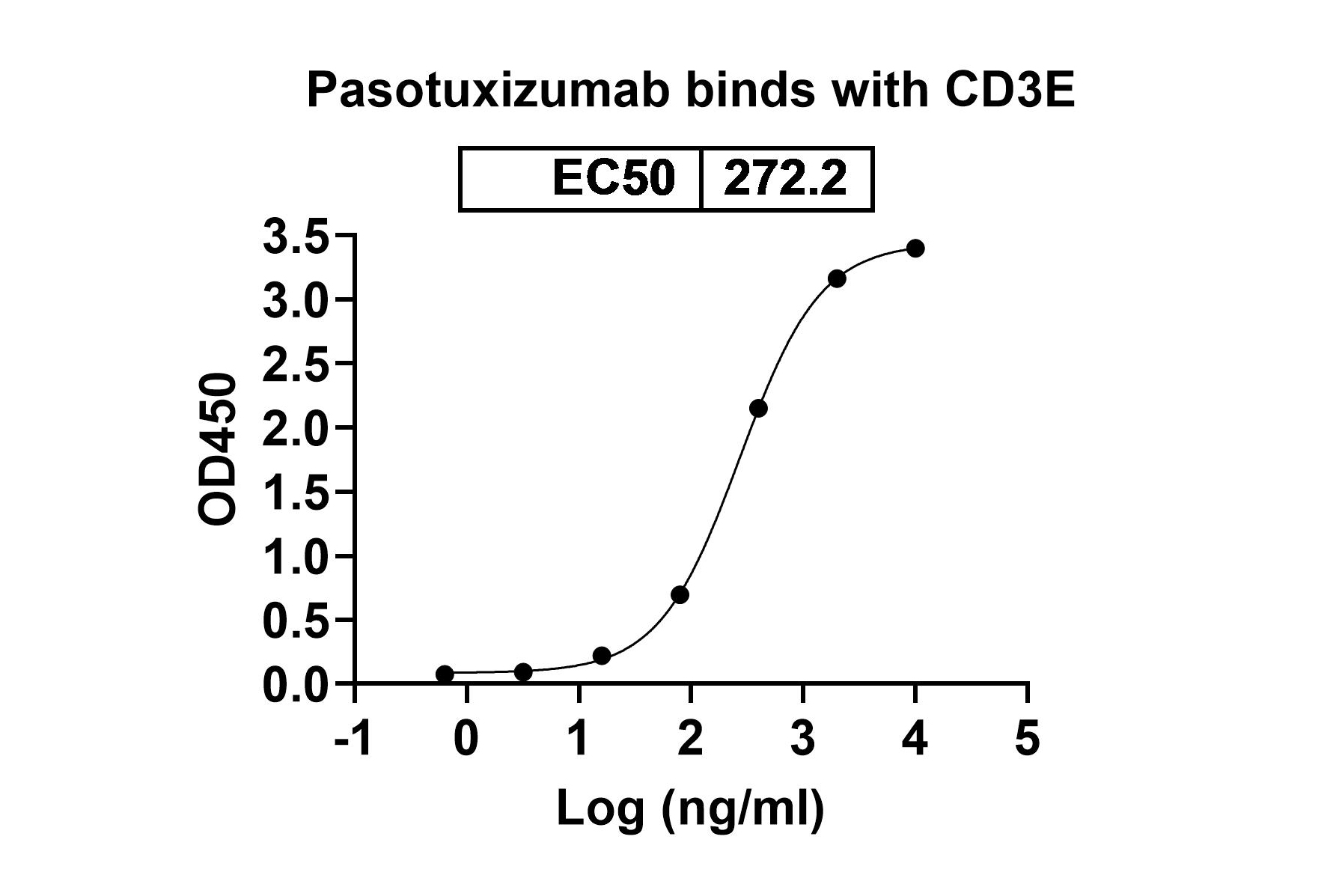
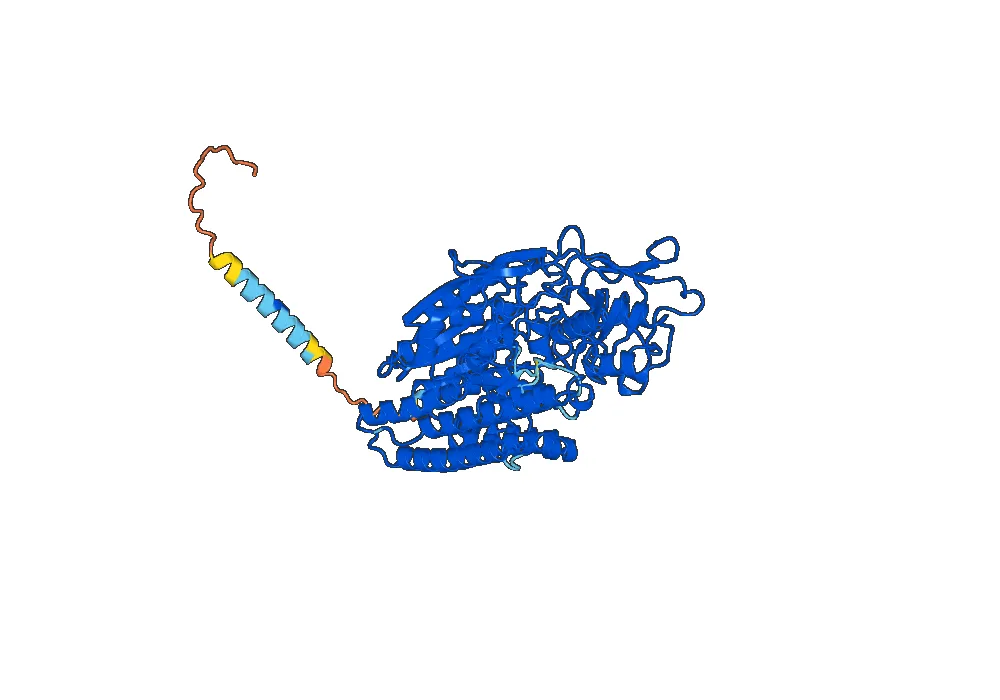
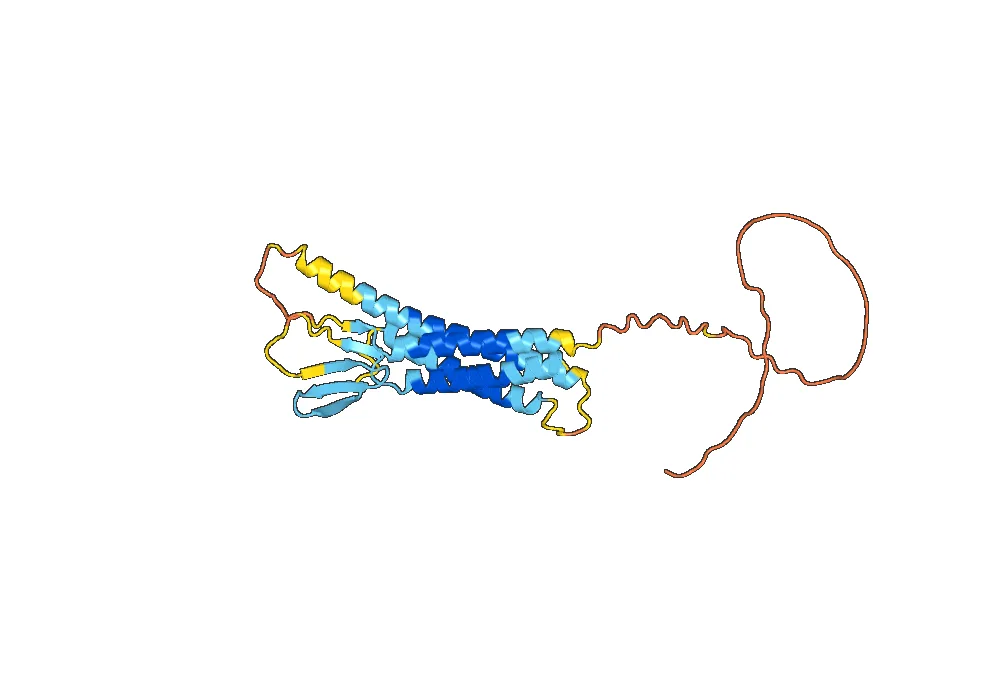
Pasotuxizumab Biosimilar binds specifically to the CD3E and FOLH1 proteins, which are expressed on the surface of immune cells and cancer cells, respectively. This binding leads to the activation of immune cells, such as T cells, and the inhibition of cancer cell growth. Pasotuxizumab Biosimilar has been shown to induce apoptosis (programmed cell death) in cancer cells, as well as activate immune cells to attack and destroy cancer cells.
In addition to its anti-
cancer activity, Pasotuxizumab Biosimilar has also been found to have immunomodulatory effects. It can regulate the immune response by promoting the production of anti-inflammatory cytokines and inhibiting the production of pro-inflammatory cytokines. This makes it a potential treatment option for autoimmune diseases, such as rheumatoid arthritis and multiple sclerosis.
Application of Pasotuxizumab Biosimilar
Pasotuxizumab Biosimilar is currently being investigated as a potential treatment for various types of cancer, including prostate cancer, ovarian cancer, and colorectal cancer. It has shown promising results in preclinical studies and is now being evaluated in clinical trials. The biosimilar is being tested as a monotherapy and in combination with other anti- cancer drugs, and early results have shown good efficacy and safety profiles.
Apart from its potential in cancer treatment, Pasotuxizumab Biosimilar also has potential applications in the treatment of autoimmune diseases. Its immunomodulatory effects make it a promising candidate for the treatment of diseases where the immune system is overactive, such as rheumatoid arthritis and multiple sclerosis. Clinical trials for these indications are also underway.
Conclusion
In conclusion, Pasotuxizumab Biosimilar is a fully human monoclonal antibody that targets the CD3E and FOLH1 proteins. Its structure, activity, and potential applications make it a promising candidate for the treatment of various diseases, especially cancer and autoimmune diseases. Further research and clinical trials are needed to fully understand the potential of this biosimilar and its role in improving patient outcomes.

Vele — April 6, 2022
★★★★★
Great product!