Introduction
Boserolimab Biosimilar, also known as Anti-CD27L receptor monoclonal antibody (mAb), is a novel therapeutic agent that targets the CD27L receptor and has shown promising results in pre-clinical studies. This biosimilar is a research grade antibody that is being developed as a potential treatment for various diseases, including cancer and autoimmune disorders. In this article, we will discuss the structure, activity, and potential applications of Boserolimab Biosimilar in detail.
Structure of Boserolimab Biosimilar
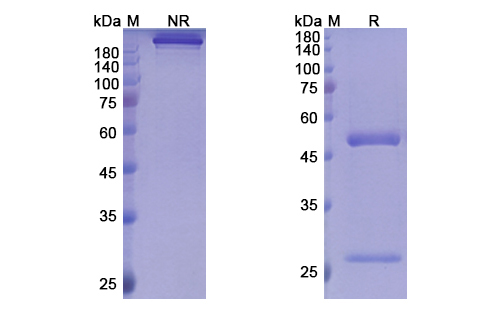
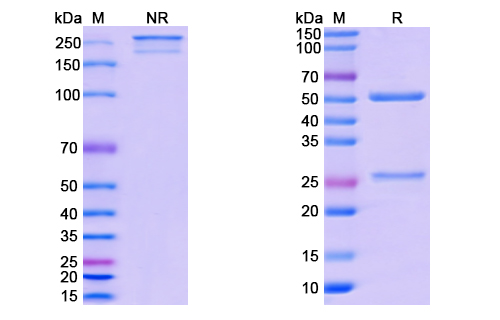
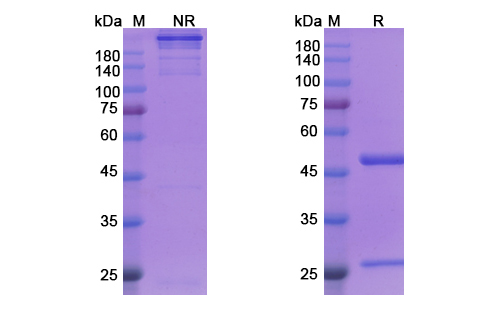
Boserolimab Biosimilar is a monoclonal antibody that specifically targets the CD27L receptor, a protein that is expressed on the surface of certain immune cells. It is a fully humanized IgG1 antibody, meaning that it is derived from human cells and has a similar structure to naturally occurring antibodies in the body. The antibody consists of two heavy chains and two light chains, which are linked together by disulfide bonds. The variable regions of the antibody are responsible for binding to the CD27L receptor, while the constant regions are responsible for mediating the effector functions of the antibody.
Activity of Boserolimab Biosimilar
Boserolimab Biosimilar works by binding to the CD27L receptor, which is a co-stimulatory molecule that is involved in the activation and proliferation of T cells. By blocking the interaction between CD27L and its receptor, Boserolimab Biosimilar inhibits the activation and proliferation of T cells, leading to a decrease in the immune response. This mechanism of action makes it a potential treatment for diseases where an overactive immune response is involved, such as autoimmune disorders and certain types of cancer.
Application of Boserolimab Biosimilar
Boserolimab Biosimilar has shown promising results in pre-clinical studies for the treatment of various diseases, including cancer and autoimmune disorders. In cancer, Boserolimab Biosimilar has been shown to inhibit the growth of tumor cells and enhance the anti-tumor immune response. It has also been shown to increase the effectiveness of other cancer treatments, such as chemotherapy and radiation therapy.
In autoimmune disorders, Boserolimab Biosimilar has been shown to reduce the production of autoantibodies and decrease the activity of immune cells that are responsible for attacking the body’s own tissues. This makes it a potential treatment for diseases such as rheumatoid arthritis, lupus, and multiple sclerosis.
Boserolimab Biosimilar is currently in the early stages of development and has not yet been approved for clinical use. However, it has shown promising results in pre-clinical studies and is expected to undergo further testing in clinical trials in the future.
Conclusion
Boserolimab Biosimilar is a novel therapeutic agent that targets the CD27L receptor and has shown promising results in pre-clinical studies. Its unique mechanism of action makes it a potential treatment for various diseases, including cancer and autoimmune disorders. With further research and clinical trials, Boserolimab Biosimilar has the potential to become an important addition to the treatment options for these diseases.

There are no reviews yet.