The Structure of Berlimatoxumab Biosimilar: A Closer Look at Anti-LukGH mAb
Berlimatoxumab Biosimilar, also known as Anti-LukGH mAb, is a monoclonal antibody that has been developed as a biosimilar to the original Berlimatoxumab. It is a therapeutic antibody that specifically targets the bacterial protein LukGH, which is produced by Staphylococcus aureus, a common and dangerous pathogen. In this article, we will take a closer look at the structure, activity, and potential applications of Berlimatoxumab Biosimilar.
The Structure of Berlimatoxumab Biosimilar
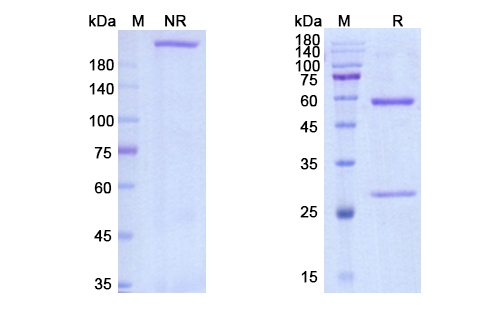
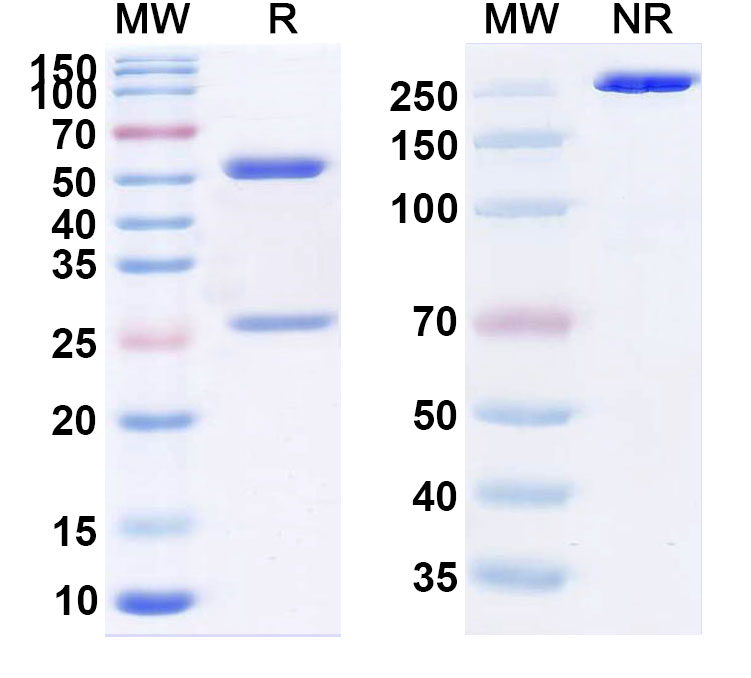
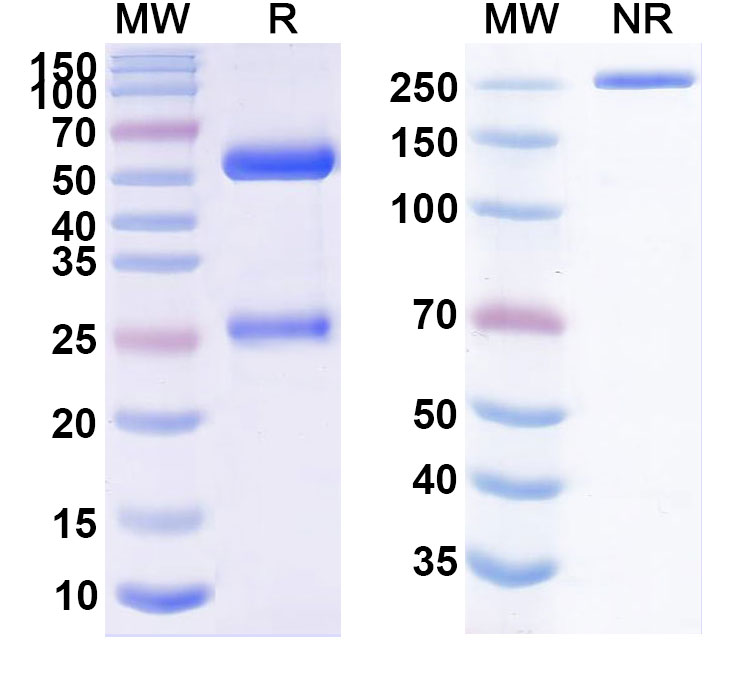
Berlimatoxumab Biosimilar is a monoclonal antibody, meaning it is produced by a single type of immune cell and is therefore highly specific in its binding. It is composed of two identical heavy chains and two identical light chains, which are connected by disulfide bonds. The heavy chains contain a constant region, which is responsible for the antibody’s effector functions, and a variable region, which is responsible for binding to the target molecule. The light chains also contain a constant and variable region, with the variable region being responsible for binding to the target.
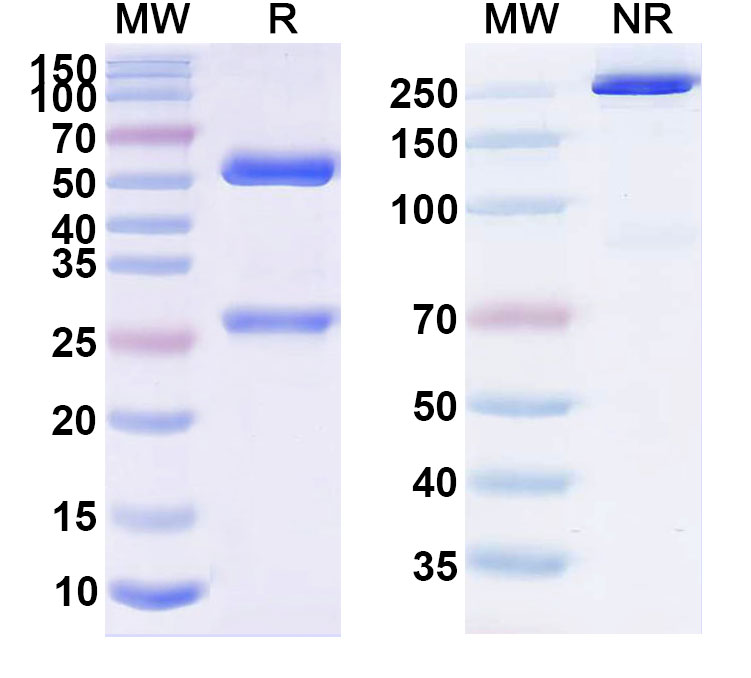
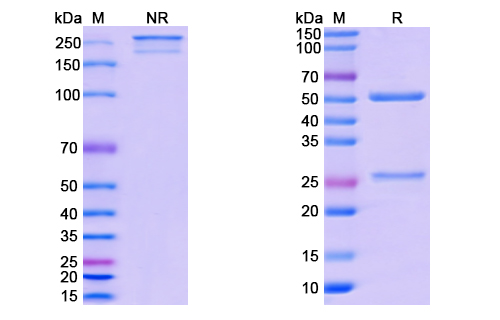
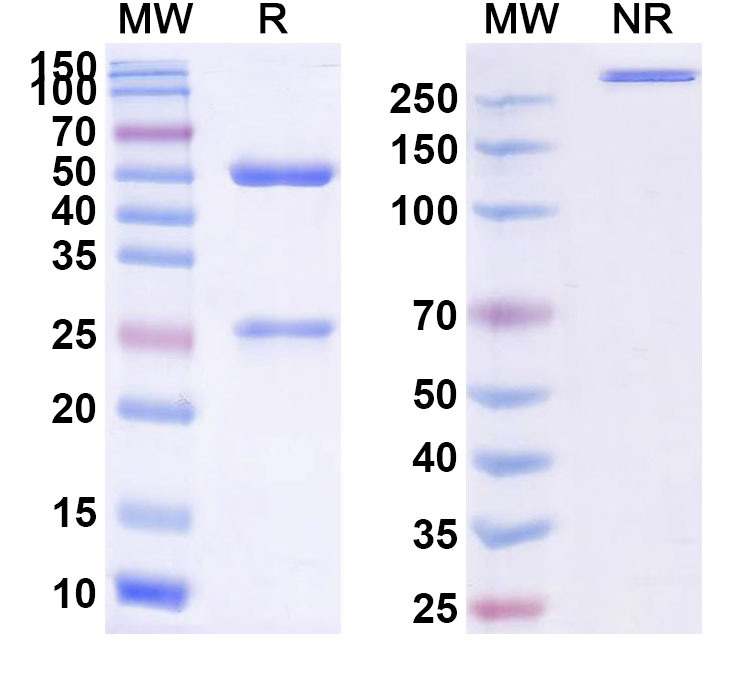
Berlimatoxumab Biosimilar is a humanized antibody, meaning it is derived from a non-human source but has been modified to be more similar to human antibodies. This is done to reduce the risk of an immune response against the antibody in patients. The antibody has a molecular weight of approximately 150 kDa and a half-life of around 21 days in humans.
The Activity of Berlimatoxumab Biosimilar
Berlimatoxumab Biosimilar specifically targets the bacterial protein LukGH, which is produced by Staphylococcus aureus. This protein is a known virulence factor, meaning it plays a role in the bacteria’s ability to cause disease. It is a pore-forming toxin that disrupts the membranes of host cells, leading to cell death. By targeting and neutralizing LukGH, Berlimatoxumab Biosimilar can prevent the damage caused by this toxin and potentially reduce the severity of infections caused by Staphylococcus aureus.
In addition to neutralizing LukGH, Berlimatoxumab Biosimilar also has effector functions that can help in the clearance of bacteria. These include binding to immune cells and activating them to attack and destroy the bacteria, as well as triggering the complement system, which is a part of the immune system that can also lead to bacterial destruction.
Potential Applications of Berlimatoxumab Biosimilar
Berlimatoxumab Biosimilar is currently being developed as a potential treatment for infections caused by Staphylococcus aureus. This includes skin and soft tissue infections, as well as more serious infections such as pneumonia and sepsis. By targeting the bacterial protein LukGH, Berlimatoxumab Biosimilar offers a unique approach to treating these infections and may be effective in cases where traditional antibiotics have failed.
In addition to its potential use as a therapeutic antibody, Berlimatoxumab Biosimilar also has applications in research. It can be used as a tool to study the role of LukGH in Staphylococcus aureus infections and to better understand the mechanisms of action of this toxin. Furthermore, the biosimilar nature of Berlimatoxumab Biosimilar makes it a valuable resource for studying the effects of biosimilars in comparison to their original counterparts.
Conclusion
In summary, Berlimatoxumab Biosimilar, or Anti-LukGH mAb, is a monoclonal antibody that specifically targets the bacterial protein LukGH. It has a unique structure and activity that make it a promising candidate for the treatment of Staphylococcus aureus infections. In addition, it has potential applications in research, making it a valuable tool in the study of bacterial toxins and biosimilars. With ongoing research and development, Berlimato

There are no reviews yet.