Structure of Abelacimab Biosimilar
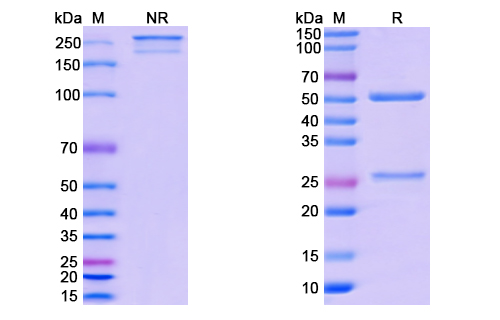
Abelacimab Biosimilar is a monoclonal antibody (mAb) that specifically targets Factor XI (FXI) in the blood coagulation cascade. It is a biosimilar version of the anti-FXI mAb, which is a recombinant humanized immunoglobulin G1 (IgG1) antibody. The antibody is produced using recombinant DNA technology and has a molecular weight of approximately 150 kDa.
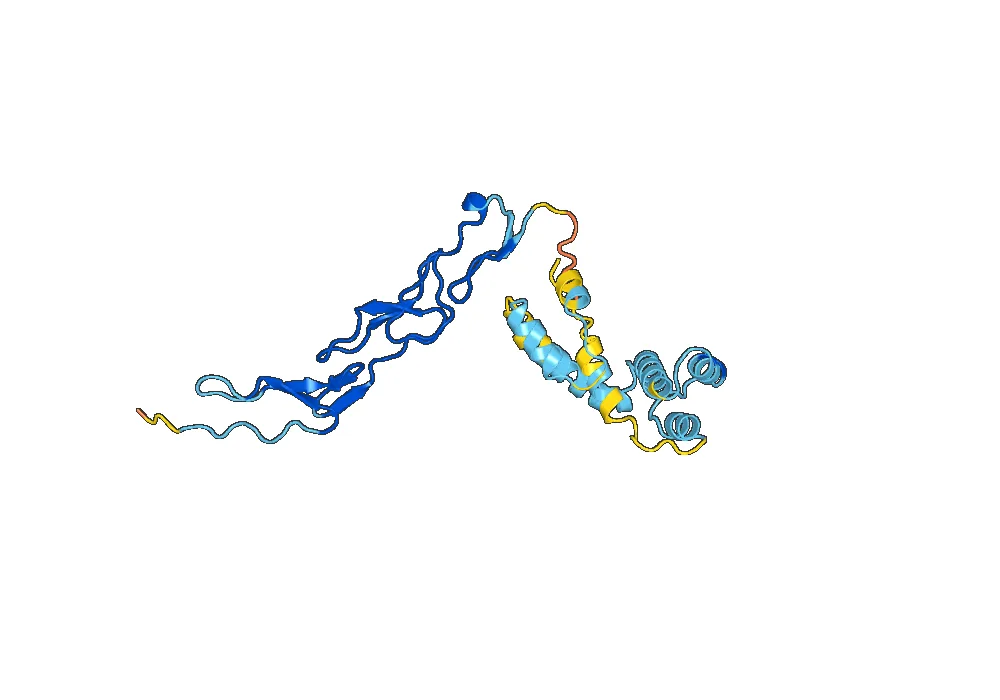
The structure of Abelacimab Biosimilar consists of two identical heavy chains and two identical light chains, connected by disulfide bonds. Each chain contains variable and constant regions, with the variable regions responsible for binding to FXI. The constant regions, on the other hand, determine the antibody’s effector functions, such as complement activation and antibody-dependent cellular cytotoxicity (ADCC).
Activity of Abelacimab Biosimilar
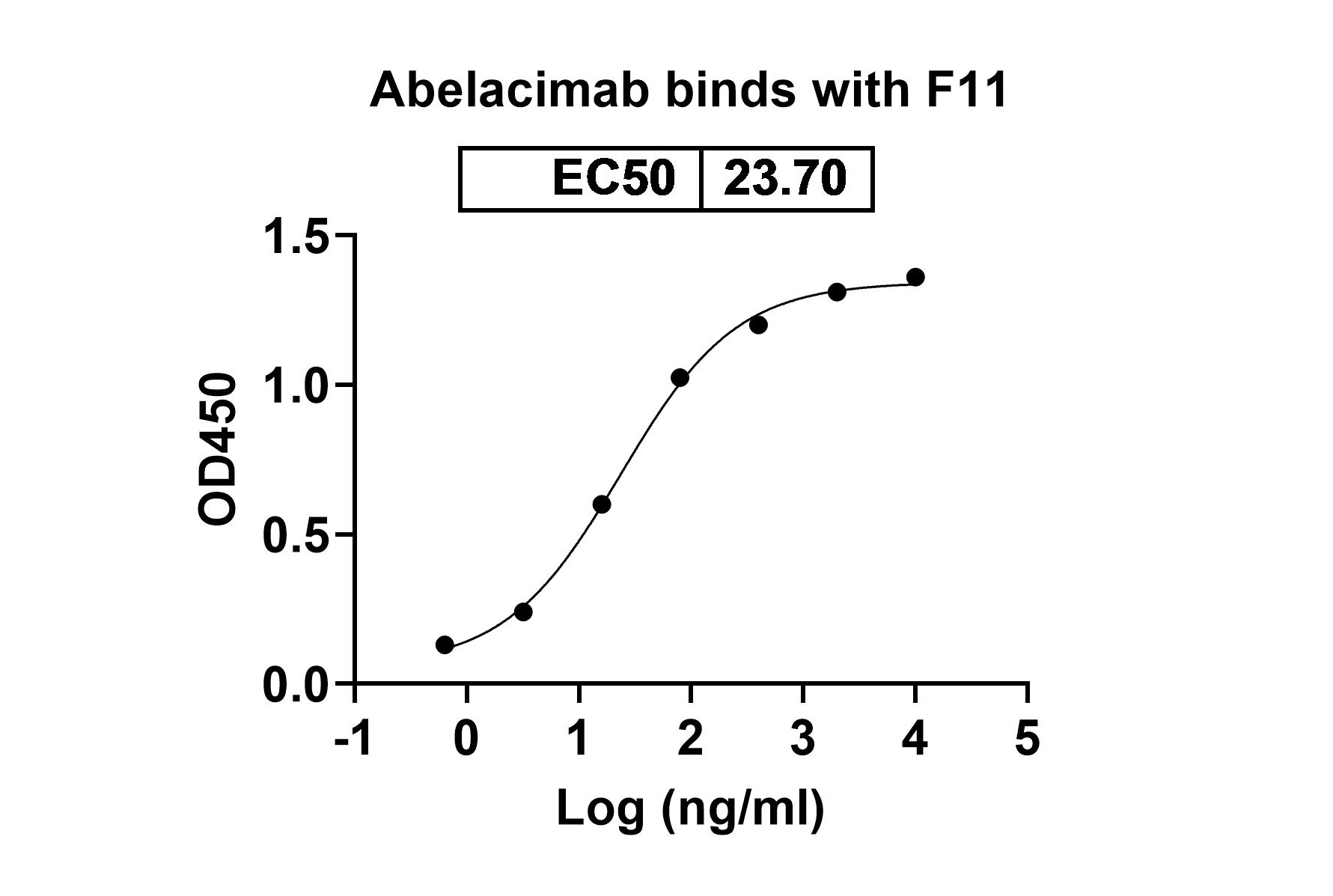
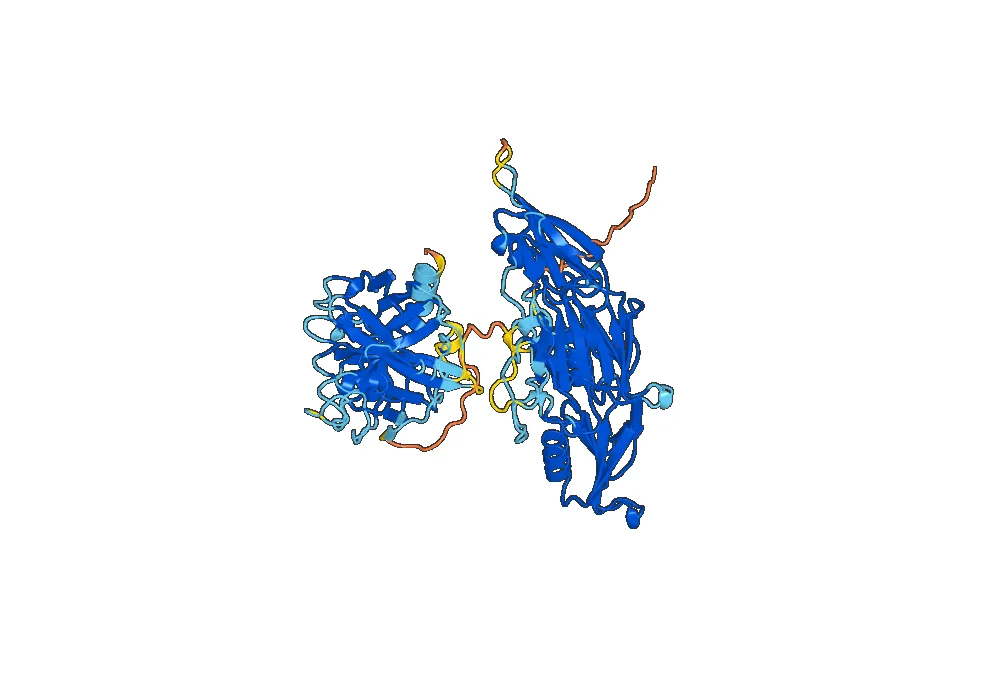
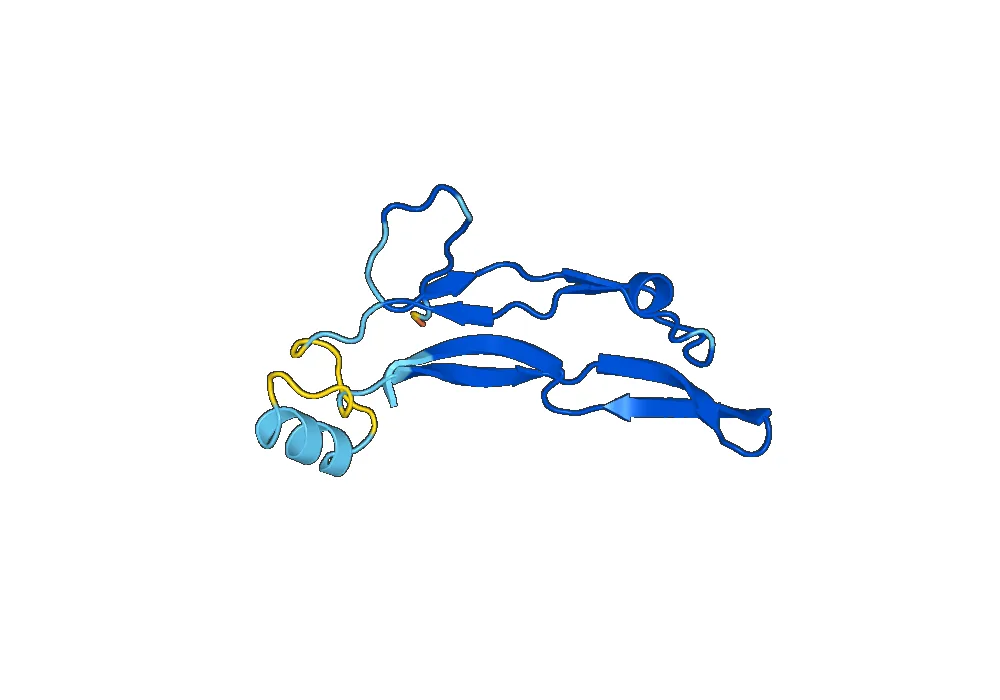
Abelacimab Biosimilar binds specifically to FXI, a serine protease involved in the amplification of the blood clotting process. FXI is activated upon vascular injury and forms a complex with Factor XII, leading to the activation of Factor IX and subsequent formation of a blood clot. By targeting FXI, Abelacimab Biosimilar prevents the formation of this complex, thereby inhibiting the blood clotting process.
In addition to its inhibitory activity, Abelacimab Biosimilar also has effector functions that contribute to its therapeutic effects. It can activate the complement system, leading to the lysis of target cells, and also induce ADCC, which involves the destruction of target cells by immune cells.
Application of Abelacimab Biosimilar
Abelacimab Biosimilar is primarily used as a therapeutic agent for the prevention and treatment of thrombotic disorders. Thrombosis, the formation of blood clots, can lead to serious conditions such as heart attack, stroke, and pulmonary embolism. By inhibiting FXI, Abelacimab Biosimilar can help prevent the formation of blood clots and reduce the risk of these conditions.
Abelacimab Biosimilar has shown promising results in clinical trials, demonstrating its effectiveness in preventing and treating thrombotic events. It has also been studied for its potential use in other conditions, such as hemophilia and cancer, where FXI has been implicated.
Antibody Biosimilars
Antibody biosimilars, like Abelacimab Biosimilar, are becoming increasingly important in the field of biopharmaceuticals. They are highly similar versions of existing monoclonal antibodies, with comparable efficacy, safety, and quality. Biosimilars offer a more affordable alternative to their originator products, making them more accessible to patients.
Therapeutic Target: Factor XI
Factor XI is a promising therapeutic target for the prevention and treatment of thrombotic disorders. Unlike other components of the blood coagulation cascade, FXI deficiency does not result in bleeding disorders, making it an attractive target for anticoagulant therapy. Inhibiting FXI also has the potential to reduce the risk of bleeding associated with current anticoagulant therapies, such as warfarin.
In conclusion, Abelacimab Biosimilar is a biosimilar version of the anti-FXI mAb, with a specific structure and activity that makes it a promising therapeutic agent for the prevention and treatment of thrombotic disorders. Its application extends beyond this, with potential use in other conditions and as an affordable alternative to originator products. As the development of antibody biosimilars continues to grow, the therapeutic target of Factor XI will likely gain even more importance in the field of biopharmaceuticals.

There are no reviews yet.