Introduction
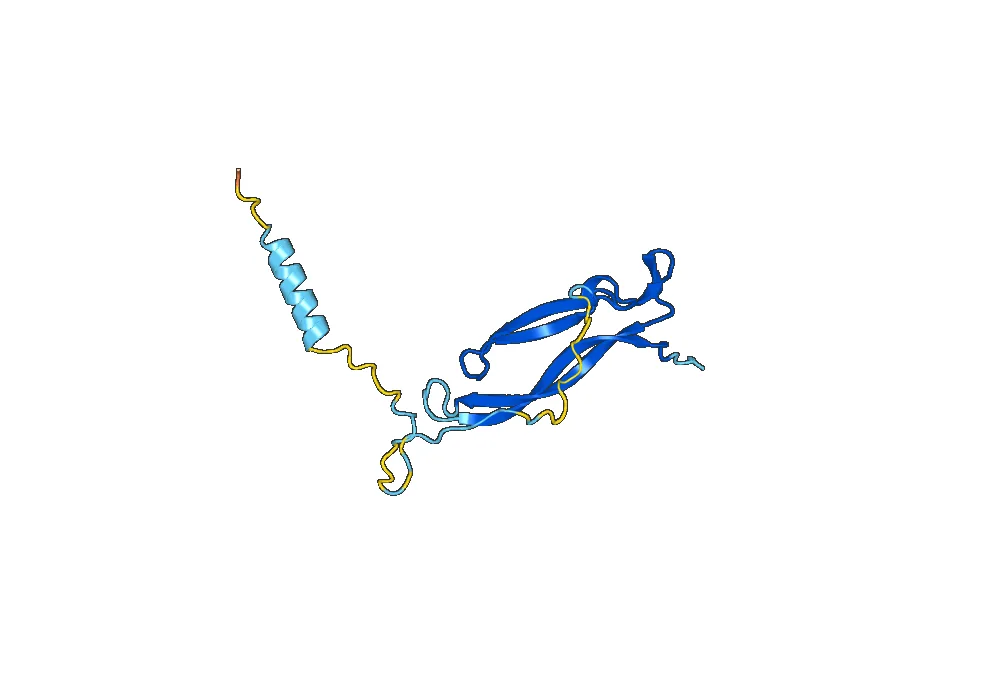
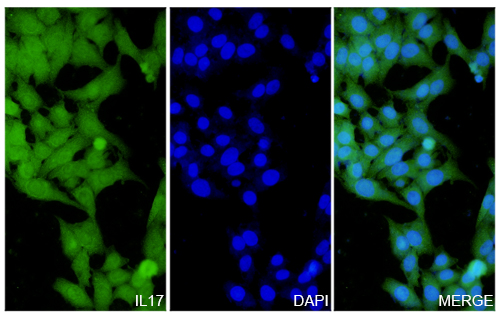
Xeligekimab Biosimilar, also known as Anti-IL17 mAb, is a research grade antibody that has shown promising results in targeting and treating various inflammatory and autoimmune diseases. This biosimilar is a monoclonal antibody that specifically targets Interleukin-17 (IL-17), a pro-inflammatory cytokine that plays a key role in the pathogenesis of several diseases. In this article, we will explore the structure, activity and potential applications of Xeligekimab Biosimilar.
Structure of Xeligekimab Biosimilar
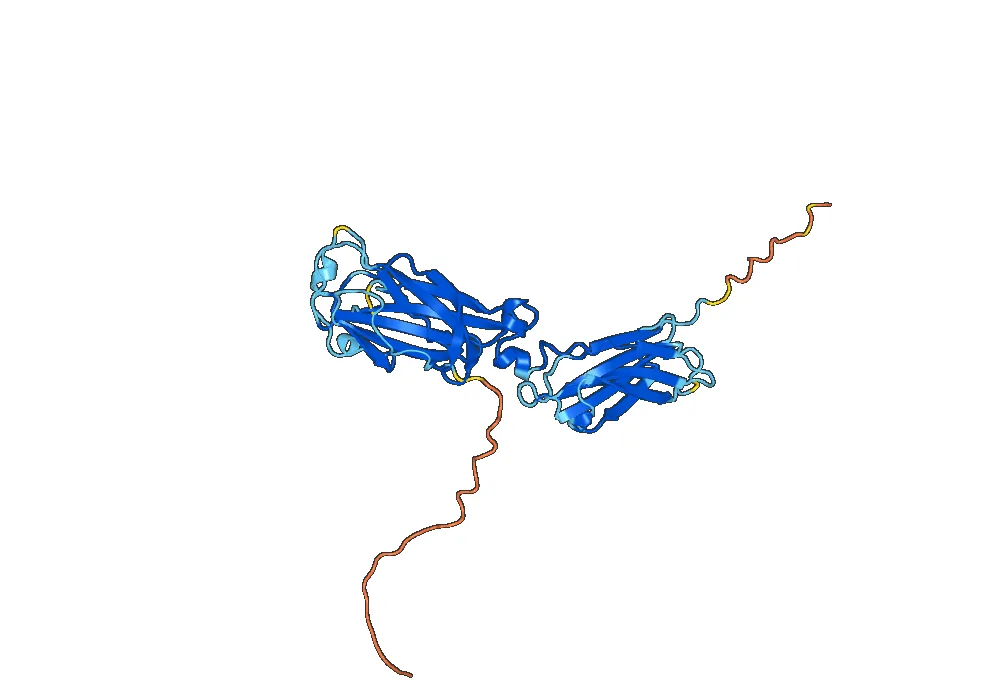
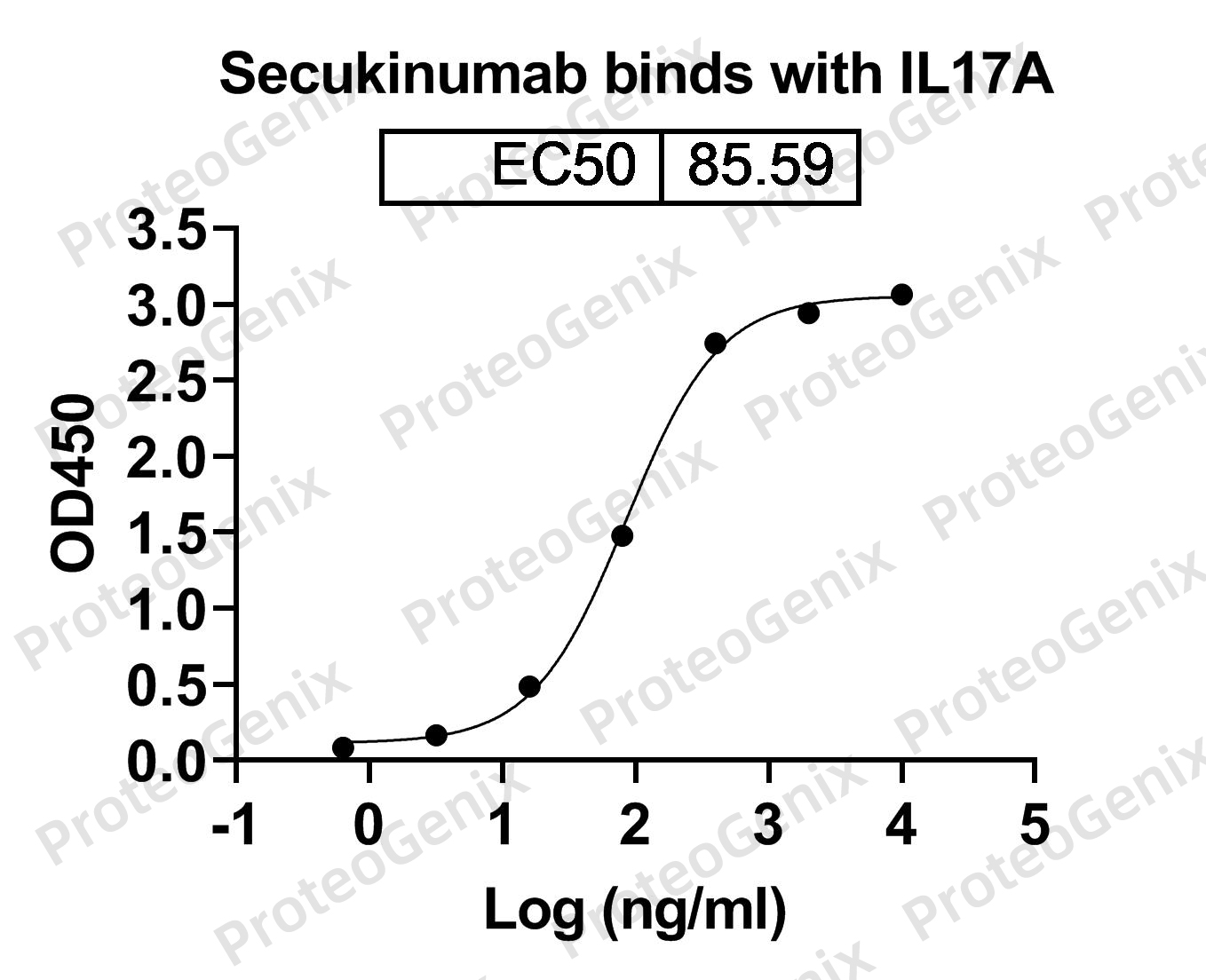
Xeligekimab Biosimilar is a recombinant, fully humanized monoclonal antibody that is produced using advanced biotechnology methods. It is a biosimilar of Secukinumab, a well-established anti-IL17 mAb that has been approved for the treatment of psoriasis, psoriatic arthritis, and ankylosing spondylitis. The structure of Xeligekimab Biosimilar is similar to Secukinumab, with a few modifications that make it more suitable for research purposes.
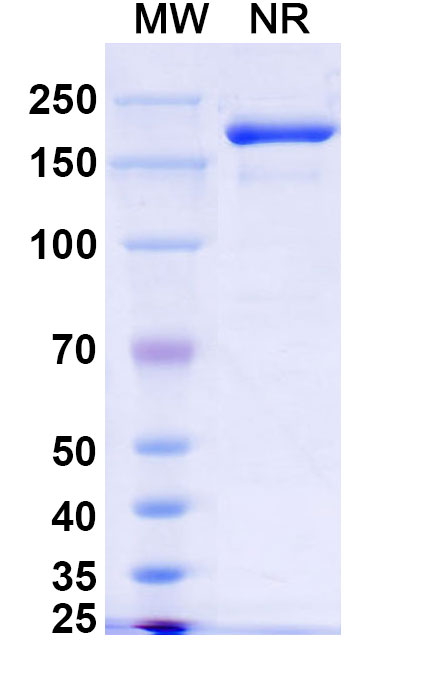
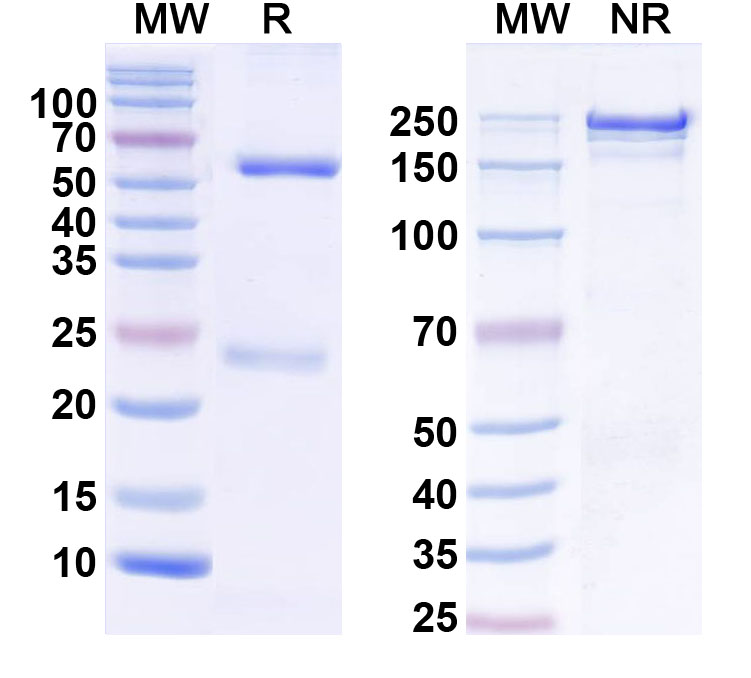
Xeligekimab Biosimilar is composed of two heavy chains and two light chains, each containing a variable region and a constant region. The variable region is responsible for binding to IL-17, while the constant region determines the antibody’s effector functions. The antibody has a molecular weight of approximately 150 kDa and is produced in mammalian cell lines.
Activity of Xeligekimab Biosimilar
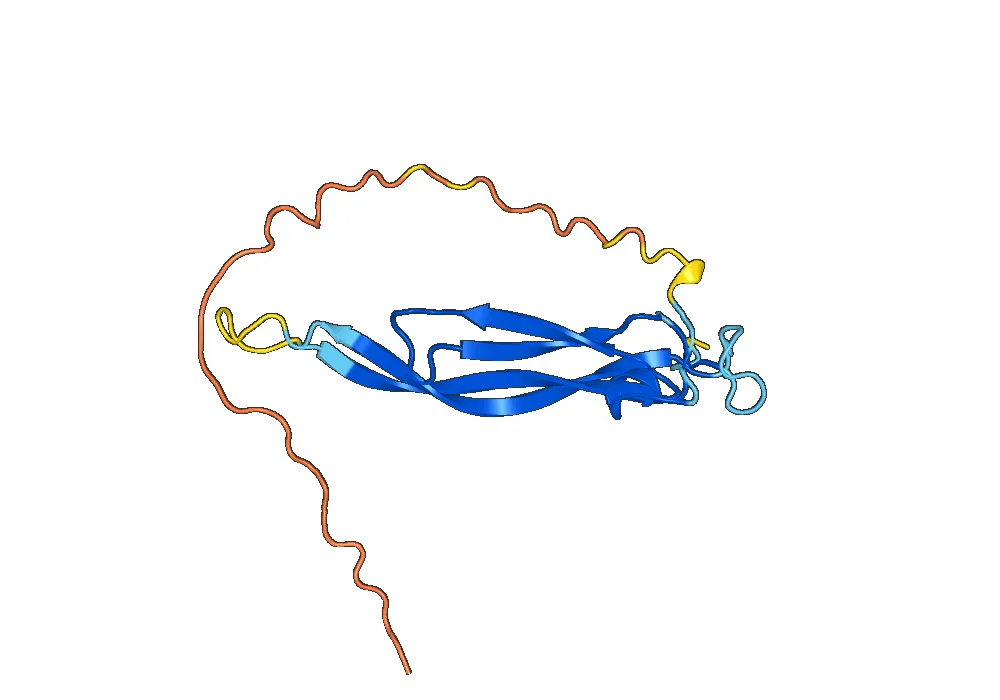
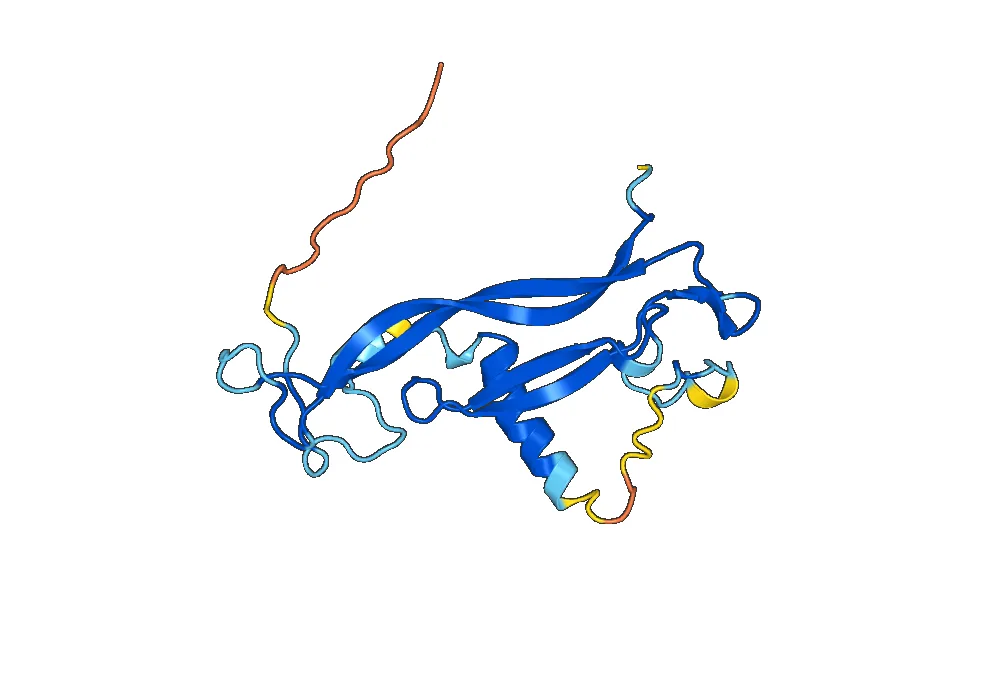
Xeligekimab Biosimilar works by specifically targeting and neutralizing IL-17, a cytokine that is involved in the pathogenesis of various inflammatory and autoimmune diseases. IL-17 is produced by a type of immune cell known as Th17 cells and is responsible for recruiting other immune cells to the site of inflammation. This leads to tissue damage and chronic inflammation, which can contribute to the development of diseases such as psoriasis, rheumatoid arthritis, and inflammatory bowel disease.
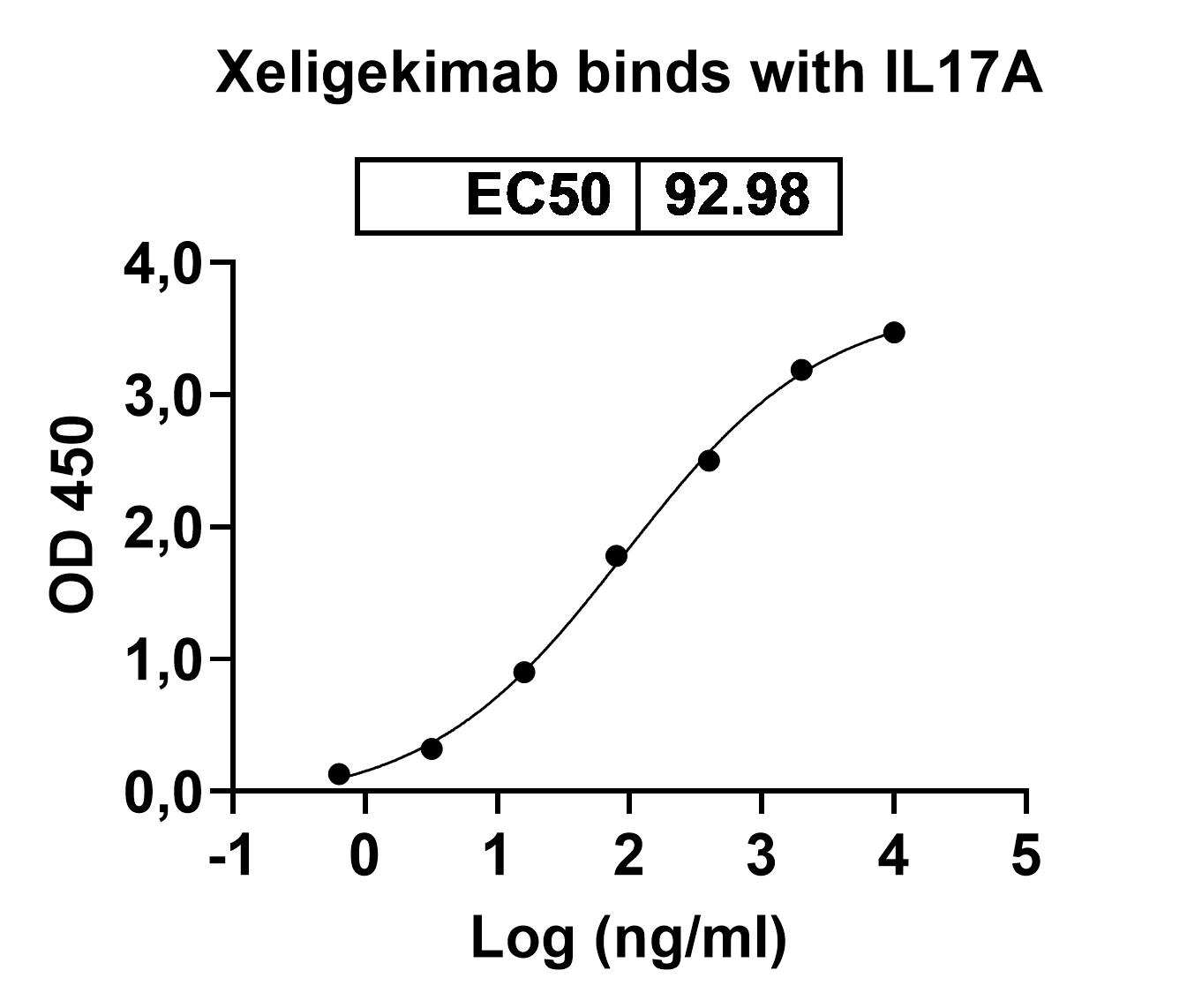
By binding to IL-17, Xeligekimab Biosimilar prevents it from interacting with its receptors on target cells, thereby inhibiting its pro-inflammatory effects. This results in a reduction of inflammation and alleviation of symptoms associated with IL-17-mediated diseases.
Applications of Xeligekimab Biosimilar
Xeligekimab Biosimilar has shown promising results in pre-clinical studies and is currently being evaluated for its potential applications in various diseases. Some of the potential therapeutic areas where Xeligekimab Biosimilar could be beneficial include:
Psoriasis Psoriasis is a chronic inflammatory skin disease that is characterized by red, scaly patches on the skin. IL-17 plays a key role in the development of psoriasis, and Xeligekimab Biosimilar has shown to be effective in reducing the severity of symptoms in pre-clinical studies.
Rheumatoid Arthritis
Rheumatoid arthritis is an autoimmune disease that causes inflammation and damage to the joints. IL-17 is known to contribute to the development of this disease, and Xeligekimab Biosimilar has shown to be effective in reducing joint inflammation and preventing joint damage in pre-clinical studies.
Inflammatory Bowel Disease
Inflammatory bowel disease (IBD) is a group of chronic inflammatory disorders that affect the digestive tract. IL-17 has been implicated in the pathogenesis of IBD, and Xeligekimab Biosimilar has shown to be effective in reducing intestinal inflammation and improving symptoms in pre-clinical studies.
Other potential applications
Apart from the above-mentioned diseases, Xeligekimab Biosimilar is also being evaluated for its potential in other IL-17-mediated diseases, such as psoriatic arthritis, ankylosing spondylitis, and asthma.
Conclusion
In conclusion, Xeligekimab Biosimilar is a promising research grade antibody that specifically targets IL-17 and has shown potential in treating various inflammatory and

There are no reviews yet.