Introduction
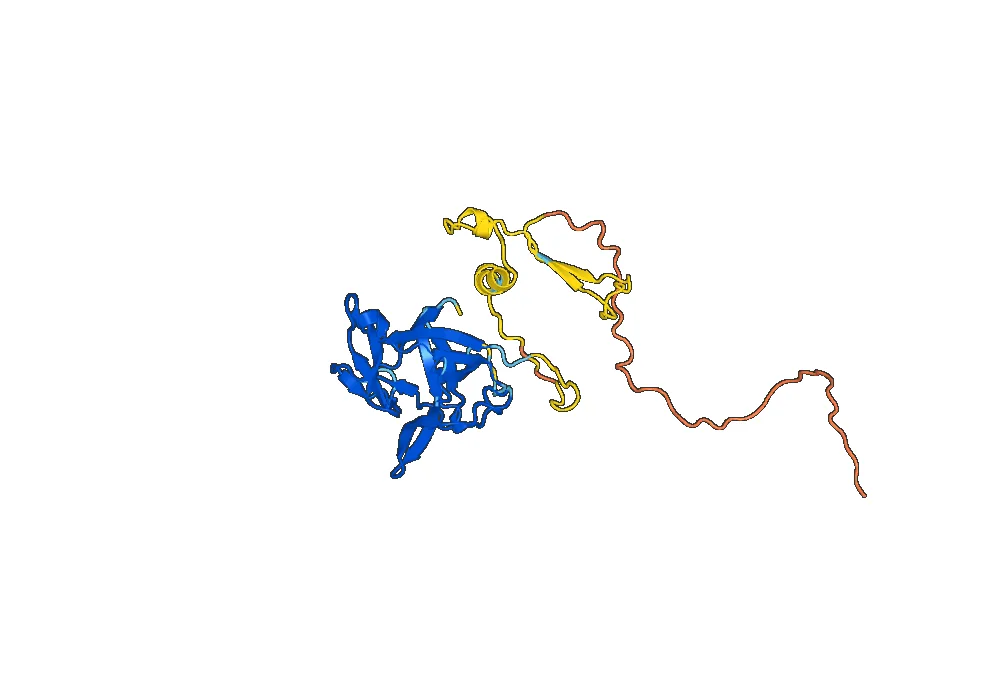
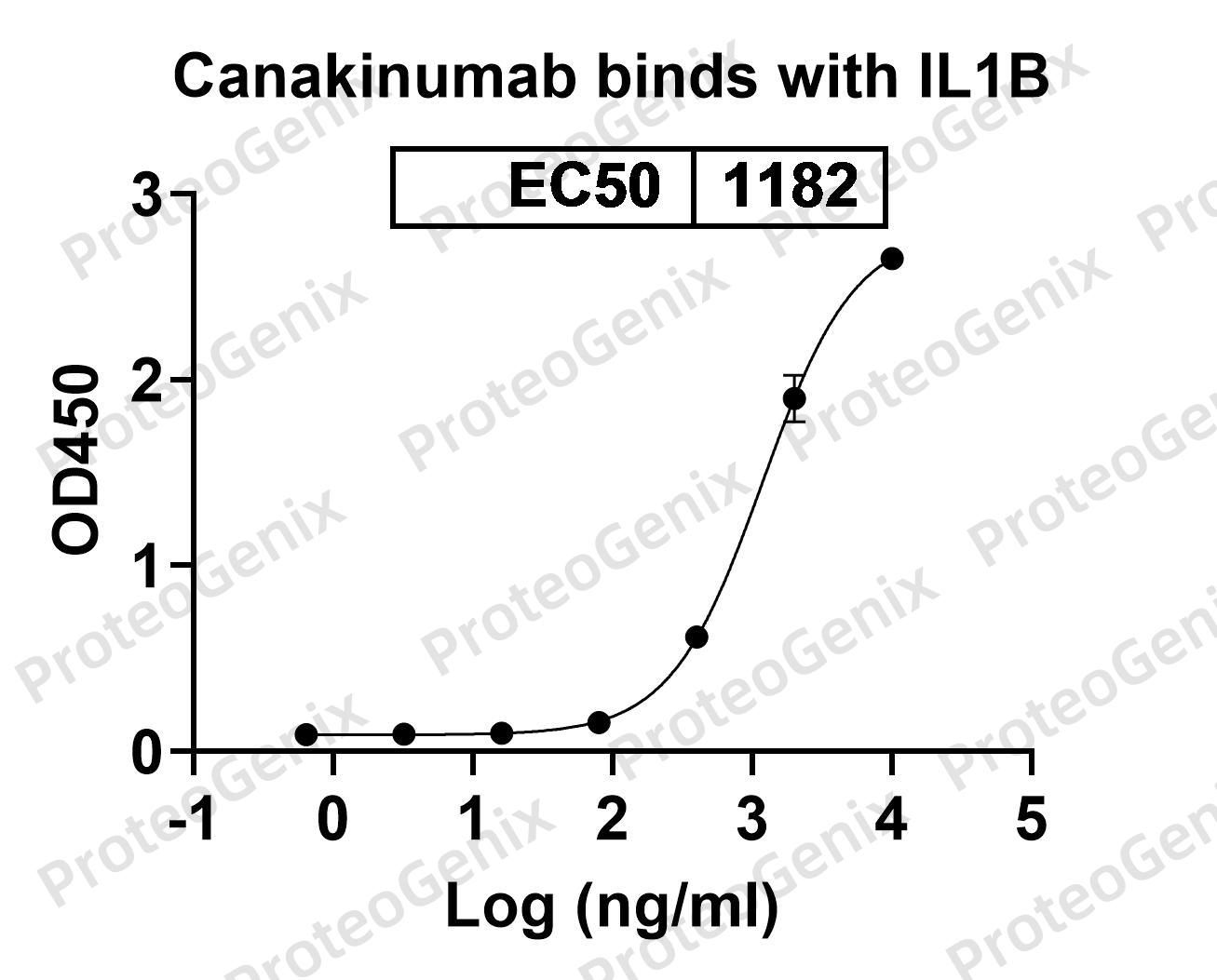
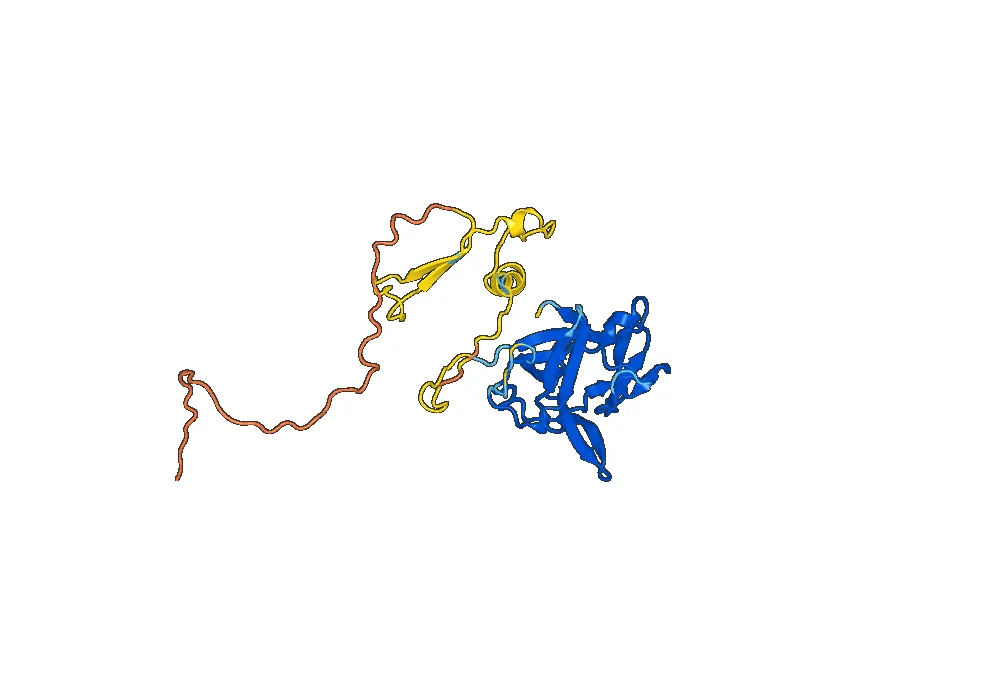
Canakinumab Biosimilar, also known as Anti-IL1B mAb, is a monoclonal antibody that targets the inflammatory cytokine interleukin-1 beta (IL-1β). This biosimilar is a research grade version of Canakinumab, a FDA-approved therapeutic antibody used for the treatment of various inflammatory diseases. In this article, we will discuss the structure, activity, and potential applications of Canakinumab Biosimilar as a therapeutic antibody.
Structure of Canakinumab Biosimilar
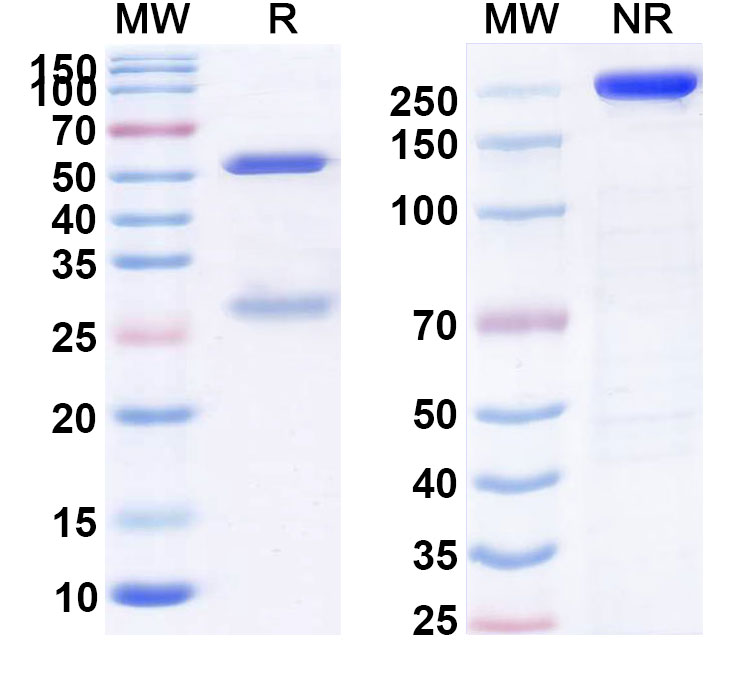
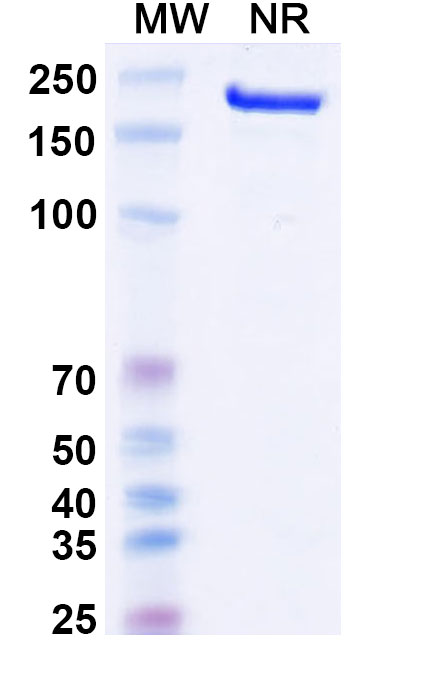
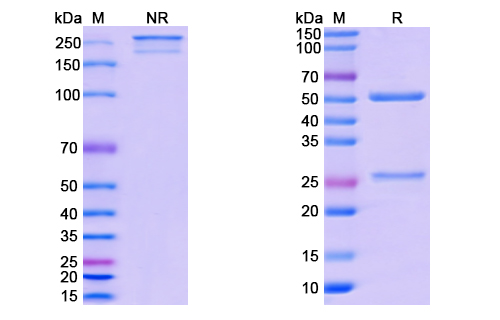
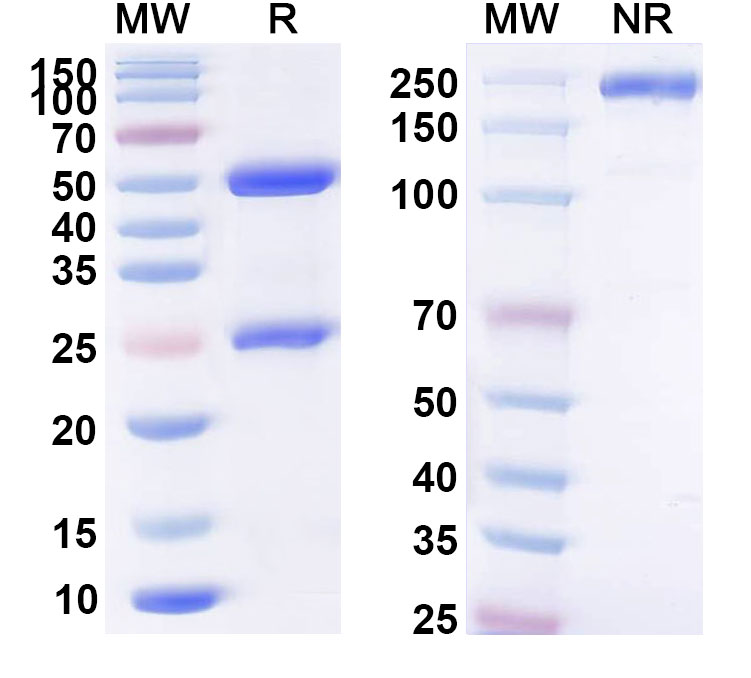
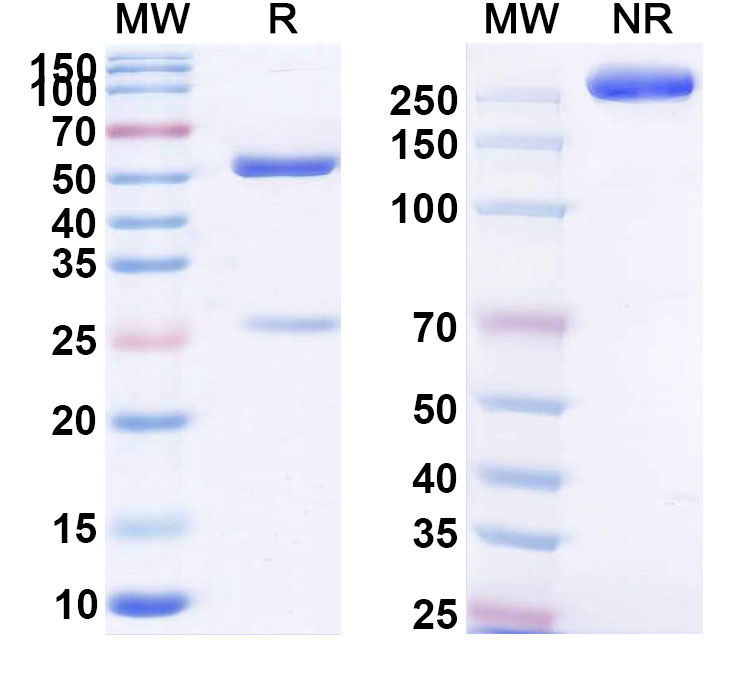
Canakinumab Biosimilar is a fully human IgG1 monoclonal antibody that is produced through recombinant DNA technology. It is composed of two heavy chains and two light chains, each with a molecular weight of approximately 50 kDa. The antibody has a typical Y-shaped structure, with two antigen-binding fragments (Fab) and one crystallizable fragment (Fc). The Fab region is responsible for binding to IL-1β, while the Fc region mediates effector functions such as antibody-dependent cellular cytotoxicity (ADCC) and complement-dependent cytotoxicity (CDC).
Mechanism of Action
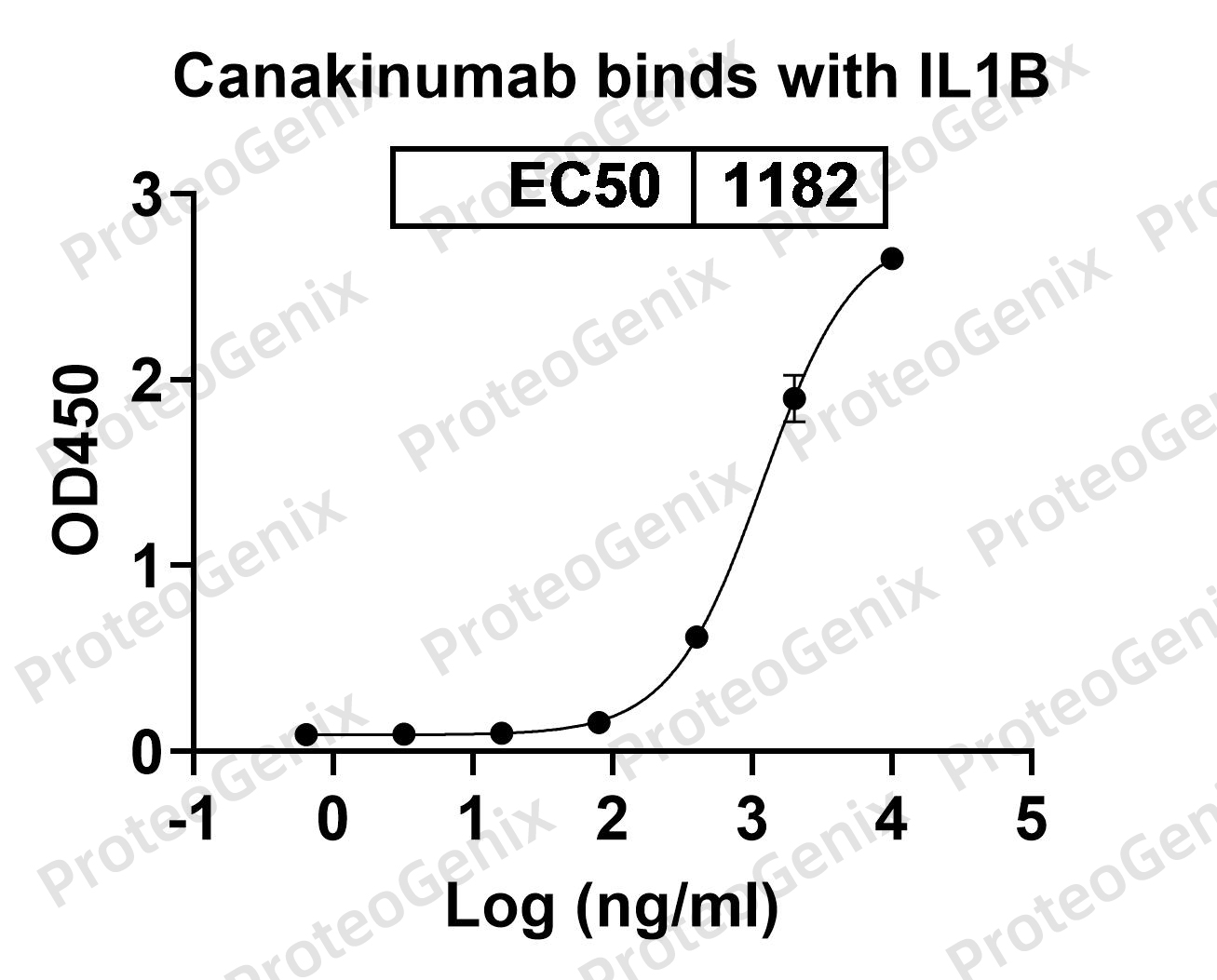
Canakinumab Biosimilar works by specifically binding to IL-1β and inhibiting its activity. IL-1β is a pro-inflammatory cytokine that plays a crucial role in the pathogenesis of various inflammatory diseases. By binding to IL-1β, Canakinumab Biosimilar prevents it from interacting with its receptors, thereby blocking its downstream signaling pathways. This leads to a decrease in the production of other pro-inflammatory cytokines and chemokines, ultimately reducing inflammation and associated symptoms.
Potential Applications
Canakinumab Biosimilar has shown promising results in pre-clinical studies for the treatment of various inflammatory diseases. It has been shown to be effective in reducing inflammation and symptoms in conditions such as rheumatoid arthritis, gout, and familial Mediterranean fever. In addition, Canakinumab Biosimilar has also been investigated as a potential treatment for cardiovascular diseases, as IL-1β has been implicated in the development of atherosclerosis and heart disease.
Anti-inflammatory Effects
One of the main applications of Canakinumab Biosimilar is in the treatment of inflammatory diseases. In a phase III clinical trial, Canakinumab was shown to be effective in reducing the frequency of gout flares in patients with gout. It has also been studied in patients with rheumatoid arthritis, where it was found to improve symptoms and inhibit joint damage. These results suggest that Canakinumab Biosimilar may be a promising therapeutic option for various inflammatory conditions.
Cardiovascular Disease
Canakinumab Biosimilar has also been investigated for its potential in reducing the risk of cardiovascular events. In a large-scale clinical trial, Canakinumab was shown to significantly reduce the risk of recurrent cardiovascular events in patients with a history of heart attack. This effect was independent of its anti-inflammatory properties, suggesting that Canakinumab may have additional cardioprotective mechanisms.
Future Directions
As a research grade version of Canakinumab, Canakinumab Biosimilar has the potential to be used in various pre-clinical studies to further understand the role of IL-1β in different diseases. It can also be used as a comparator in clinical trials to evaluate the efficacy and safety of new therapeutic antibodies targeting IL-1β. In addition, the development of Canakinumab Biosimilar may also lead to a more affordable and accessible treatment option for patients with inflammatory diseases.
Conclusion
Canakinumab Biosimilar, a research grade version of Canakinumab, is a promising therapeutic antibody targeting IL-1β. Its specific binding and inhibitory effects on IL-1β make it a potential treatment option for various inflammatory diseases and cardiovascular conditions


There are no reviews yet.