Introduction
Meplazumab Biosimilar, also known as Anti-CD147 mAb, is a monoclonal antibody that has been developed as a biosimilar to the original Meplazumab antibody. It targets the CD147 protein, which is overexpressed in various cancers and inflammatory diseases. Meplazumab Biosimilar has shown promising results in preclinical studies and is currently being evaluated in clinical trials as a potential therapeutic option for these diseases.
Structure of Meplazumab Biosimilar
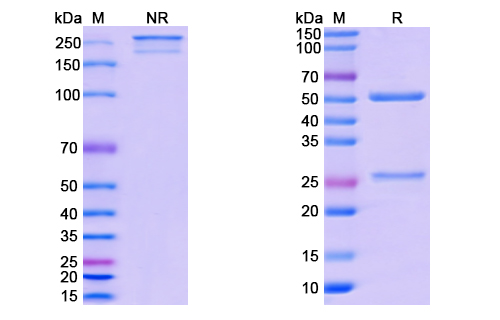
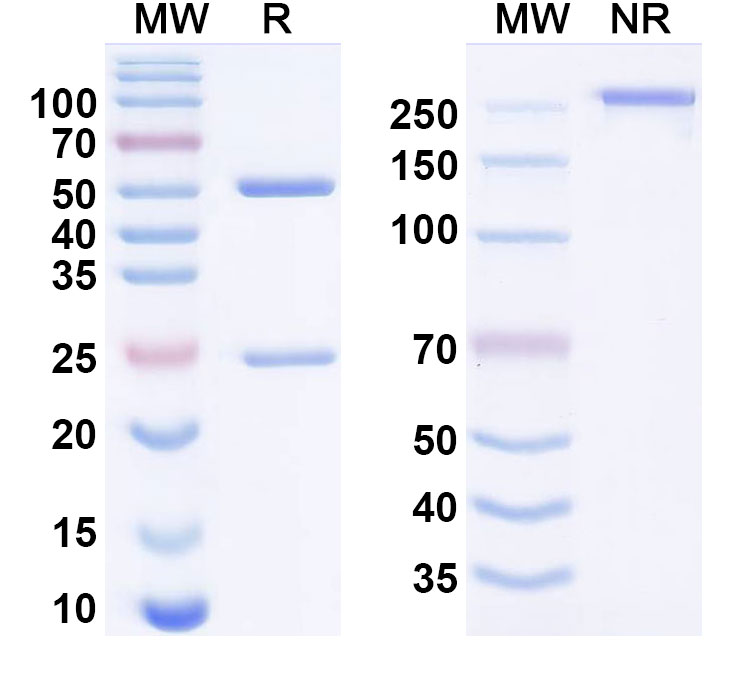
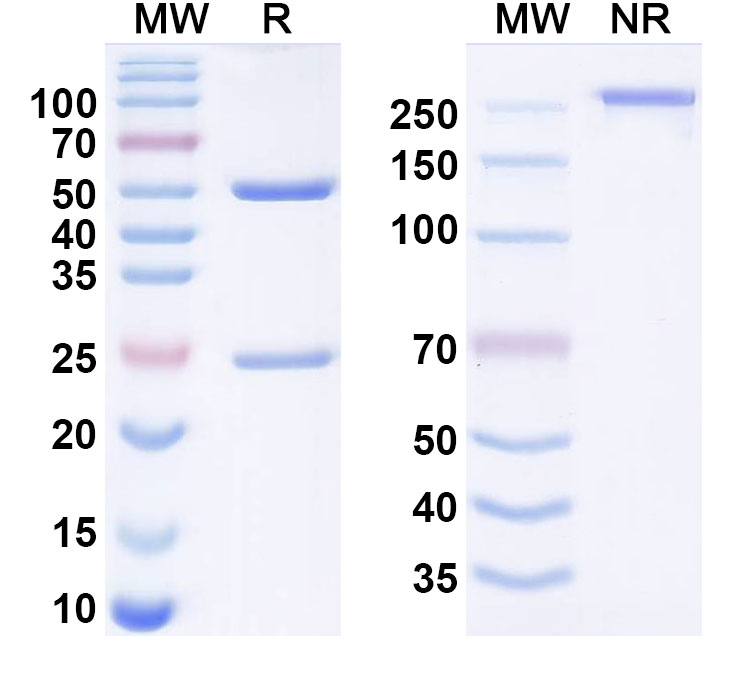
Meplazumab Biosimilar is a recombinant humanized monoclonal antibody that has been engineered to mimic the structure of the original Meplazumab antibody. It is composed of two heavy chains and two light chains, each consisting of variable and constant regions. The variable regions of the antibody are responsible for binding to the CD147 protein, while the constant regions determine the effector functions of the antibody.
Activity of Meplazumab Biosimilar
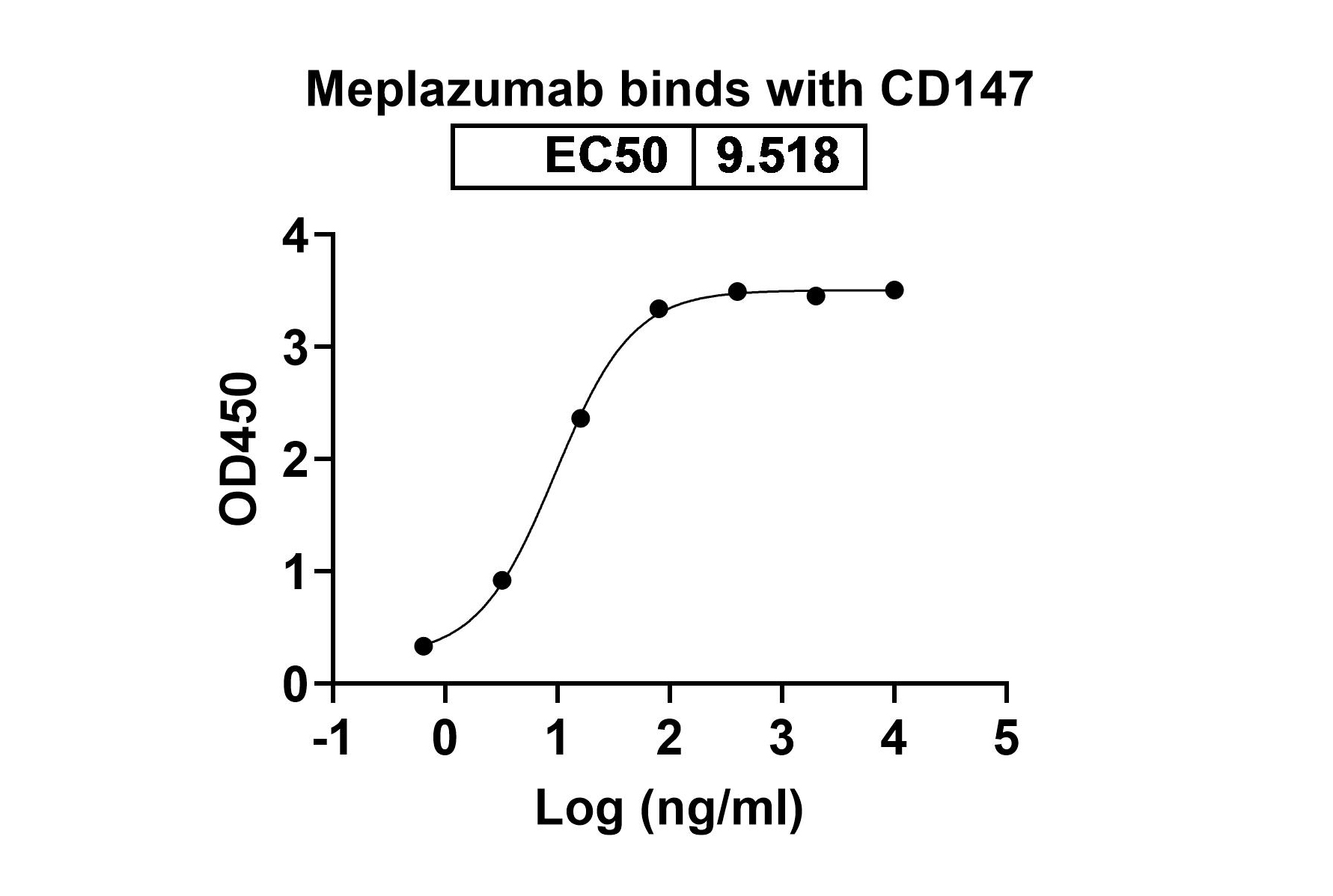
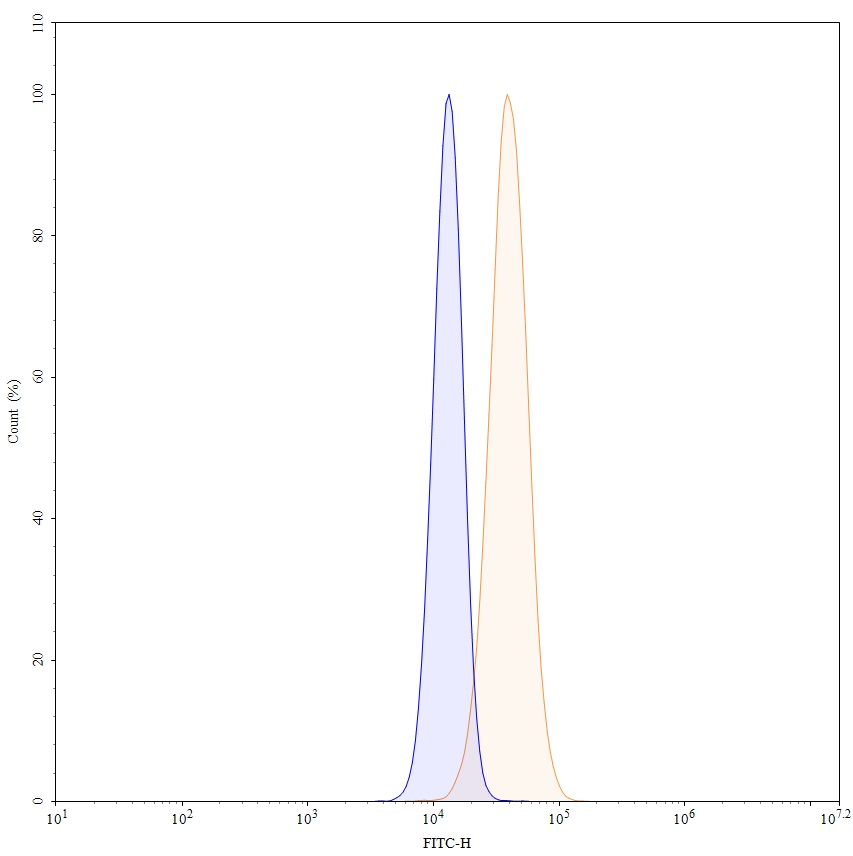
The primary activity of Meplazumab Biosimilar is to bind to the CD147 protein and inhibit its function. CD147 is a cell surface glycoprotein that plays a crucial role in cell adhesion, migration, and invasion. It is also involved in the regulation of immune responses and is overexpressed in various cancers and inflammatory diseases. By binding to CD147, Meplazumab Biosimilar blocks its interaction with other proteins and disrupts its function, leading to a decrease in cell proliferation and migration.
In addition to its inhibitory activity, Meplazumab Biosimilar also has effector functions that can contribute to its therapeutic efficacy. These include antibody-dependent cellular cytotoxicity (ADCC) and complement-dependent cytotoxicity (CDC). ADCC involves the activation of immune cells, such as natural killer cells, to target and kill cancer cells that are bound by Meplazumab Biosimilar. CDC, on the other hand, involves the activation of the complement system, which leads to the destruction of target cells.
Application of Meplazumab Biosimilar
Meplazumab Biosimilar has shown promising results in preclinical studies as a potential therapeutic option for various cancers and inflammatory diseases. It has been evaluated in several in vitro and in vivo studies, which have demonstrated its ability to inhibit cell proliferation, migration, and invasion in cancer cells. In addition, Meplazumab Biosimilar has also shown anti-inflammatory effects in models of inflammatory diseases, such as rheumatoid arthritis and multiple sclerosis.
Currently, Meplazumab Biosimilar is being evaluated in clinical trials for the treatment of multiple myeloma, non-small cell lung cancer, and inflammatory bowel disease. These trials aim to assess the safety and efficacy of Meplazumab Biosimilar in patients and determine its potential as a therapeutic option for these diseases.
Conclusion
In summary, Meplazumab Biosimilar is a recombinant humanized monoclonal antibody that targets the CD147 protein, which is overexpressed in various cancers and inflammatory diseases. Its primary activity is to inhibit the function of CD147, and it also has effector functions that can contribute to its therapeutic efficacy. Meplazumab Biosimilar has shown promising results in preclinical studies and is currently being evaluated in clinical trials as a potential therapeutic option for multiple myeloma, non-small cell lung cancer, and inflammatory bowel disease. Further research and clinical trials will determine the full potential of Meplazumab Biosimilar as a therapeutic antibody.

There are no reviews yet.