Introduction
Letolizumab Biosimilar, also known as Anti-CD40LG or CD154 monoclonal antibody, is a novel therapeutic agent that has shown promising results in the treatment of various autoimmune and inflammatory diseases. This biosimilar is a highly specific antibody that targets the CD40 ligand (CD40LG), a key molecule involved in immune response and regulation. In this article, we will discuss the structure, activity, and potential applications of Letolizumab Biosimilar in the field of medicine.
Structure of Letolizumab Biosimilar
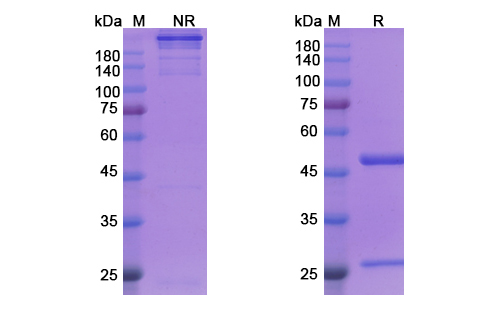
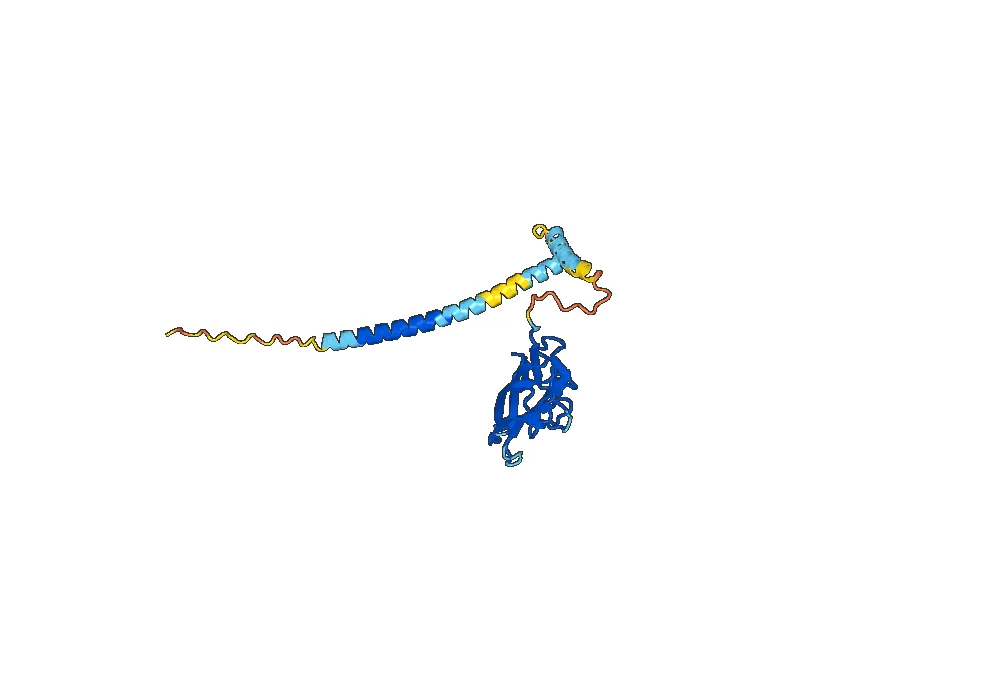
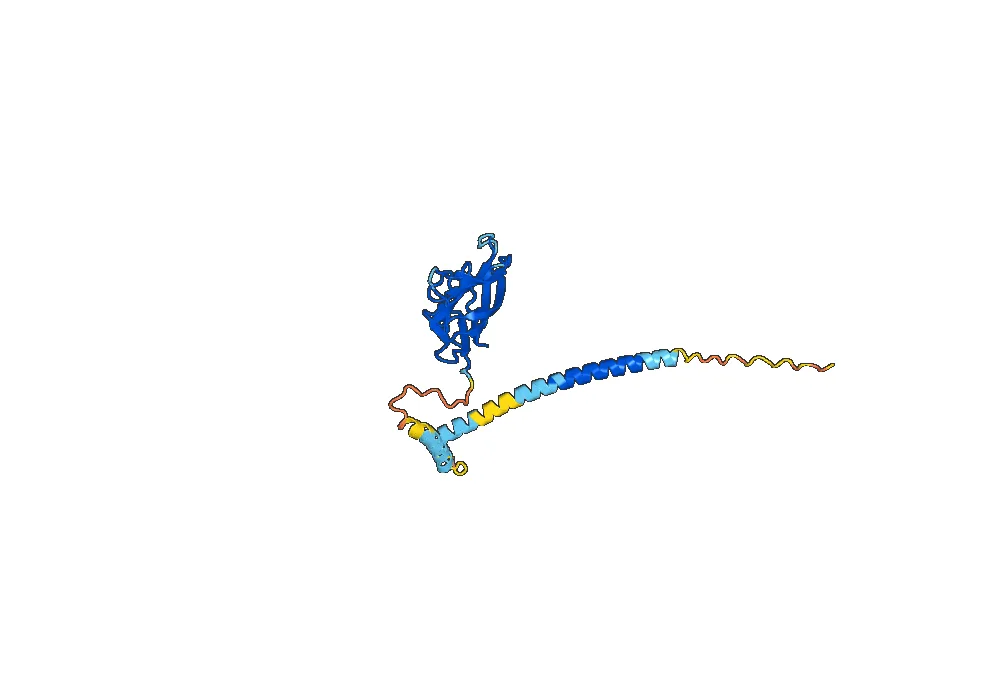
Letolizumab Biosimilar is a monoclonal antibody that is produced using recombinant DNA technology. It is a fully humanized IgG1 antibody that binds to the CD40LG with high affinity and specificity. The antibody has a molecular weight of approximately 150 kDa and is composed of two heavy chains and two light chains. The heavy chains consist of four constant domains (CH1, CH2, CH3, and CH4) and one variable domain (VH), while the light chains have two constant domains (CL) and one variable domain (VL).
The variable regions of Letolizumab Biosimilar are responsible for the specific recognition and binding of CD40LG. The constant regions, on the other hand, play a crucial role in the effector functions of the antibody, such as complement activation and antibody-dependent cell-mediated cytotoxicity (ADCC).
Mechanism of Action
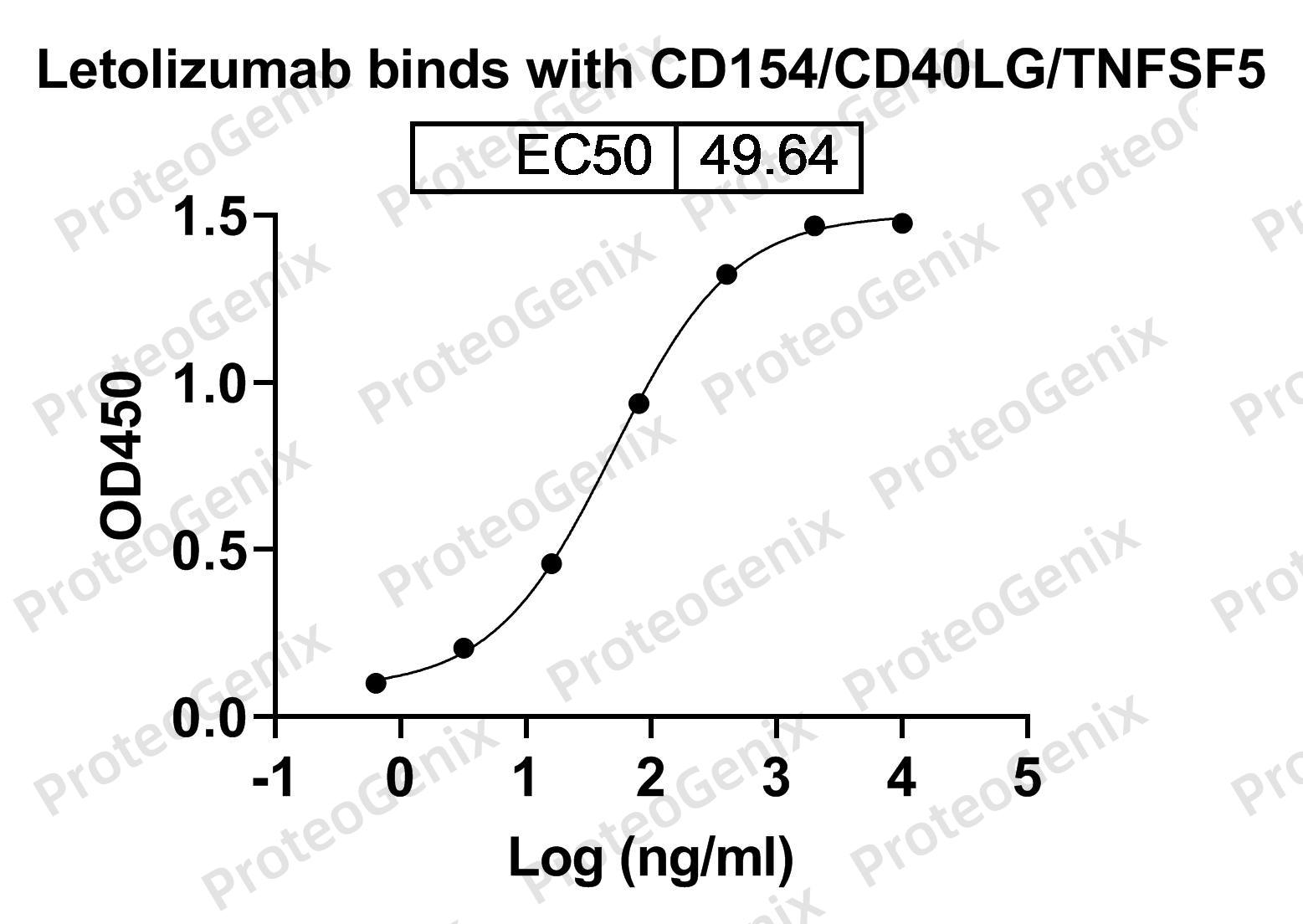
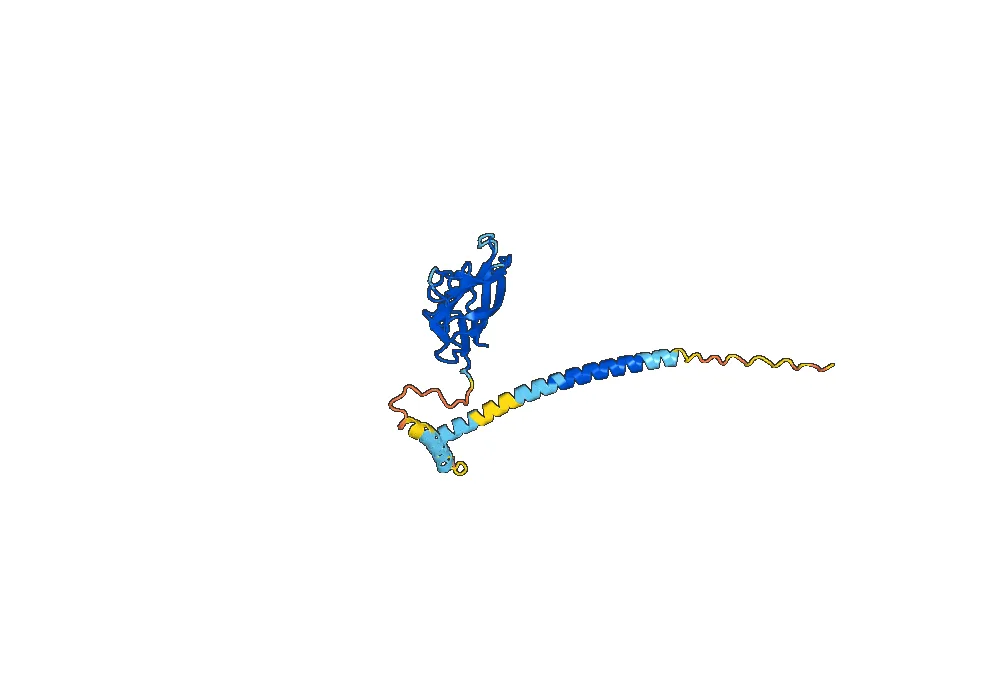
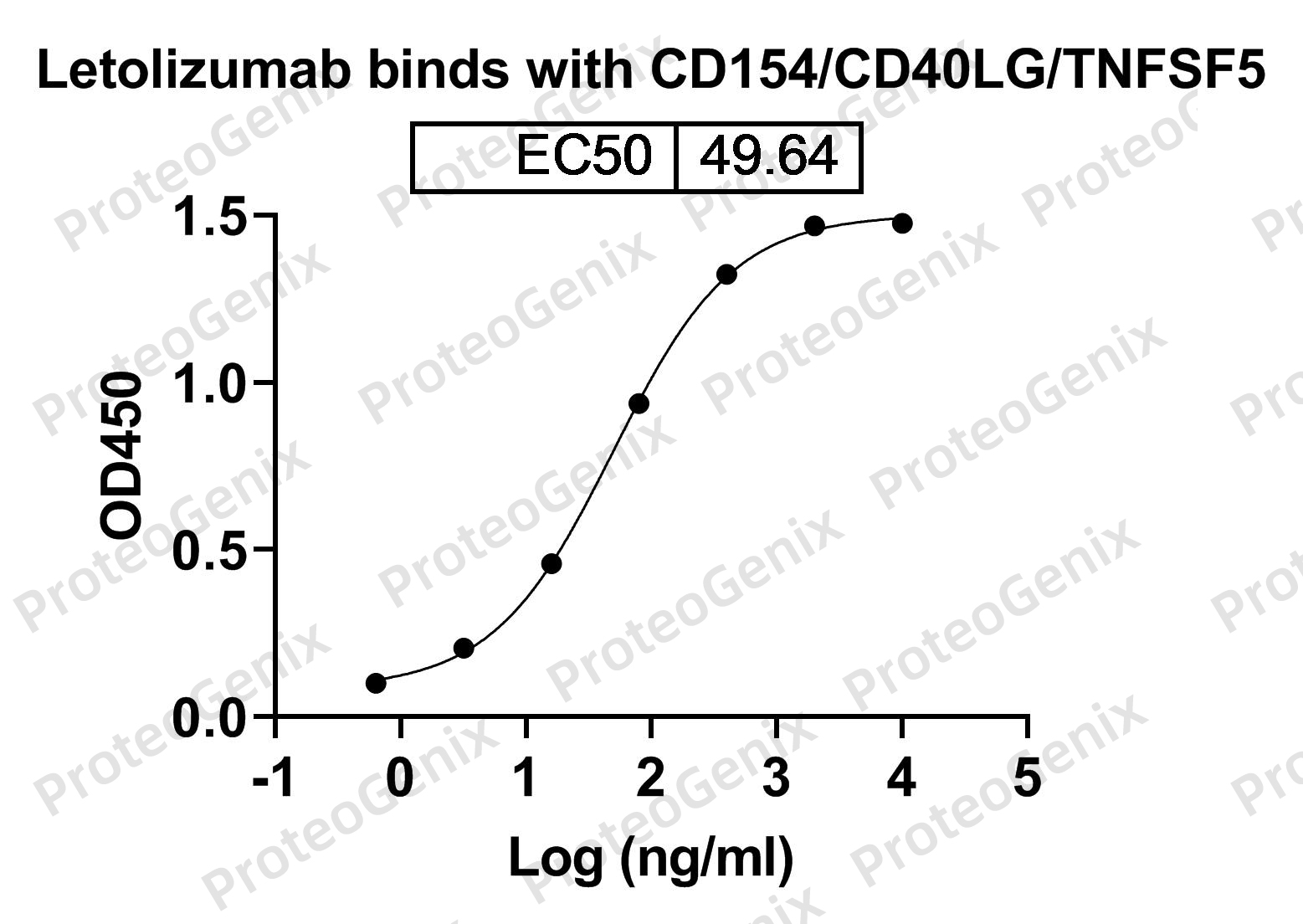
Letolizumab Biosimilar exerts its therapeutic effects by targeting CD40LG, a transmembrane glycoprotein expressed on the surface of activated T cells and other immune cells. CD40LG plays a critical role in the activation and differentiation of immune cells, including B cells, dendritic cells, and macrophages. By binding to CD40LG, Letolizumab Biosimilar blocks its interaction with its receptor CD40, thereby inhibiting downstream signaling pathways involved in inflammation and autoimmunity.
Moreover, Letolizumab Biosimilar also promotes the production of anti-inflammatory cytokines, such as IL-10, and inhibits the production of pro-inflammatory cytokines, such as TNF-α and IL-6. This dual mechanism of action makes Letolizumab Biosimilar a potent and promising therapeutic agent for the treatment of various autoimmune and inflammatory diseases.
Applications of Letolizumab Biosimilar
Letolizumab Biosimilar has been studied extensively in preclinical and clinical trials for its potential use in the treatment of various autoimmune and inflammatory diseases. Some of the diseases that have shown promising results with Letolizumab Biosimilar include:
- Rheumatoid arthritis (RA)
- Lupus
- Crohn’s disease
- Ulcerative colitis
- Psoriasis
- Multiple sclerosis (MS)
In a phase II clinical trial, Letolizumab Biosimilar demonstrated significant clinical efficacy and safety in patients with moderate to severe RA who had an inadequate response to methotrexate. The results showed a significant reduction in disease activity and improvement in joint symptoms compared to placebo.
Similarly, in a phase III clinical trial, Letolizumab Biosimilar showed superior efficacy compared to placebo in patients with active lupus, with a reduction in disease activity and a decrease in the need for corticosteroids. These promising results have led to the approval of Letolizumab Biosimilar for the treatment of lupus in Japan.
Conclusion
Letolizumab Biosimilar is a highly specific and effective therapeutic agent that targets CD40LG, a key molecule involved in immune response and regulation. Its unique mechanism of action makes it a promising candidate for the treatment of various
There are no reviews yet.