Introduction
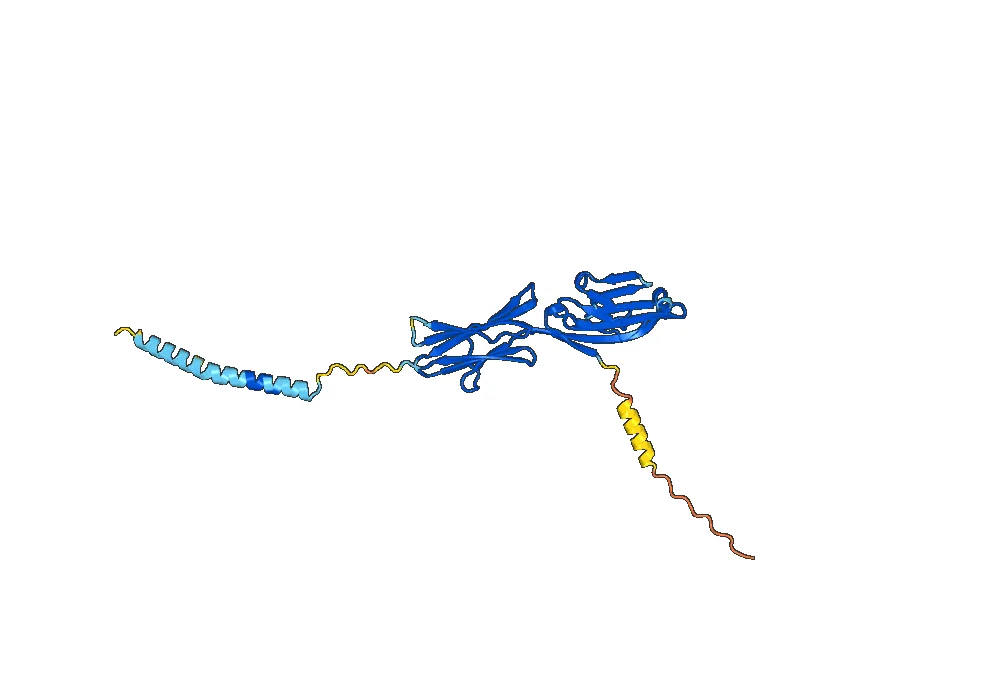
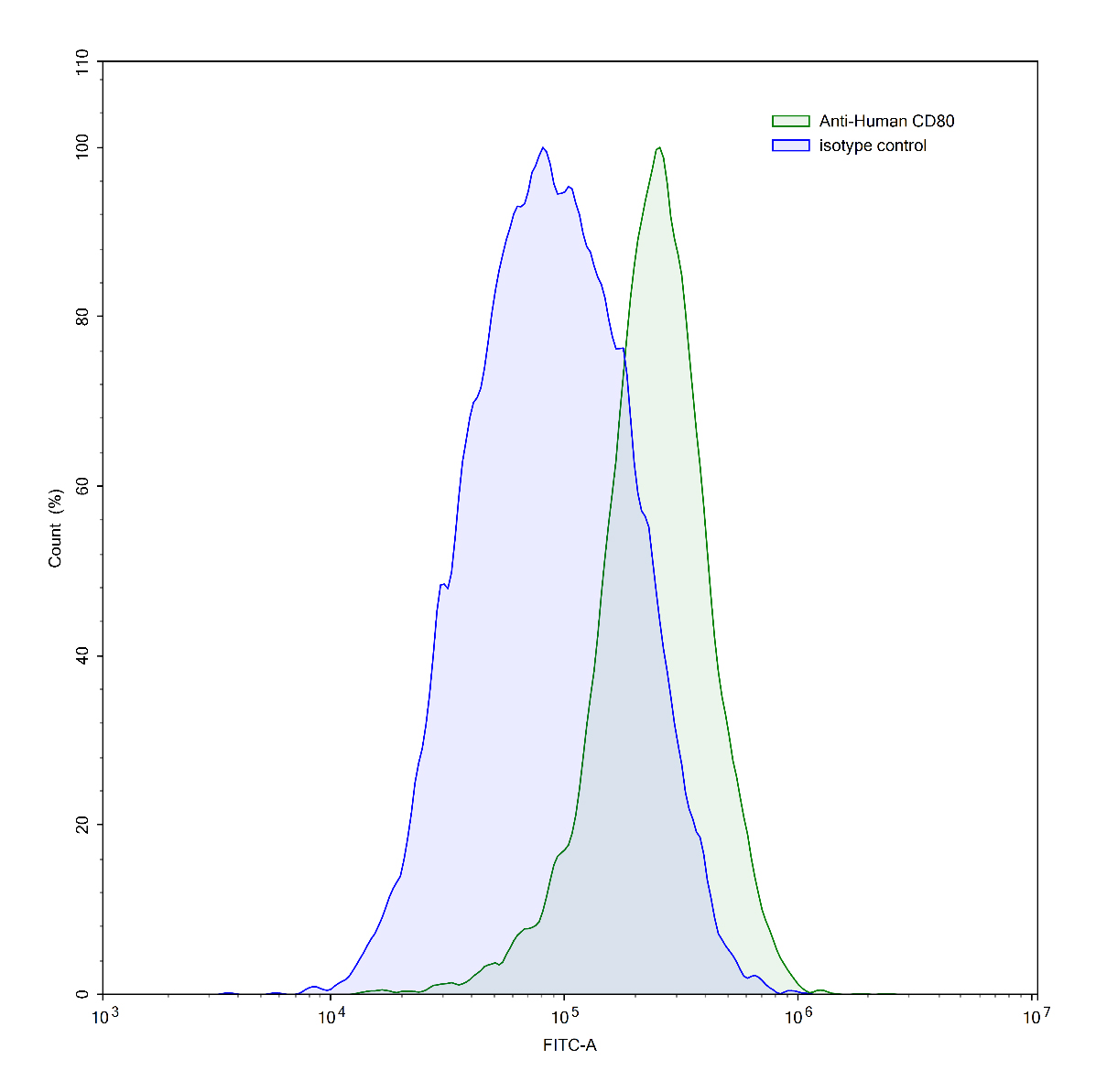
Galiximab biosimilar is a monoclonal antibody (mAb) that targets the protein CD80, also known as B7-1. This protein is found on the surface of immune cells and plays a crucial role in regulating the immune response. Galiximab biosimilar is a research grade mAb that has been developed as a potential therapeutic agent for various diseases. In this article, we will discuss the structure, activity, and potential applications of Galiximab biosimilar.
Structure of Galiximab Biosimilar
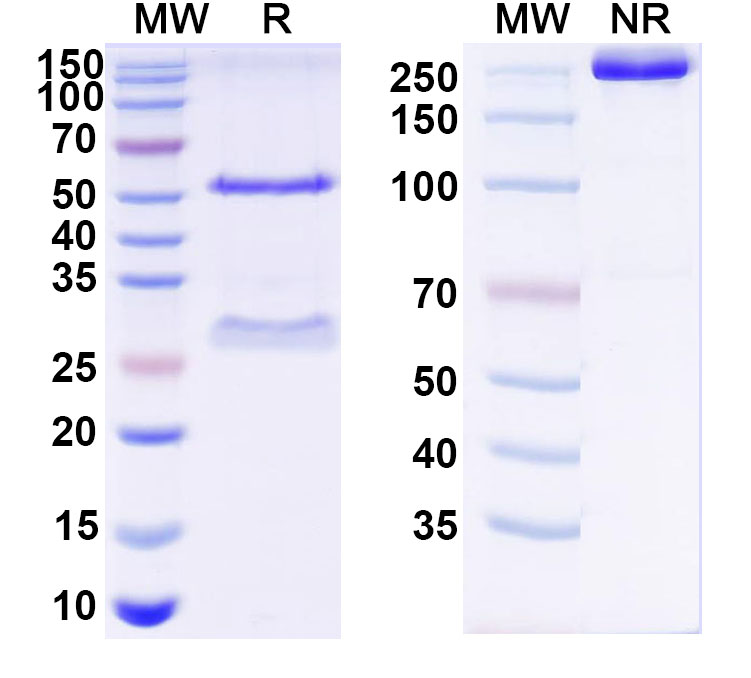
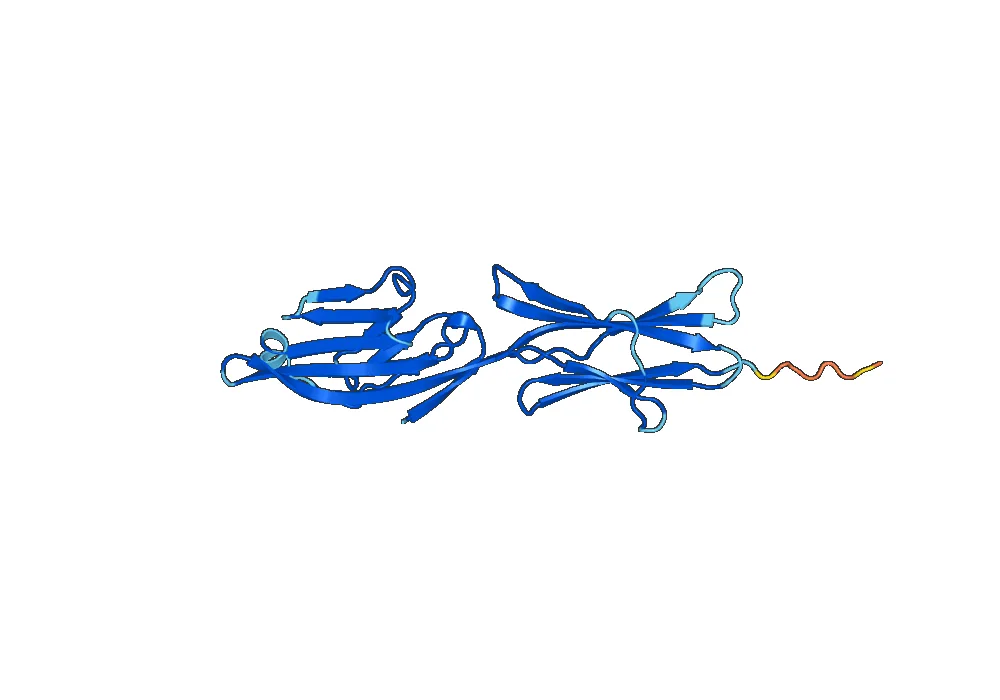
Galiximab biosimilar is a recombinant humanized IgG1 monoclonal antibody. It is composed of two heavy chains and two light chains, each containing a variable and constant region. The variable region of Galiximab biosimilar is designed to specifically bind to CD80, while the constant region is responsible for effector functions such as complement-dependent cytotoxicity and antibody-dependent cellular cytotoxicity.
Activity of Galiximab Biosimilar
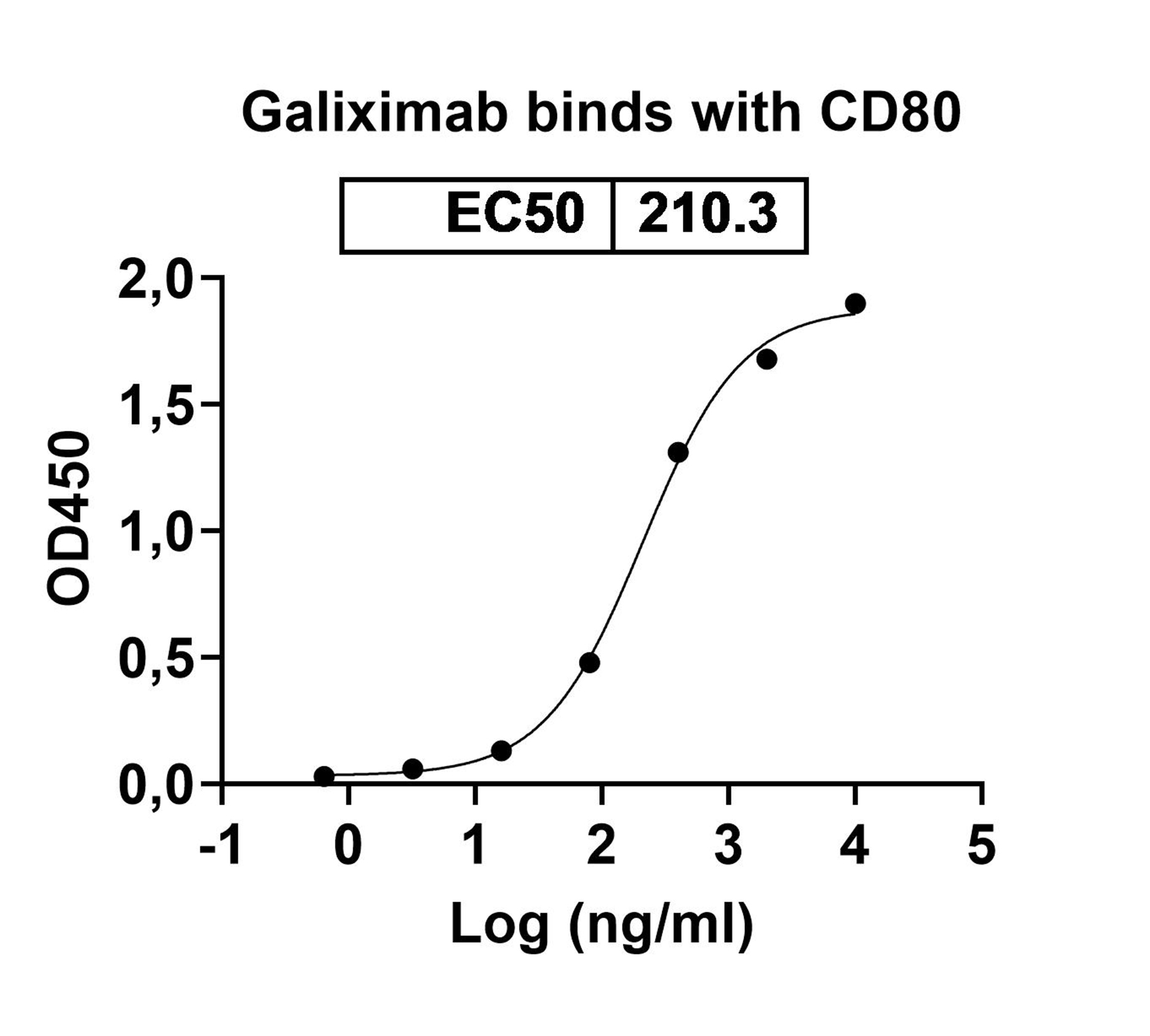
Galiximab biosimilar works by binding to CD80 on the surface of immune cells, specifically T cells and B cells. This binding prevents the interaction of CD80 with its receptor, CD28, which is found on the surface of T cells. This interaction is crucial for T cell activation and proliferation. By blocking this interaction, Galiximab biosimilar inhibits the immune response, making it a potential therapeutic agent for diseases characterized by an overactive immune system.
Applications of Galiximab Biosimilar
Galiximab biosimilar has been studied for its potential use in various diseases, including autoimmune disorders, transplant rejection, and cancer. In autoimmune disorders, such as rheumatoid arthritis and psoriasis, the immune system attacks healthy tissues, leading to chronic inflammation and tissue damage. By inhibiting the immune response, Galiximab biosimilar may help reduce the symptoms and progression of these diseases.
In transplant rejection, Galiximab biosimilar may be used to prevent the rejection of transplanted organs. When an organ is transplanted, the recipient’s immune system recognizes it as foreign and mounts an immune response to reject it. By blocking the interaction of CD80 with CD28, Galiximab biosimilar can prevent the activation of T cells and reduce the risk of rejection.
Galiximab biosimilar is also being studied as a potential treatment for various types of cancer. CD80 is overexpressed on the surface of cancer cells, and this overexpression has been linked to tumor growth and progression. By targeting CD80, Galiximab biosimilar may inhibit the growth and spread of cancer cells. It may also enhance the effects of other cancer treatments, such as chemotherapy and radiation therapy, by modulating the immune response.
Conclusion
Galiximab biosimilar is a research grade monoclonal antibody that targets CD80, a protein involved in regulating the immune response. Its structure, activity, and potential applications make it a promising therapeutic agent for various diseases, including autoimmune disorders, transplant rejection, and cancer. Further research and clinical trials are needed to fully understand the potential of Galiximab biosimilar and its role in the treatment of these diseases.



There are no reviews yet.