Introduction
Finotonlimab Biosimilar, also known as Anti-PDCD1 mAb, is a monoclonal antibody that has been developed as a biosimilar to the well-known therapeutic antibody, Pembrolizumab. It works by targeting and inhibiting the programmed cell death protein 1 (PD-1) receptor, which is found on the surface of immune cells. This makes Finotonlimab Biosimilar a promising therapeutic option for various types of cancer and autoimmune diseases.
Structure of Finotonlimab Biosimilar
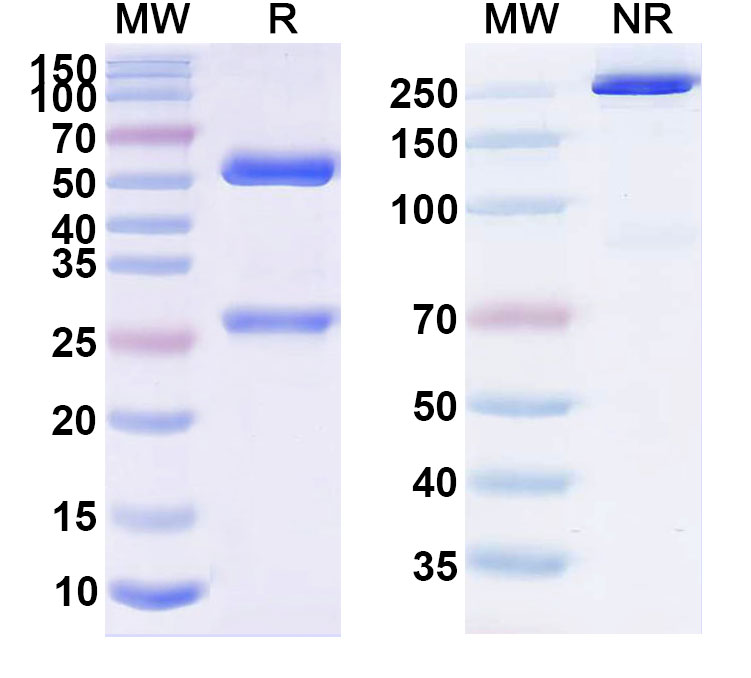
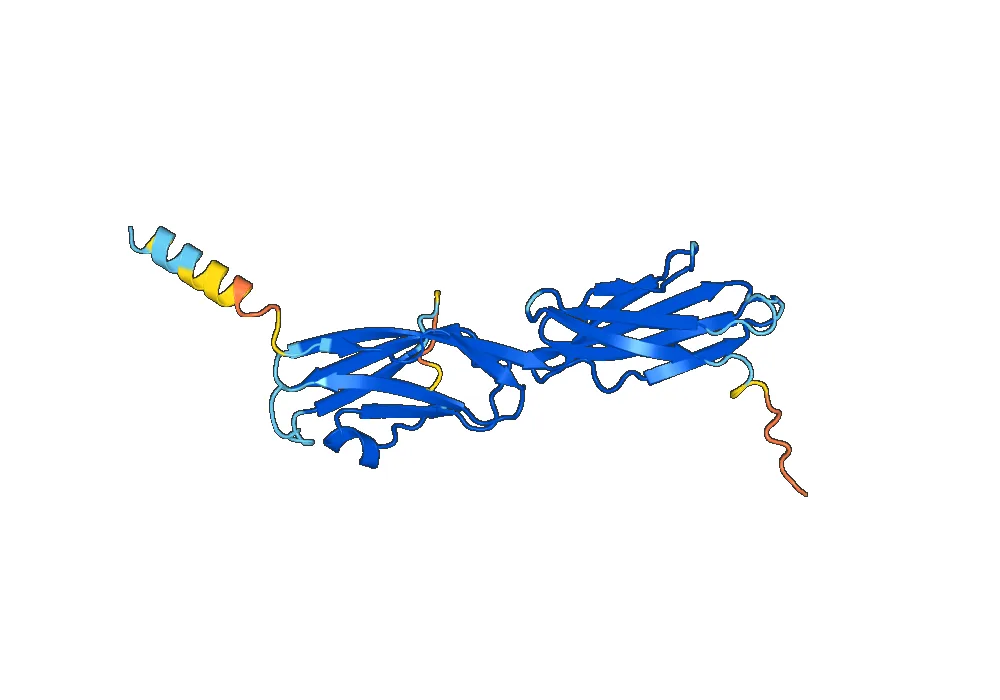
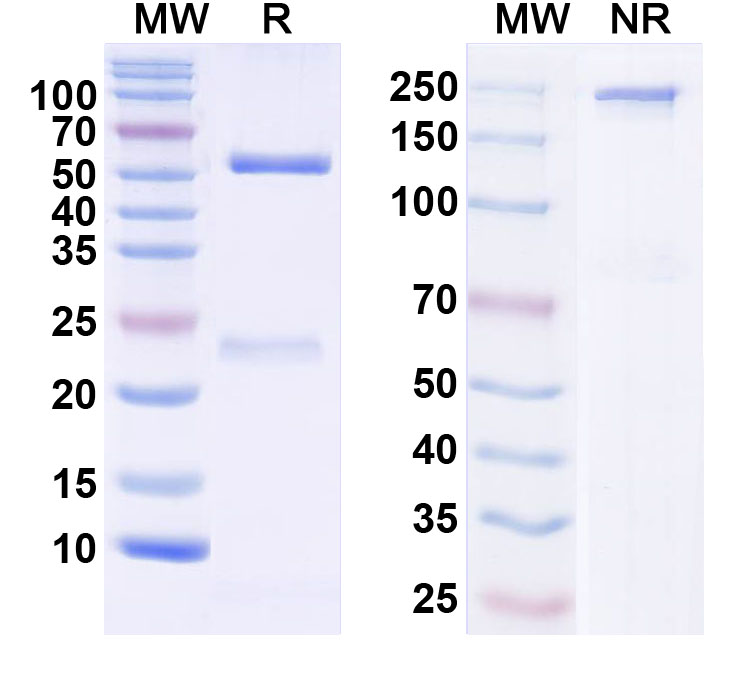
Finotonlimab Biosimilar is a recombinant humanized IgG4 monoclonal antibody. It is composed of two heavy chains and two light chains, which are connected by disulfide bonds. The antibody has a molecular weight of approximately 149 kDa and a half-life of approximately 26 days in humans.
The variable region of Finotonlimab Biosimilar is derived from the murine antibody, while the constant region is humanized to reduce the risk of immunogenicity. This allows for a high affinity and specificity for the PD-1 receptor, while also minimizing potential side effects.
Mechanism of Action
Finotonlimab Biosimilar works by binding to the PD-1 receptor on the surface of immune cells, including T cells and natural killer cells. This receptor is responsible for regulating the immune response by suppressing the activity of these cells. However, in cancer and autoimmune diseases, the PD-1 receptor is often overexpressed, leading to an impaired immune response.
By binding to the PD-1 receptor, Finotonlimab Biosimilar blocks its interaction with its ligands, PD-L1 and PD-L2, which are expressed on tumor cells and other cells in the body. This prevents the inhibitory signal from being transmitted, allowing the immune cells to become activated and attack the cancer cells or target the autoimmune cells.
Therapeutic Applications
Finotonlimab Biosimilar has shown promising results in clinical trials for various types of cancer, including melanoma, non-small cell lung cancer, and Hodgkin lymphoma. It has also been investigated for its potential in treating autoimmune diseases such as rheumatoid arthritis and multiple sclerosis.
In cancer treatment, Finotonlimab Biosimilar is often used in combination with other therapies, such as chemotherapy or other immune checkpoint inhibitors, to enhance the immune response and improve overall treatment outcomes. In autoimmune diseases, it is used as a monotherapy to suppress the overactive immune response.
Research Grade Antibody
Finotonlimab Biosimilar is also available as a research grade antibody for use in various scientific studies and experiments. It is produced using the same high-quality manufacturing process as the therapeutic antibody, ensuring consistency and reliability in research results.
As a research grade antibody, Finotonlimab Biosimilar can be used in in vitro and in vivo studies to further understand its mechanism of action and potential therapeutic applications. It can also be used as a positive control in various assays and experiments.
Conclusion
Finotonlimab Biosimilar, also known as Anti-PDCD1 mAb, is a promising therapeutic option for various types of cancer and autoimmune diseases. Its high affinity and specificity for the PD-1 receptor, along with its favorable safety profile, make it a valuable addition to the current treatment options. As a research grade antibody, it also serves as a valuable tool for further scientific research and advancements in the field of immunotherapy.


There are no reviews yet.