Introduction to Sabatolimab Biosimilar – Anti-HAVCR2 mAb
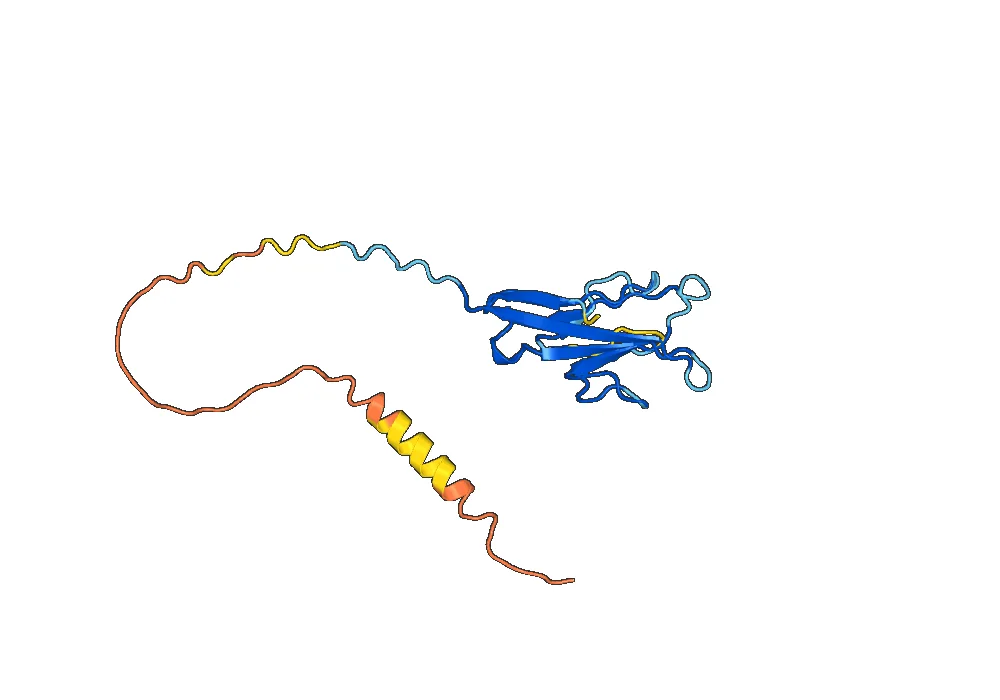
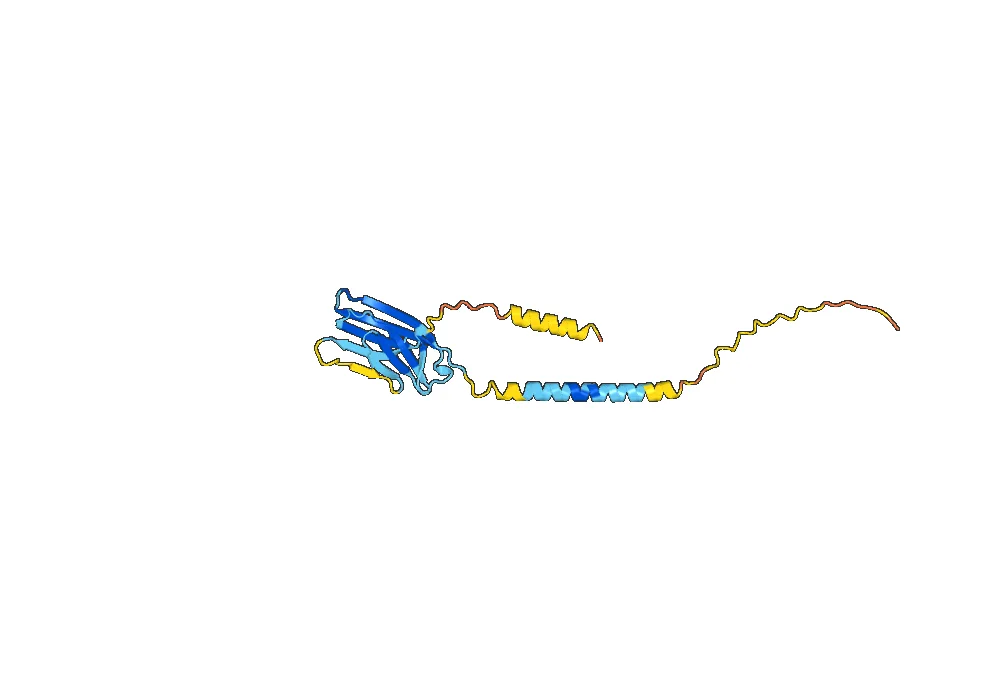
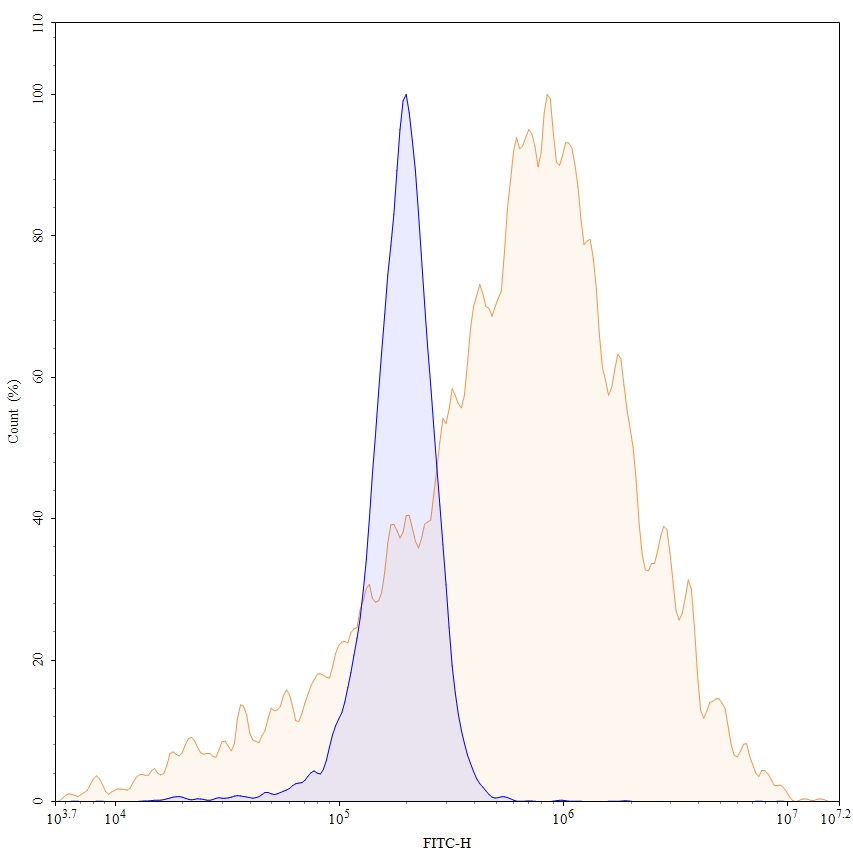
Sabatolimab Biosimilar is a monoclonal antibody (mAb) that targets the human HAVCR2 protein, also known as Tim-3. This protein is a type I transmembrane glycoprotein that is expressed on the surface of immune cells, including T cells, B cells, and natural killer cells. Sabatolimab Biosimilar is a research grade antibody that is being developed as a potential therapeutic agent for a variety of diseases, including cancer and autoimmune disorders.
Structure of Sabatolimab Biosimilar
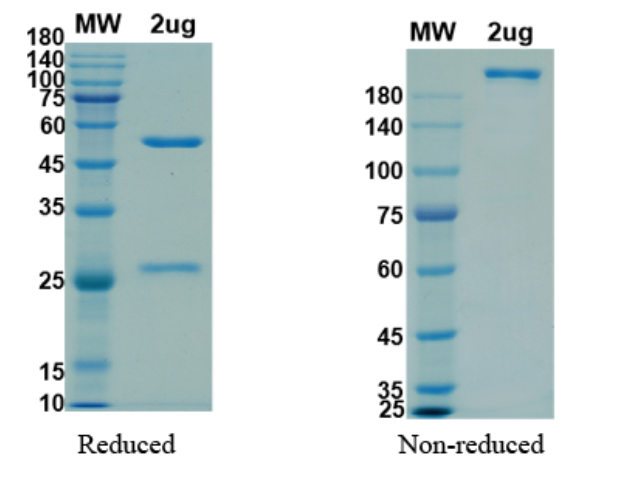
Sabatolimab Biosimilar is a fully humanized IgG1 monoclonal antibody that has been engineered to specifically bind to the extracellular domain of HAVCR2. It is composed of two heavy chains and two light chains, each containing variable and constant regions. The variable regions of Sabatolimab Biosimilar are responsible for its binding specificity, while the constant regions determine its effector functions.
Activity of Sabatolimab Biosimilar
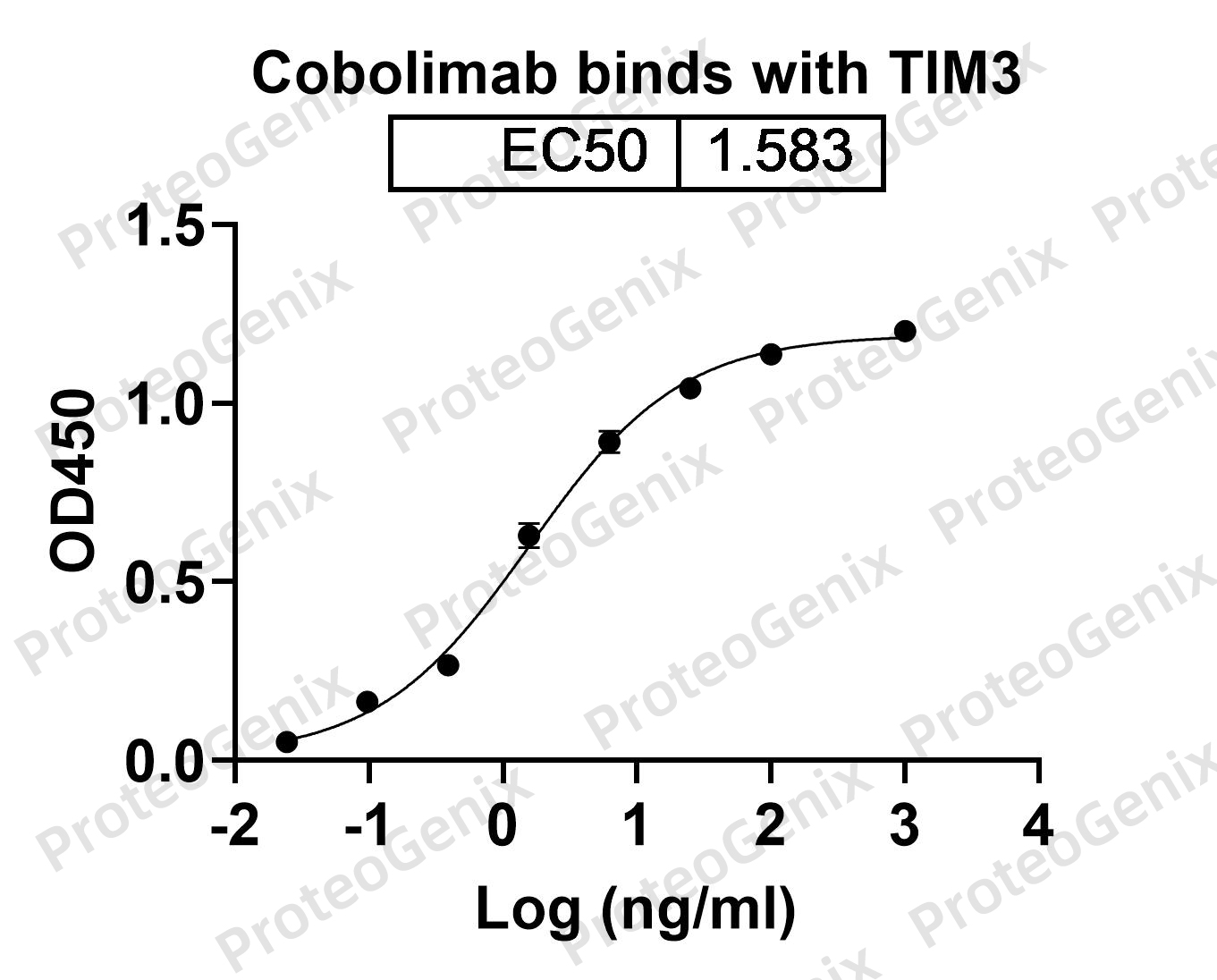
Sabatolimab Biosimilar works by binding to HAVCR2 on the surface of immune cells, blocking its interaction with its ligand, galectin-9. This interaction between HAVCR2 and galectin-9 plays a role in regulating immune responses, and by blocking it, Sabatolimab Biosimilar may modulate immune activity. Additionally, Sabatolimab Biosimilar may also induce antibody-dependent cellular cytotoxicity (ADCC) and complement-dependent cytotoxicity (CDC), leading to the destruction of cells expressing HAVCR2.
Applications of Sabatolimab Biosimilar
The potential therapeutic applications of Sabatolimab Biosimilar are vast, as HAVCR2 has been implicated in a variety of diseases. In cancer, HAVCR2 has been shown to promote tumor growth and suppress anti-tumor immune responses. By targeting HAVCR2, Sabatolimab Biosimilar may inhibit tumor growth and enhance anti-tumor immunity. Clinical trials are currently underway to evaluate the efficacy of Sabatolimab Biosimilar in various types of cancer, including melanoma, non-small cell lung cancer, and head and neck squamous cell carcinoma.
In addition to cancer, Sabatolimab Biosimilar may also have potential applications in autoimmune disorders. HAVCR2 has been found to be upregulated in autoimmune diseases such as multiple sclerosis, rheumatoid arthritis, and systemic lupus erythematosus. By blocking HAVCR2, Sabatolimab Biosimilar may reduce inflammation and modulate the immune response, potentially providing a new treatment option for these diseases.
Conclusion
Sabatolimab Biosimilar is a promising research grade monoclonal antibody that specifically targets HAVCR2. Its unique mechanism of action, which includes blocking the interaction between HAVCR2 and galectin-9 and inducing cytotoxicity, makes it a potential therapeutic agent for a variety of diseases. With ongoing clinical trials, Sabatolimab Biosimilar may soon become a valuable addition to the arsenal of treatments for cancer and autoimmune disorders.


There are no reviews yet.