Introduction to Recombinant Human SIRT6
Recombinant Human SIRT6 (rSIRT6) is a protein that has been genetically engineered to mimic the function of the naturally occurring human protein SIRT6. SIRT6 is a member of the sirtuin family of proteins, which are involved in regulating various cellular processes such as metabolism, DNA repair, and aging. rSIRT6 has gained significant attention in the scientific community due to its potential therapeutic applications in various diseases.
Structure of Recombinant Human SIRT6
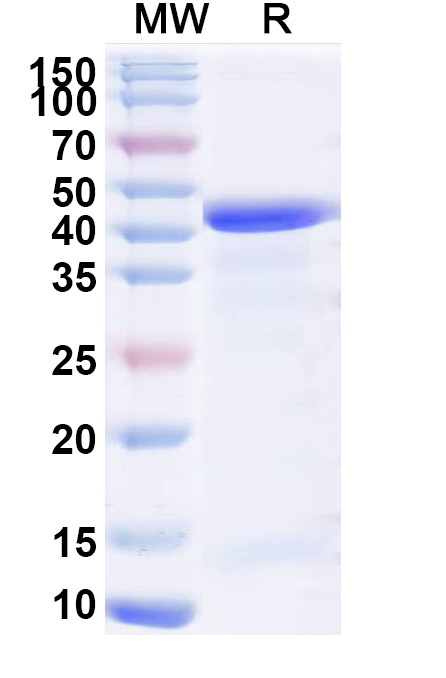
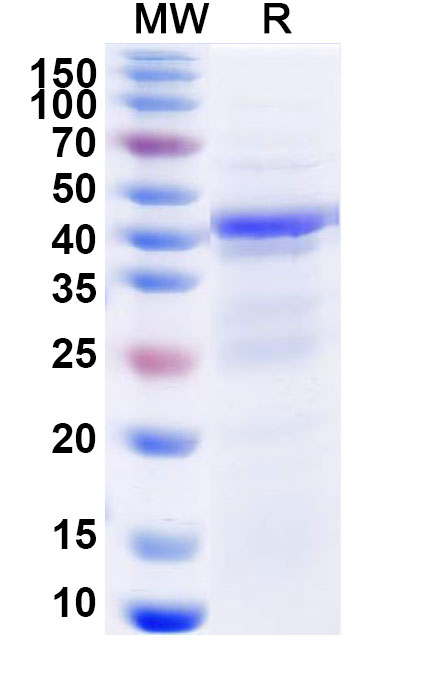
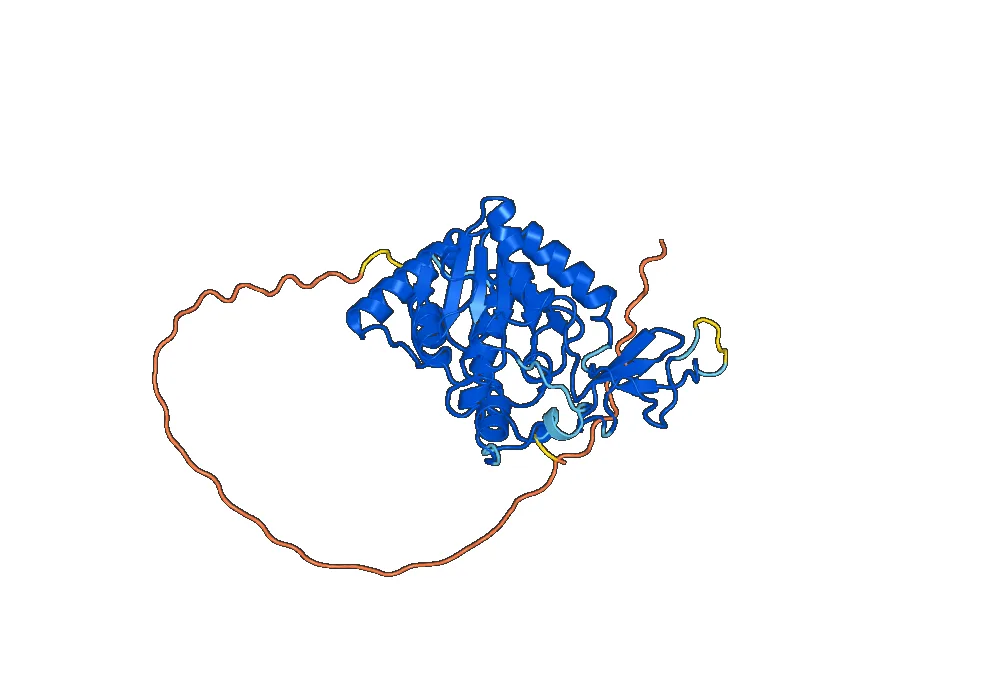
rSIRT6 is a 39-kDa protein composed of 355 amino acids. It shares a high degree of structural similarity with the human SIRT6 protein, with 94% sequence identity. The protein contains a conserved catalytic domain, which is responsible for its enzymatic activity, and a C-terminal domain, which is involved in protein-protein interactions. The structural similarity of rSIRT6 with its natural counterpart makes it an ideal candidate for therapeutic interventions.
Activity of Recombinant Human SIRT6
SIRT6 is a NAD+-dependent deacylase enzyme, which means it requires the coenzyme NAD+ to function. It plays a crucial role in maintaining cellular homeostasis by regulating various metabolic pathways. The primary function of SIRT6 is to remove acyl groups from lysine residues of target proteins, thereby modulating their activity. It has been shown to deacetylate histone H3, a process that is essential for maintaining chromatin structure and gene expression. SIRT6 also regulates glucose metabolism by deacetylating key enzymes involved in glycolysis and gluconeogenesis. Additionally, it has been reported to play a role in DNA repair, telomere maintenance, and stress response.
Application of Recombinant Human SIRT6
Due to its diverse range of activities, rSIRT6 has shown potential therapeutic applications in various diseases. One of the most promising areas of research is its role in metabolic disorders. Studies have shown that rSIRT6 can improve glucose homeostasis and insulin sensitivity in animal models of type 2 diabetes. This has sparked interest in developing rSIRT6-based therapies for the treatment of diabetes and other metabolic disorders.
Another potential application of rSIRT6 is in cancer treatment. SIRT6 has been shown to have tumor-suppressive properties by inhibiting the growth of cancer cells. rSIRT6 has been used in preclinical studies to inhibit the growth of various types of cancer cells, including breast, lung, and colon cancer. It has also been reported to sensitize cancer cells to chemotherapy, making it a promising adjuvant therapy for cancer treatment.
Furthermore, rSIRT6 has shown potential in treating neurodegenerative diseases such as Alzheimer’s and Parkinson’s. SIRT6 has been shown to protect neurons from oxidative stress and neuroinflammation, which are key contributors to these diseases. Preclinical studies have demonstrated that rSIRT6 can improve cognitive function and reduce neuroinflammation in animal models of Alzheimer’s disease.
In addition to these applications, rSIRT6 has also been studied for its potential in cardiovascular diseases, liver diseases, and aging. Its role in regulating cellular processes involved in these diseases makes it a promising candidate for future therapeutic interventions.
Conclusion
Recombinant Human SIRT6 is a genetically engineered protein that mimics the function of the natural human protein SIRT6. Its structural similarity and diverse range of activities make it a promising candidate for therapeutic interventions in various diseases. Further research and clinical trials are needed to fully understand the potential of rSIRT6 in treating these diseases and to develop effective therapies.

There are no reviews yet.