Introduction to Recombinant Human GOLM1
Recombinant Human GOLM1, also known as Golgi membrane protein 1, is a protein that plays a crucial role in the functioning of the Golgi apparatus, a cellular organelle responsible for protein modification and transport. This protein is encoded by the GOLM1 gene and is found in various tissues, including the liver, pancreas, and brain.
Structure of Recombinant Human GOLM1
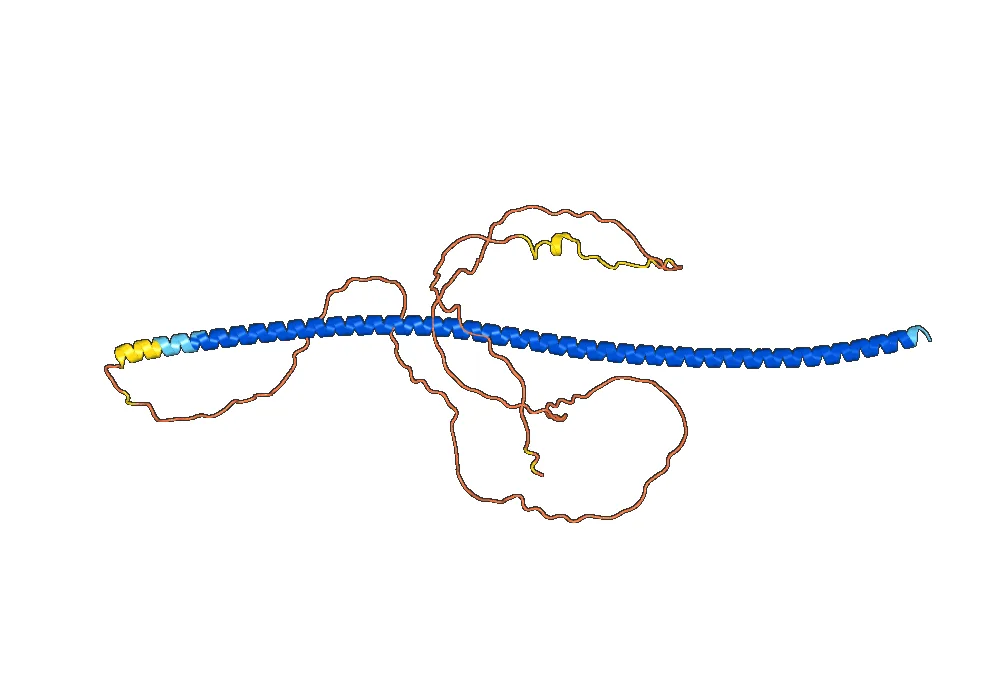
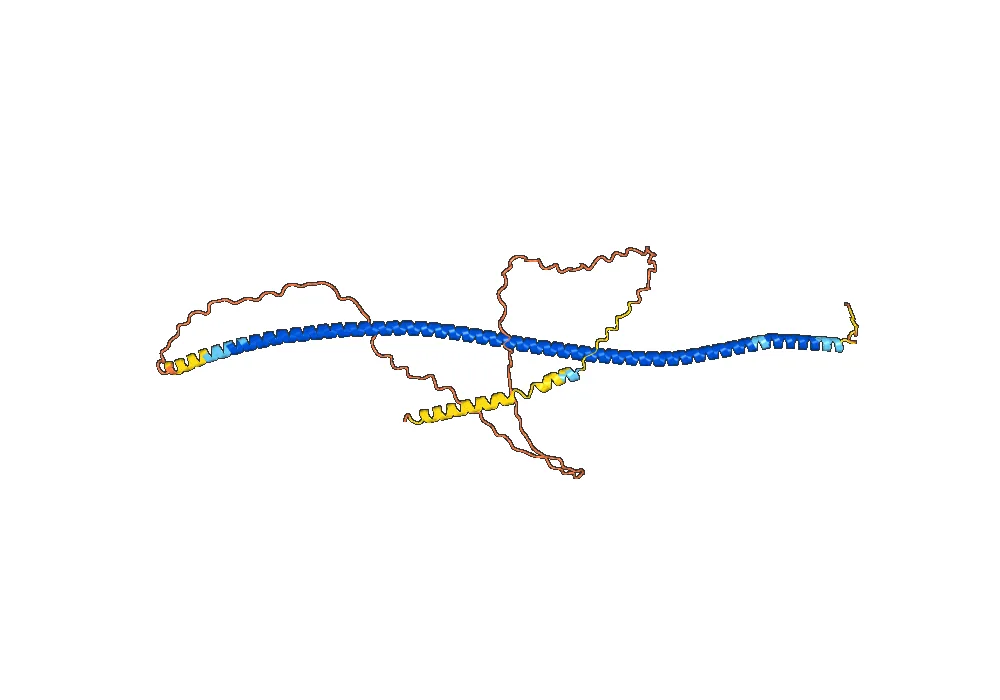
Recombinant Human GOLM1 is a glycoprotein with a molecular weight of approximately 55 kDa. It is composed of 433 amino acids and has a single transmembrane domain. The protein has a highly conserved N-terminal domain, which contains a coiled-coil region that is responsible for protein-protein interactions. The C-terminal domain of Recombinant Human GOLM1 is rich in serine and threonine residues, suggesting a potential role in post-translational modifications.
Activity of Recombinant Human GOLM1
Recombinant Human GOLM1 is primarily involved in protein trafficking and sorting within the Golgi apparatus. It is also known to interact with various proteins involved in membrane trafficking, such as Rab proteins and SNAREs. Additionally, Recombinant Human GOLM1 has been shown to play a role in the regulation of autophagy, a cellular process responsible for the degradation of damaged or unwanted proteins.
Studies have also suggested that Recombinant Human GOLM1 may have a role in cancer progression. It has been found to be overexpressed in various types of cancer, including liver, pancreatic, and breast cancer. This overexpression has been linked to increased cell proliferation, migration, and invasion, suggesting a potential oncogenic role for this protein.
Applications of Recombinant Human GOLM1
The use of Recombinant Human GOLM1 in research and biotechnology has been steadily increasing due to its diverse functions and potential applications. Some of the key applications of this protein are:
Recombinant Protein Production
Recombinant Human GOLM1 can be produced in large quantities using recombinant DNA technology. This allows for the production of pure and highly active protein, which can be used in various biochemical and biophysical studies.
Antigen for Antibody Production
Recombinant Human GOLM1 has been identified as a potential antigen for the production of antibodies. Antibodies against this protein can be used in various diagnostic and research applications, including the detection of cancer biomarkers.
Cancer Research
As mentioned earlier, Recombinant Human GOLM1 has been linked to cancer progression and is overexpressed in various types of cancer. Therefore, it can serve as a potential target for cancer therapy and can also be used for studying the mechanisms of cancer development.
Drug Development
The involvement of Recombinant Human GOLM1 in various cellular processes, including autophagy and protein trafficking, makes it a potential target for drug development. Inhibitors of this protein could potentially be used as therapeutic agents for diseases such as cancer and neurodegenerative disorders.
Biomarker for Disease Diagnosis
The overexpression of Recombinant Human GOLM1 in cancer and its potential role in other diseases make it a promising biomarker for disease diagnosis. Detection of this protein in bodily fluids, such as blood or urine, could aid in the early detection and diagnosis of diseases.
Conclusion
In summary, Recombinant Human GOLM1 is a protein with a crucial role in the functioning of the Golgi apparatus and has potential applications in various fields, including cancer research, drug development, and disease diagnosis. Further studies on this protein could provide valuable insights into its functions and potential therapeutic applications.

There are no reviews yet.