Introduction to Recombinant Human FGFRL1
Recombinant Human FGFRL1, also known as Fibroblast Growth Factor Receptor-like 1, is a protein that plays an important role in cell growth, development, and tissue repair. It belongs to the fibroblast growth factor (FGF) receptor family and is a member of the immunoglobulin superfamily. FGFRL1 is expressed in a variety of tissues, including the heart, brain, lung, and skeletal muscle.
Structure of Recombinant Human FGFRL1
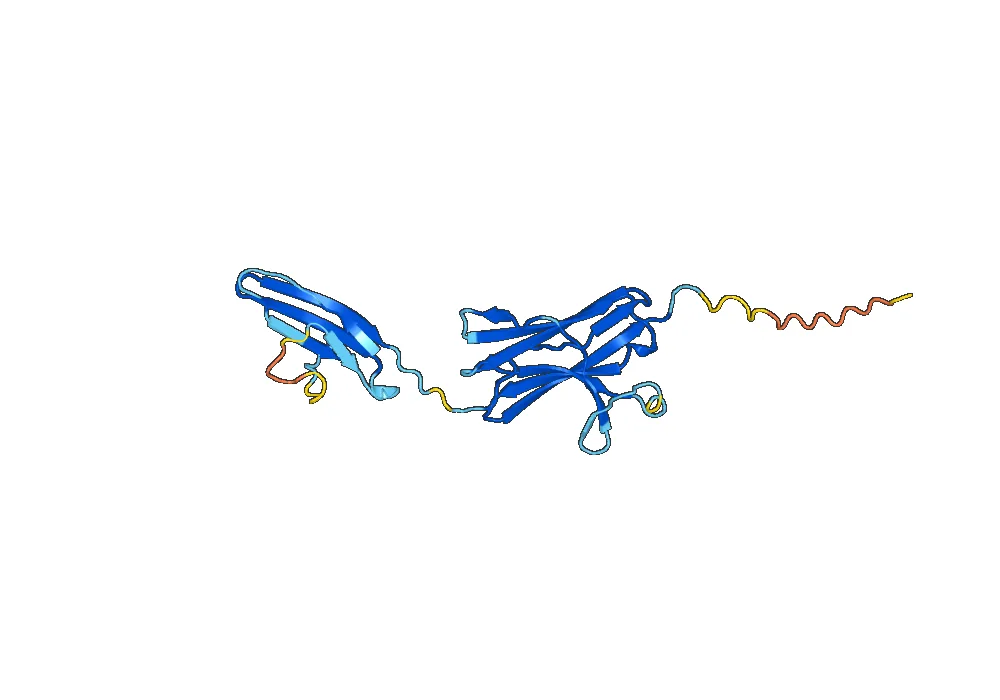
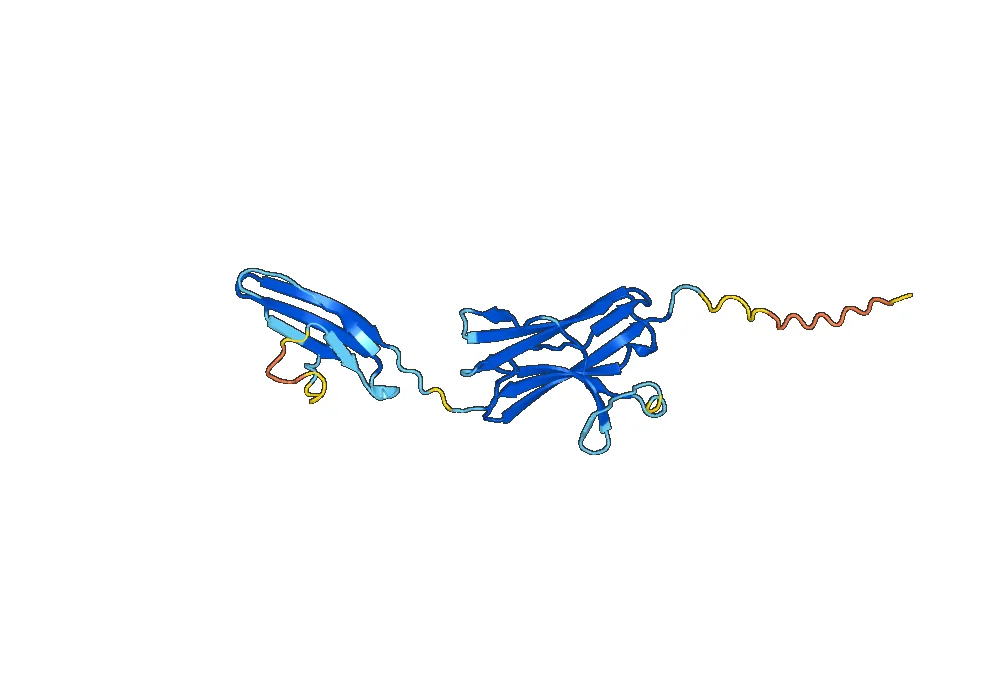
Recombinant Human FGFRL1 is a 343-amino acid protein with a molecular weight of approximately 38 kDa. It consists of an extracellular domain, a transmembrane domain, and an intracellular domain. The extracellular domain contains three immunoglobulin-like domains, which are responsible for binding to FGF ligands. The transmembrane domain anchors the protein to the cell membrane, while the intracellular domain contains the tyrosine kinase activity necessary for signal transduction.
Recombinant Human FGFRL1 is produced through recombinant DNA technology, where the gene encoding FGFRL1 is inserted into a host cell, such as E. coli or Chinese hamster ovary (CHO) cells, to produce large quantities of the protein. This allows for the production of highly pure and biologically active FGFRL1 for use in various research and therapeutic applications.
Activity of Recombinant Human FGFRL1
The primary function of FGFRL1 is to act as a receptor for FGF ligands. FGFs are a family of growth factors that play critical roles in cell proliferation, differentiation, and survival. FGFRL1 specifically binds to FGF1, FGF2, and FGF9, and has been shown to enhance their signaling activity. This suggests that FGFRL1 may act as a co-receptor for these FGFs, increasing their potency and specificity.
In addition to its role in FGF signaling, FGFRL1 has also been implicated in other cellular processes. It has been shown to regulate cell migration, adhesion, and differentiation, as well as play a role in tissue repair and wound healing. FGFRL1 has also been linked to cancer progression, with studies showing its involvement in tumor growth and metastasis.
Application of Recombinant Human FGFRL1
Recombinant Human FGFRL1 has a wide range of applications in both research and therapeutics. In research, it is commonly used as a tool to study FGF signaling and its role in various cellular processes. FGFRL1 is also being investigated as a potential therapeutic target for diseases such as cancer and cardiovascular disorders.
One of the most promising applications of Recombinant Human FGFRL1 is in tissue engineering and regenerative medicine. FGFRL1 has been shown to promote tissue repair and regeneration, making it a potential candidate for the development of novel treatments for tissue injuries and diseases. It has also been shown to enhance the differentiation of stem cells into various cell types, making it a valuable tool in stem cell research and therapy.
Furthermore, Recombinant Human FGFRL1 has potential applications in the development of diagnostic assays for various diseases. Its role in cancer progression and metastasis makes it a potential biomarker for cancer diagnosis and prognosis.
Conclusion
In summary, Recombinant Human FGFRL1 is a biologically active protein with a crucial role in FGF signaling and various cellular processes. Its structure and activity make it a valuable tool for research and a potential therapeutic target for various diseases. With ongoing research and development, Recombinant Human FGFRL1 holds great promise for future advancements in medicine and biotechnology.

There are no reviews yet.