Introduction
Recombinant Human FETUB, also known as Fetuin-B, is a glycoprotein that is encoded by the FETUB gene. It is a member of the fetuin family of proteins and is highly expressed in the liver and placenta. Recombinant Human FETUB is produced through genetic engineering techniques, making it a highly purified and consistent protein for use in various research and medical applications.
Structure of Recombinant Human FETUB
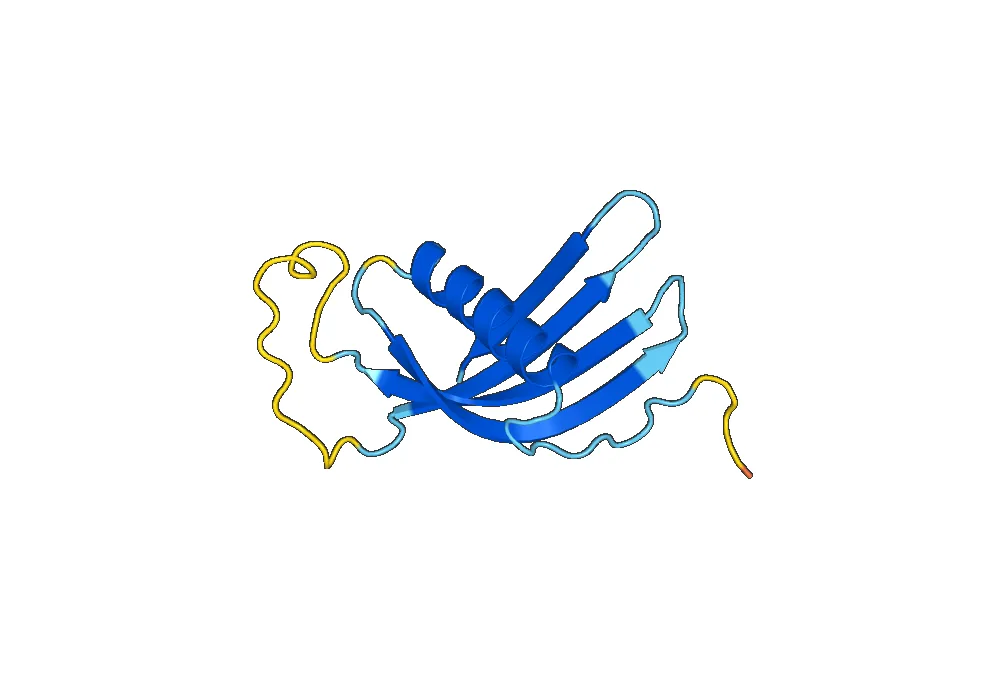
Recombinant Human FETUB is composed of 367 amino acids and has a molecular weight of approximately 42 kDa. It is a single-chain protein with a complex three-dimensional structure. The protein contains several domains, including a signal peptide, a cystatin-like domain, and a fetuin-A domain. The cystatin-like domain is responsible for inhibiting cysteine proteases, while the fetuin-A domain is involved in calcium binding and regulating bone mineralization.
Activity of Recombinant Human FETUB
Recombinant Human FETUB has been shown to have multiple biological activities, including regulating bone mineralization, inhibiting cysteine proteases, and modulating insulin sensitivity. It has also been found to play a role in inflammation and lipid metabolism. The protein has been shown to interact with various receptors, including the receptor for advanced glycation end products (RAGE) and the low-density lipoprotein receptor-related protein 1 (LRP1).
One of the key activities of Recombinant Human FETUB is its role in regulating bone mineralization. Studies have shown that FETUB-deficient mice have reduced bone mineral density and increased bone resorption, indicating the importance of this protein in maintaining bone health. It has also been found to play a role in insulin resistance and obesity, with higher levels of FETUB being associated with increased insulin resistance and adiposity.
Application of Recombinant Human FETUB
Recombinant Human FETUB has various applications in both research and medical fields. Its ability to regulate bone mineralization makes it a valuable tool in studying bone diseases such as osteoporosis and osteoarthritis. It is also being investigated as a potential biomarker for bone-related disorders.
In the medical field, Recombinant Human FETUB has shown promise as a therapeutic target for various diseases. Its role in insulin resistance and obesity makes it a potential target for treating metabolic disorders. It has also been found to play a role in cardiovascular diseases, with higher levels of FETUB being associated with increased risk of coronary artery disease. Therefore, targeting FETUB could potentially be a new approach for preventing and treating these conditions.
Moreover, Recombinant Human FETUB has been used in diagnostic assays for various diseases. Its interaction with RAGE and LRP1 receptors has made it a potential biomarker for cardiovascular diseases, diabetes, and cancer. The protein has also been used in immunoassays to detect the presence of FETUB in biological samples, providing a non-invasive and sensitive method for disease diagnosis.
Conclusion
In summary, Recombinant Human FETUB is a highly purified and consistent protein with various biological activities. Its structure and function make it a valuable tool for studying bone diseases and metabolic disorders, as well as a potential therapeutic target for these conditions. Its potential as a biomarker also opens up possibilities for its use in disease diagnosis. Further research and development of Recombinant Human FETUB could lead to new insights and treatments for various diseases.

There are no reviews yet.