Introduction to Recombinant Human DEFB119
Recombinant Human DEFB119, also known as human beta-defensin 119, is a small protein that belongs to the defensin family. Defensins are a class of antimicrobial peptides that are produced by various cells in the human body, including epithelial cells, neutrophils, and macrophages. These peptides play a crucial role in the innate immune system by providing protection against a wide range of pathogens, including bacteria, viruses, and fungi.
Structure of Recombinant Human DEFB119
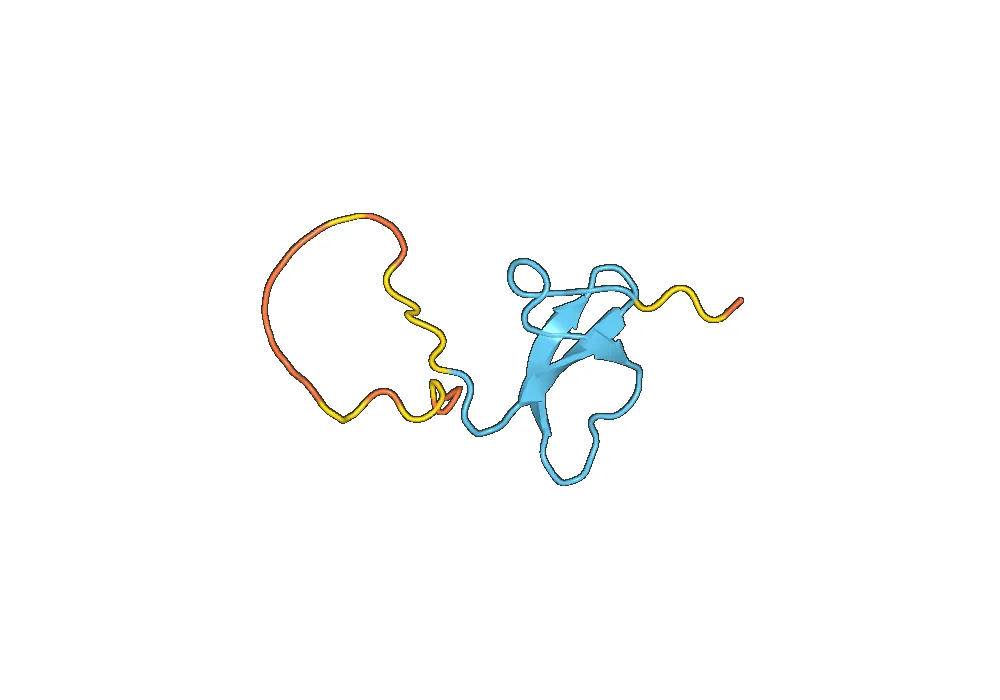
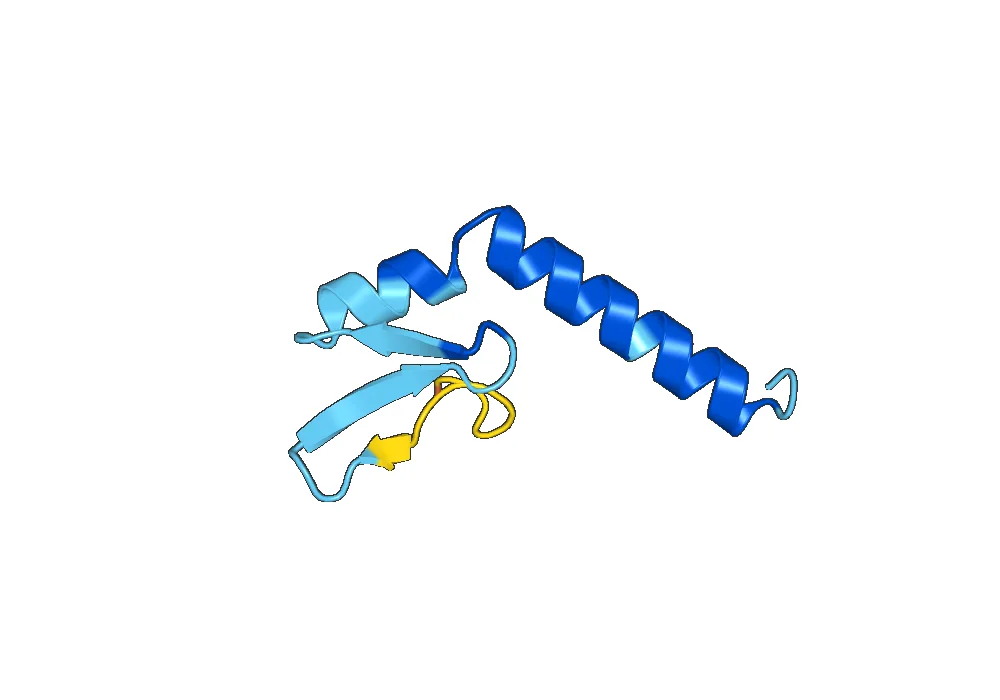
Recombinant Human DEFB119 is a 39 amino acid protein with a molecular weight of approximately 4.4 kDa. It is composed of a β-sheet structure, with three disulfide bonds that help maintain its stability. The three-dimensional structure of DEFB119 is similar to other defensins, with a characteristic α-helix and β-sheet motif. This unique structure allows DEFB119 to interact with the bacterial cell membrane, disrupting its integrity and leading to cell death.
Activity of Recombinant Human DEFB119
Recombinant Human DEFB119 has broad-spectrum antimicrobial activity against both Gram-positive and Gram-negative bacteria, as well as certain viruses and fungi. It exerts its antimicrobial effects by disrupting the integrity of the bacterial cell membrane, causing leakage of intracellular contents and ultimately leading to cell death. In addition to its antimicrobial activity, DEFB119 also has immunomodulatory properties. It can stimulate the production of pro-inflammatory cytokines and chemokines, which play a crucial role in the recruitment and activation of immune cells.
Application of Recombinant Human DEFB119
The antimicrobial and immunomodulatory properties of Recombinant Human DEFB119 make it a promising candidate for various therapeutic applications. One of the most significant applications of DEFB119 is in the treatment of bacterial infections. Its broad-spectrum activity and low potential for developing resistance make it a valuable alternative to conventional antibiotics. DEFB119 has also shown promising results in the treatment of viral infections, including herpes simplex virus and influenza virus. Its ability to stimulate the production of pro-inflammatory cytokines and chemokines makes it a potential adjuvant in vaccine development.
Apart from its antimicrobial activity, DEFB119 has also shown potential in the treatment of inflammatory conditions. Studies have shown that it can inhibit the production of pro-inflammatory cytokines and reduce inflammation in animal models of inflammatory diseases, such as colitis and psoriasis. This makes DEFB119 a potential therapeutic option for these diseases in the future.
In addition to its therapeutic applications, Recombinant Human DEFB119 also has potential diagnostic applications. It can be used as a biomarker for certain diseases, as its levels have been found to be elevated in conditions such as inflammatory bowel disease and psoriasis. Measuring DEFB119 levels can aid in the diagnosis and monitoring of these diseases.
Conclusion
In summary, Recombinant Human DEFB119 is a small protein with potent antimicrobial and immunomodulatory properties. Its unique structure and activity make it a promising candidate for various therapeutic applications, including the treatment of bacterial and viral infections, inflammatory diseases, and as a potential adjuvant in vaccine development. Further research and clinical trials are needed to fully explore the potential of DEFB119 in these applications.




There are no reviews yet.