Introduction to Recombinant Human DARS2 Protein
Recombinant Human DARS2 Protein, also known as Aspartyl-tRNA synthetase 2, is a highly conserved enzyme that plays a crucial role in protein synthesis. This protein is encoded by the DARS2 gene and is found in both the cytoplasm and mitochondria of cells. It is involved in the process of attaching the amino acid aspartate to its corresponding transfer RNA (tRNA) molecule, which is essential for the accurate translation of genetic information into proteins.
Structure of Recombinant Human DARS2 Protein
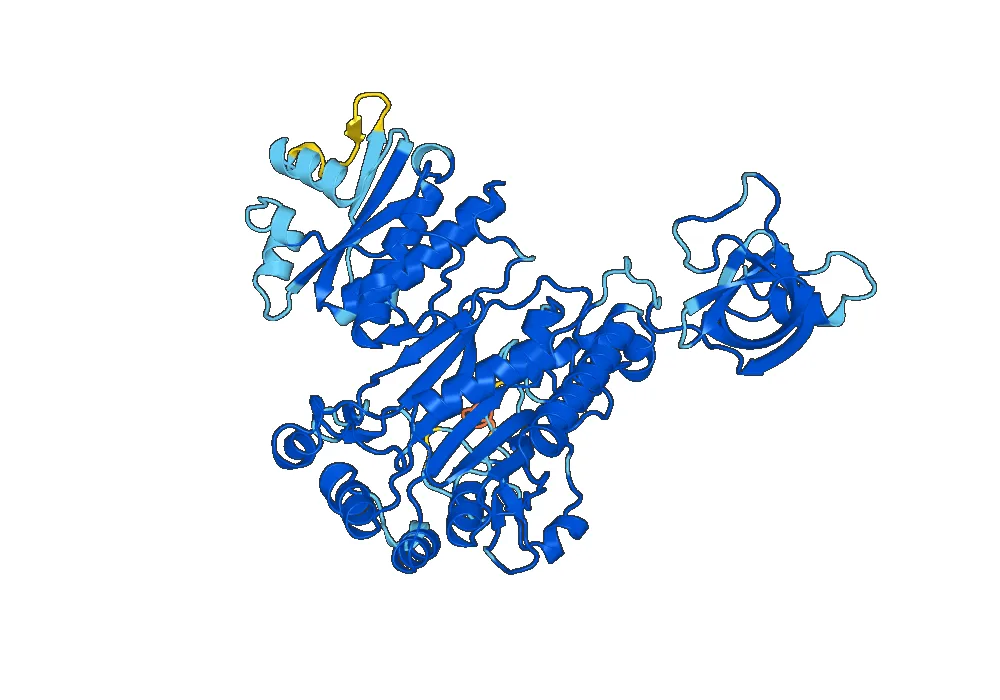
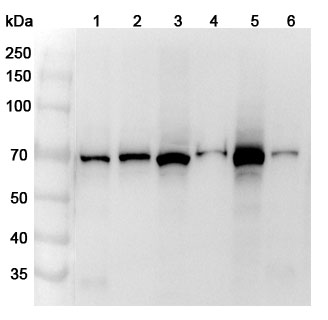
The Recombinant Human DARS2 Protein is a 56 kDa protein consisting of 500 amino acids. It contains a highly conserved catalytic domain, which is responsible for attaching aspartate to tRNA, and a tRNA anticodon recognition domain, which ensures the specificity of the amino acid-tRNA pairing. The protein also has a C-terminal domain that is involved in the interaction with other proteins and regulatory factors.
The structure of Recombinant Human DARS2 Protein is similar to other aspartyl-tRNA synthetases found in both prokaryotic and eukaryotic organisms, with a characteristic Rossman fold and three conserved motifs. These motifs are essential for the binding of ATP, aspartate, and tRNA, respectively, and are critical for the catalytic activity of the enzyme.
Activity of Recombinant Human DARS2 Protein
The primary function of Recombinant Human DARS2 Protein is to catalyze the formation of aspartyl-tRNA, which is a crucial step in protein synthesis. This process involves the activation of aspartate, an amino acid, by attaching it to its corresponding tRNA molecule, which carries the genetic code for aspartate. This reaction is powered by the hydrolysis of ATP, which provides the necessary energy for the attachment of aspartate to tRNA.
In addition to its role in protein synthesis, Recombinant Human DARS2 Protein has been found to have other activities. It has been shown to have a protective effect against oxidative stress, which is a common cause of cell damage and aging. The protein has also been linked to the regulation of mitochondrial function and energy metabolism, making it an essential player in cellular homeostasis.
Applications of Recombinant Human DARS2 Protein
The production of Recombinant Human DARS2 Protein has numerous applications in both research and industrial settings. One of the primary uses of this protein is in the study of protein synthesis and translation. Its high specificity and activity make it a valuable tool for investigating the mechanisms of translation and the role of aspartyl-tRNA synthetase in this process.
Recombinant Human DARS2 Protein is also used in the development of diagnostic tests and vaccines. It can be used as an antigen in immunoassays to detect the presence of antibodies against the protein, which can be indicative of certain diseases or conditions. Additionally, the protein has shown potential as a vaccine candidate, as it can elicit an immune response and protect against oxidative stress and mitochondrial dysfunction.
Furthermore, Recombinant Human DARS2 Protein has potential therapeutic applications. Mutations in the DARS2 gene have been linked to neurological disorders such as leukoencephalopathy and Charcot-Marie-Tooth disease. The use of recombinant protein therapy, where the defective protein is replaced with a functional one, has shown promising results in treating these conditions.
Conclusion
Recombinant Human DARS2 Protein is a critical enzyme involved in protein synthesis and other cellular processes. Its structure, activity, and applications make it a valuable tool in scientific research and have potential therapeutic implications. Further studies on this protein and its role in cellular function may lead to a better understanding of its function and the development of novel treatments for various diseases and
There are no reviews yet.