Introduction
Recombinant proteins have become essential tools in various fields of research, diagnostics, and therapeutics. One such protein is ABCF1, a member of the ATP-binding cassette (ABC) superfamily. In this article, we will explore the structure, activity, and applications of recombinant human ABCF1.
Structure of Recombinant Human ABCF1
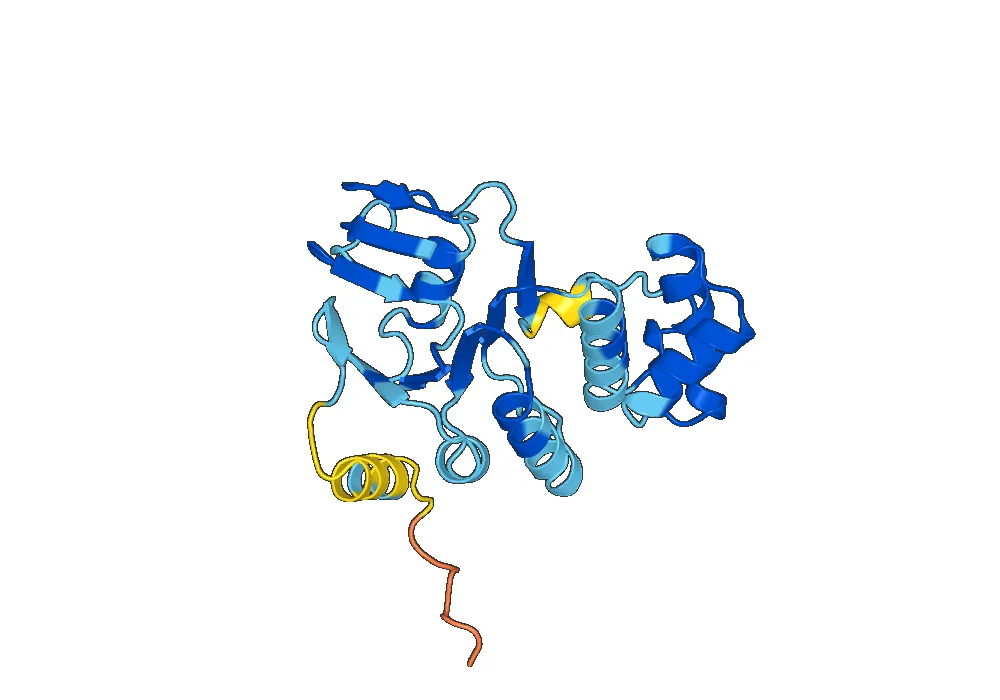
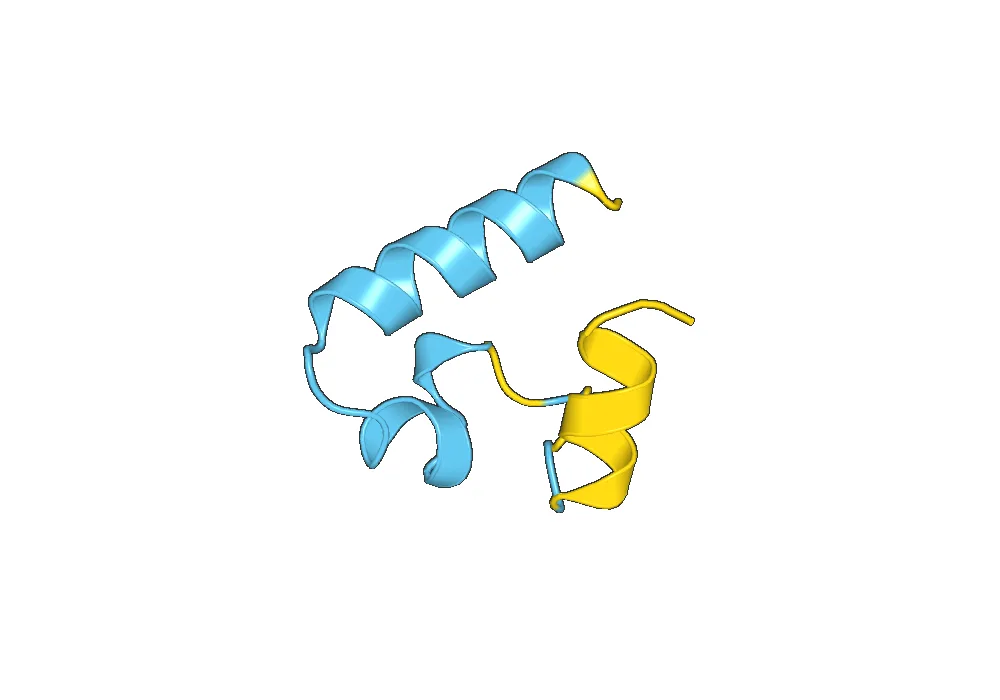
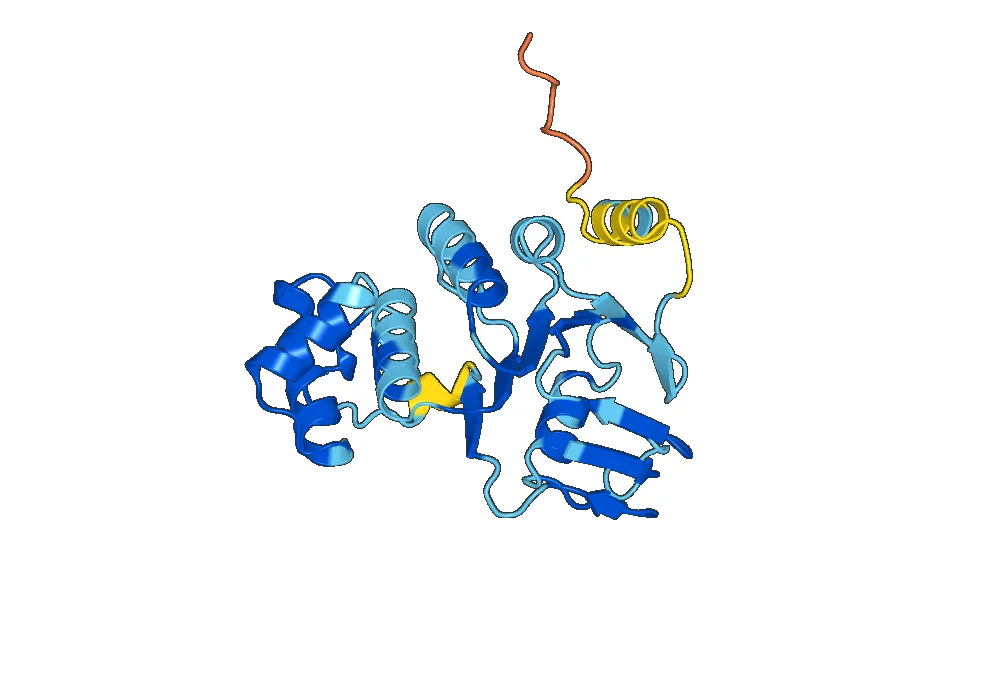
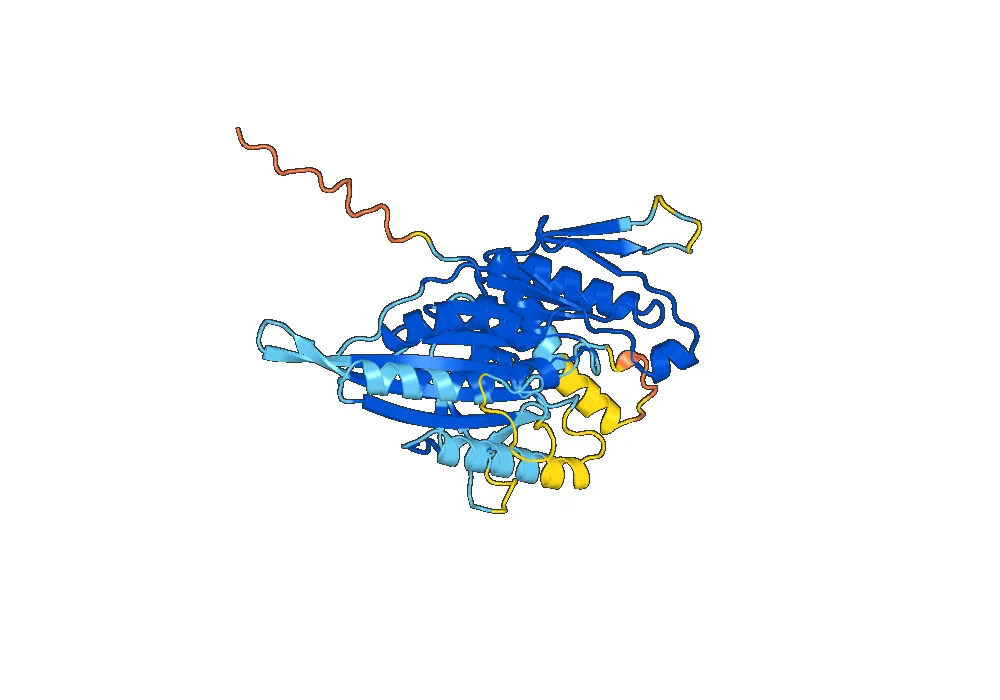
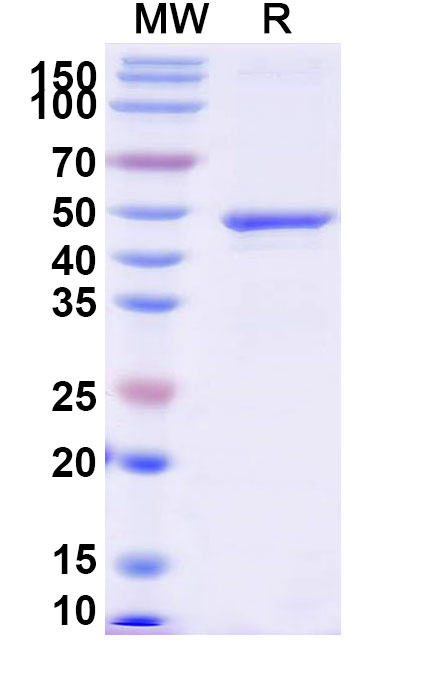
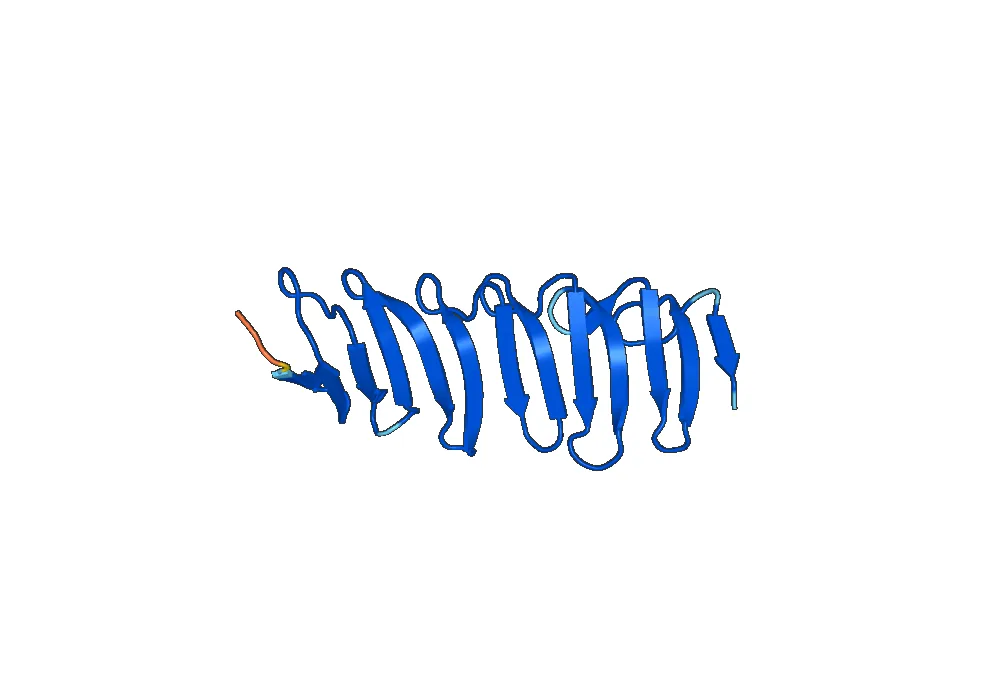
ABCF1 is a 59 kDa protein that consists of 536 amino acids. It contains two ATP-binding domains, a nucleotide-binding domain (NBD) and a regulatory domain (R domain). The NBD is responsible for binding and hydrolyzing ATP, while the R domain regulates its activity. ABCF1 also has a transmembrane domain that anchors it to the cell membrane.
Recombinant human ABCF1 is produced by cloning the ABCF1 gene into a suitable expression vector and expressing it in a host organism. The resulting protein is then purified using various techniques, such as chromatography, to obtain a highly pure and active form of the protein.
Activity of Recombinant Human ABCF1
ABCF1 is a multifunctional protein that plays a crucial role in cellular processes such as protein synthesis, RNA metabolism, and immune response. Its main function is to transport various molecules, including proteins and lipids, across the cell membrane using the energy from ATP hydrolysis.
ABCF1 also has a role in regulating the translation of mRNA into proteins. It interacts with the translation initiation factor eIF2 and promotes the assembly of the translation initiation complex, leading to increased protein synthesis. Additionally, ABCF1 has been shown to play a role in the processing and export of viral RNA, making it a potential target for antiviral therapies.
Furthermore, ABCF1 has been linked to immune response and inflammation. It has been shown to regulate the production of cytokines, which are important mediators of the immune response. ABCF1 also plays a role in the activation of T cells and the production of antibodies, making it a potential target for immunotherapy.
Applications of Recombinant Human ABCF1
The unique structure and activity of ABCF1 make it a valuable tool in various applications, including research, diagnostics, and therapeutics.
One of the main uses of recombinant ABCF1 is in studying its role in cellular processes. By overexpressing or silencing the ABCF1 gene, researchers can better understand its function and its potential as a therapeutic target. Recombinant ABCF1 can also be used in in vitro assays to study its ATPase activity and its role in protein synthesis and RNA metabolism.
In diagnostics, recombinant ABCF1 can be used as an antigen in immunoassays to detect the presence of specific antibodies in patient samples. Its involvement in immune response and inflammation makes it a potential biomarker for various diseases.
Lastly, the unique properties of ABCF1 make it a potential candidate for therapeutic interventions. Its role in protein synthesis and immune response makes it a potential target for antiviral and immunotherapy. Additionally, its ability to transport molecules across the cell membrane makes it a potential target for drug delivery systems.
Conclusion
In conclusion, recombinant human ABCF1 is a multifunctional protein with a unique structure and activity. Its role in cellular processes, immune response, and inflammation makes it a valuable tool in various applications. Further research on this protein could lead to new insights and potential therapeutic interventions in the future.

There are no reviews yet.