Anumigilimab Biosimilar: A Promising Anti-G-CSF Receptor Antibody for Therapeutic Targeting Introduction
Anumigilimab biosimilar is a research-grade monoclonal antibody (mAb) that targets the granulocyte colony-stimulating factor (G-CSF) receptor. It is a biosimilar version of the anti-G-CSF receptor mAb, anumigilimab, which has shown promising results in clinical trials for the treatment of inflammatory diseases. In this article, we will discuss the structure, activity, and potential applications of anumigilimab biosimilar as a therapeutic agent.
Structure of Anumigilimab Biosimilar
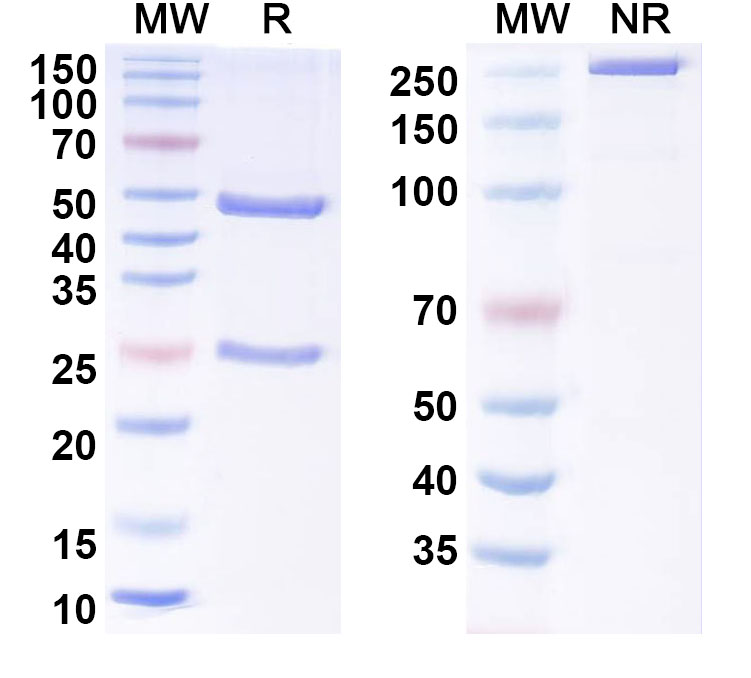
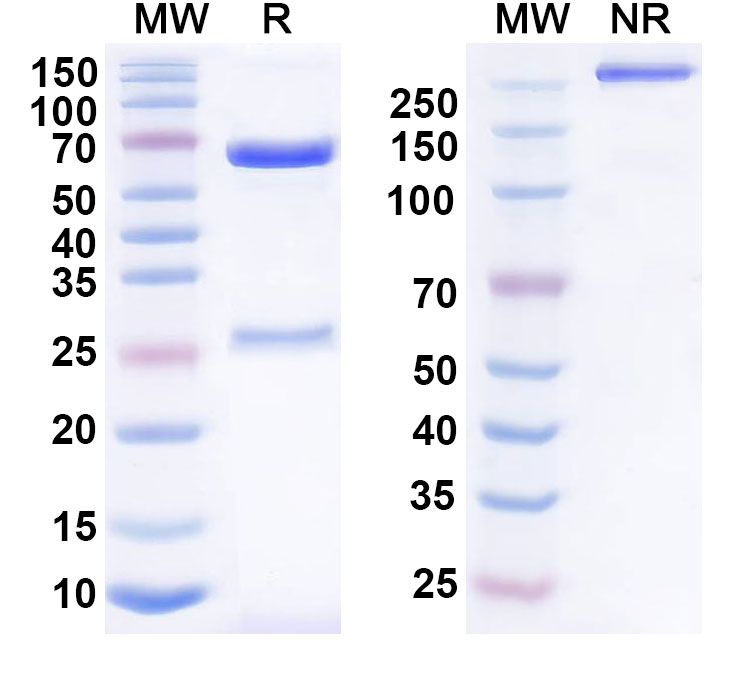
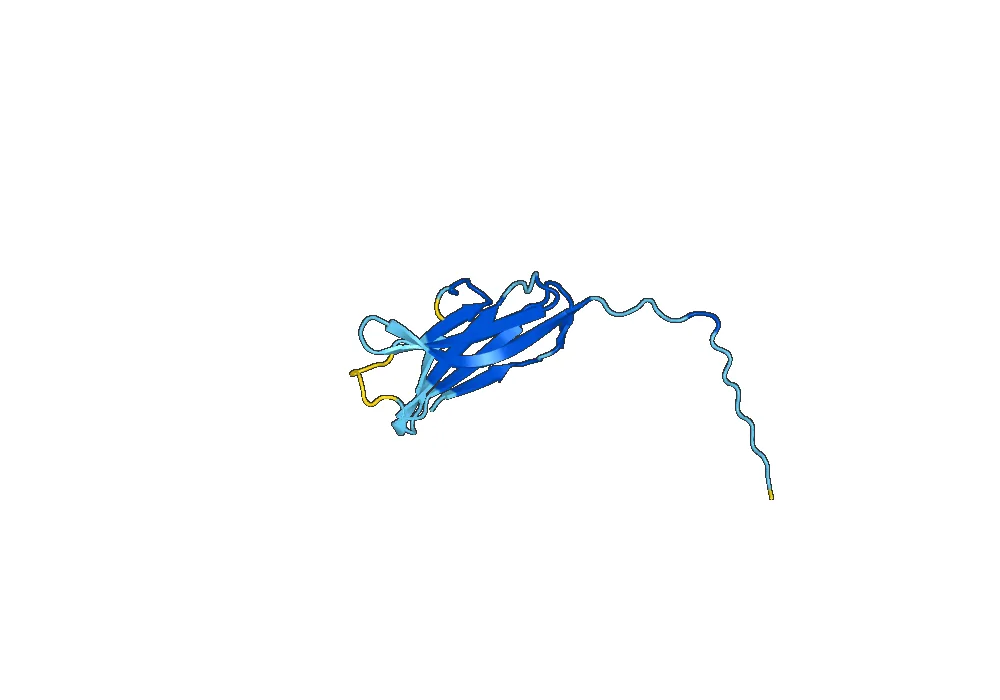
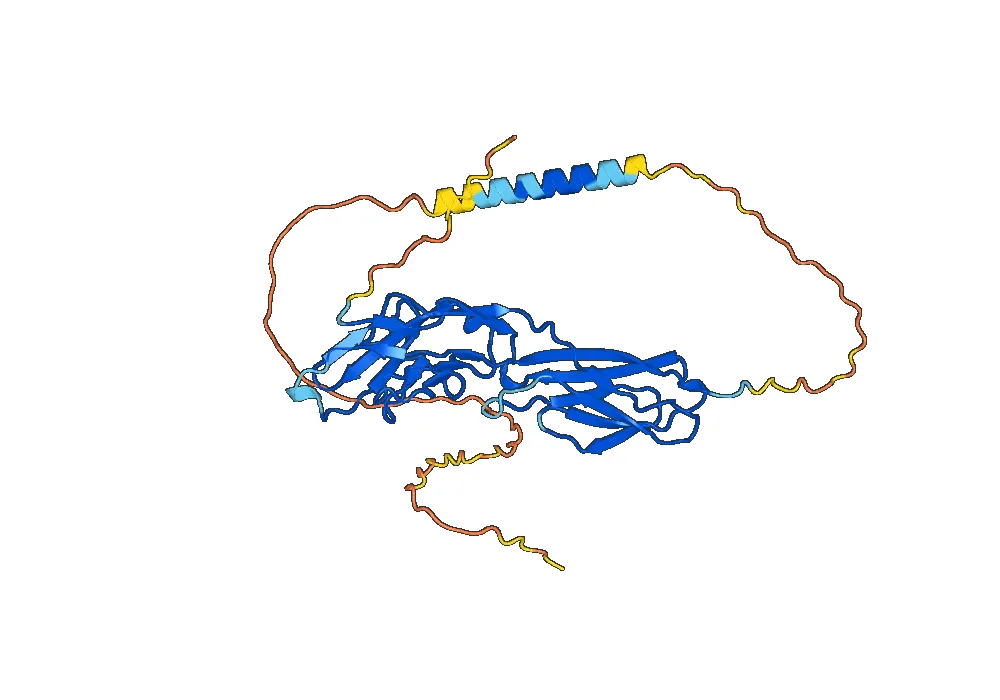
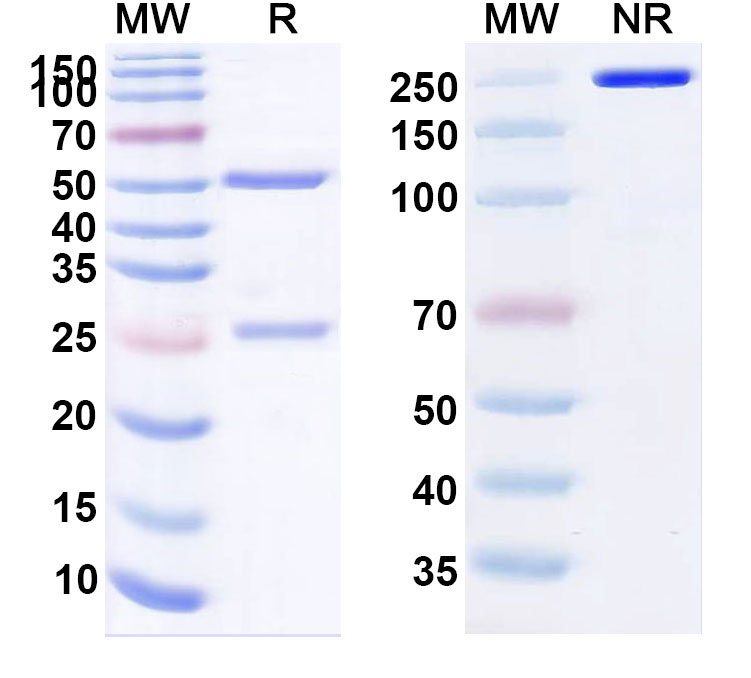
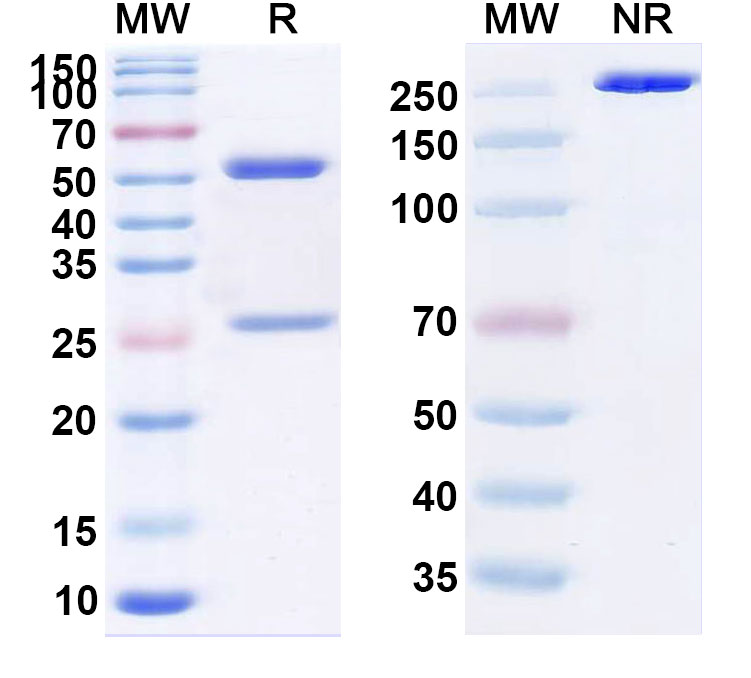
Anumigilimab biosimilar is a recombinant humanized IgG1 mAb, consisting of two heavy chains and two light chains. The heavy chains are composed of four constant domains (CH1, CH2, CH3, and CH4) and one variable domain (VH), while the light chains have two constant domains (CL) and one variable domain (VL). The variable domains of both heavy and light chains are responsible for the antigen-binding site, which specifically targets the G-CSF receptor.
Activity of Anumigilimab Biosimilar
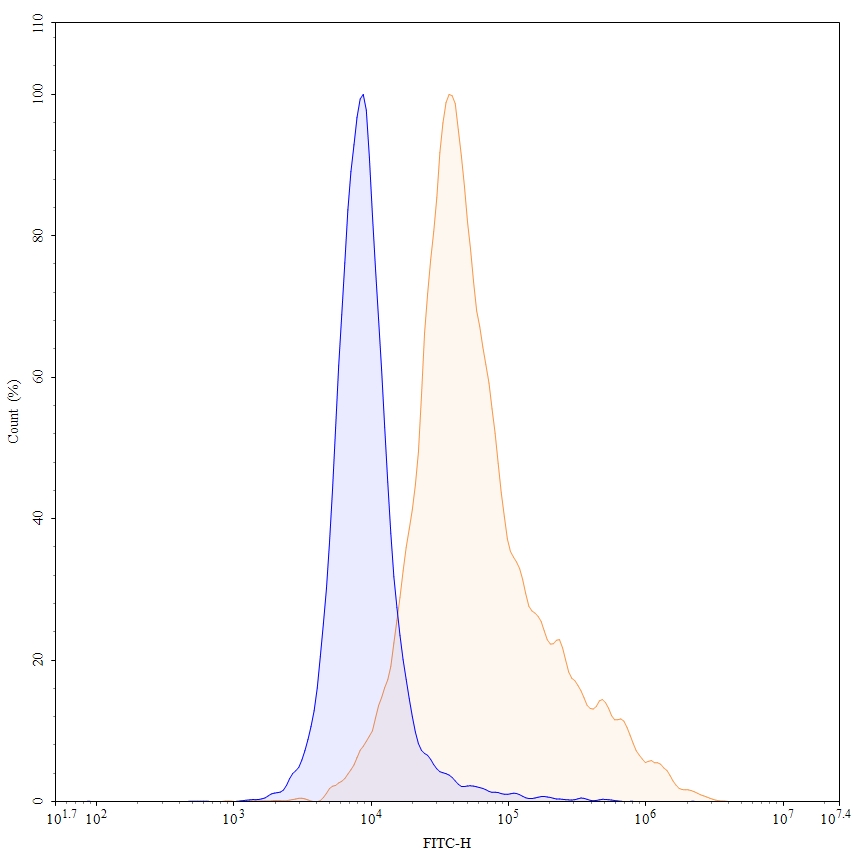
Anumigilimab biosimilar exerts its activity by binding to the G-CSF receptor, which is expressed on the surface of various immune cells, including neutrophils, monocytes, and macrophages. This binding blocks the interaction between G-CSF and its receptor, thereby inhibiting the downstream signaling pathways that promote inflammation and immune cell activation.
In addition to its anti-inflammatory effects, anumigilimab biosimilar also has the potential to modulate the immune response by promoting the differentiation and maturation of immune cells. This can lead to a more balanced immune response, which is crucial for the treatment of autoimmune and inflammatory diseases.
Applications of Anumigilimab Biosimilar
Anumigilimab biosimilar has shown promising results in preclinical and clinical studies for the treatment of various inflammatory diseases, including rheumatoid arthritis, psoriasis, and Crohn’s disease. Its potential as a therapeutic agent lies in its ability to specifically target the G-CSF receptor, which is implicated in the pathogenesis of these diseases.
One of the most significant advantages of anumigilimab biosimilar is its biosimilarity to the original anti-G-CSF receptor mAb, anumigilimab. This means that it has a similar structure and activity, making it a reliable and effective alternative for patients who may not respond well to other treatments.
Conclusion
In summary, anumigilimab biosimilar is a promising anti-G-CSF receptor mAb with potential applications in the treatment of various inflammatory diseases. Its structure, activity, and biosimilarity to the original mAb make it a reliable and effective therapeutic agent. Further clinical studies are needed to fully explore its potential and establish its safety and efficacy in treating inflammatory diseases.

There are no reviews yet.