Introduction to 14F7 Biosimilar – Anti-ganglioside N-glycolyl GM3 mAb
14F7 Biosimilar is a monoclonal antibody (mAb) that specifically targets the ganglioside N-glycolyl GM3 (NeuGcGM3), a glycolipid that is highly expressed on the surface of cancer cells. This biosimilar is a research grade version of the 14F7 antibody, which has shown promising results in preclinical studies as a potential therapeutic agent for various types of cancer. In this article, we will explore the structure, activity, and potential applications of 14F7 Biosimilar in the field of cancer research.
Structure of 14F7 Biosimilar
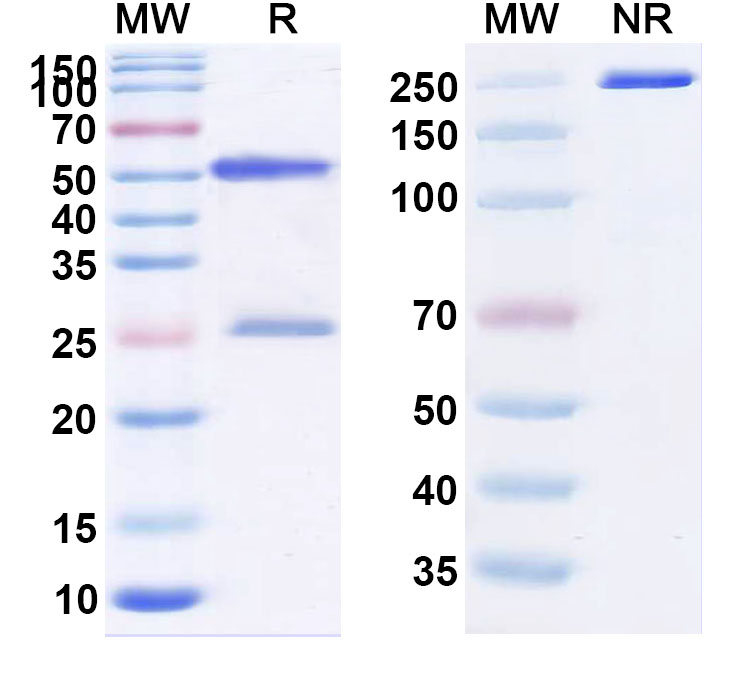
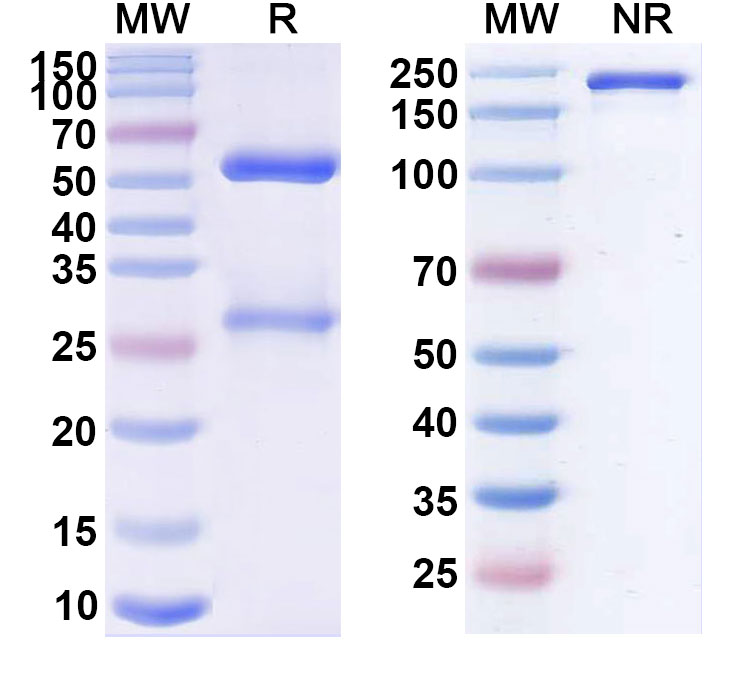
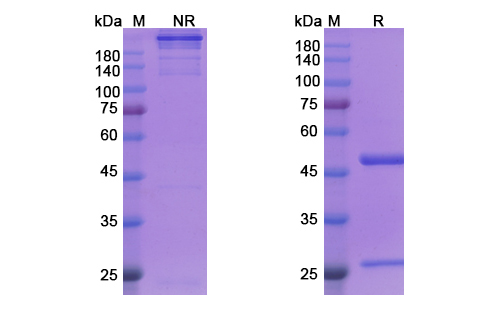
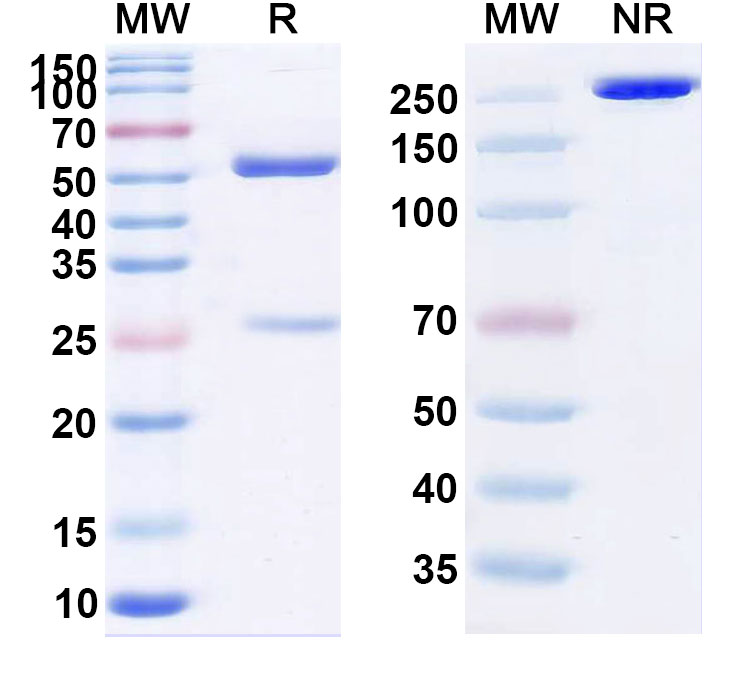
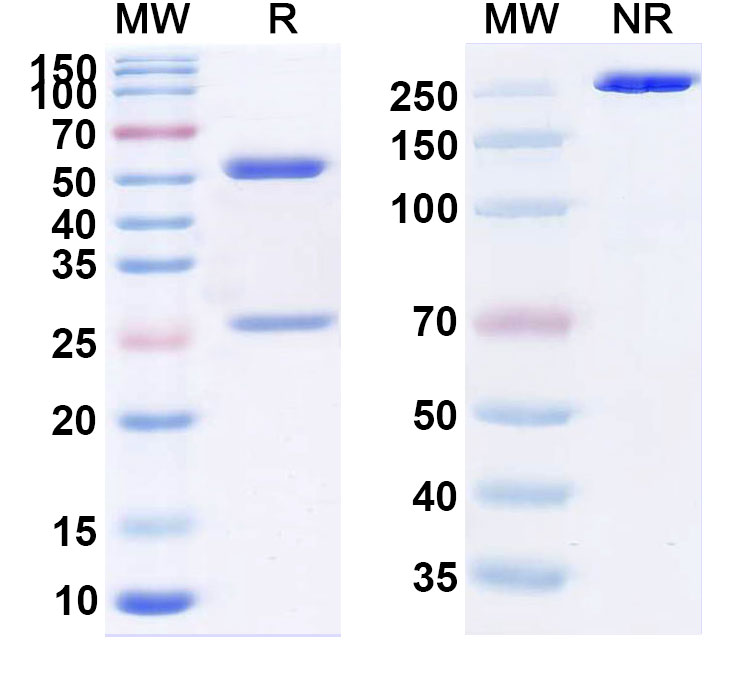
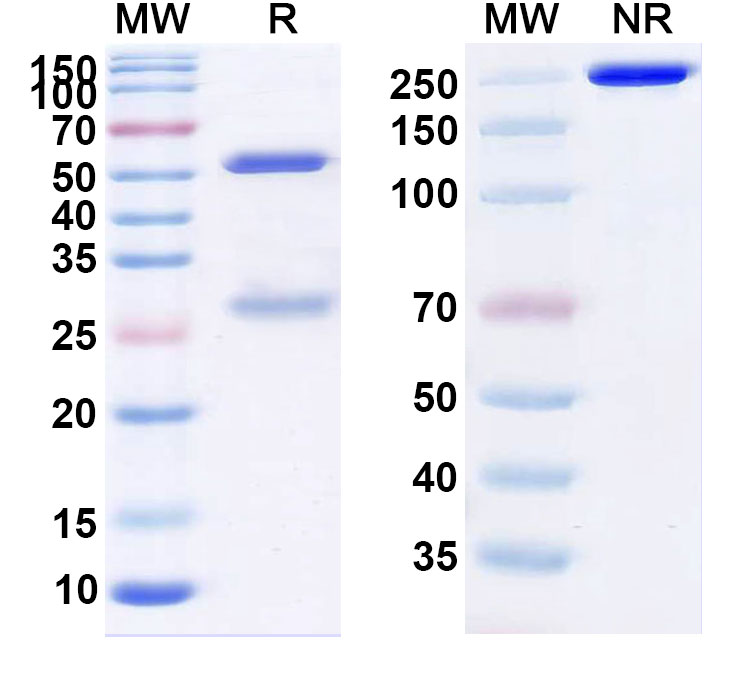
14F7 Biosimilar is a recombinant humanized IgG1 monoclonal antibody that is produced in CHO (Chinese Hamster Ovary) cells. It has a molecular weight of approximately 150 kDa and consists of two heavy chains and two light chains, connected by disulfide bonds. The antibody has a unique antigen-binding site that specifically recognizes the NeuGcGM3 antigen on the surface of cancer cells.
Activity of 14F7 Biosimilar
The main activity of 14F7 Biosimilar is its ability to bind to the NeuGcGM3 antigen and trigger an immune response against cancer cells. This is achieved through various mechanisms, including antibody-dependent cell-mediated cytotoxicity (ADCC), complement-dependent cytotoxicity (CDC), and direct induction of apoptosis. By targeting the NeuGcGM3 antigen, 14F7 Biosimilar can effectively inhibit the growth and spread of cancer cells, making it a promising therapeutic agent.
Application of 14F7 Biosimilar
14F7 Biosimilar has shown potential as a therapeutic agent for various types of cancer, including melanoma, breast cancer, lung cancer, and neuroblastoma. Preclinical studies have demonstrated its efficacy in inhibiting tumor growth and metastasis, as well as improving survival rates in animal models. Additionally, 14F7 Biosimilar has been shown to enhance the effects of chemotherapy and radiation therapy when used in combination, making it a promising candidate for combination therapy in cancer treatment.
Potential Advantages of 14F7 Biosimilar Compared to other anti-
cancer therapies, 14F7 Biosimilar has several potential advantages. Firstly, it has a high specificity for the NeuGcGM3 antigen, which is highly expressed on the surface of cancer cells but not on normal cells. This reduces the risk of off-target effects and minimizes damage to healthy tissues. Secondly, as a biosimilar, it is a more cost-effective alternative to the original 14F7 antibody, making it more accessible for research and potential clinical use.
Future Directions for 14F7 Biosimilar Research
Despite its promising preclinical results, further research is needed to fully understand the potential of 14F7 Biosimilar as a therapeutic agent. Clinical trials are currently ongoing to evaluate its safety and efficacy in cancer patients. Additionally, further studies are needed to optimize its dosing and administration, as well as to explore its potential in combination with other anti- cancer therapies.
Conclusion
In summary, 14F7 Biosimilar is a research grade version of the 14F7 antibody that specifically targets the NeuGcGM3 antigen on the surface of cancer cells. Its unique structure and activity make it a promising therapeutic agent for various types of cancer. Ongoing research and clinical trials will further elucidate its potential and pave the way for its use in cancer treatment.

There are no reviews yet.