Cart (0 Items)
Your cart is currently empty.
View ProductsIt looks like you are visiting from outside the EU. Switch to the US version to see local pricing in USD and local shipping.
Switch to US ($)
 Thomas Meyer
How to generate ADCs? Antibody-drug conjugates (ADCs) represent a powerful class of targeted cancer therapies that combine the specificity of monoclonal antibodies with the potency of cytotoxic drugs.
What is the drug-to-antibody ratio, how is DAR distribution measured, and which DAR analysis methods are the most reliable? Average… Read More
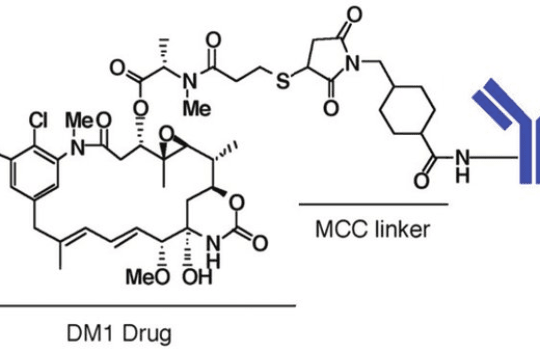
What are ADC linkers, what types of ADC linkers exist, and how do they affect payload release? ADC linkers, also… Read More
To understand the therapeutic potential of antibody-drug conjugates (ADCs) it is essential to first analyze their mechanism of action,… Read More

With the growth of the global market for therapeutic antibody-drug conjugates (ADCs), researchers are set on developing exciting new… Read More
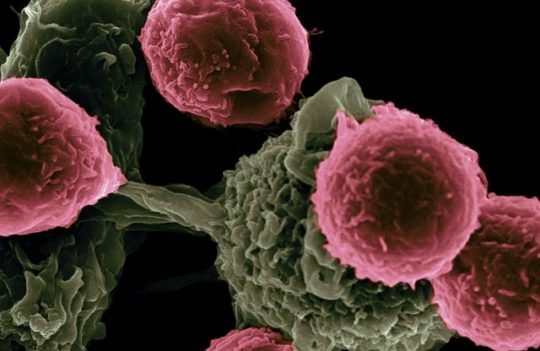
Currently, dozens of antibody-drug conjugates (ADCs) and immunotoxins have reached the clinic or are under active clinical development. These… Read More

The therapeutic value of antibody-drug conjugates (ADCs) is widely recognized as highly effective and safe for the treatment of… Read More
The bioanalysis of antibody-drug conjugates remains challenging. However, in recent years, many methodologies have been developed to tackle the… Read More

Pharmacokinetics (PK) and pharmacodynamics (PD) are two interdependent properties of ADCs. Together, they dictate the clinical outcomes of ADC… Read More
Antibody-drug conjugates (ADCs) are complex molecules. Their key properties are heavily influenced by linker chemistry and antibody conjugation methods. For… Read More