The Structure of Muromonab-Cd3 Biosimilar
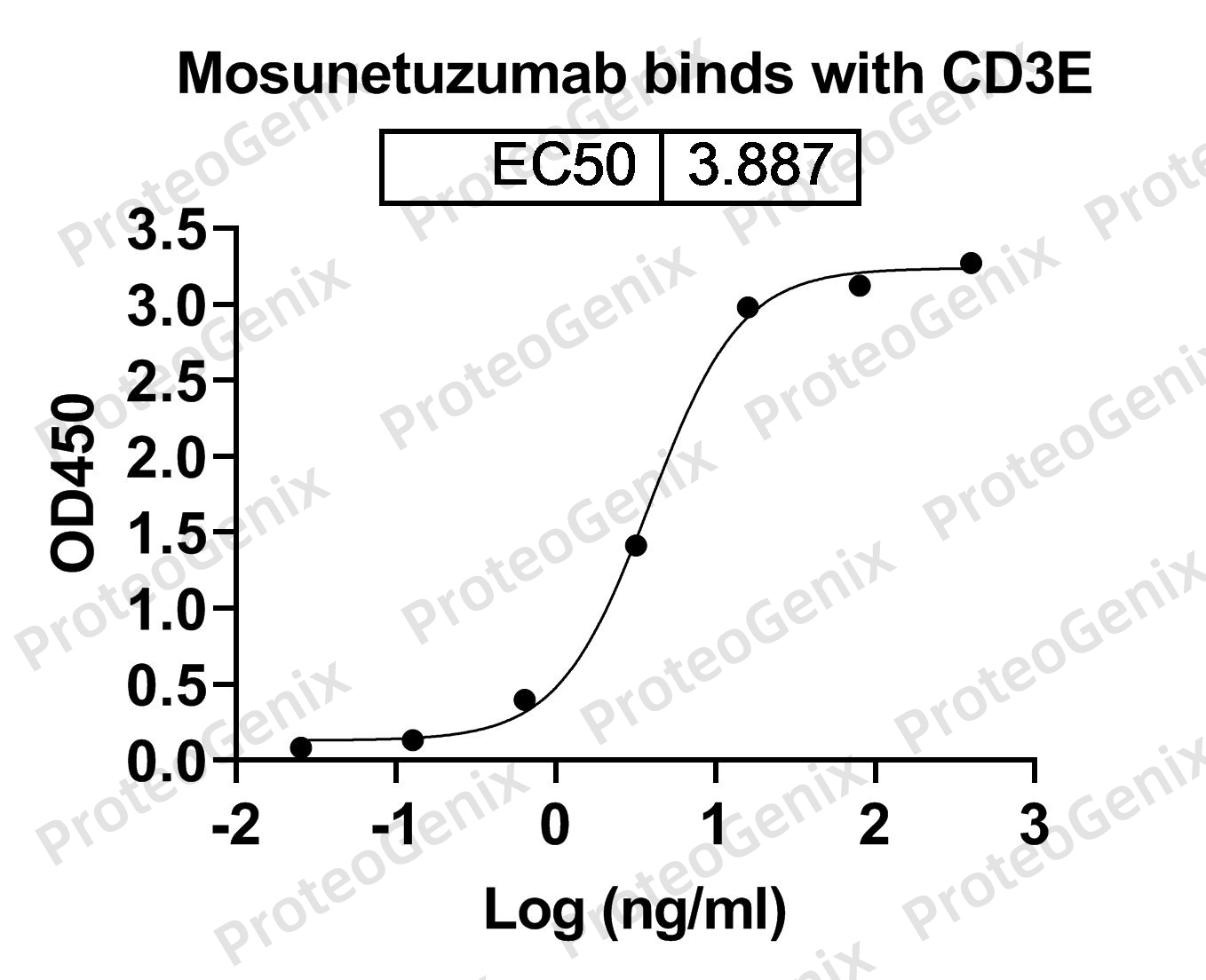
Muromonab-Cd3 Biosimilar, also known as Anti-CD3E monoclonal antibody, is a biosimilar version of the therapeutic antibody Muromonab-CD3. It is a recombinant, humanized IgG1 monoclonal antibody that specifically targets the CD3E subunit of the T-cell receptor complex. This biosimilar is produced using recombinant DNA technology in mammalian cell lines, making it a highly specific and potent therapeutic agent.
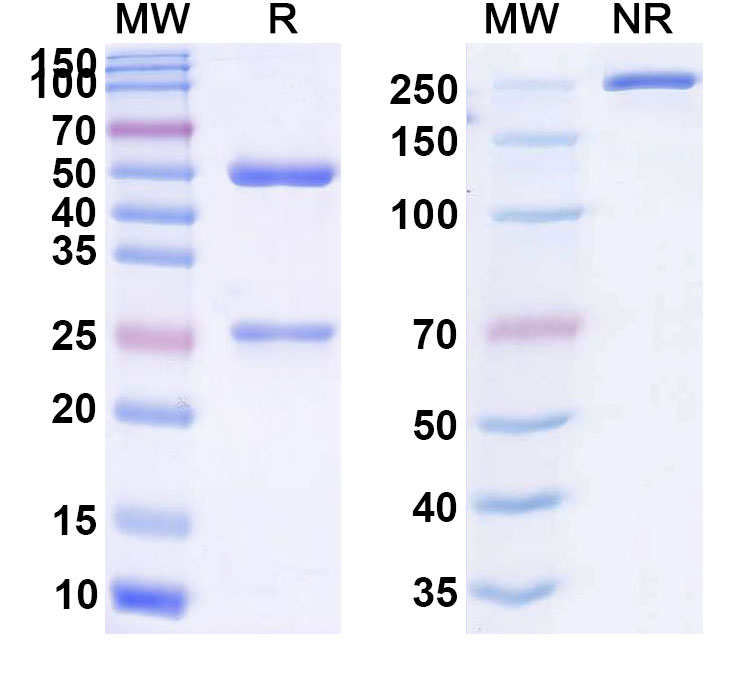
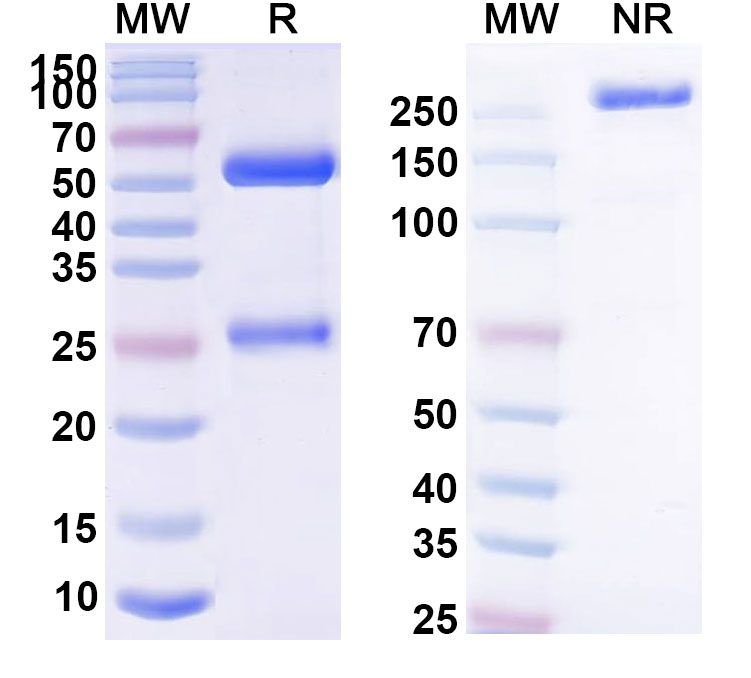
The antibody has a molecular weight of approximately 150 kDa and is composed of two heavy chains and two light chains, each containing a variable and constant region. The variable region is responsible for binding to the CD3E subunit, while the constant region mediates effector functions such as complement activation and antibody-dependent cellular cytotoxicity.
Activity of Muromonab-Cd3 Biosimilar
Muromonab-Cd3 Biosimilar is a potent immunosuppressant that works by binding to the CD3E subunit on T-cells, leading to their activation and proliferation. This results in the depletion of T-cells, which play a crucial role in immune responses. By targeting CD3E, Muromonab-Cd3 Biosimilar effectively suppresses the immune system, making it a valuable therapeutic agent for various immune-related disorders.
One of the main activities of Muromonab-Cd3 Biosimilar is its ability to treat acute rejection in organ transplant patients. When a transplanted organ is perceived as a foreign body, the body’s immune system mounts an attack, leading to organ rejection. By suppressing the immune system, Muromonab-Cd3 Biosimilar prevents this rejection and allows the transplanted organ to function properly.
In addition to its use in organ transplantation, Muromonab-Cd3 Biosimilar is also used in the treatment of autoimmune diseases such as rheumatoid arthritis, psoriasis, and multiple sclerosis. These conditions are characterized by an overactive immune system, and Muromonab-Cd3 Biosimilar helps to suppress this response and alleviate symptoms.
Application of Muromonab-Cd3 Biosimilar
Muromonab-Cd3 Biosimilar is primarily used in the treatment of acute rejection in organ transplant patients. It is typically administered intravenously in combination with other immunosuppressant drugs. The dosage and frequency of administration may vary depending on the patient’s condition and response to treatment.
This biosimilar is also being investigated for its potential use in the treatment of other immune-related disorders such as graft-versus-host disease and type 1 diabetes. It has shown promising results in clinical trials and may provide an alternative treatment option for these conditions in the future.
In addition to its therapeutic applications, Muromonab-Cd3 Biosimilar also has research-grade uses. It is commonly used in laboratory studies to understand the role of CD3E in T-cell activation and to develop new therapies for immune-related disorders. Its high specificity and potency make it a valuable tool for researchers in the field of immunology.
Conclusion
In summary, Muromonab-Cd3 Biosimilar is a recombinant, humanized IgG1 monoclonal antibody that specifically targets the CD3E subunit of the T-cell receptor complex. It is a potent immunosuppressant used in the treatment of acute rejection in organ transplant patients and various autoimmune diseases. This biosimilar also has research-grade applications and is a valuable tool for studying the immune system. With its high specificity and potency, Muromonab-Cd3 Biosimilar continues to be an important therapeutic agent in the field of immunology.



There are no reviews yet.