Otelixizumab Biosimilar – Anti-CD3E mAb – Research Grade
Otelixizumab Biosimilar – Anti-CD3E mAb – Research Grade: A Promising Antibody for Therapeutic Targeting Otelixizumab Biosimilar is a monoclonal antibody (mAb) that specifically targets CD3E, a protein found on the surface of T cells. This biosimilar is a highly effective and safe alternative to the original Otelixizumab, which has been used for the treatment of autoimmune diseases and organ transplant rejection. In this article, we will explore the structure, activity, and potential applications of Otelixizumab Biosimilar in the field of immunotherapy.
Structure of Otelixizumab Biosimilar
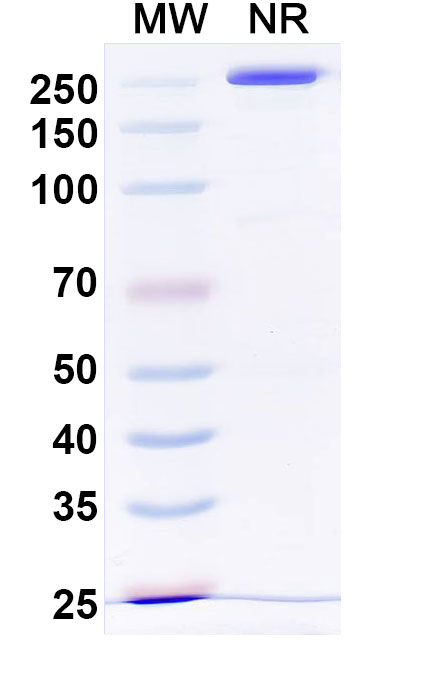
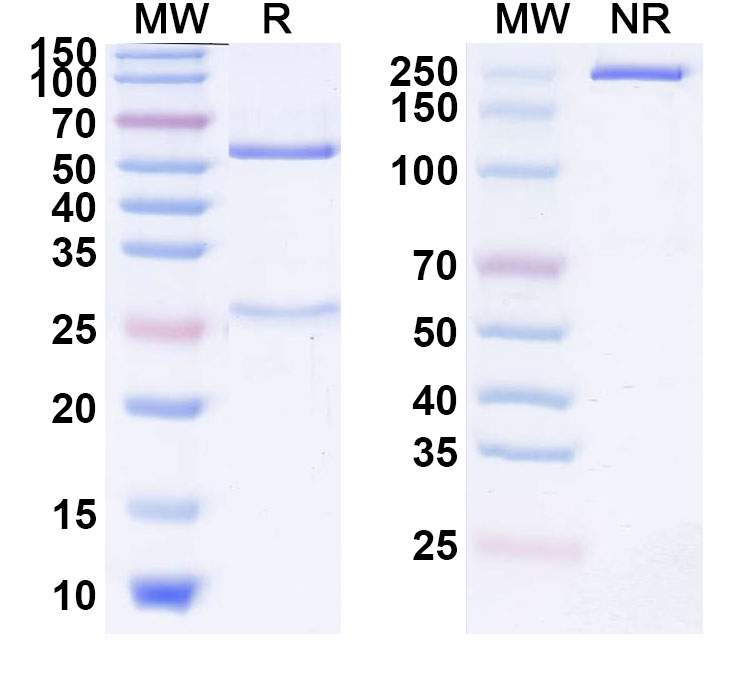
Otelixizumab Biosimilar is a recombinant humanized IgG1-kappa monoclonal antibody, with a molecular weight of approximately 150 kDa. It is composed of two heavy chains and two light chains, and is produced in Chinese hamster ovary (CHO) cells. The antibody has a specific binding site for CD3E, which is located on the constant region of the heavy chain. This binding site is essential for the antibody’s therapeutic activity.
Activity of Otelixizumab Biosimilar
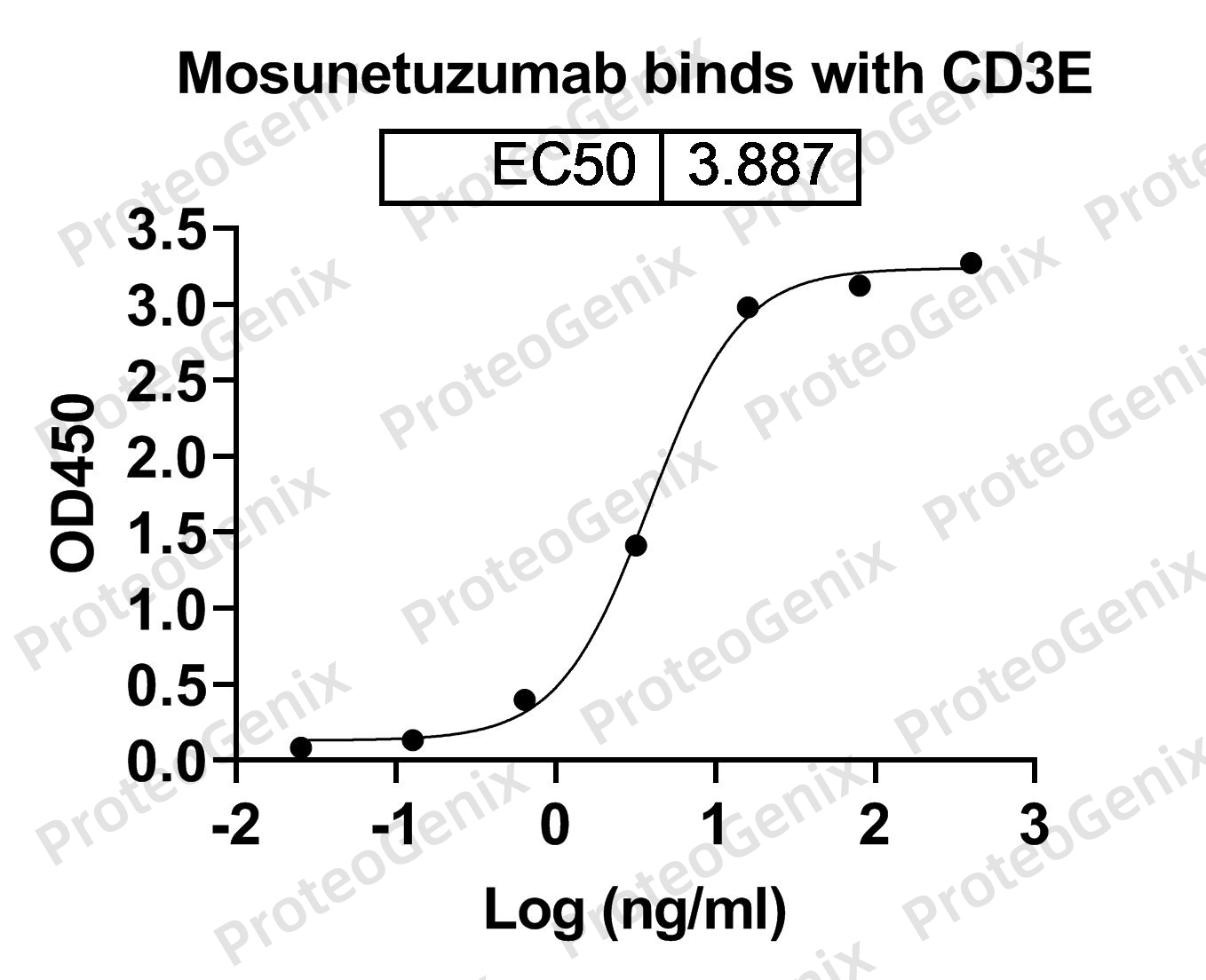
Otelixizumab Biosimilar works by binding to CD3E on the surface of T cells, which are a type of immune cell responsible for fighting infections and diseases. This binding triggers a cascade of events that leads to the activation and proliferation of T cells. This, in turn, enhances the body’s immune response against foreign invaders, such as viruses, bacteria, and cancer cells. Additionally, Otelixizumab Biosimilar can also modulate the production of cytokines, which are small proteins involved in immune signaling. This activity of Otelixizumab Biosimilar makes it a potent immunomodulatory agent with potential therapeutic benefits.
Potential Applications of Otelixizumab Biosimilar
Otelixizumab Biosimilar has shown promising results in preclinical and clinical studies for the treatment of various autoimmune diseases, such as type 1 diabetes, rheumatoid arthritis, and multiple sclerosis. It has also been investigated for its potential in preventing organ transplant rejection. The immunomodulatory activity of Otelixizumab Biosimilar makes it a suitable candidate for combination therapy with other immunosuppressive drugs, thereby reducing the risk of adverse effects and improving treatment outcomes.
Autoimmune Diseases
Autoimmune diseases occur when the immune system mistakenly attacks healthy cells and tissues in the body. Otelixizumab Biosimilar has shown promising results in clinical trials for the treatment of type 1 diabetes, a chronic autoimmune disease in which the immune system attacks and destroys insulin-producing cells in the pancreas. The antibody has also been investigated for its potential in treating rheumatoid arthritis, a chronic inflammatory disease that affects the joints, and multiple sclerosis, a neurodegenerative autoimmune disorder.
Organ Transplant Rejection
Organ transplantation is a life-saving procedure for patients with end-stage organ failure. However, the immune system often recognizes the transplanted organ as foreign and attacks it, leading to organ rejection. Otelixizumab Biosimilar has been studied for its ability to prevent organ rejection by modulating the immune response. In a clinical trial, Otelixizumab Biosimilar showed promising results in reducing the incidence of acute rejection in kidney transplant patients.
Combination Therapy
Otelixizumab Biosimilar has also been investigated for its potential in combination therapy with other immunosuppressive drugs, such as corticosteroids and calcine


There are no reviews yet.