Title: Understanding the Structure and Function of Ibritumomab Biosimilar – Anti-MS4A1(CD20,MS4A-1) mAb
Introduction:
Ibritumomab Biosimilar is a monoclonal antibody (mAb) that targets the protein MS4A1, also known as CD20, on the surface of B cells. It is a biosimilar of the original drug ibritumomab tiuxetan, which is used for the treatment of non-Hodgkin’s lymphoma. In this article, we will delve into the structure, activity, and potential applications of Ibritumomab Biosimilar as a research grade antibody.
Structure of Ibritumomab Biosimilar:
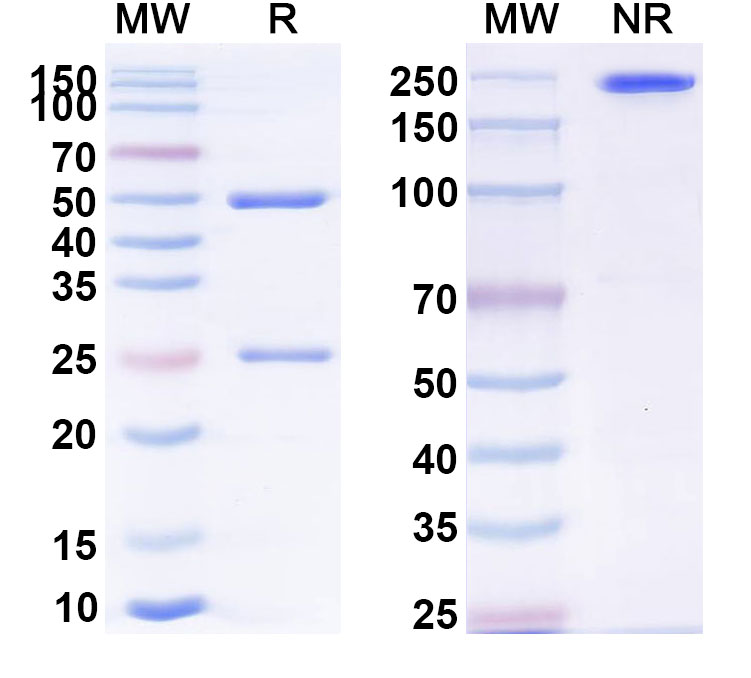
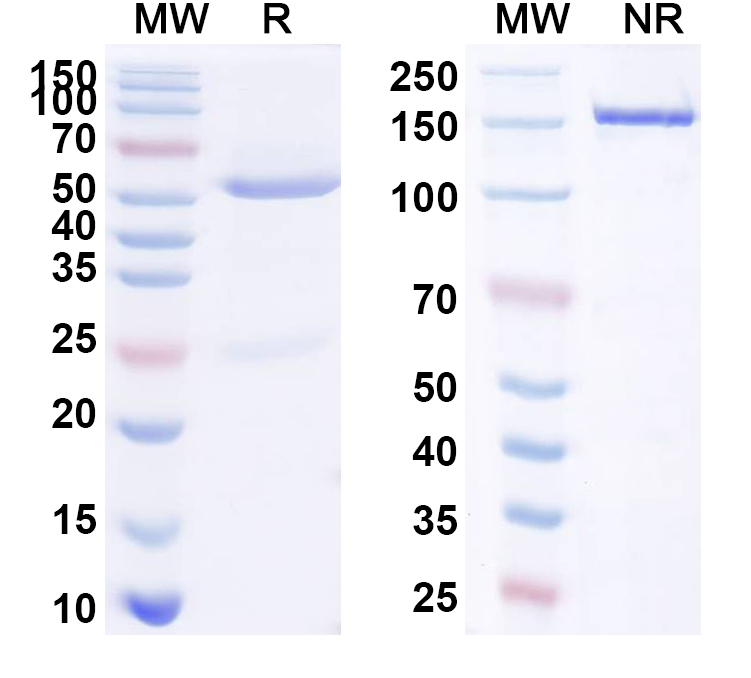
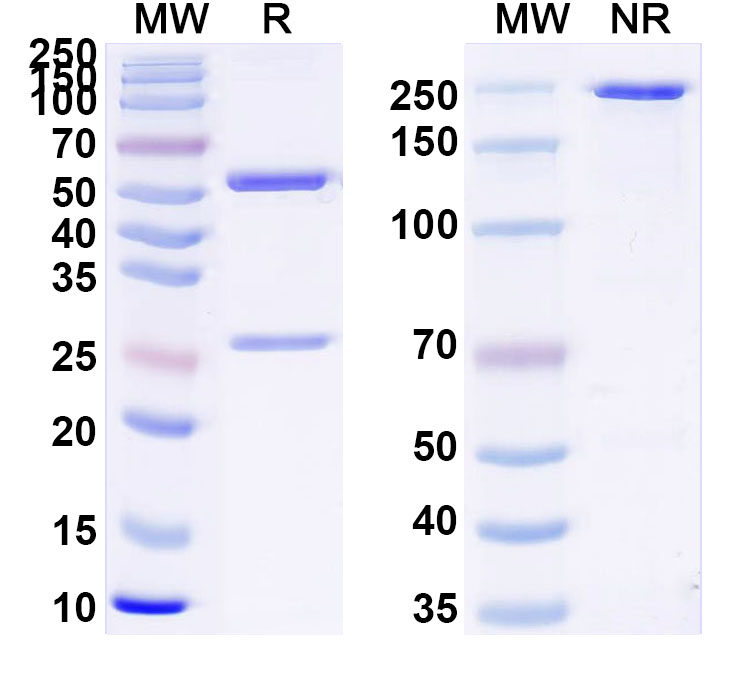
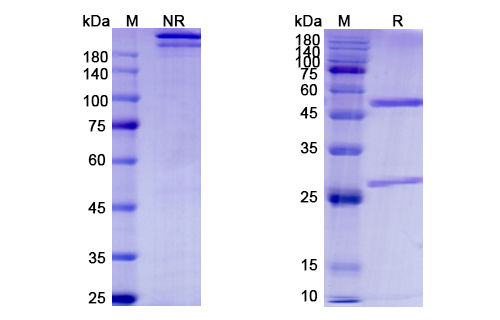
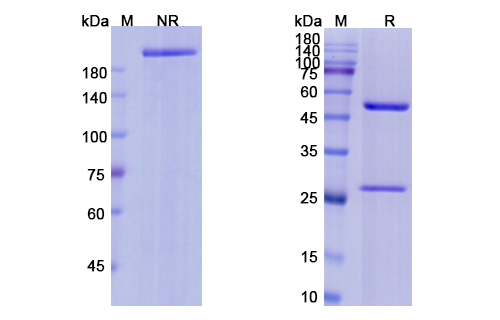
Ibritumomab Biosimilar is a recombinant, chimeric monoclonal antibody, meaning it is produced by combining genetic material from two different species – human and mouse. It consists of two heavy chains and two light chains, each with a specific amino acid sequence that determines its structure and function. The heavy chains are responsible for binding to the target protein, MS4A1, while the light chains provide support and stability to the antibody.
Activity of Ibritumomab Biosimilar:
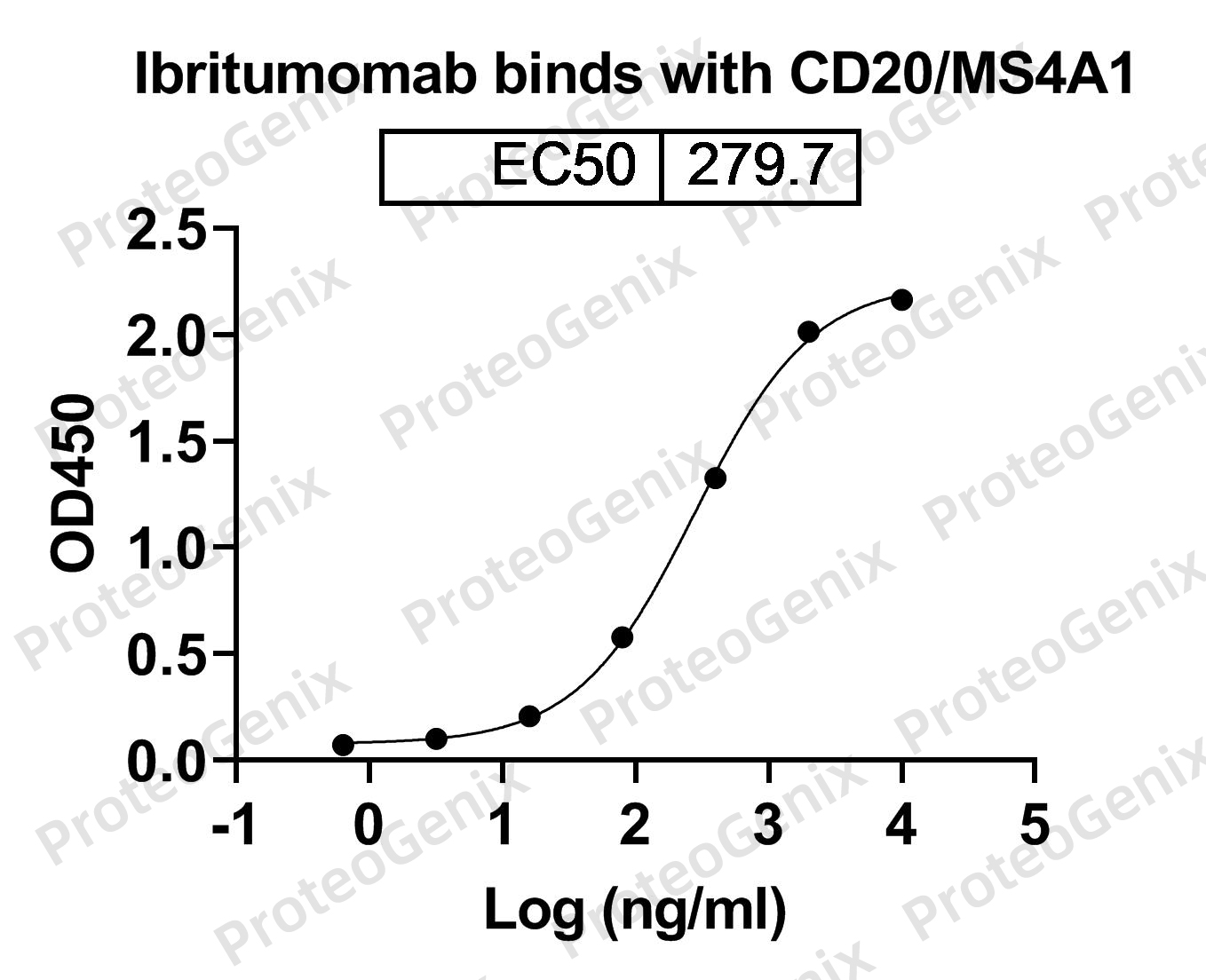
As a monoclonal antibody, Ibritumomab Biosimilar specifically targets and binds to the protein MS4A1 on the surface of B cells. This binding triggers a series of events that ultimately leads to the destruction of the B cell. The antibody recruits immune cells, such as natural killer cells and macrophages, to the site of the bound B cell and activates them to attack and destroy the cell. This mechanism of action is known as antibody-dependent cell-mediated cytotoxicity (ADCC).
Applications of Ibritumomab Biosimilar:
Ibritumomab Biosimilar, as a research grade antibody, has several potential applications in the field of immunology and cancer research. Its primary use is in the study of B cell biology and the role of MS4A1 in B cell function. By targeting and depleting B cells, researchers can investigate the effects of B cell deficiency on the immune system. This can also aid in the development of new therapies for B cell-related diseases.
Moreover, Ibritumomab Biosimilar can also be used in the development of new cancer treatments. The overexpression of MS4A1 has been observed in various types of B cell lymphomas, making it a potential therapeutic target. By targeting and destroying MS4A1-expressing B cells, Ibritumomab Biosimilar can potentially be used as a treatment for these types of cancers.
In addition, Ibritumomab Biosimilar can also be used in diagnostic assays for B cell-related diseases. The specificity of the antibody for MS4A1 allows for the detection and quantification of B cells in patient samples. This can aid in the diagnosis and monitoring of diseases such as B cell lymphomas and autoimmune disorders.
Conclusion:
In conclusion, Ibritumomab Biosimilar is a chimeric monoclonal antibody that specifically targets the protein MS4A1 on B cells. Its structure and activity make it a valuable tool for studying B cell biology and the development of new cancer treatments. As a research grade antibody, it has the potential for various applications in the fields of immunology and cancer research. Further studies and developments in this area can lead to the advancement of new therapies and diagnostic tools for B cell-related diseases.


There are no reviews yet.