Introduction:
Dafsolimab Biosimilar, also known as Anti-CD3E monoclonal antibody (mAb), is a research grade therapeutic antibody that targets the CD3E protein. It is a biosimilar version of the original Dafsolimab, which is a humanized monoclonal antibody developed for the treatment of autoimmune diseases and organ transplantation.
Structure of Dafsolimab Biosimilar:
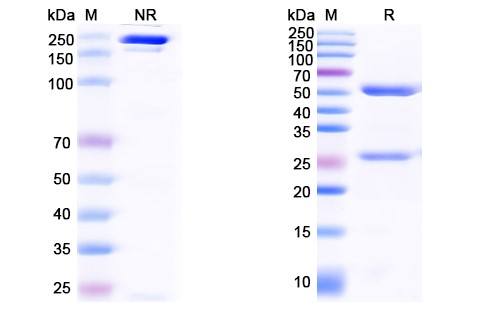
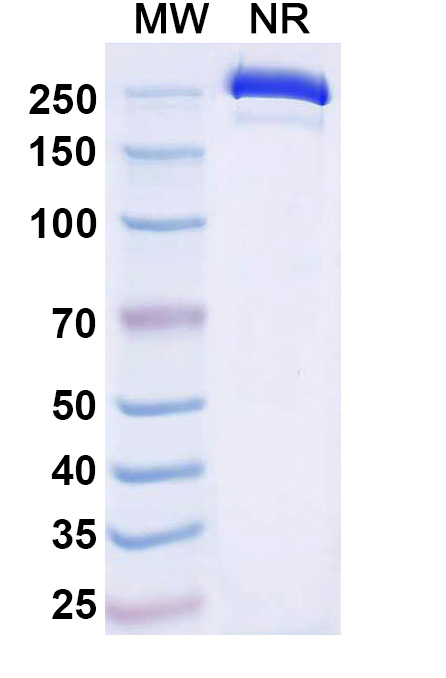
Dafsolimab Biosimilar is a recombinant humanized IgG1 monoclonal antibody, with a molecular weight of approximately 150 kDa. It is composed of two heavy chains and two light chains, each containing a variable and a constant region. The variable region is responsible for binding to the CD3E protein, while the constant region determines the effector functions of the antibody.
Activity of Dafsolimab Biosimilar:
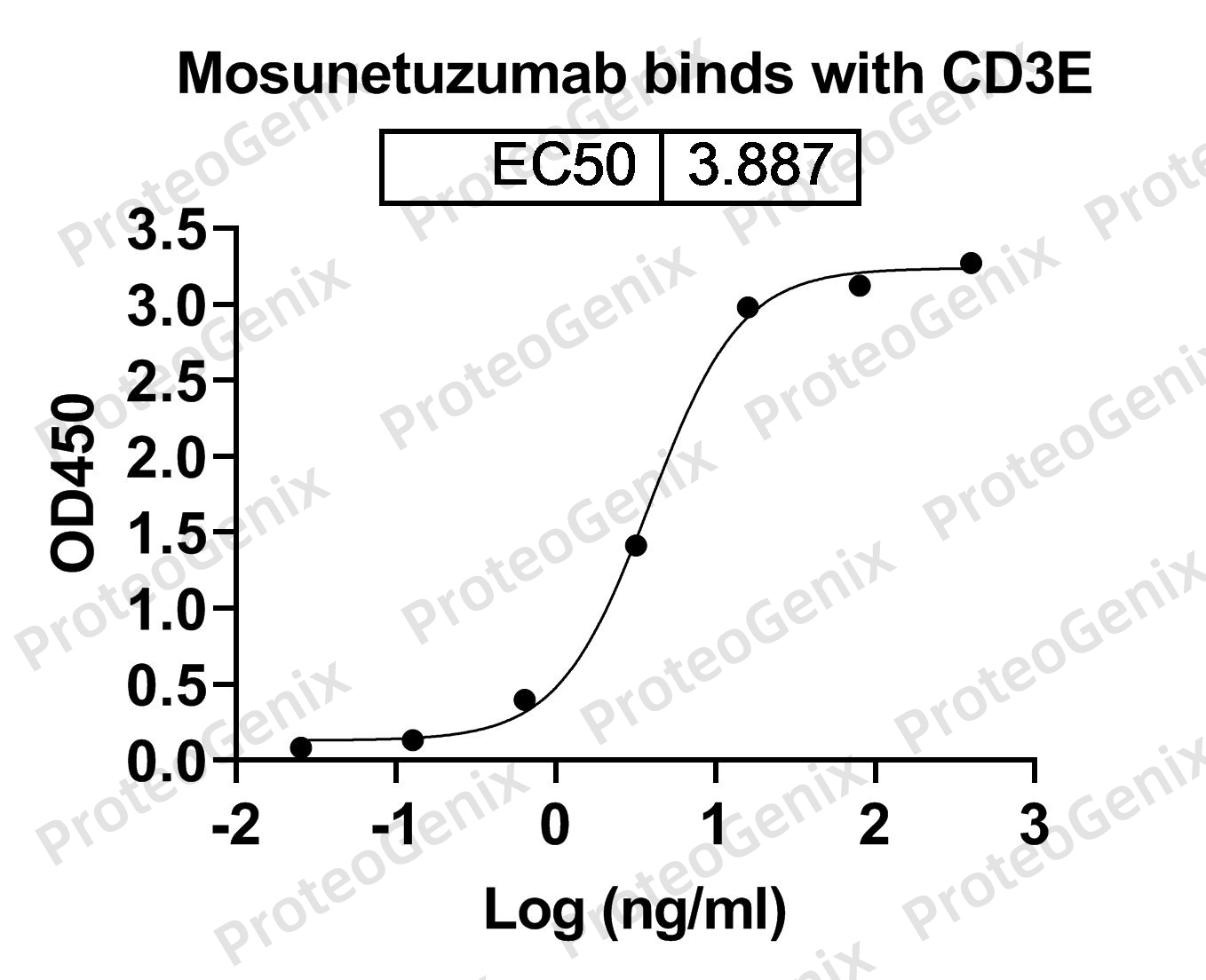
The primary mechanism of action of Dafsolimab Biosimilar is its ability to bind to the CD3E protein, which is a subunit of the T-cell receptor complex. This binding leads to the activation of T-cells, which play a crucial role in the immune response against foreign antigens and infected cells. Dafsolimab Biosimilar also induces the proliferation and differentiation of T-cells, leading to the production of cytokines and other effector molecules. These effects make Dafsolimab Biosimilar a potent immunosuppressive agent.
Application of Dafsolimab Biosimilar:
1. Treatment of Autoimmune Diseases:
Dafsolimab Biosimilar has been extensively studied for its potential use in the treatment of various autoimmune diseases such as rheumatoid arthritis, psoriasis, and multiple sclerosis. By targeting the CD3E protein, Dafsolimab Biosimilar can modulate the activity of T-cells, which are responsible for the pathogenesis of these diseases. Clinical trials have shown promising results, with Dafsolimab Biosimilar demonstrating efficacy in reducing disease activity and improving symptoms.
2. Organ Transplantation:
Dafsolimab Biosimilar has also been investigated as a potential therapy for organ transplantation. The activation of T-cells plays a critical role in graft rejection, and by targeting the CD3E protein, Dafsolimab Biosimilar can prevent the activation and proliferation of T-cells, thereby reducing the risk of rejection. Clinical trials have shown that Dafsolimab Biosimilar can improve the success rate of organ transplantation and reduce the need for immunosuppressive drugs.
3.
Cancer Immunotherapy:
The immune system plays a crucial role in the recognition and elimination of cancer cells. Dafsolimab Biosimilar has been studied for its potential use in cancer immunotherapy, particularly in combination with other therapies such as chemotherapy and checkpoint inhibitors. By activating T-cells, Dafsolimab Biosimilar can enhance the immune response against cancer cells, leading to improved outcomes in patients with various types of cancer.
4. Research Tool:
Dafsolimab Biosimilar is also widely used as a research tool in various fields of immunology and oncology. Its ability to specifically target the CD3E protein makes it a valuable tool for studying T-cell activation and function. Dafsolimab Biosimilar is also used in preclinical studies to evaluate its potential as a therapeutic agent in various diseases.
Conclusion:
Dafsolimab Biosimilar is a research grade therapeutic antibody that targets the CD3E protein. Its structure, activity, and application make it a promising candidate for the treatment of autoimmune diseases, organ transplantation, and cancer. Additionally, Dafsolimab Biosimilar is a valuable research tool for studying T-cell function and its role in various diseases. With ongoing research and clinical trials, Dafsolimab Biosimilar has the potential to improve the lives of patients with a range of diseases and contribute to the advancement of immunotherapy.


There are no reviews yet.