Introduction
Anti-Human CD3 Antibody (SP34) is a monoclonal antibody that specifically targets the CD3 protein found on the surface of T cells. This antibody has been extensively studied and has shown promising results as a therapeutic target for various diseases. In this article, we will discuss the structure, activity, and potential applications of Anti-Human CD3 Antibody (SP34).
Structure of Anti-Human CD3 Antibody (SP34)
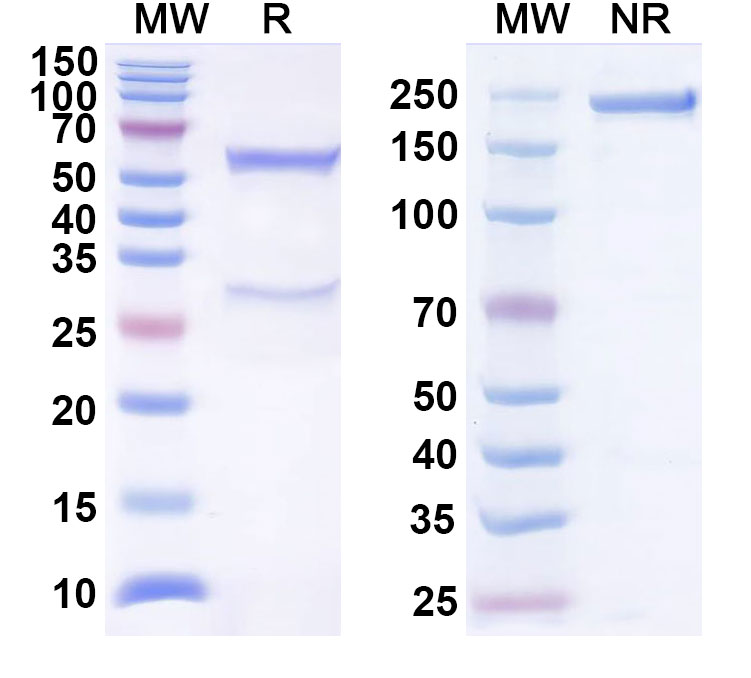
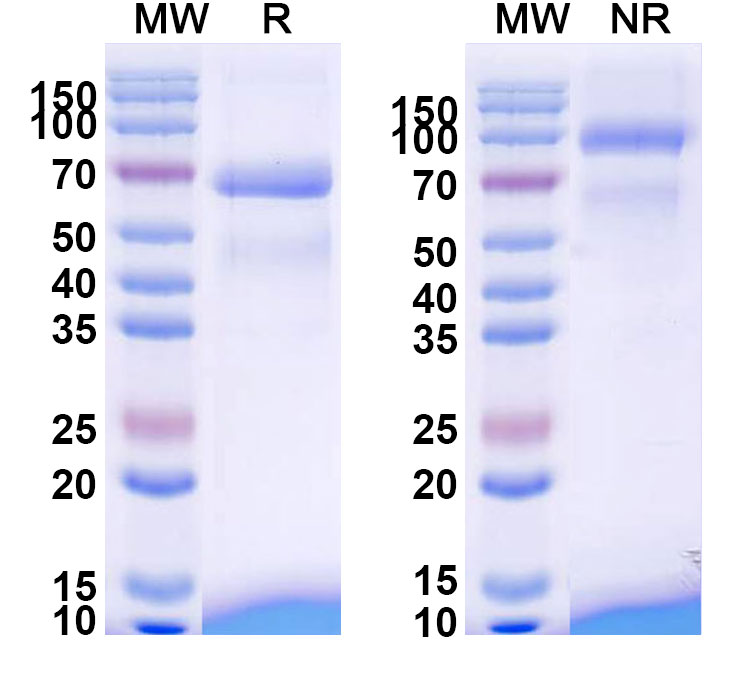
Anti-Human CD3 Antibody (SP34) is a monoclonal antibody, meaning it is produced by a single clone of cells and has a highly specific binding affinity for its target. It is composed of two heavy chains and two light chains, which are connected by disulfide bonds. The variable regions of these chains determine the specificity of the antibody for its target, in this case, the CD3 protein.
Activity of Anti-Human CD3 Antibody (SP34)
The main function of Anti-Human CD3 Antibody (SP34) is to bind to the CD3 protein on the surface of T cells. This binding triggers a signaling cascade that activates the T cells, leading to their proliferation and production of cytokines. This activation of T cells is crucial for their role in the immune response against pathogens and cancer cells.
In addition to activating T cells, Anti-Human CD3 Antibody (SP34) can also induce apoptosis (programmed cell death) in certain types of T cells. This makes it a potential treatment for diseases characterized by an overactive immune response, such as autoimmune disorders.
Therapeutic Applications of Anti-Human CD3 Antibody (SP34)
One of the most promising therapeutic applications of Anti-Human CD3 Antibody (SP34) is in the treatment of autoimmune diseases. By selectively targeting and depleting specific subsets of T cells, this antibody can suppress the overactive immune response that causes these diseases. In fact, Anti-Human CD3 Antibody (SP34) has already been approved for the treatment of graft-versus-host disease (GVHD), a serious complication of bone marrow transplantation.
Another potential application of Anti-Human CD3 Antibody (SP34) is in the treatment of certain types of cancer. By activating T cells and enhancing their anti-tumor activity, this antibody can potentially be used as an immunotherapy to target and kill cancer cells. Clinical trials are currently underway to evaluate the efficacy of Anti-Human CD3 Antibody (SP34) in various types of cancer, including leukemia, lymphoma, and solid tumors.
Research Use of Anti-Human CD3 Antibody (SP34)
Apart from its therapeutic applications, Anti-Human CD3 Antibody (SP34) is also widely used in research. This antibody is commonly used to study the function of T cells and their role in various diseases. It is also used in in vitro experiments to activate T cells and study their response to different stimuli.
Furthermore, Anti-Human CD3 Antibody (SP34) is used in flow cytometry to identify and quantify T cells in a sample. This technique is crucial in monitoring the immune response and assessing the effectiveness of immunotherapies.
Conclusion
In summary, Anti-Human CD3 Antibody (SP34) is a monoclonal antibody that specifically targets the CD3 protein on the surface of T cells. Its main activity is to activate T cells and induce their proliferation and cytokine production. This antibody has shown promising results as a therapeutic target for autoimmune diseases and cancer, and is also widely used in research to study the function of T cells. With ongoing research and clinical trials, Anti-Human CD3 Antibody (SP34) has the potential to revolutionize the treatment of various diseases and improve patient outcomes.


There are no reviews yet.