Tebentafusp Biosimilar – A Novel Anti-CD3E mAb for Targeted Therapy
Tebentafusp Biosimilar is a new and innovative monoclonal antibody (mAb) that specifically targets CD3E, a protein found on the surface of T cells. This biosimilar is a research-grade version of the FDA-approved drug Tebentafusp, which has shown promising results in clinical trials for the treatment of various cancers. In this article, we will explore the structure, activity, and potential applications of Tebentafusp Biosimilar as an antibody and therapeutic target.
Structure of Tebentafusp Biosimilar
Tebentafusp Biosimilar is a chimeric monoclonal antibody, meaning it is made up of both human and mouse components. It is composed of two different types of proteins – the constant region of human immunoglobulin G1 (IgG1) and the variable region of a mouse anti-CD3E antibody. This unique combination allows for specific binding to CD3E on T cells, while also maintaining stability and efficacy in the human body.
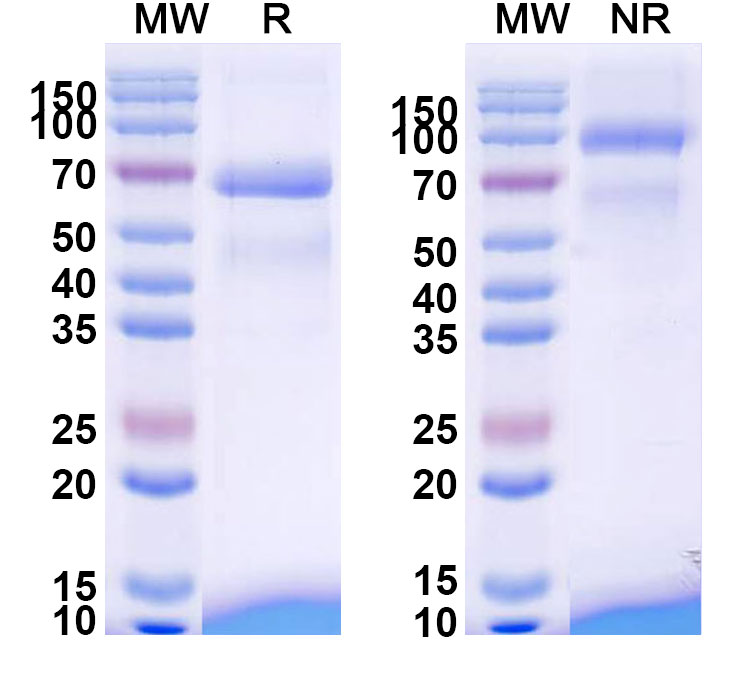
The antibody has a molecular weight of approximately 150 kDa and is composed of four subunits – two heavy chains and two light chains. The heavy chains are responsible for binding to the Fc receptors on immune cells, while the light chains are responsible for binding to the CD3E protein.
Activity of Tebentafusp Biosimilar
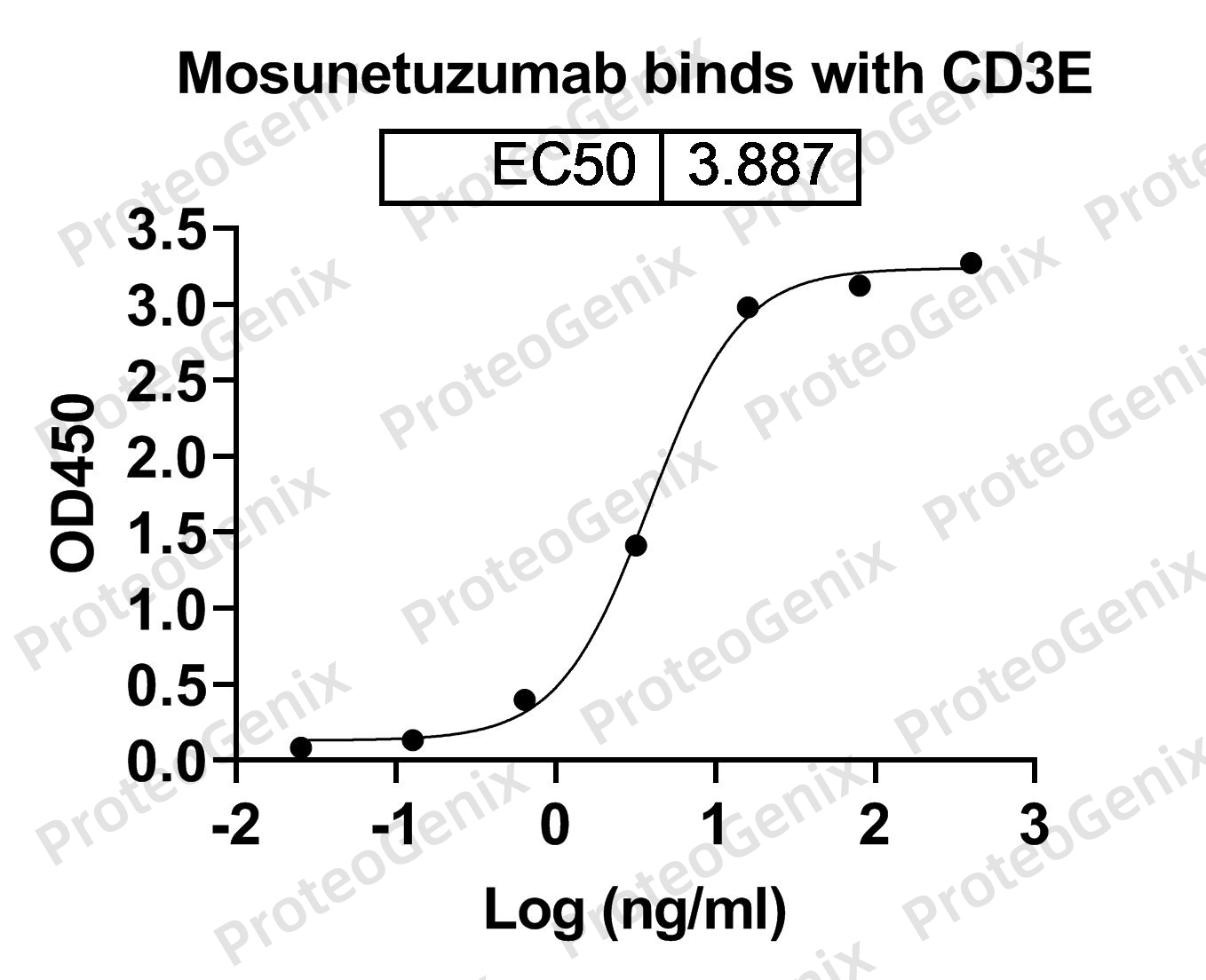
Tebentafusp Biosimilar works by binding to CD3E on the surface of T cells, which triggers a cascade of events that leads to the activation and proliferation of these cells. This activation of T cells is crucial for the body’s immune response against cancer cells.
One of the unique properties of Tebentafusp Biosimilar is its ability to selectively target CD3E on T cells, without affecting other immune cells. This targeted approach minimizes the risk of side effects and allows for a more effective and specific treatment for cancer.
Additionally, Tebentafusp Biosimilar has been shown to have a long half-life in the body, allowing for sustained activity and prolonged treatment effects. This is especially important in the treatment of cancer, where continuous and targeted therapy is crucial for successful outcomes.
Applications of Tebentafusp Biosimilar
As a biosimilar of the FDA-approved drug Tebentafusp, this antibody has shown great potential in the treatment of various cancers. In particular, it has been studied for its efficacy in targeting and killing cancer cells in melanoma, prostate cancer, and ovarian cancer.
In clinical trials, Tebentafusp Biosimilar has shown promising results in improving overall survival and progression-free survival in patients with advanced melanoma. It has also shown potential in combination with other cancer treatments, such as checkpoint inhibitors, for even greater efficacy.
Furthermore, Tebentafusp Biosimilar has also been studied for its potential in treating autoimmune diseases, as it has the ability to selectively target and regulate T cell activity. This opens up opportunities for the development of new therapies for conditions such as rheumatoid arthritis and multiple sclerosis.
Conclusion
Tebentafusp Biosimilar is a novel and promising monoclonal antibody that specifically targets CD3E on T cells. Its unique structure and targeted activity make it a potential game-changer in the treatment of various cancers and autoimmune diseases. With ongoing research and clinical trials, Tebentafusp Biosimilar has the potential to improve patient outcomes and revolutionize targeted therapy in the field of medicine.
Keywords: Tebentafusp Biosimilar, Anti-CD3E mAb, monoclonal antibody, targeted therapy, cancer, autoimmune diseases


There are no reviews yet.