Introduction
Lesabelimab Biosimilar, also known as Anti-CD274 mAb, is a monoclonal antibody that has been developed as a biosimilar to the original drug, Lesabelimab. This antibody is designed to target CD274, also known as Programmed Death-Ligand 1 (PD-L1), which is a protein found on the surface of certain cancer cells. In this article, we will discuss the structure, activity, and potential applications of Lesabelimab Biosimilar as a therapeutic agent in cancer treatment.
Structure of Lesabelimab Biosimilar
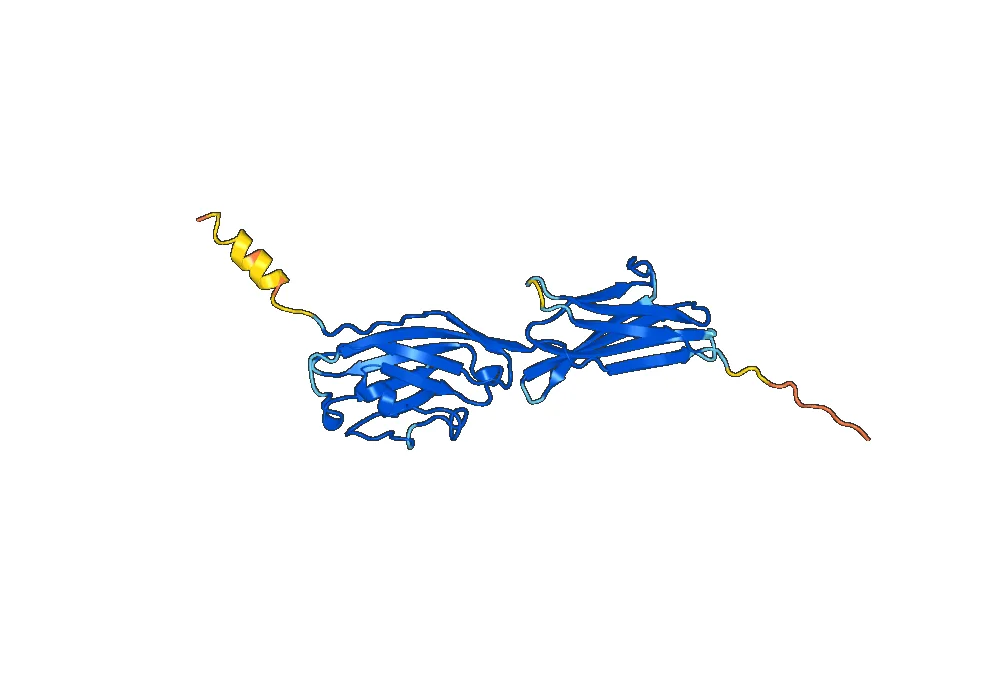
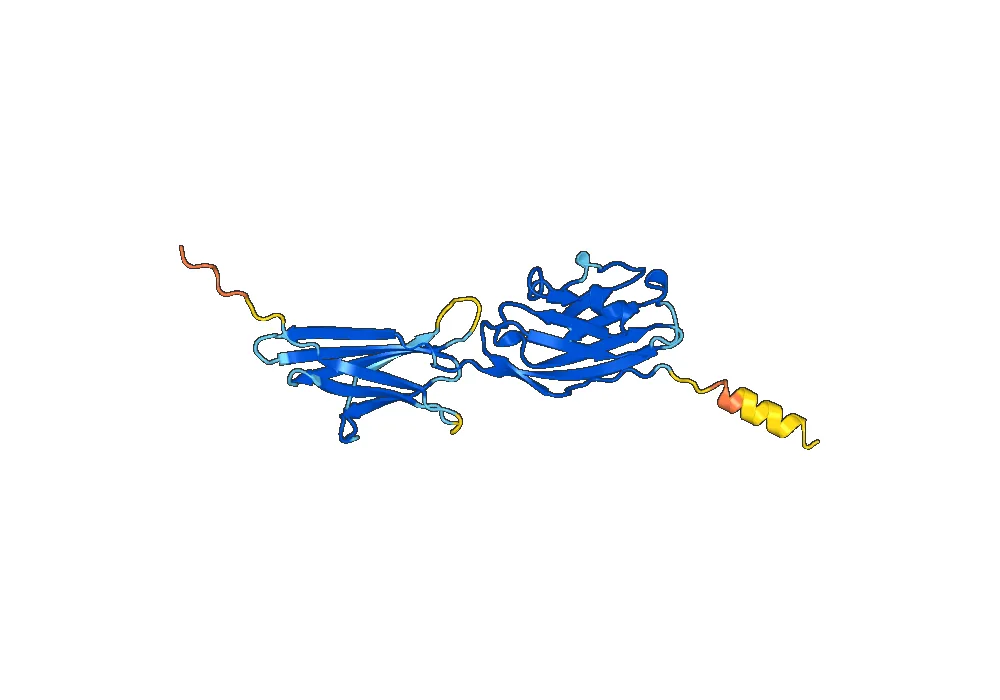
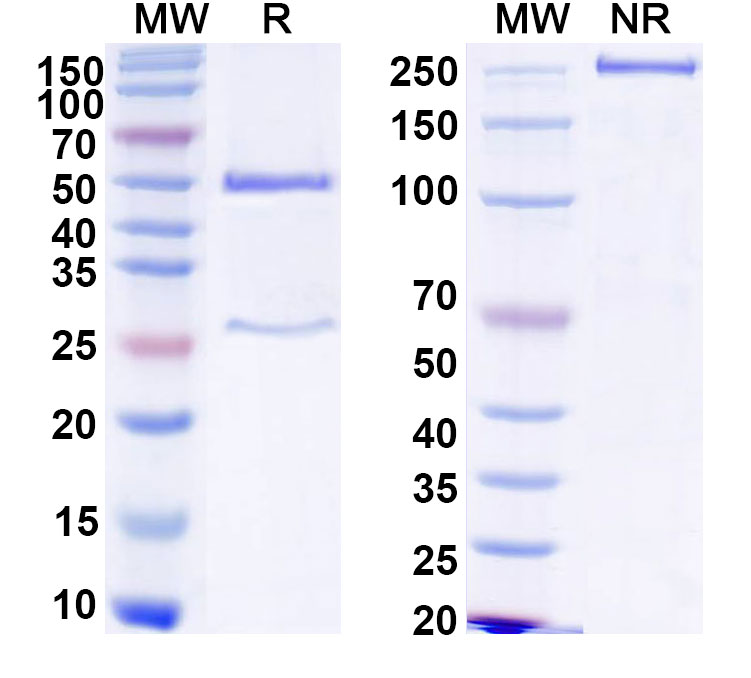
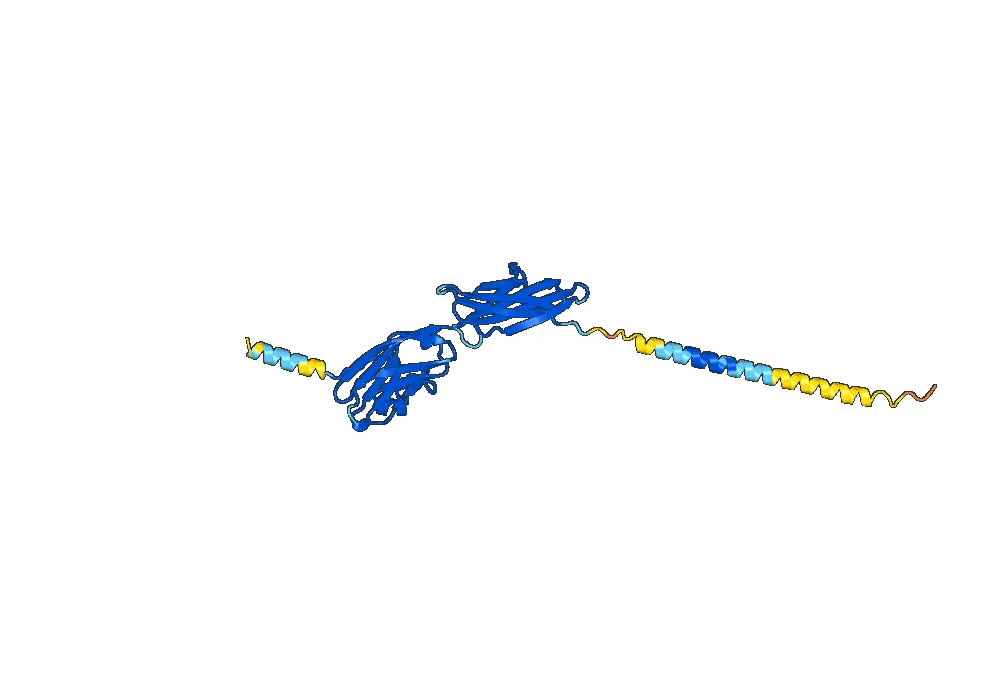
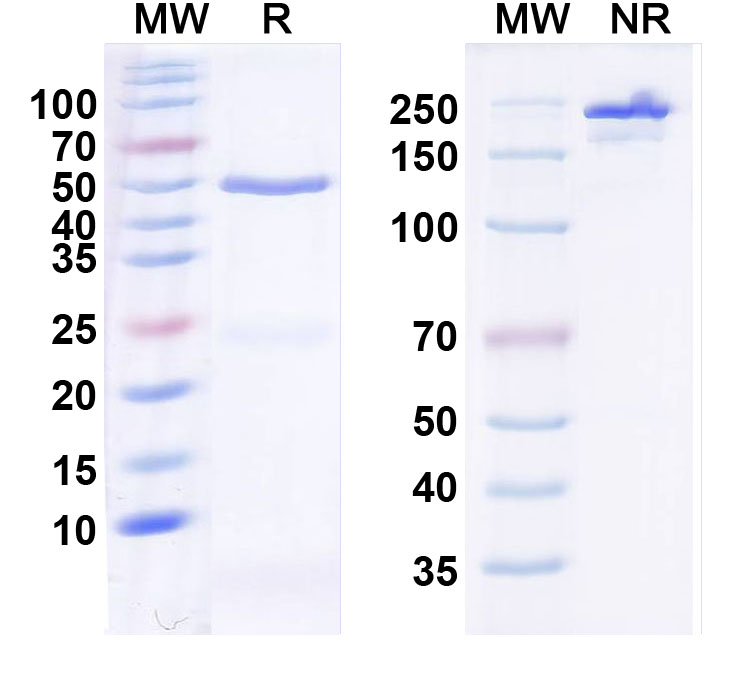
Lesabelimab Biosimilar is a recombinant humanized IgG4 monoclonal antibody, meaning that it is produced in a laboratory using genetic engineering techniques. It is composed of two heavy chains and two light chains, with a total molecular weight of approximately 150 kDa. The antibody has a Y-shaped structure, with two antigen-binding sites located at the tips of the Y. These binding sites are specific for CD274, allowing the antibody to bind to and block the activity of this protein.
Activity of Lesabelimab Biosimilar
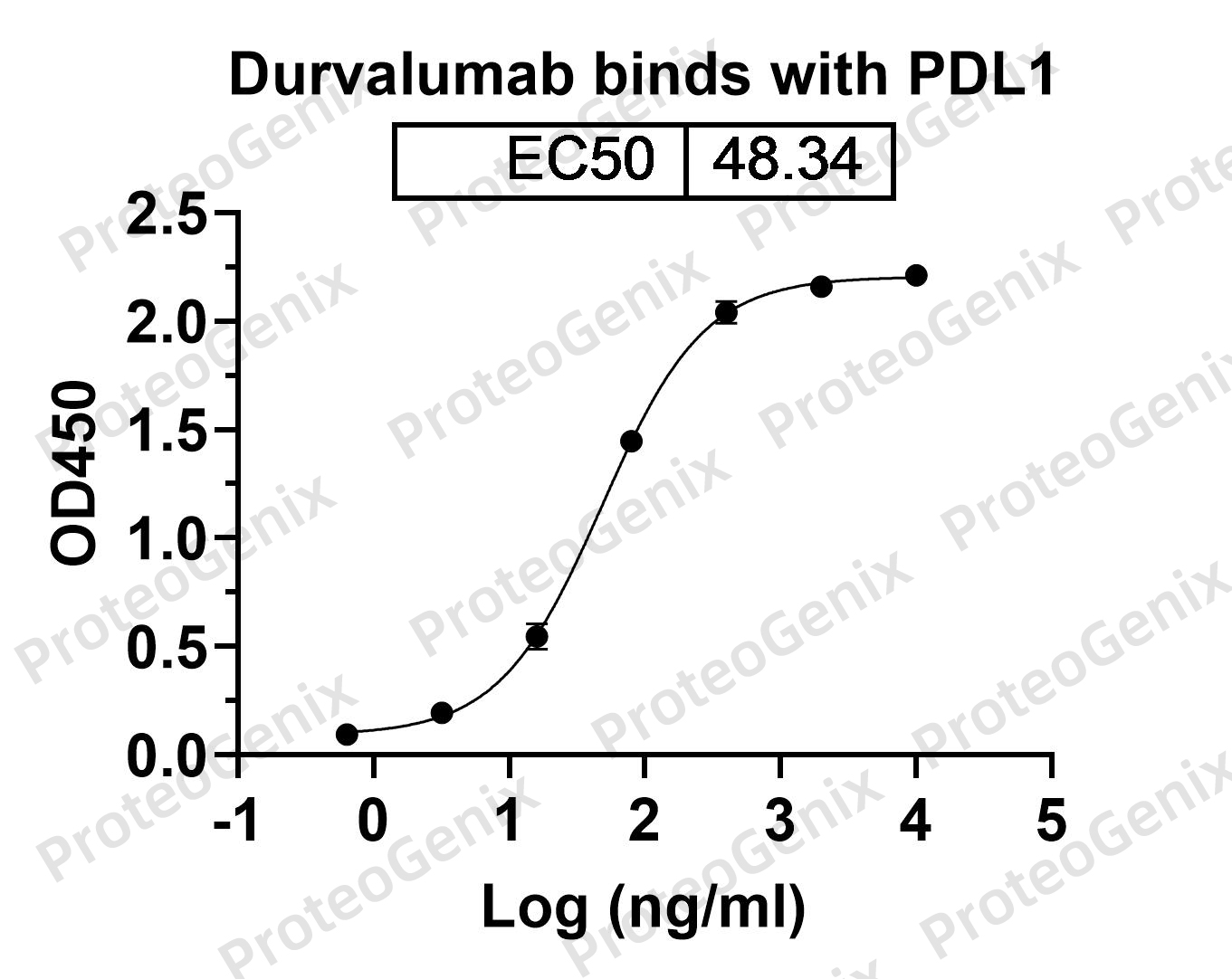
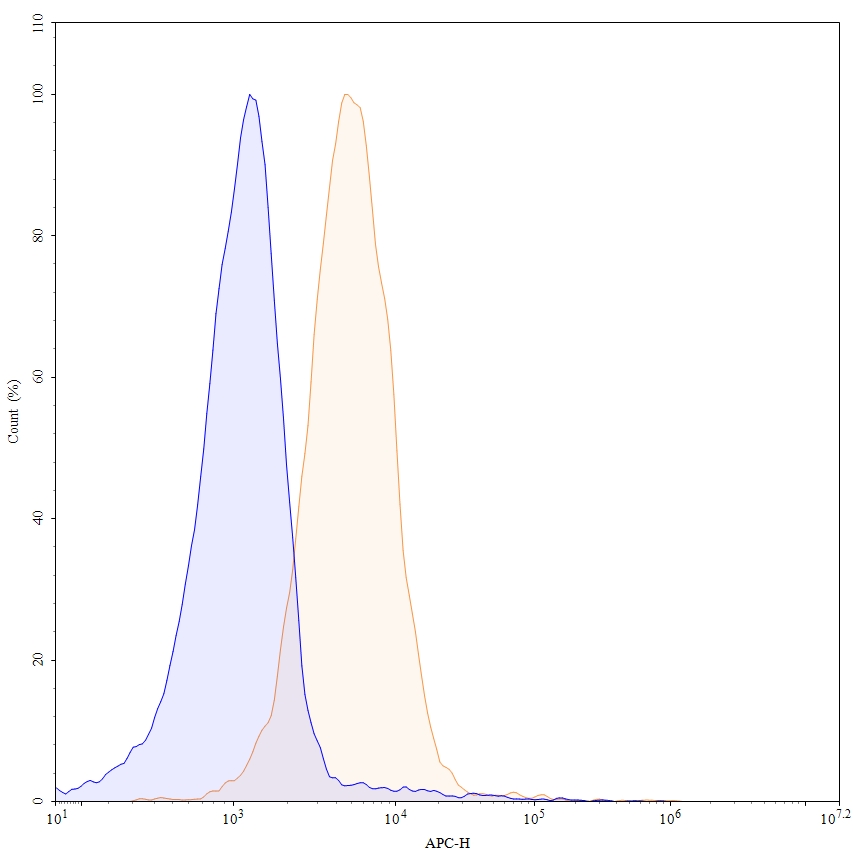
The main activity of Lesabelimab Biosimilar is to block the interaction between CD274 and its receptor, Programmed Cell Death Protein 1 (PD-1), on the surface of immune cells. This interaction is known to inhibit the activity of immune cells, preventing them from attacking cancer cells. By blocking this interaction, Lesabelimab Biosimilar allows the immune cells to recognize and attack cancer cells, leading to their destruction.
In addition, Lesabelimab Biosimilar can also induce antibody-dependent cellular cytotoxicity (ADCC) and complement-dependent cytotoxicity (CDC). This means that the antibody can bind to CD274 on the surface of cancer cells and recruit immune cells to attack and kill them. This mechanism of action makes Lesabelimab Biosimilar a potent anti- cancer agent.
Applications of Lesabelimab Biosimilar
Lesabelimab Biosimilar has been primarily developed as a therapeutic agent for the treatment of various types of cancer. It has shown promising results in clinical trials for the treatment of non-small cell lung cancer, melanoma, and bladder cancer. In these trials, Lesabelimab Biosimilar has demonstrated its ability to improve overall survival and progression-free survival in patients with advanced or metastatic cancer.
Moreover, Lesabelimab Biosimilar has also shown potential as a combination therapy with other anti- cancer drugs, such as chemotherapy and other immunotherapies. This is due to its ability to enhance the anti-tumor immune response and improve the efficacy of these treatments.
Apart from its application in cancer treatment, Lesabelimab Biosimilar also has potential in the treatment of autoimmune diseases. CD274 has been found to play a role in the development of autoimmune disorders, and by blocking its activity, Lesabelimab Biosimilar may be able to treat diseases such as rheumatoid arthritis and multiple sclerosis.
Conclusion
In summary, Lesabelimab Biosimilar is a recombinant humanized IgG4 monoclonal antibody that targets CD274, a protein found on the surface of cancer cells. Its main activity is to block the interaction between CD274 and PD-1, leading to the activation of immune cells and the destruction of cancer cells. Lesabelimab Biosimilar has shown promising results in clinical trials for the treatment of various types of cancer and has potential in combination therapy and treatment of autoimmune diseases. This biosimilar offers a promising option for patients in need of effective and targeted cancer treatment.
There are no reviews yet.