Introduction
Danburstotug Biosimilar is a novel anti-PD-L1 monoclonal antibody (mAb) that has been developed for the treatment of various types of cancers. This biosimilar is a research grade product that has been designed to mimic the structure and function of the original anti-PD-L1 mAb, with the aim of providing a more affordable and accessible treatment option for patients.
Structure
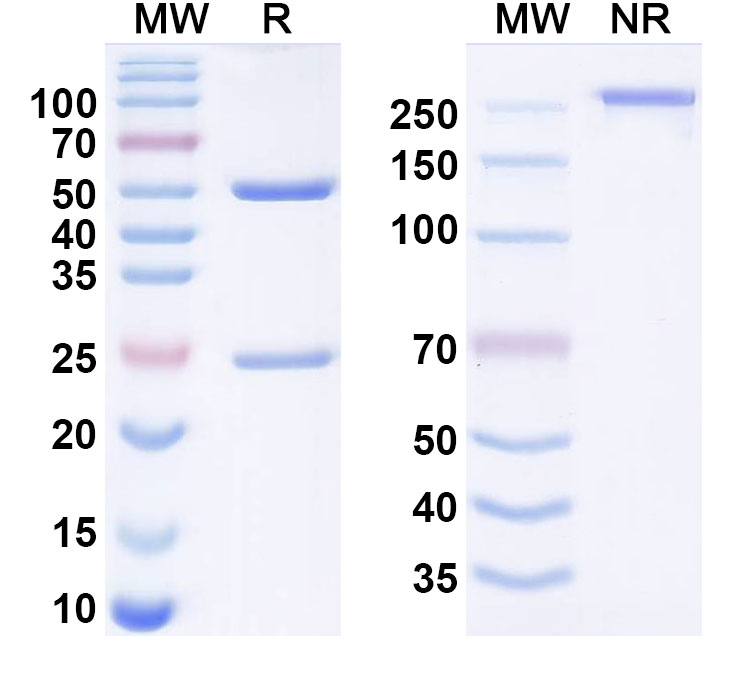
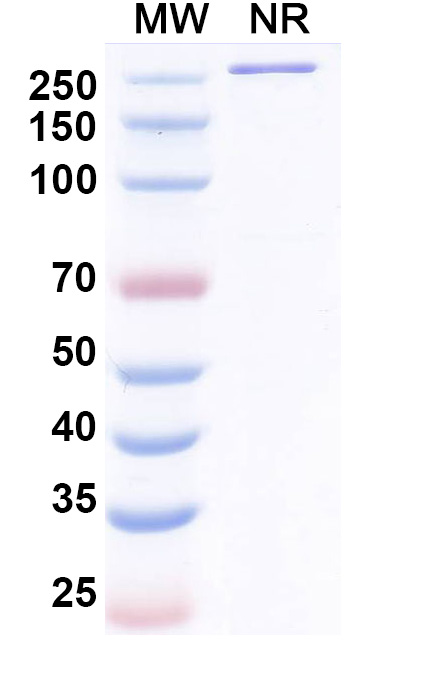
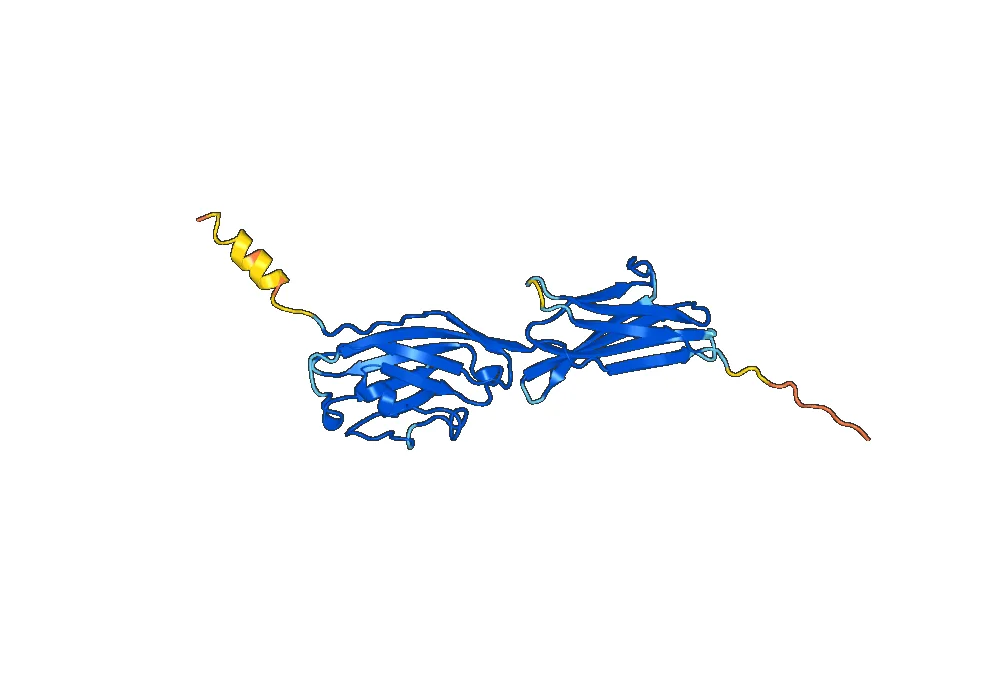
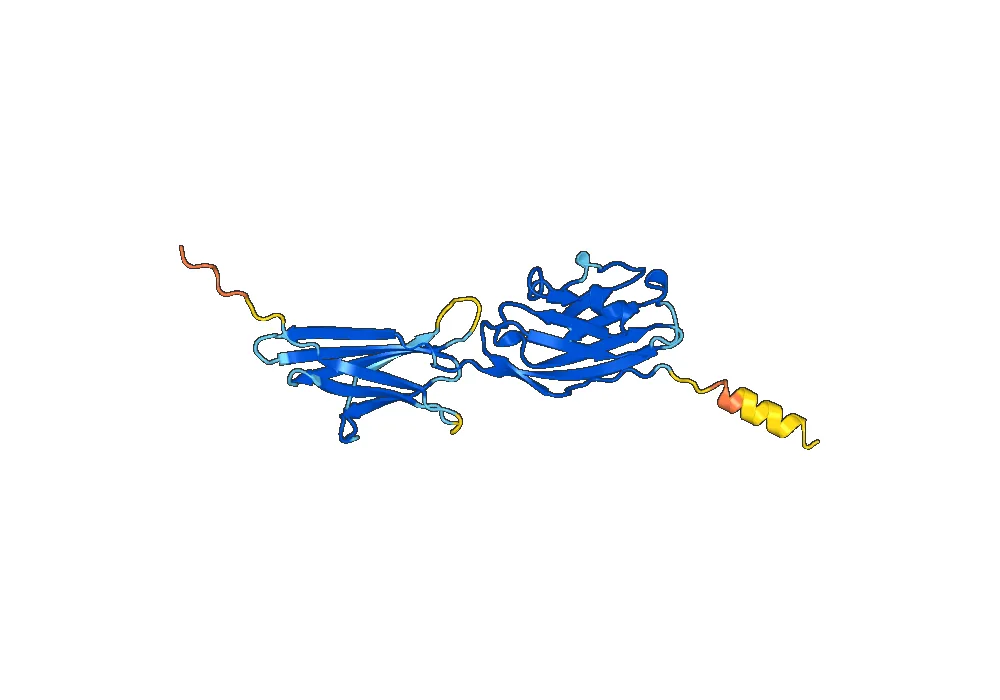
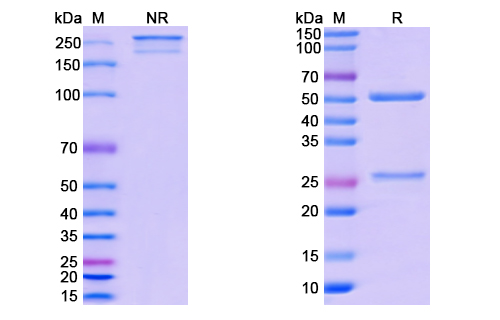
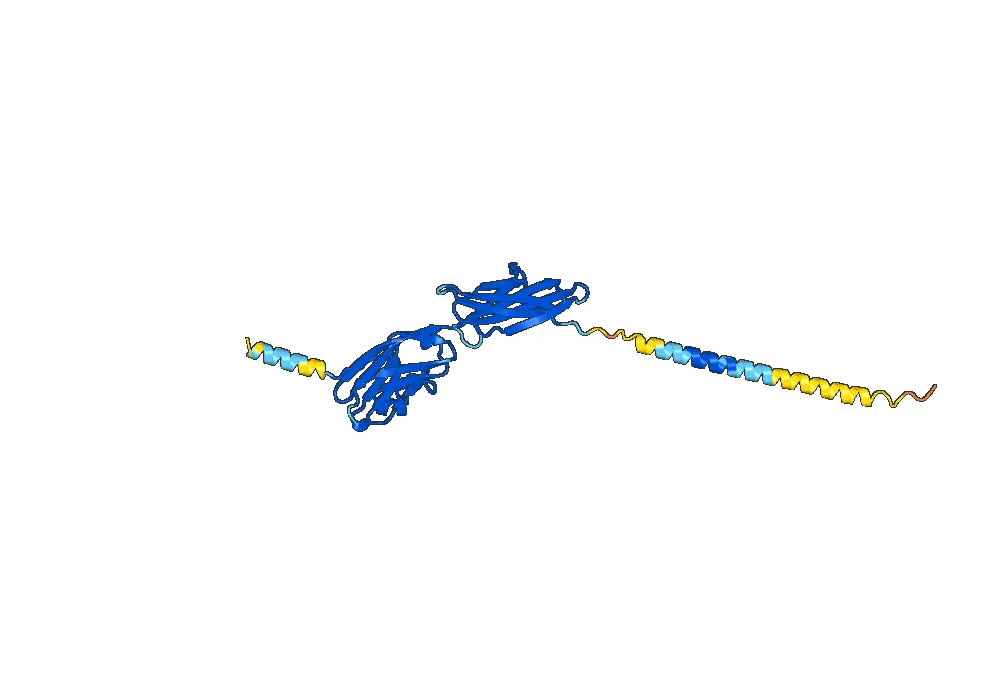
Danburstotug Biosimilar is a recombinant humanized IgG1 mAb that has been produced using advanced biotechnological methods. It is composed of two identical heavy chains and two identical light chains, each containing a variable and a constant region. The variable regions of the heavy and light chains are responsible for binding to the target antigen, PD-L1, while the constant regions provide stability and effector functions.
Activity
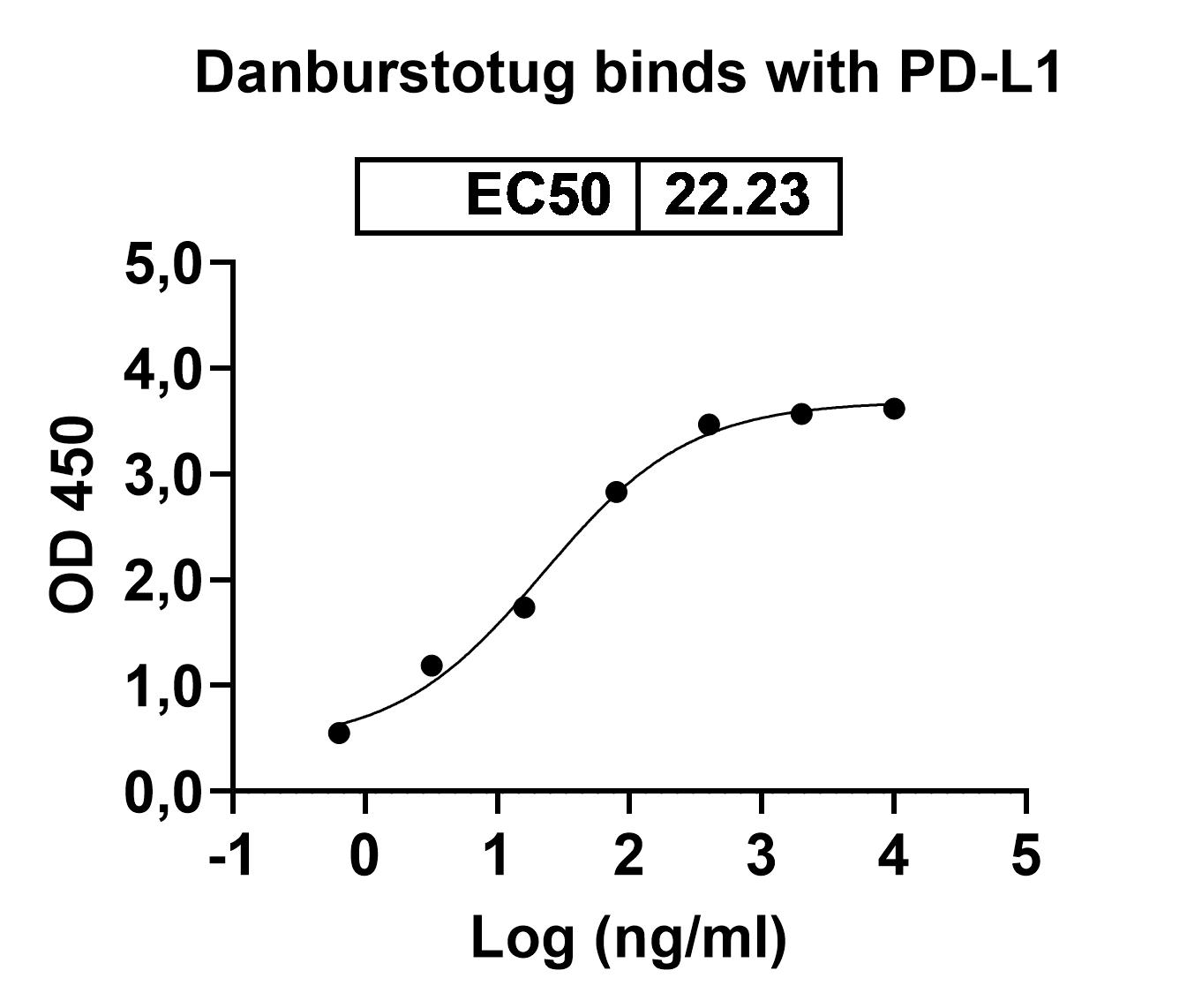
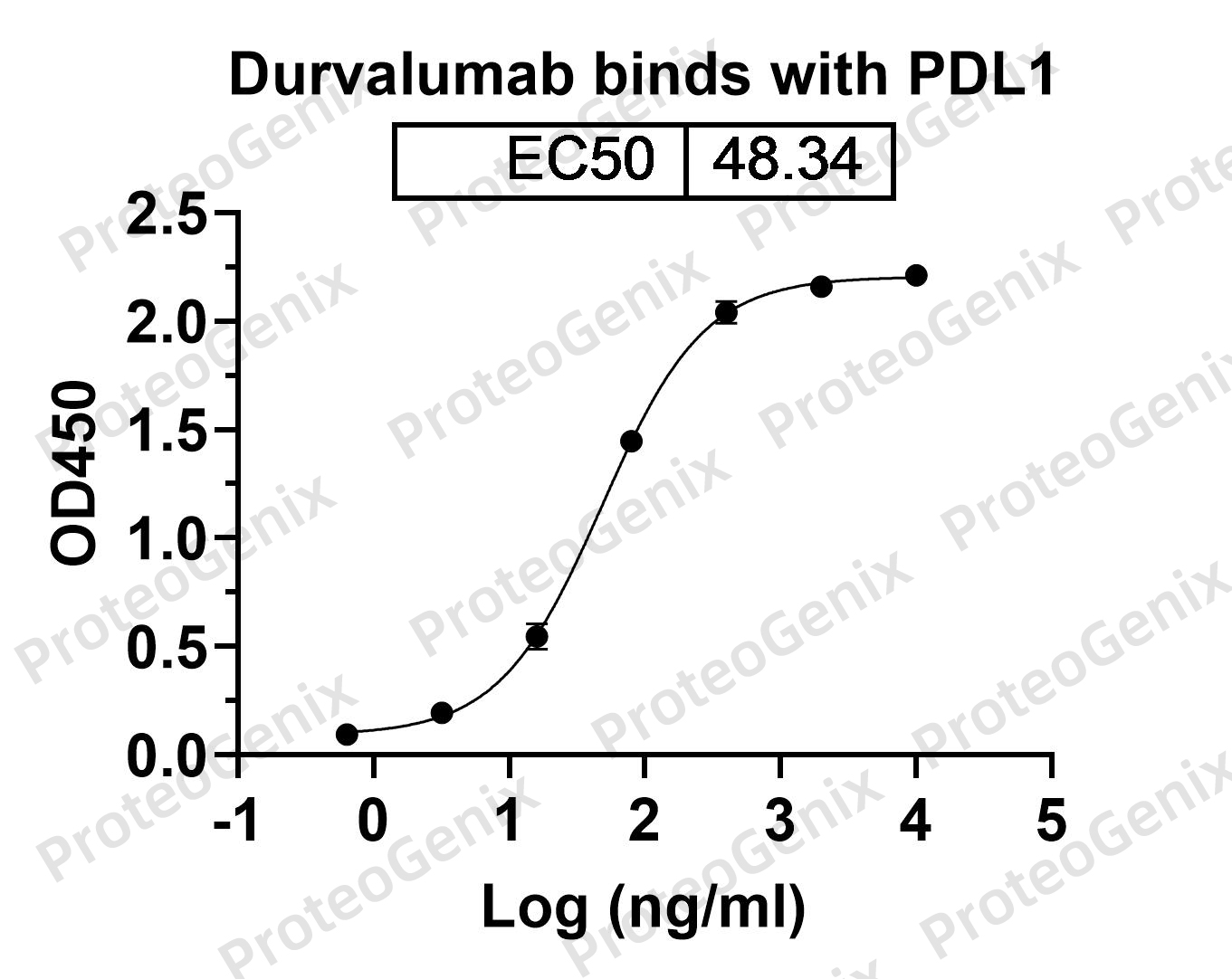
The primary mechanism of action of Danburstotug Biosimilar is the blockade of PD-L1, a protein found on the surface of cancer cells. PD-L1 binds to the PD-1 receptor on immune cells, inhibiting their activity and allowing cancer cells to evade the immune system. By binding to PD-L1, Danburstotug Biosimilar prevents this interaction and restores the immune response against cancer cells.
In addition to its direct effect on
cancer cells, Danburstotug Biosimilar also has indirect effects on the immune system. It can activate immune cells such as T cells and natural killer cells, which can then directly attack cancer cells. It can also enhance the production of cytokines, which are signaling molecules that play a crucial role in regulating the immune response.
Application
Danburstotug Biosimilar is being investigated for its potential to treat various types of cancers, including lung, bladder, and head and neck cancers. It is currently in preclinical and clinical trials, with promising results showing its efficacy and safety in treating these cancers.
One of the key advantages of Danburstotug Biosimilar is its potential to be used in combination with other cancer therapies. Studies have shown that combining anti-PD-L1 mAbs with other treatments, such as chemotherapy and targeted therapy, can lead to better outcomes for patients. This makes Danburstotug Biosimilar a valuable addition to the current arsenal of cancer treatments.
Conclusion
In summary, Danburstotug Biosimilar is a research grade anti-PD-L1 mAb that has been developed as a more affordable and accessible treatment option for cancer patients. Its structure, activity, and potential applications make it a promising candidate for the treatment of various types of cancers. Further research and clinical trials are needed to fully understand and utilize the potential of this biosimilar in the fight against cancer.
There are no reviews yet.