Introduction
Manelimab Biosimilar, also known as Anti-CD274, PD-L1, B7-H1 mAb, is a research grade antibody that has shown promising results in the treatment of various diseases. This antibody targets the PD-L1 (programmed death-ligand 1) protein, which plays a crucial role in regulating the immune response. In this article, we will discuss the structure, activity, and potential applications of Manelimab Biosimilar.
Structure of Manelimab Biosimilar
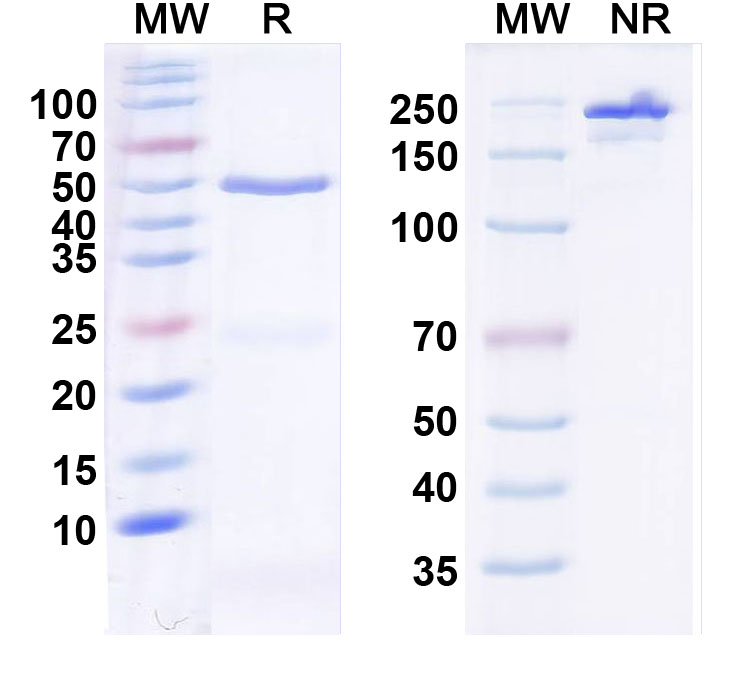
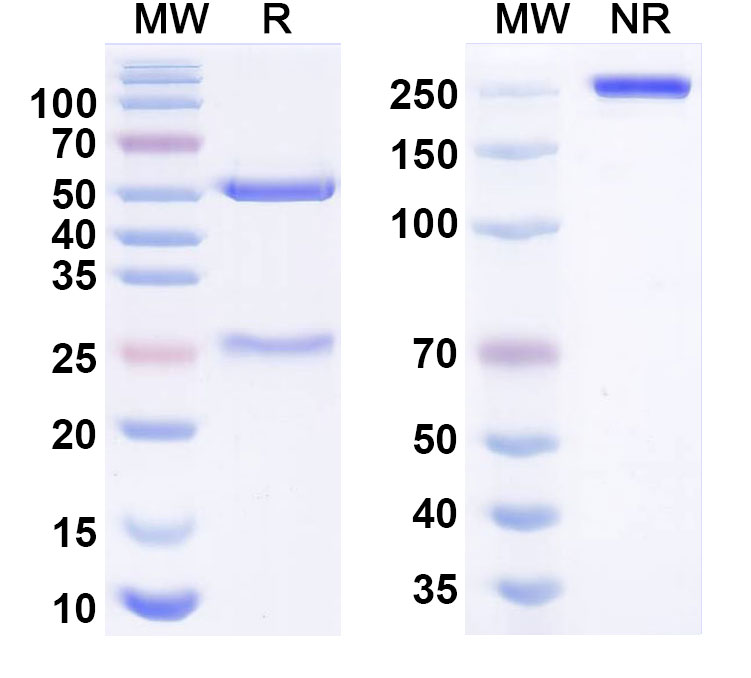
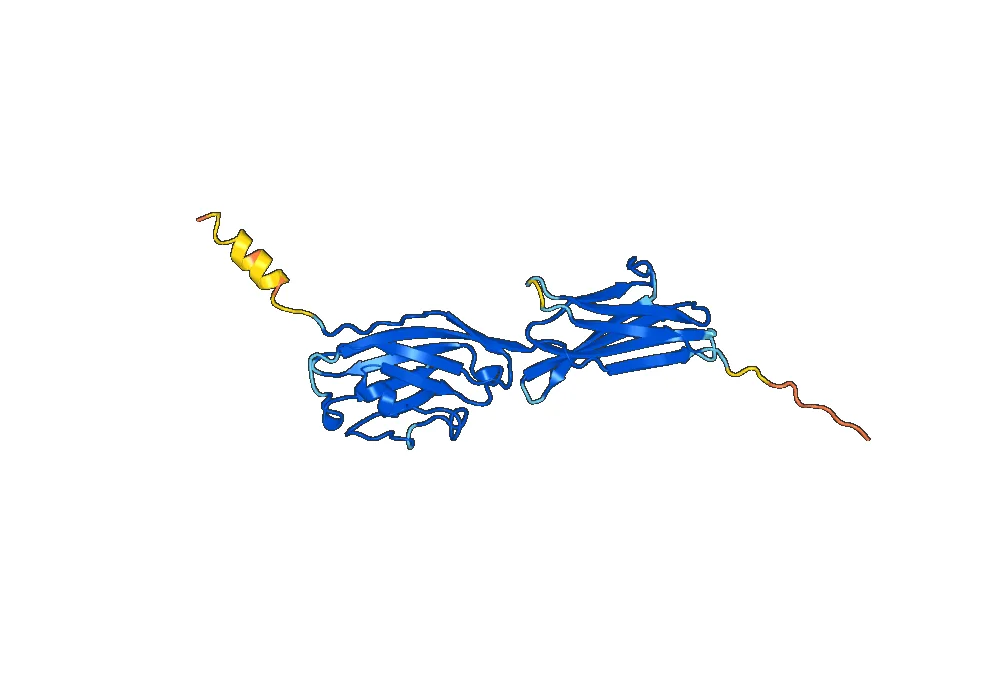
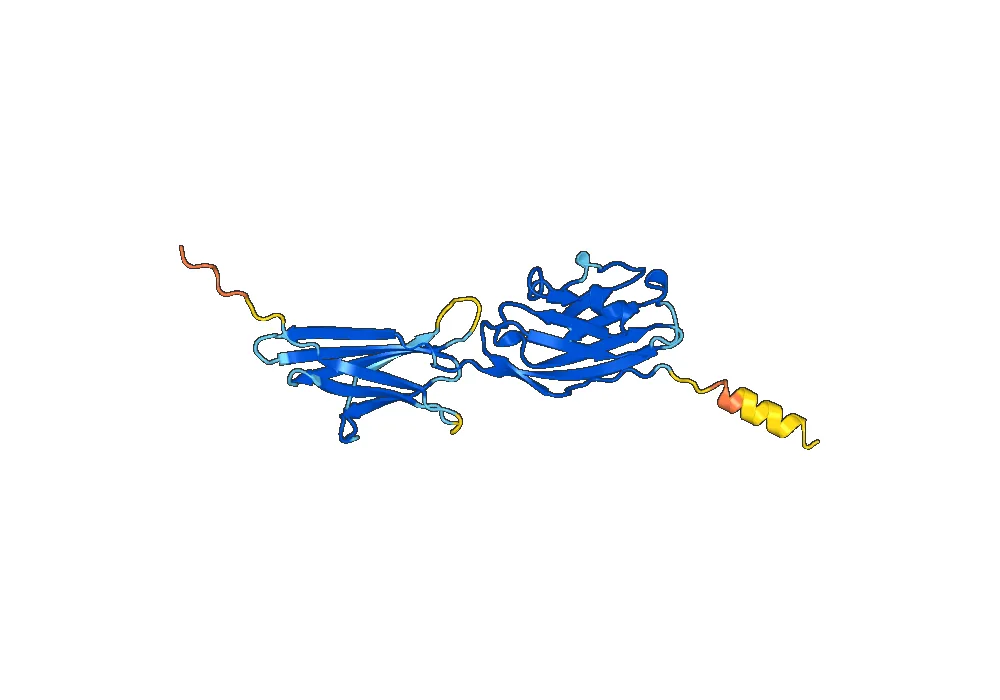
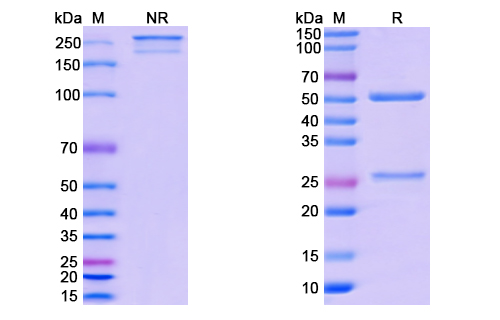
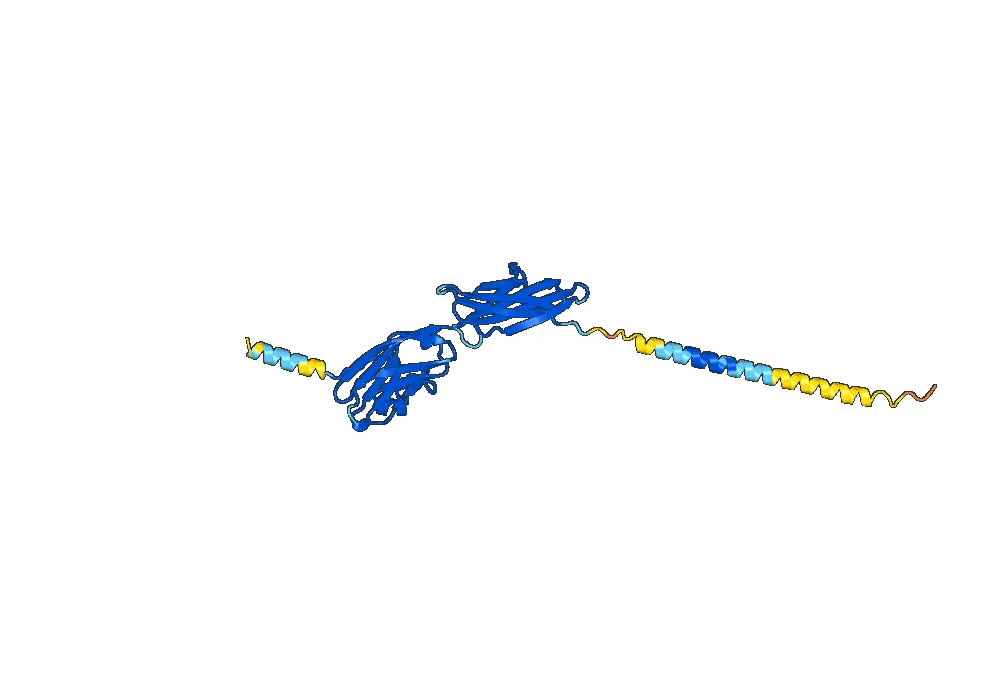
Manelimab Biosimilar is a monoclonal antibody (mAb) that is produced by recombinant DNA technology. It is a fully humanized IgG1 antibody with a molecular weight of approximately 150 kDa. The antibody consists of two heavy chains and two light chains, each containing a variable region and a constant region. The variable regions are responsible for binding to the target protein, PD-L1.
Mechanism of Action
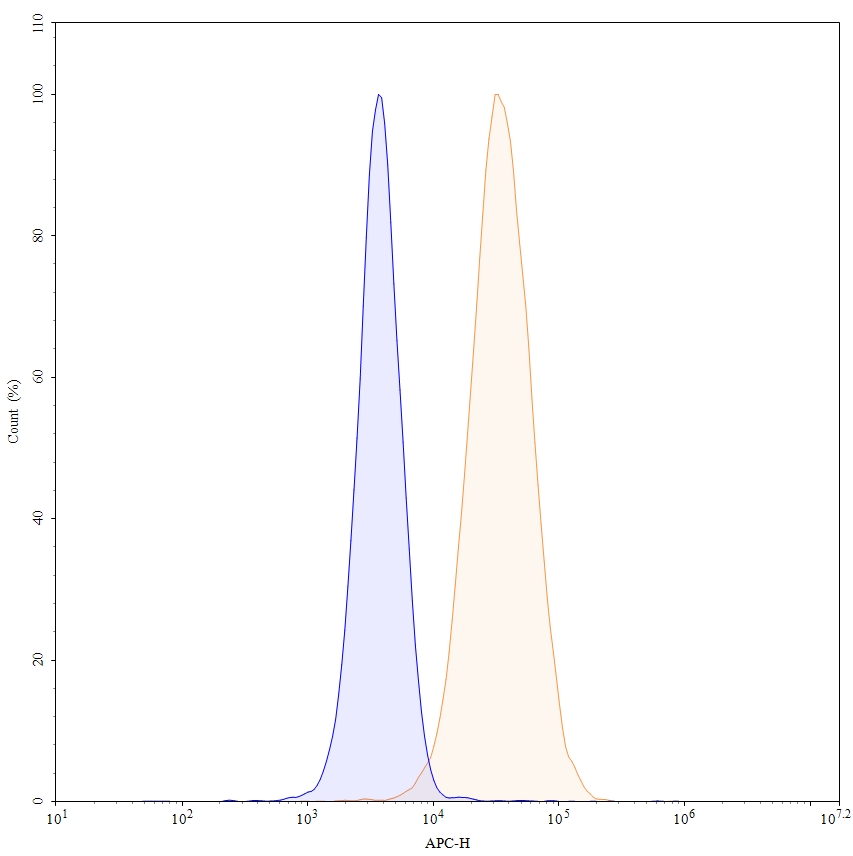
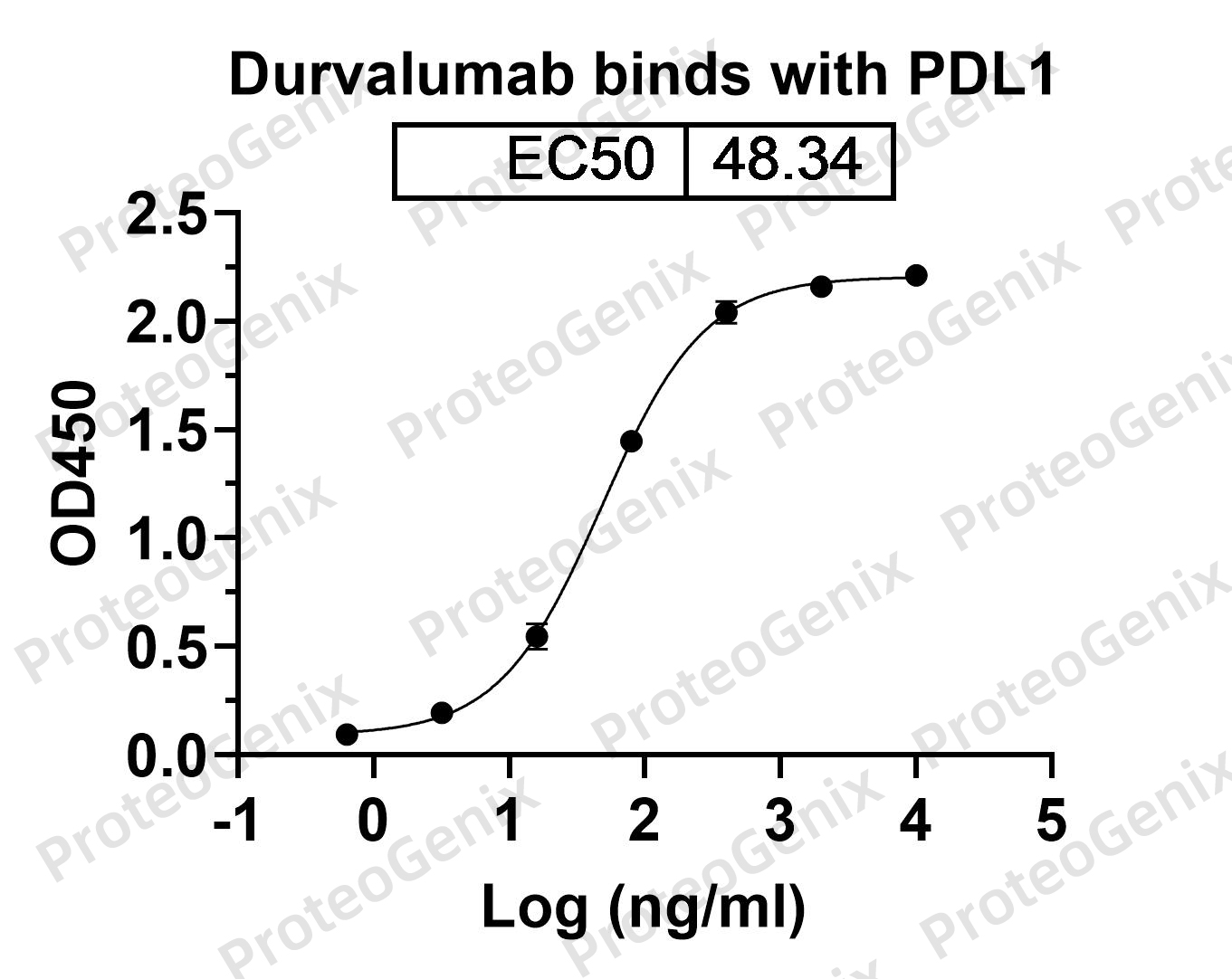
Manelimab Biosimilar works by binding to PD-L1 on the surface of cancer cells and other immune cells. PD-L1 is a checkpoint protein that is overexpressed in many types of cancer, allowing cancer cells to evade the immune system. By binding to PD-L1, Manelimab Biosimilar blocks the interaction between PD-L1 and its receptor, PD-1, on T cells. This prevents the suppression of T cell activity, allowing them to recognize and attack cancer cells.
Potential Applications
Manelimab Biosimilar has shown promising results in preclinical and clinical studies for the treatment of various types of cancer, including lung cancer, melanoma, and bladder cancer. It has also been investigated for its potential in treating autoimmune diseases, such as rheumatoid arthritis and multiple sclerosis.
Lung Cancer Lung
cancer is the leading cause of cancer-related deaths worldwide. PD-L1 is overexpressed in many cases of lung cancer, making it an attractive therapeutic target for Manelimab Biosimilar. Clinical trials have shown that Manelimab Biosimilar, when used in combination with other cancer treatments, can improve overall survival and progression-free survival in patients with non-small cell lung cancer.
Melanoma Melanoma is a type of skin
cancer that is difficult to treat, especially in advanced stages. Studies have shown that Manelimab Biosimilar can improve the response to immunotherapy in patients with advanced melanoma. It has also been shown to have a synergistic effect when combined with other immunotherapies, such as anti-CTLA-4 antibodies.
Autoimmune Diseases
Autoimmune diseases occur when the immune system mistakenly attacks healthy cells in the body. PD-L1 plays a role in regulating the immune response and is overexpressed in many autoimmune diseases. Manelimab Biosimilar has shown promising results in preclinical studies for the treatment of rheumatoid arthritis and multiple sclerosis. It works by blocking the interaction between PD-L1 and its receptor, preventing the suppression of T cell activity and reducing the autoimmune response.
Conclusion
In conclusion, Manelimab Biosimilar is a research grade antibody that targets the PD-L1 protein and has shown promising results in the treatment of various diseases, including cancer and autoimmune diseases. Its unique mechanism of action makes it a promising therapeutic option for patients in need of effective treatments. Further research and clinical trials are needed to fully understand the potential of Manelimab Biosimilar and its role in improving patient outcomes.
There are no reviews yet.