Socazolimab Biosimilar: A Promising Anti-PDL1 mAb for Immunotherapy Introduction
Socazolimab Biosimilar, also known as Anti-PDL1 mAb, is a monoclonal antibody that targets the programmed death-ligand 1 (PD-L1) protein. It is a research-grade therapeutic agent that has shown promising results in preclinical studies and is currently being evaluated in clinical trials for the treatment of various cancers. In this article, we will explore the structure, activity, and potential applications of Socazolimab Biosimilar as an antibody-based therapeutic agent.
Structure
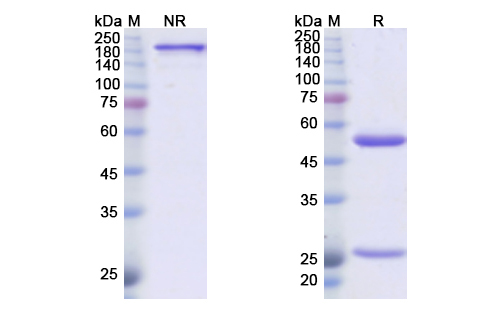
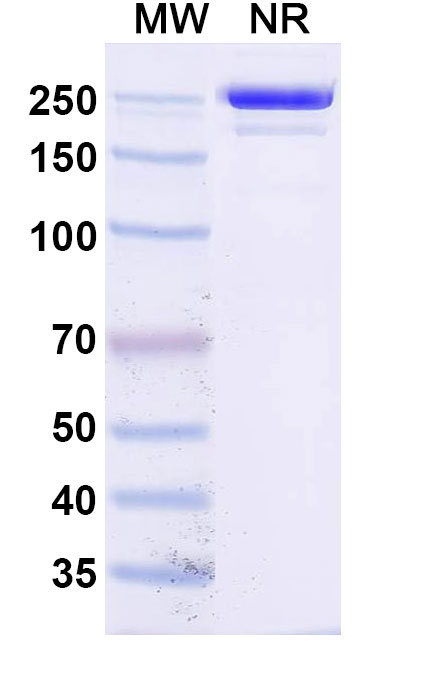
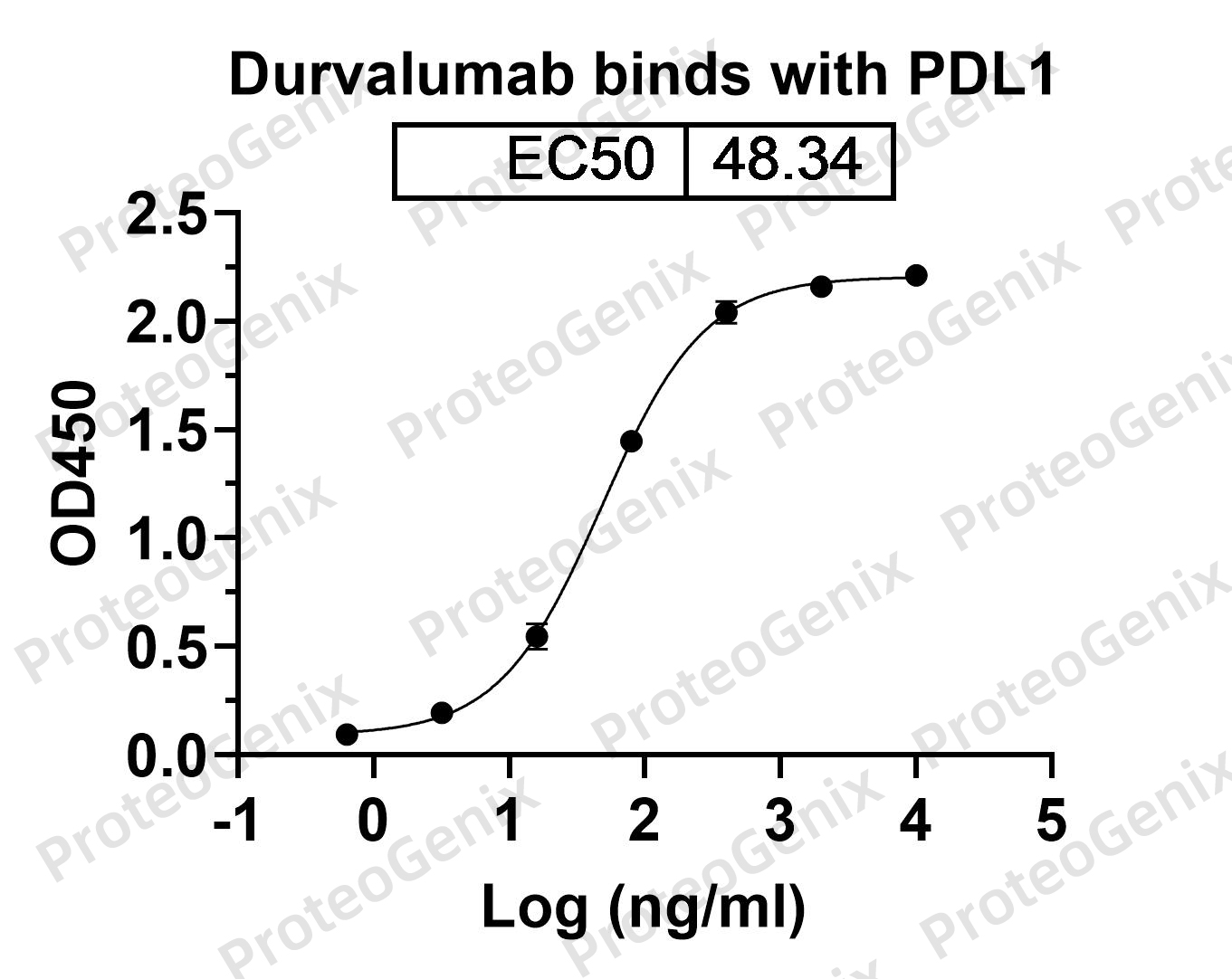
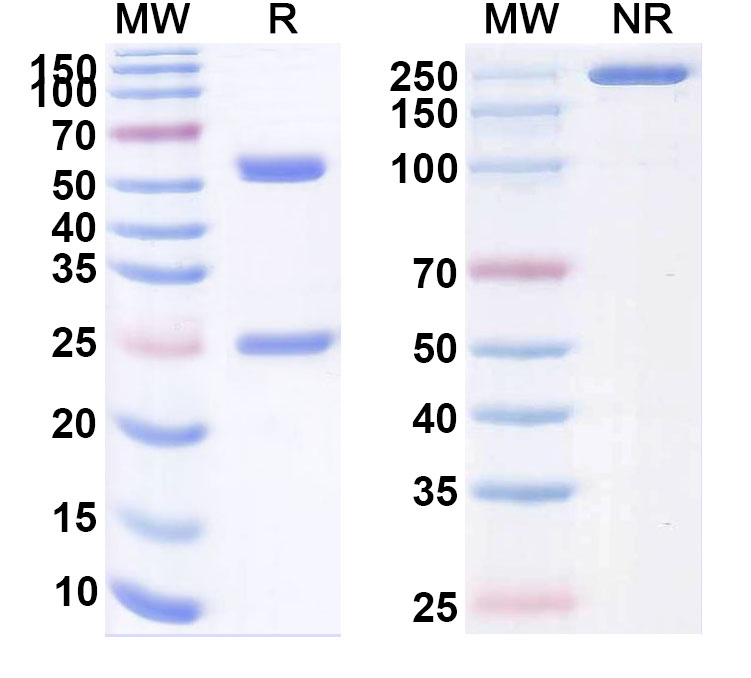
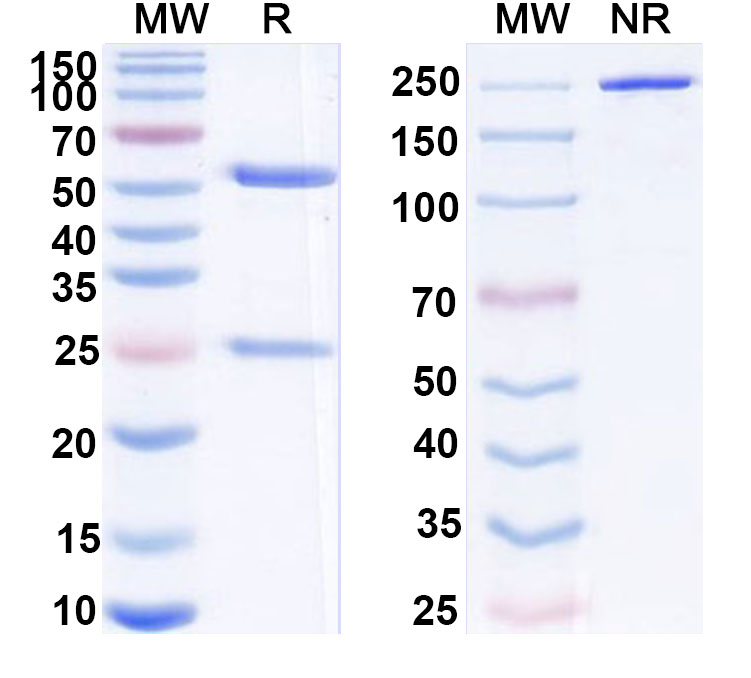
Socazolimab Biosimilar is a fully humanized IgG4 monoclonal antibody, meaning it is derived from human cells and has a four-chain structure consisting of two heavy chains and two light chains. The antibody is specifically designed to bind to the PD-L1 protein, which is expressed on the surface of tumor cells and immune cells. The binding of Socazolimab Biosimilar to PD-L1 blocks its interaction with the programmed cell death protein 1 (PD-1) receptor on T cells, thereby preventing the suppression of the immune response.
Activity
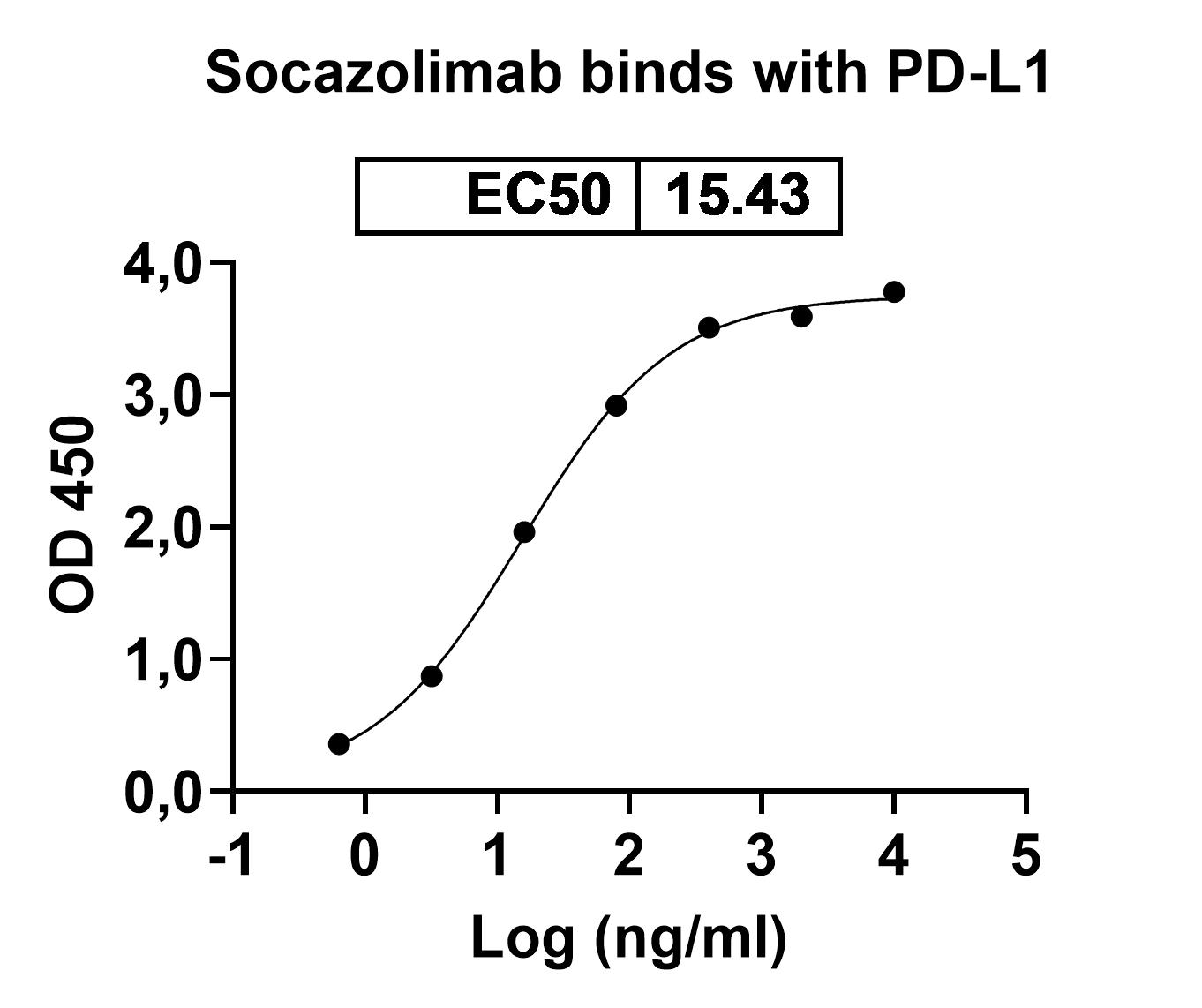
The main activity of Socazolimab Biosimilar is its ability to block the PD-L1/PD-1 pathway, which is a key mechanism used by cancer cells to evade the immune system. By binding to PD-L1, Socazolimab Biosimilar prevents the inhibitory signal from being transmitted to T cells, thus restoring their ability to recognize and attack cancer cells. This leads to an enhanced anti-tumor immune response and ultimately, tumor regression.
Moreover, Socazolimab Biosimilar has also been shown to have a direct cytotoxic effect on PD-L1-expressing tumor cells. This is achieved through the activation of antibody-dependent cellular cytotoxicity (ADCC) and complement-dependent cytotoxicity (CDC), where the antibody binds to PD-L1 on tumor cells and recruits immune cells and complement proteins to destroy them.
Application
Socazolimab Biosimilar has shown promising results in preclinical studies and is currently being evaluated in clinical trials for the treatment of various cancers, including non-small cell lung cancer, melanoma, and bladder cancer. It has also been granted orphan drug designation by the US Food and Drug Administration (FDA) for the treatment of Merkel cell carcinoma, a rare and aggressive skin cancer.
In addition to its potential as a monotherapy, Socazolimab Biosimilar is also being investigated in combination with other anti- cancer therapies, such as chemotherapy, targeted therapy, and other immunotherapies. This is based on the rationale that combining different treatment modalities can lead to a synergistic effect and improve overall treatment outcomes.
Conclusion
Socazolimab Biosimilar is a promising anti-PDL1 monoclonal antibody with a unique mechanism of action. Its ability to block the PD-L1/PD-1 pathway and induce direct cytotoxicity makes it a potential therapeutic option for various cancers. With ongoing clinical trials, Socazolimab Biosimilar has the potential to become a valuable addition to the current arsenal of cancer treatments, providing hope for patients with difficult-to-treat cancers.
There are no reviews yet.