Introduction
Benmelstobart Biosimilar is a research grade antibody that targets the B7-H1 protein. This protein is a well-known therapeutic target in the field of immunotherapy, specifically in cancer treatment. In this article, we will explore the structure, activity, and potential applications of this biosimilar in the context of B7-H1 targeting.
Structure of Benmelstobart Biosimilar
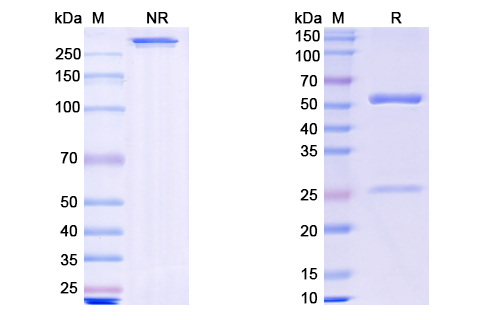
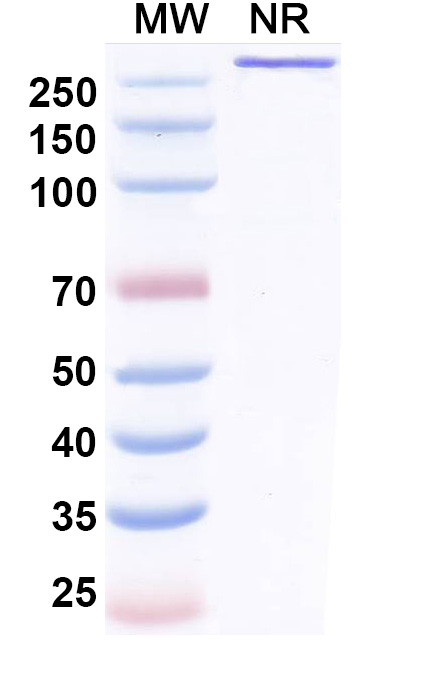
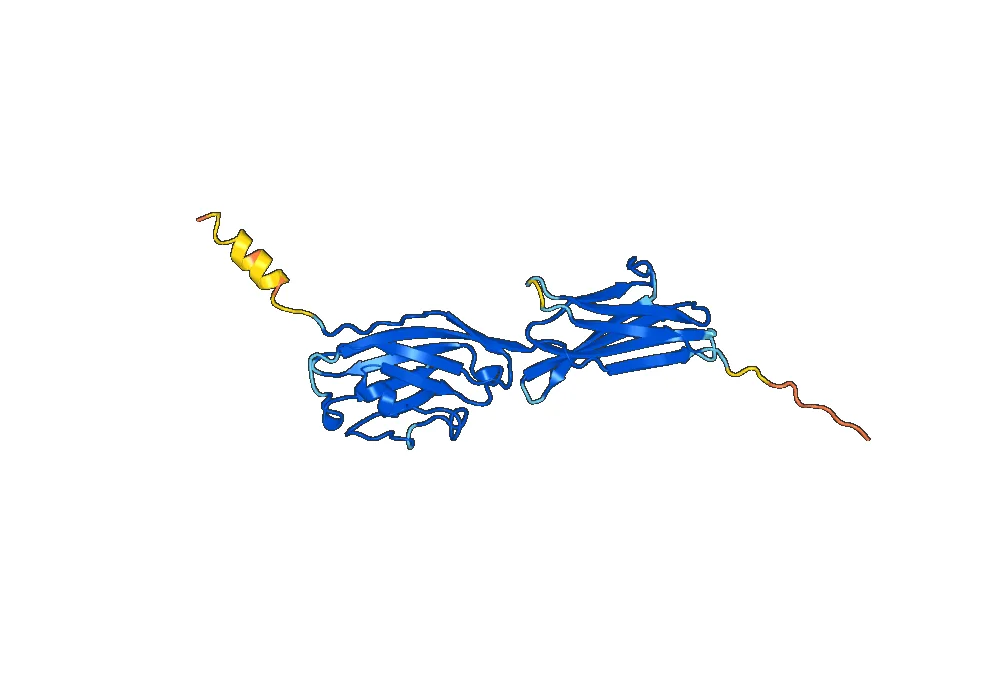
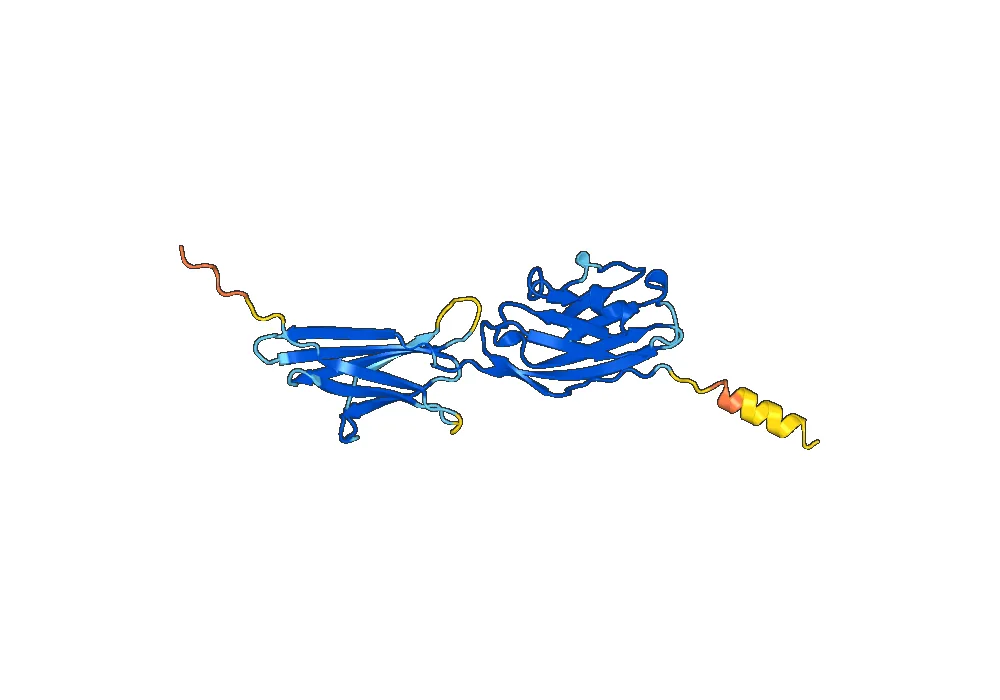
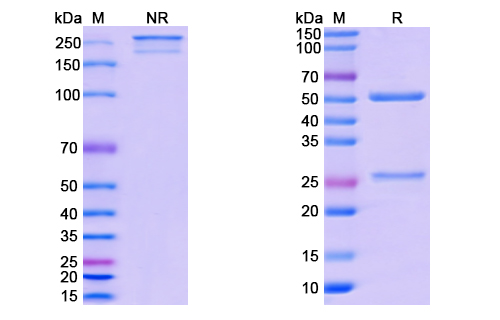
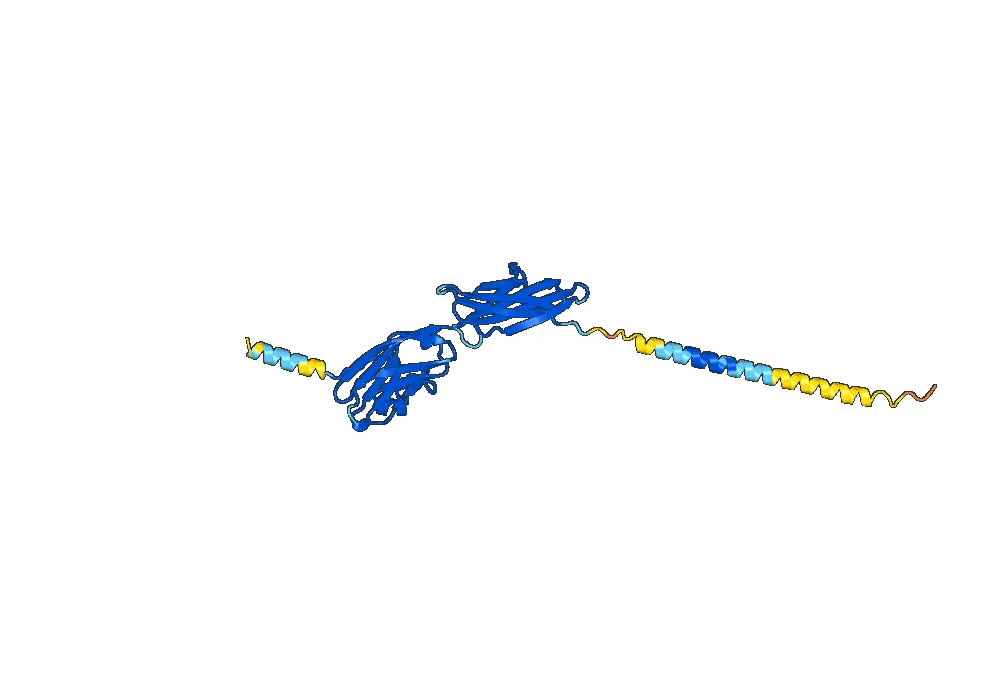
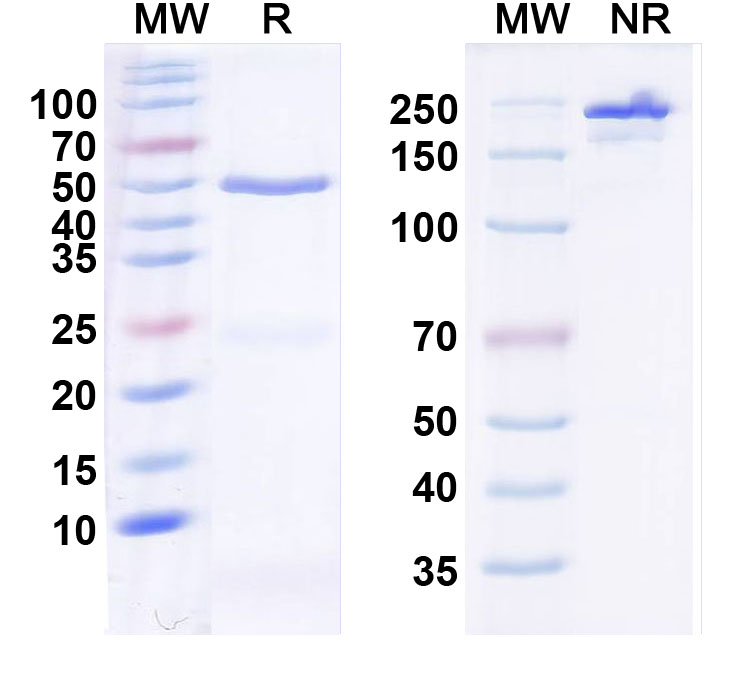
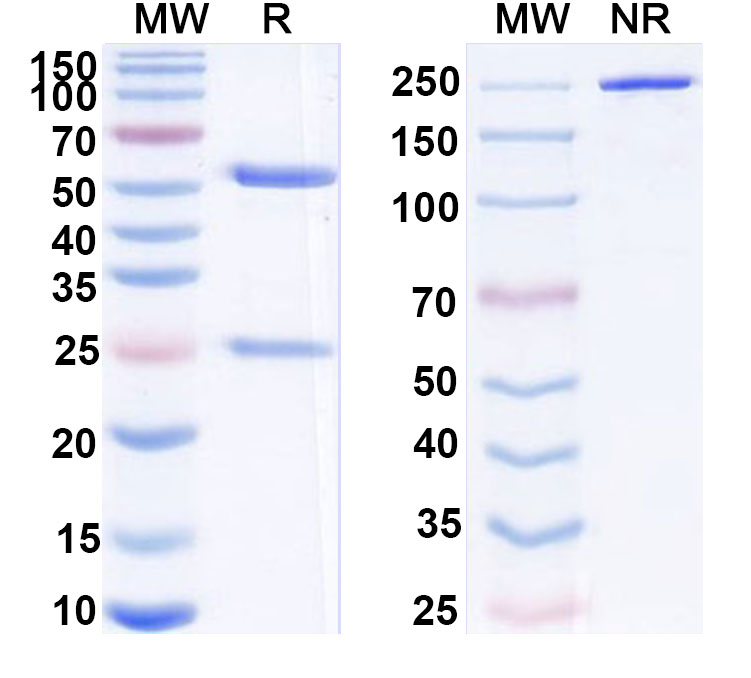
Benmelstobart Biosimilar is a monoclonal antibody (mAb) that is designed to mimic the structure of the original anti-B7-H1 mAb. It is composed of two heavy chains and two light chains, each with a specific amino acid sequence that is responsible for its binding properties. The heavy chains are connected to each other via disulfide bonds, while the light chains are connected to the heavy chains through non-covalent interactions.
The variable regions of the heavy and light chains are responsible for the specificity of the antibody, as they contain the antigen-binding sites. In the case of Benmelstobart Biosimilar, these variable regions are engineered to recognize and bind to the B7-H1 protein with high affinity.
Activity of Benmelstobart Biosimilar
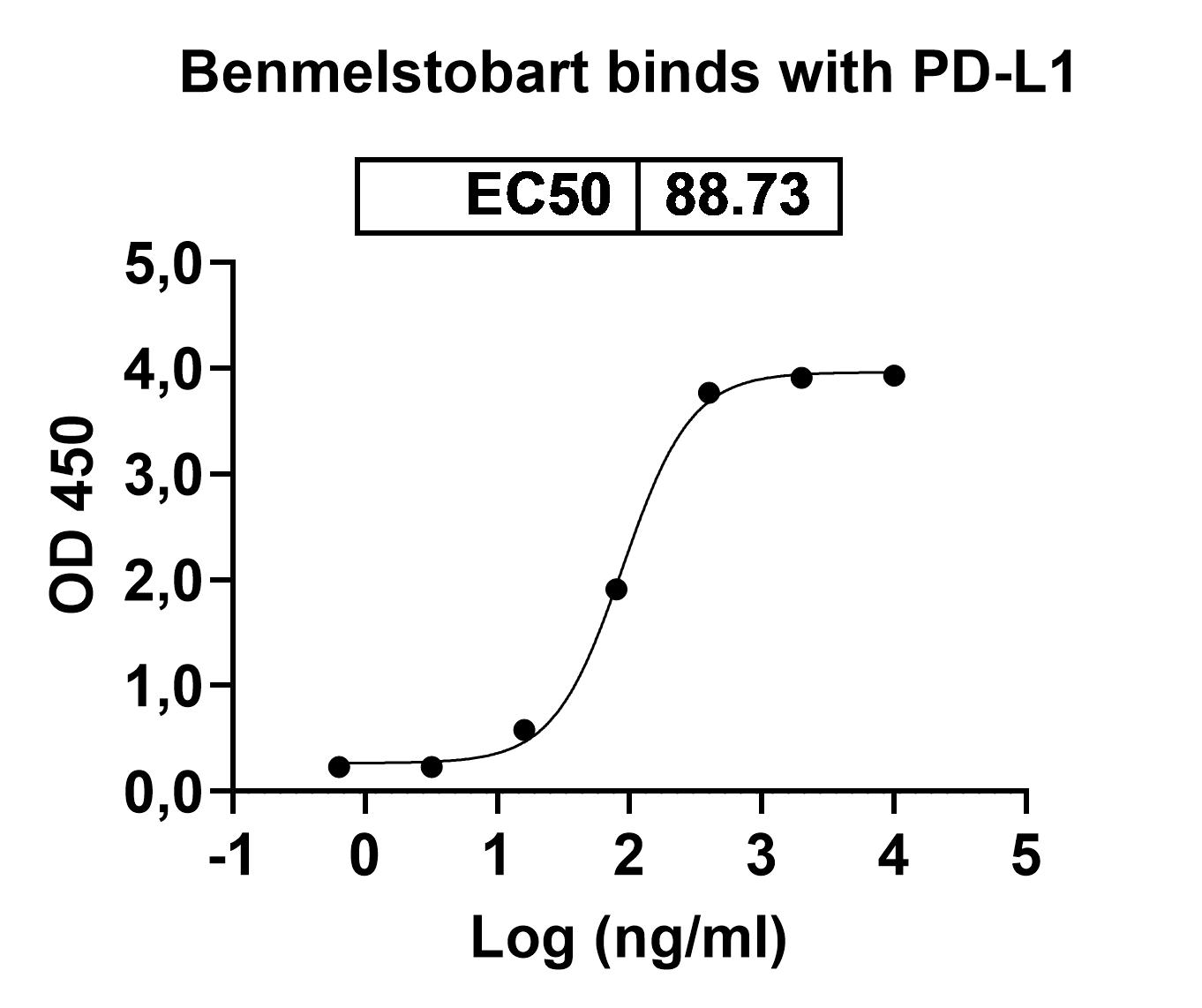
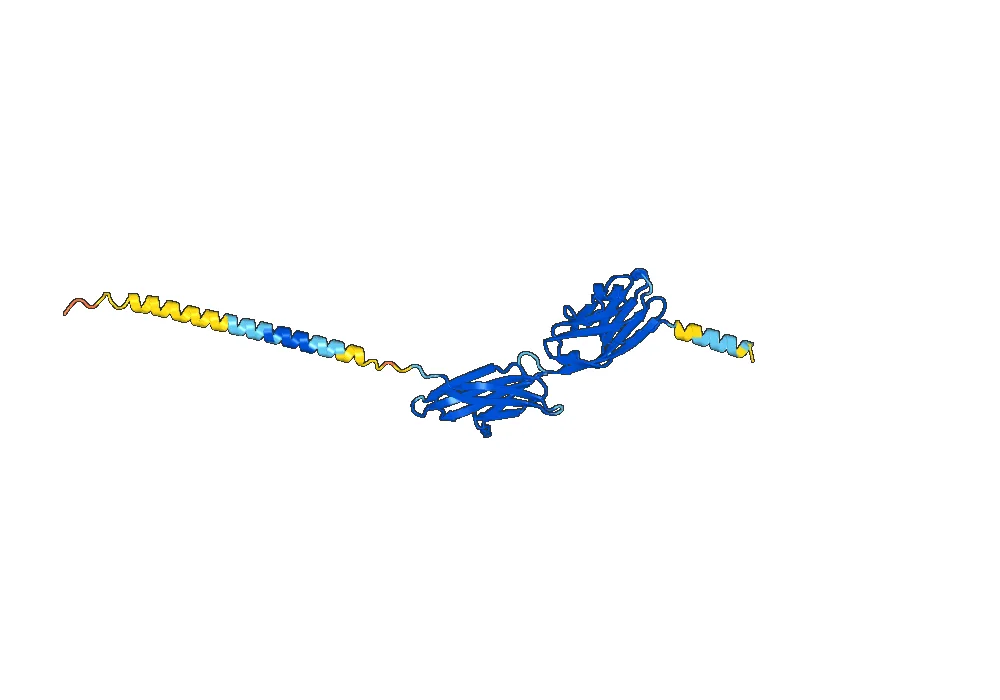
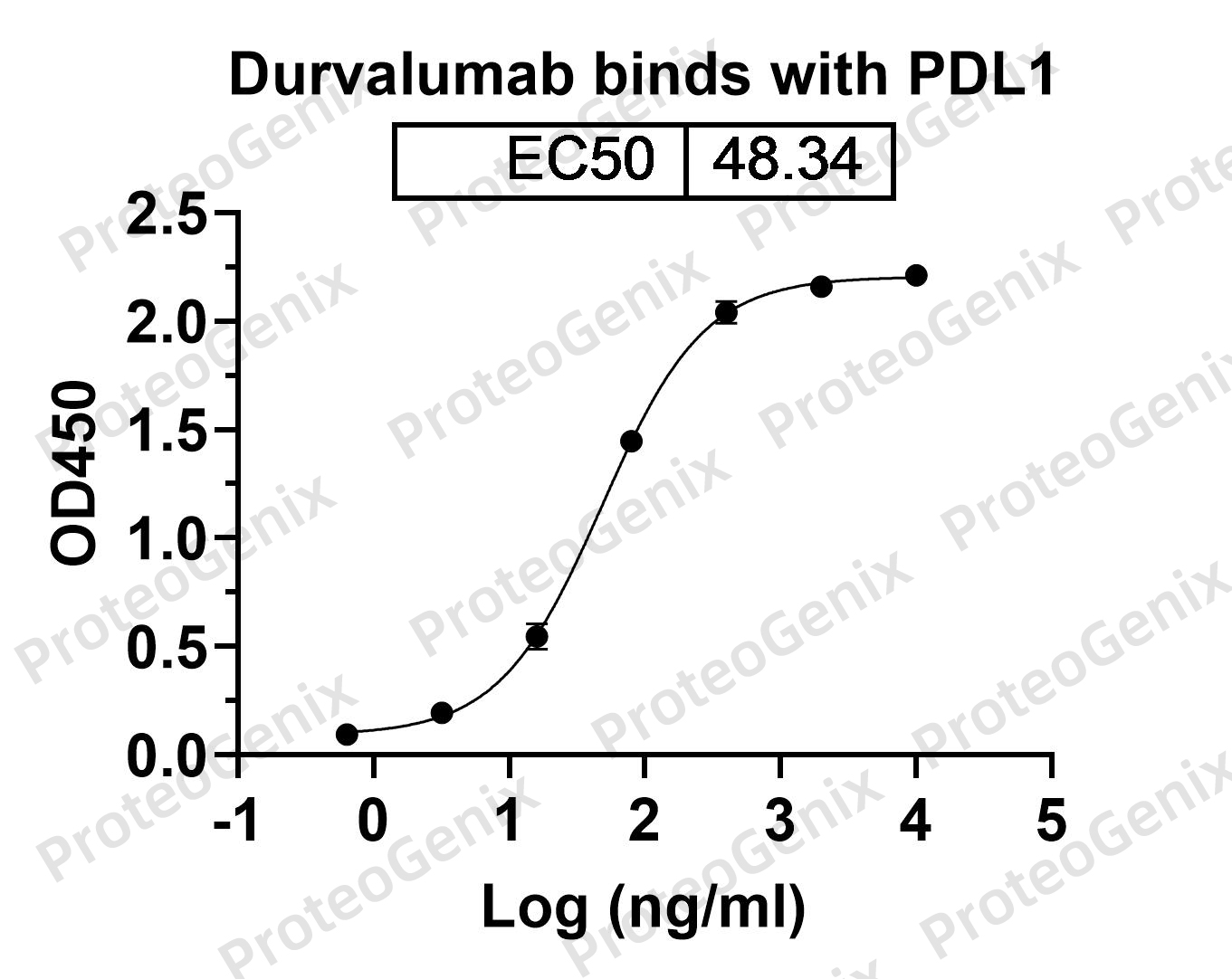
The primary activity of Benmelstobart Biosimilar is its ability to bind to the B7-H1 protein. B7-H1, also known as programmed death-ligand 1 (PD-L1), is a cell surface protein that plays a critical role in regulating the immune response. It is often overexpressed in cancer cells, allowing them to evade the immune system and continue to grow.
By binding to B7-H1, Benmelstobart Biosimilar blocks its interaction with its receptor, PD-1, on the surface of immune cells. This prevents the suppression of the immune response and allows the immune cells to recognize and attack cancer cells.
In addition to its primary activity, Benmelstobart Biosimilar also has secondary activities such as antibody-dependent cellular cytotoxicity (ADCC) and complement-dependent cytotoxicity (CDC). These mechanisms involve the recruitment of other immune cells and proteins to destroy cancer cells, further enhancing the anti-tumor effects of the biosimilar.
Applications of Benmelstobart Biosimilar
The primary application of Benmelstobart Biosimilar is in cancer treatment. By targeting the B7-H1 protein, this biosimilar has the potential to enhance the effectiveness of immunotherapy in various types of cancer. It can be used as a monotherapy or in combination with other anti- cancer drugs to achieve better treatment outcomes.
In addition to cancer treatment, Benmelstobart Biosimilar can also be used in research studies to investigate the role of B7-H1 in different diseases and to develop new therapies targeting this protein. Its research grade quality ensures high purity and consistency, making it a valuable tool for scientists studying B7-H1 and its related pathways.
Conclusion
In summary, Benmelstobart Biosimilar is a research grade anti-B7-H1 mAb with a well-defined structure and potent activity against the B7-H1 protein. Its primary application is in cancer treatment, but it also has potential uses in research studies. With its high specificity and activity, this biosimilar has the potential to contribute to the development of more effective immunotherapies for cancer and other diseases.
There are no reviews yet.