Structure of Sudubrilimab Biosimilar Sudubrilimab Biosimilar is an antibody-based therapeutic agent that is designed to target the protein CD274, also known as programmed death-ligand 1 (PD-L1). This biosimilar is a monoclonal antibody (mAb) that is highly similar to the original antibody, making it a reliable and effective treatment option for various diseases.
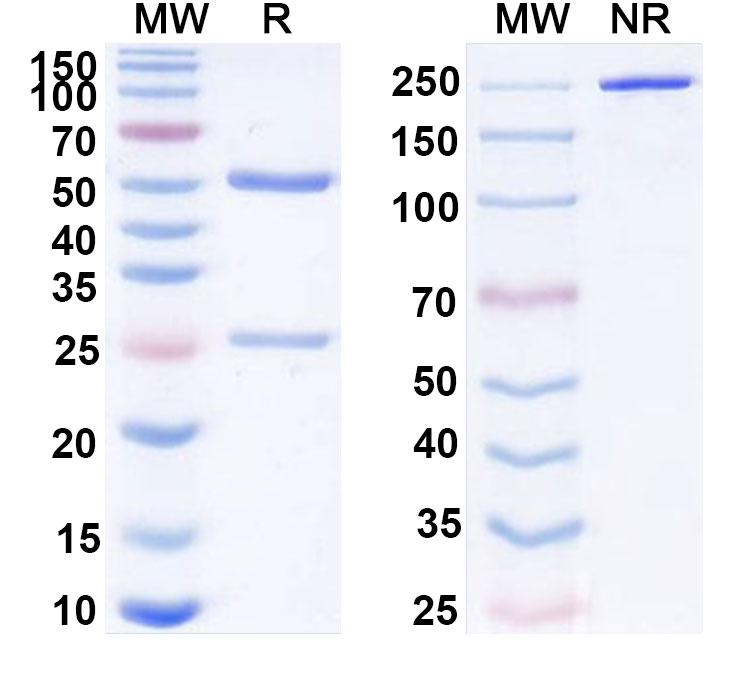
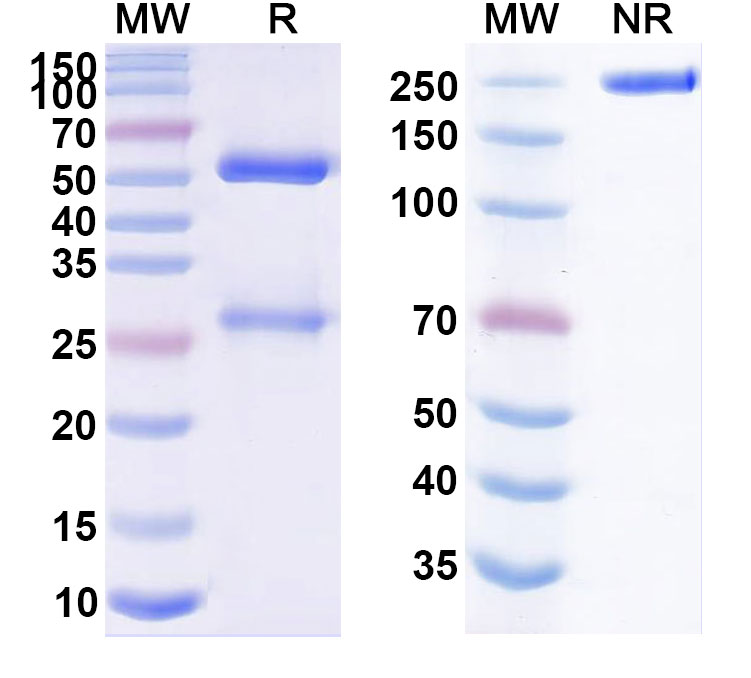
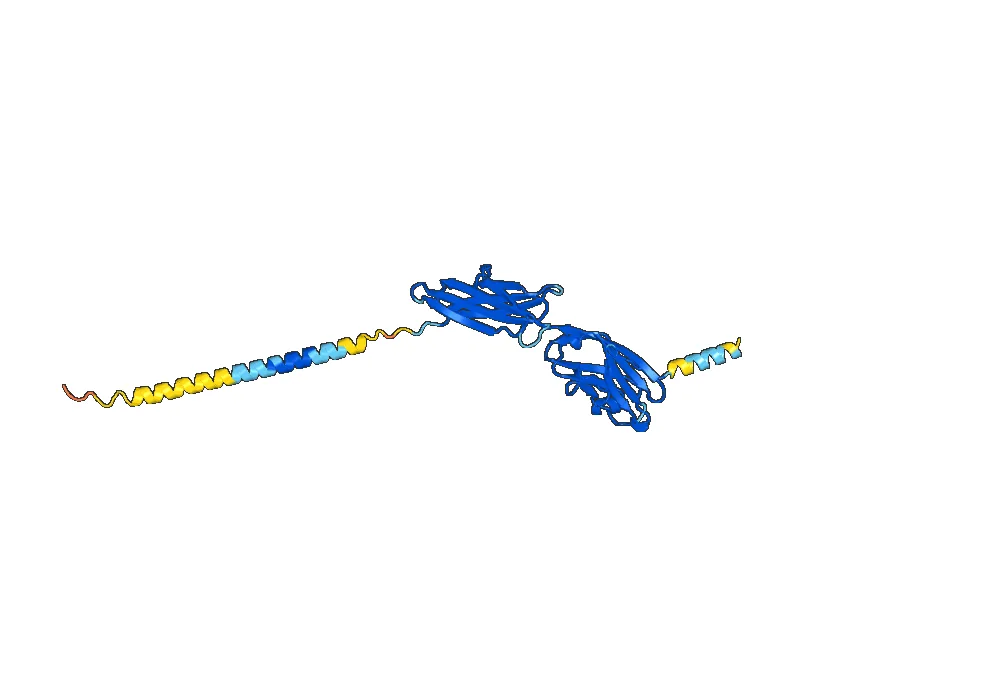
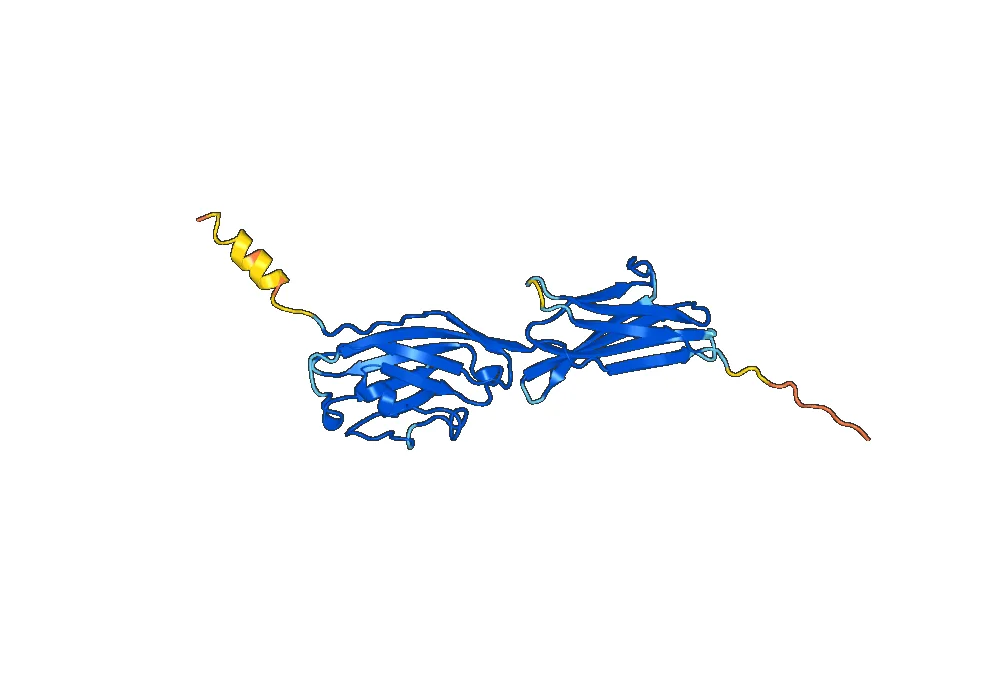
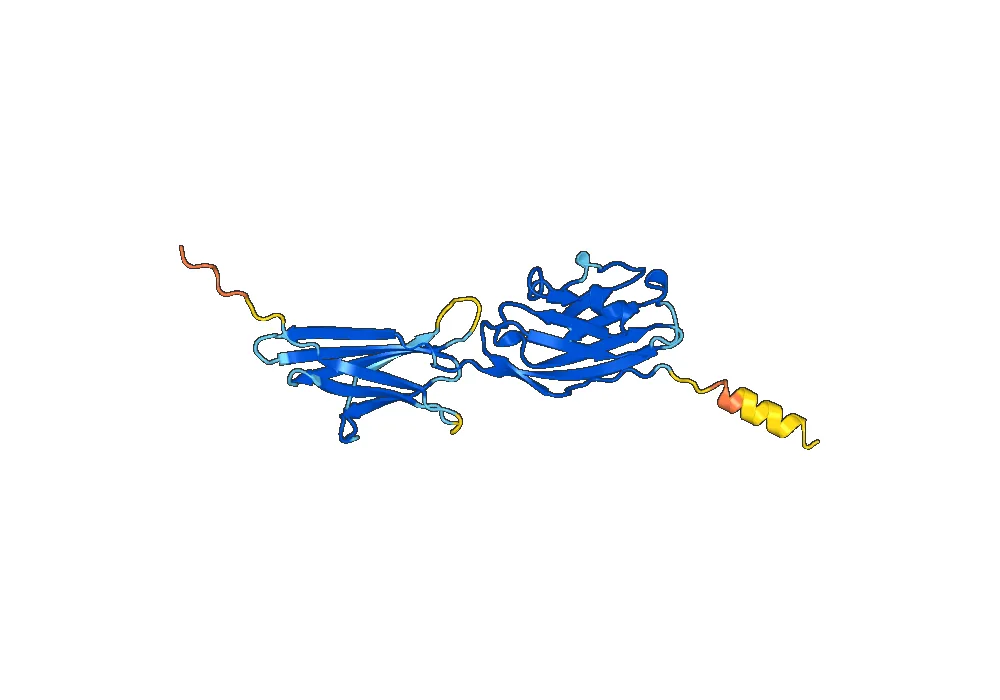
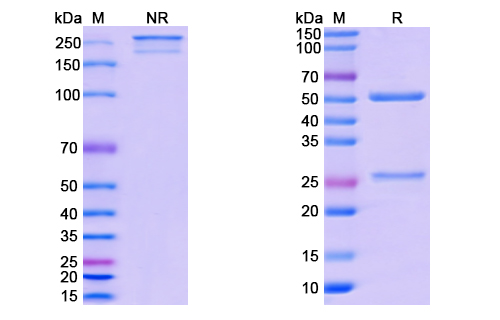
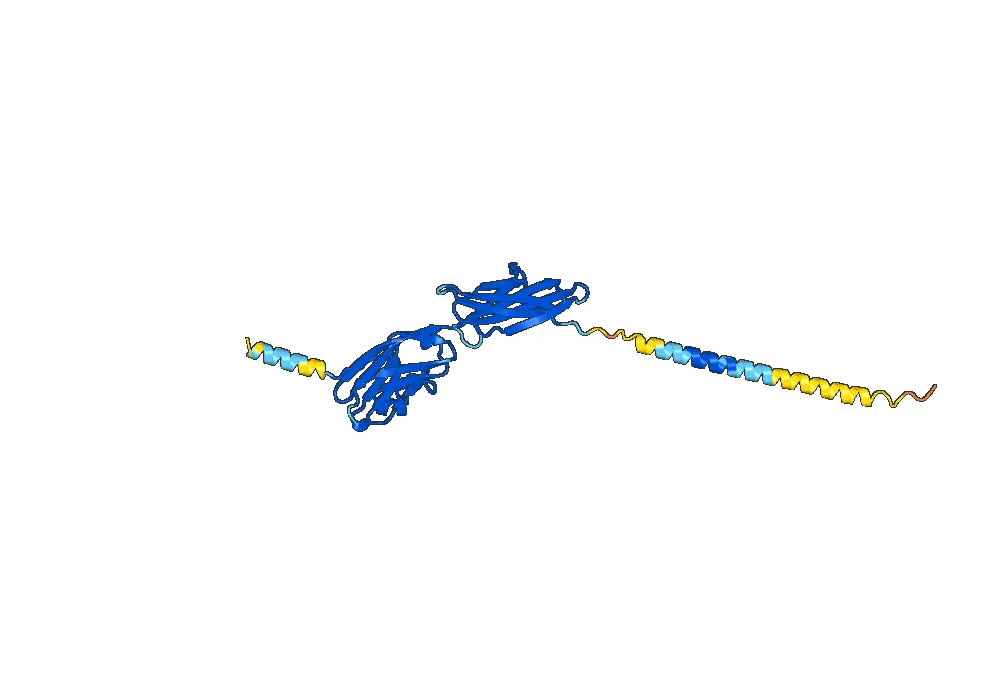
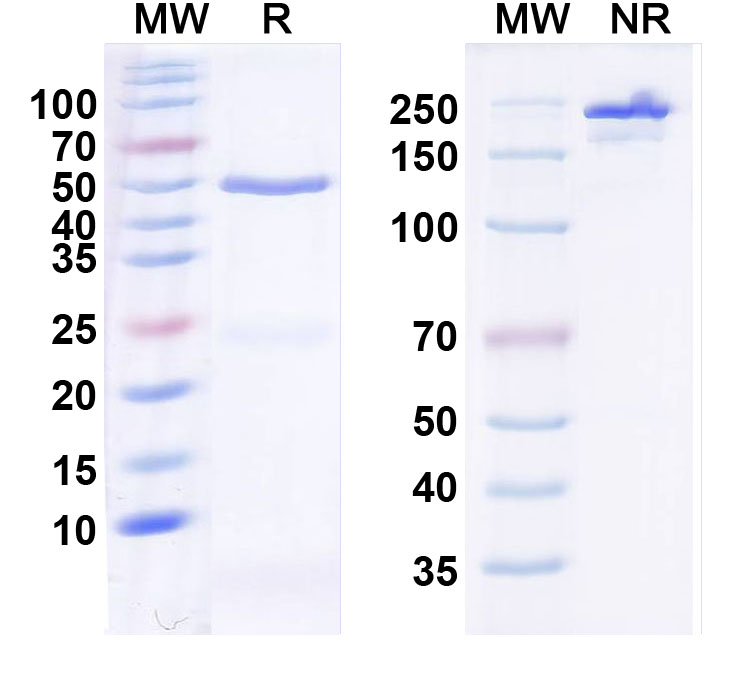
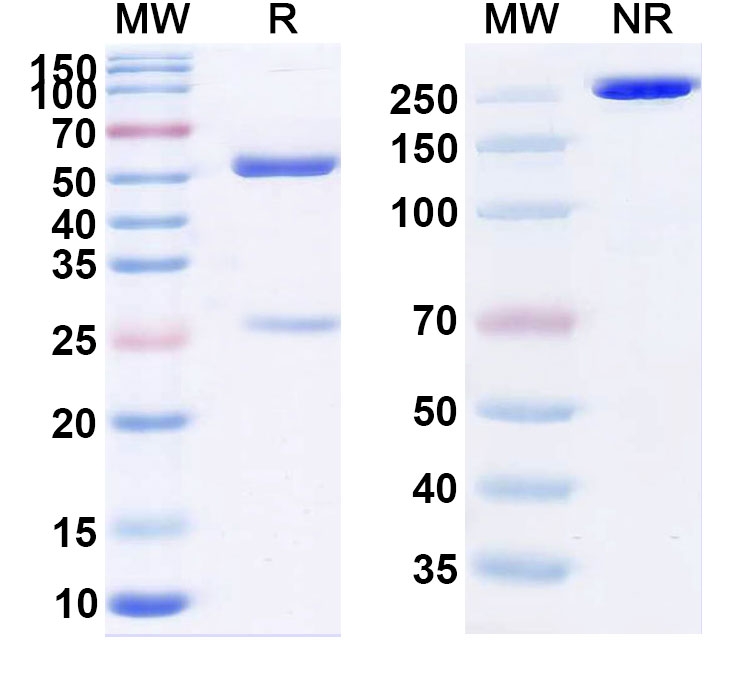
The structure of Sudubrilimab Biosimilar is composed of two heavy chains and two light chains, connected by disulfide bonds. The heavy chains are approximately 150 kDa in size and consist of four constant regions (CH1, CH2, CH3, and CH4) and one variable region (VH). The light chains are approximately 25 kDa in size and consist of two constant regions (CL) and one variable region (VL). The variable regions of both the heavy and light chains are responsible for binding to the target protein, CD274.
Sudubrilimab Biosimilar is a fully humanized antibody, meaning that its structure is derived from human genetic material. This reduces the risk of adverse reactions and increases its efficacy in treating diseases.
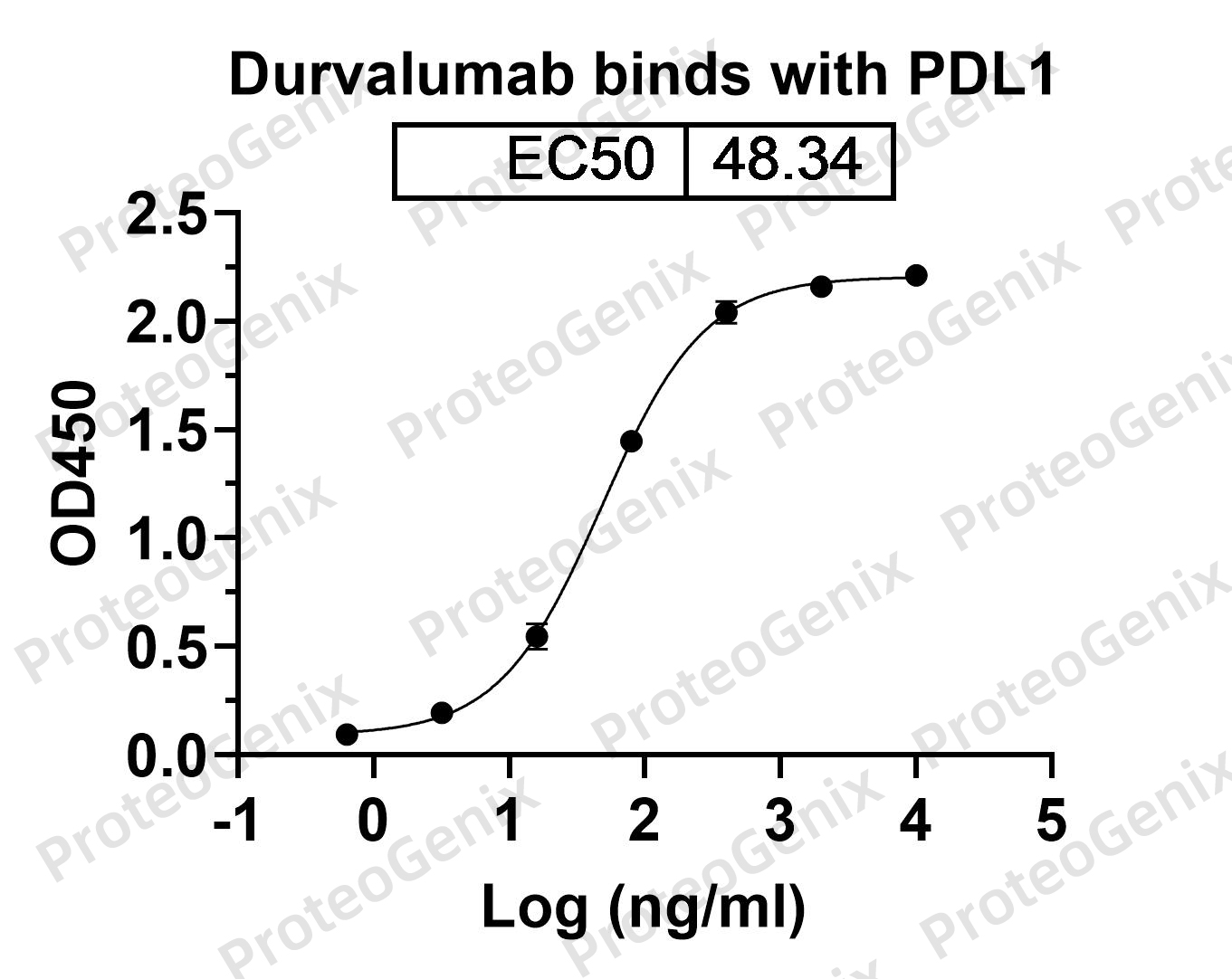
Activity of Sudubrilimab Biosimilar Sudubrilimab Biosimilar is a potent inhibitor of the PD-L1 protein. PD-L1 is a key regulator of the immune response and is overexpressed in many types of cancer, allowing cancer cells to evade the body’s immune system. By targeting and binding to PD-L1, Sudubrilimab Biosimilar blocks its interaction with its receptor, PD-1, on the surface of immune cells. This prevents the inhibition of immune response and allows the immune cells to recognize and attack cancer cells.
In addition to its anti-
cancer activity, Sudubrilimab Biosimilar has also shown potential in treating autoimmune diseases. By blocking the PD-L1 protein, it prevents the suppression of immune cells and helps to restore balance in the immune system, reducing the symptoms of autoimmune diseases.
Application of Sudubrilimab Biosimilar Sudubrilimab Biosimilar is currently being evaluated in clinical trials for the treatment of various types of cancer, including lung cancer, bladder cancer, and melanoma. It has also shown promising results in treating autoimmune diseases such as rheumatoid arthritis and lupus.
This biosimilar is intended for research use only and is not approved for therapeutic use. However, once it receives regulatory approval, Sudubrilimab Biosimilar has the potential to become a cost-effective and reliable treatment option for patients with cancer and autoimmune diseases.
Furthermore, Sudubrilimab Biosimilar can also be used as a research tool in studying the role of PD-L1 in different diseases and in developing new therapies targeting this protein. Sudubrilimab Biosimilar as a Therapeutic Target PD-L1 has been identified as a promising therapeutic target in cancer and autoimmune diseases due to its role in regulating the immune response. Sudubrilimab Biosimilar, as a highly specific and potent inhibitor of PD-L1, has the potential to improve patient outcomes and reduce the side effects associated with current treatment options.
In addition, the fully humanized structure of this biosimilar reduces the risk of immune reactions, making it a safer treatment option compared to other therapies targeting PD-L1.
By targeting PD-L1, Sudubrilimab Biosimilar not only has the potential to treat diseases, but it also provides valuable insights into the mechanisms of these diseases and the role of PD-L1 in regulating the immune system.
Conclusion Sudubrilimab Biosimilar is a highly specific and potent
There are no reviews yet.