Title: Understanding the Structure and Function of Envafolimab Biosimilar – Anti-CD274, PD-L1, B7-H1 mAb
Introduction:
Envafolimab Biosimilar, also known as Anti-CD274, PD-L1, B7-H1 mAb, is a novel therapeutic antibody that has gained significant attention in the field of cancer treatment. This biosimilar is designed to target the immune checkpoint protein PD-L1, which is known to play a crucial role in suppressing the immune response against cancer cells. In this article, we will delve deeper into the structure, activity, and potential applications of Envafolimab Biosimilar.
Structure of Envafolimab Biosimilar:
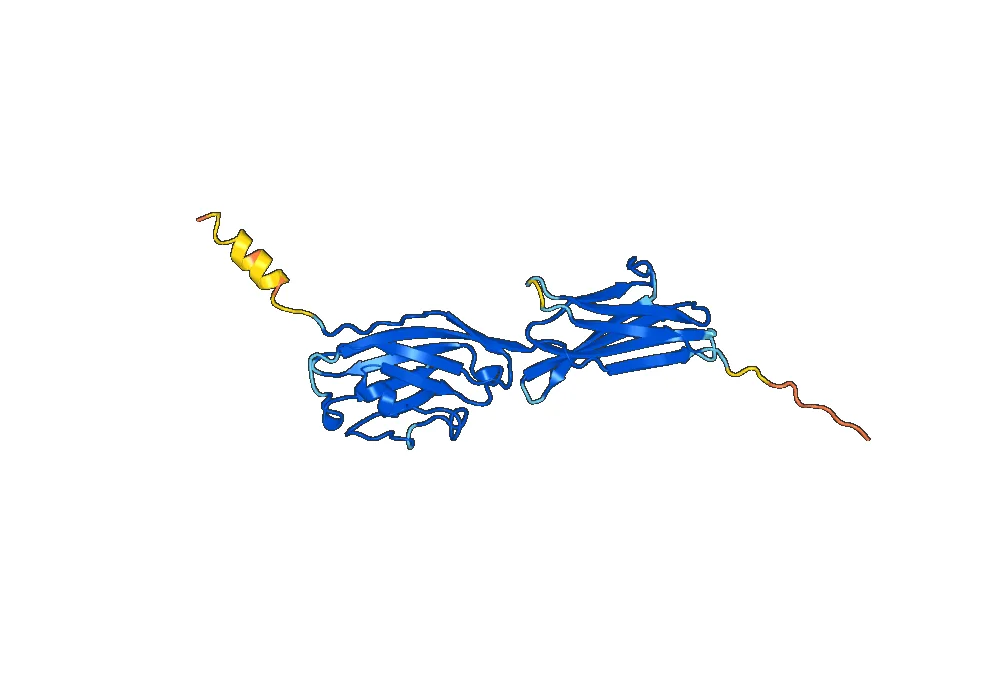
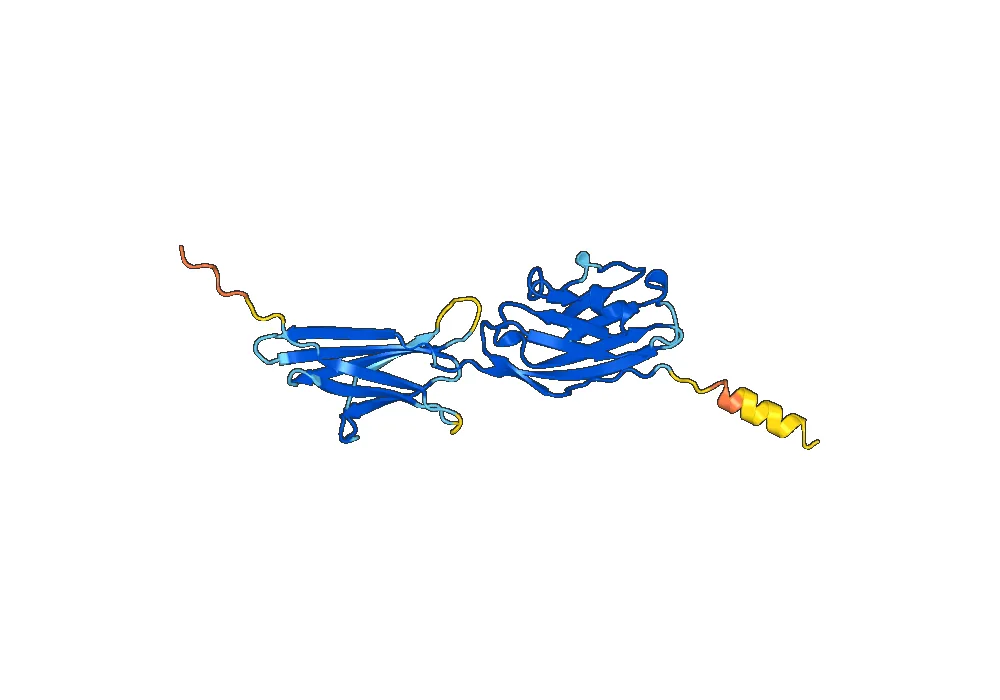
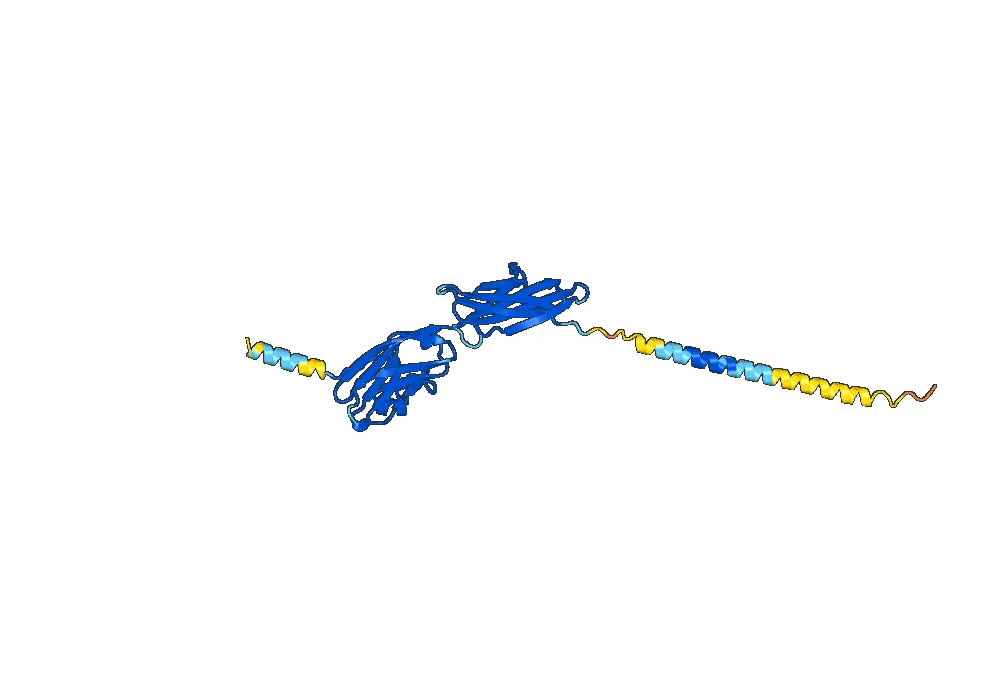
Envafolimab Biosimilar is a monoclonal antibody (mAb) that is produced through recombinant DNA technology. It is a humanized IgG4 antibody, which means that it has been engineered to minimize potential immunogenicity while retaining its therapeutic activity. The antibody consists of two heavy chains and two light chains, each containing a constant and variable region. The variable region is responsible for binding to the target protein, PD-L1.
Activity of Envafolimab Biosimilar:
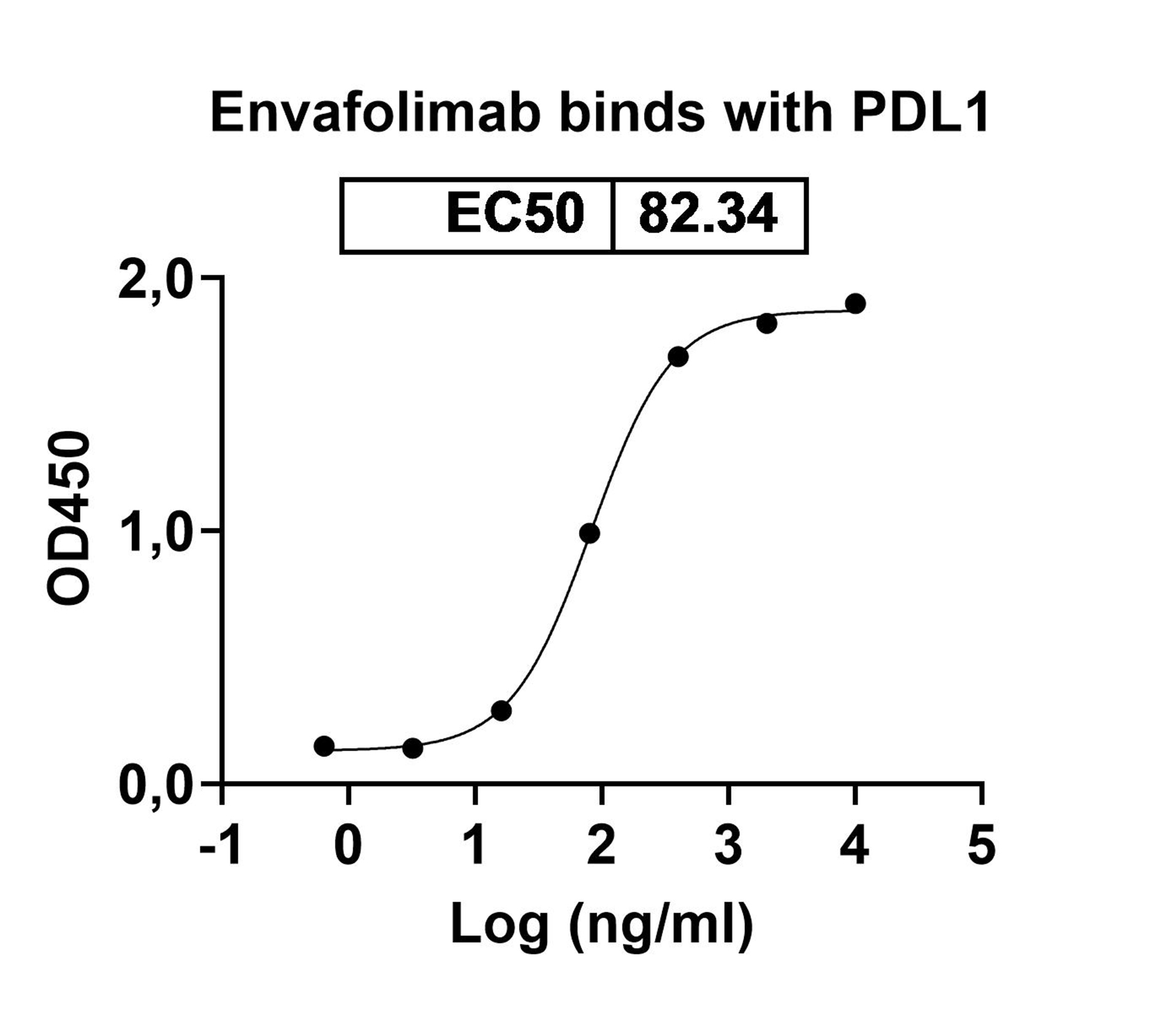
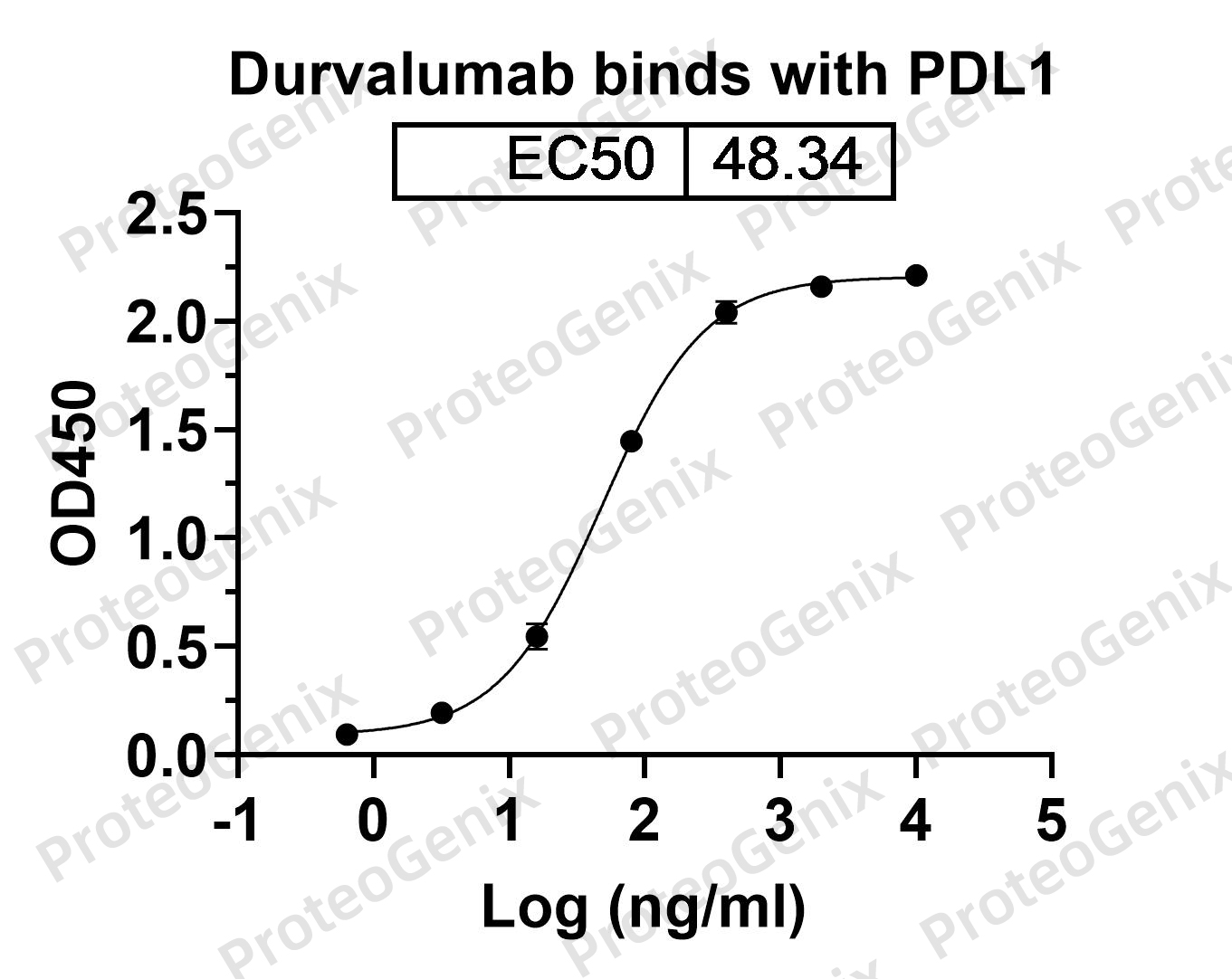
Envafolimab Biosimilar binds specifically to PD-L1, which is expressed on the surface of cancer cells. PD-L1 interacts with its receptor, PD-1, on T cells and inhibits their activity, leading to immune evasion by cancer cells. By binding to PD-L1, Envafolimab Biosimilar blocks this interaction and restores the activity of T cells, enabling them to recognize and eliminate cancer cells. In addition, Envafolimab Biosimilar also has an Fc region that can activate the immune system through antibody-dependent cellular cytotoxicity (ADCC) and complement-dependent cytotoxicity (CDC).
Potential Applications of Envafolimab Biosimilar:
The primary application of Envafolimab Biosimilar is in the treatment of cancer, particularly in patients with PD-L1 positive tumors. It has shown promising results in clinical trials for various types of cancers, including non-small cell lung cancer, melanoma, and urothelial carcinoma. In addition, Envafolimab Biosimilar is also being investigated for its potential in combination with other cancer therapies, such as chemotherapy and targeted therapy.
Envafolimab Biosimilar in Research:
Apart from its therapeutic potential, Envafolimab Biosimilar is also a valuable tool in research. It can be used in various in vitro and in vivo studies to understand the role of PD-L1 in cancer and to evaluate the efficacy of new cancer treatments. In addition, Envafolimab Biosimilar can also be used in diagnostic assays to detect PD-L1 expression in tumor tissues, which can help in patient selection for treatment with PD-L1 inhibitors.
Conclusion:
Envafolimab Biosimilar is a promising therapeutic antibody that targets PD-L1, a key immune checkpoint protein involved in cancer immune evasion. Its unique structure and activity make it a valuable tool in cancer research and a potential game-changer in cancer treatment. With ongoing clinical trials and research, Envafolimab Biosimilar has the potential to improve the outcomes of cancer patients and pave the way for more effective and targeted cancer therapies.
There are no reviews yet.