Introduction
Tagitanlimab Biosimilar, also known as Anti-PDL1 mAb, is a monoclonal antibody that has been developed as a biosimilar to the original drug, Tagrisso. This biosimilar has been designed to specifically target the programmed death-ligand 1 (PD-L1) protein, which is a key immune checkpoint molecule involved in regulating the immune response. In this article, we will discuss the structure, activity, and potential applications of Tagitanlimab Biosimilar.
Structure of Tagitanlimab Biosimilar
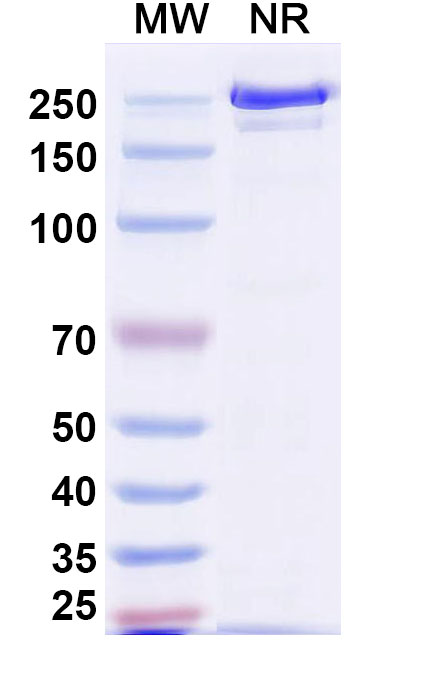
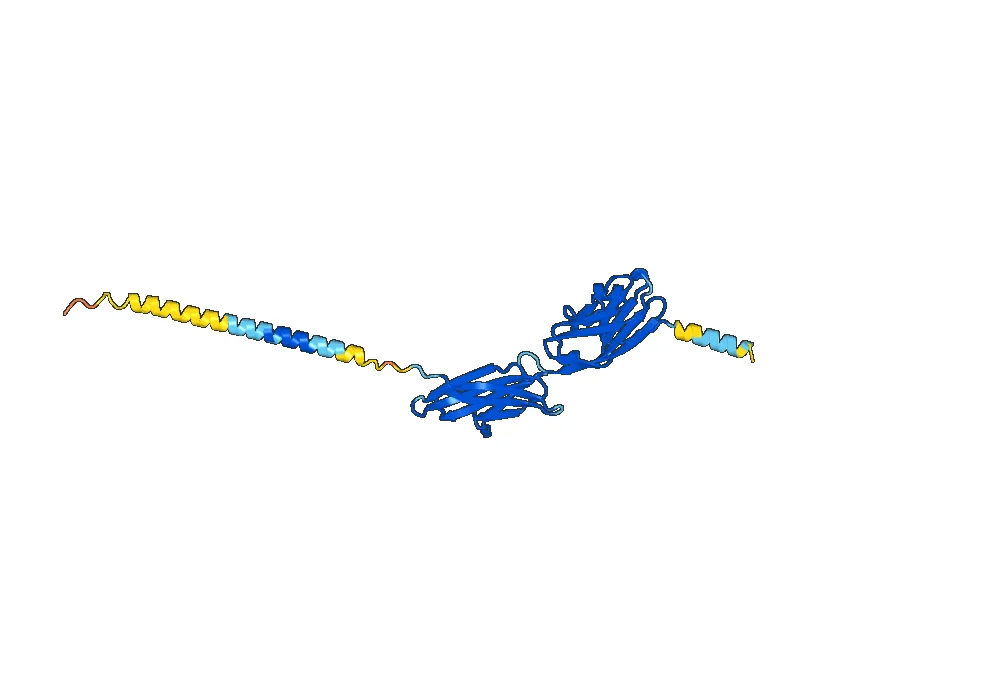
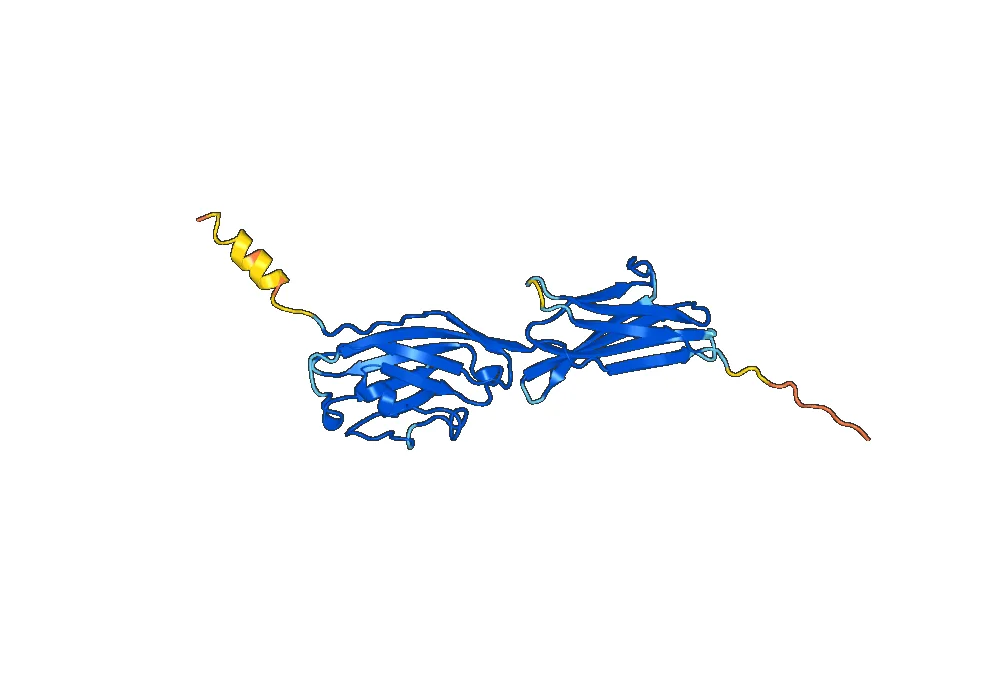
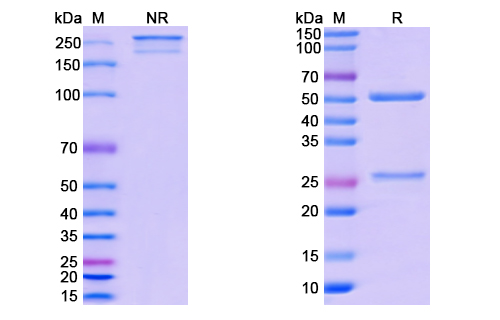
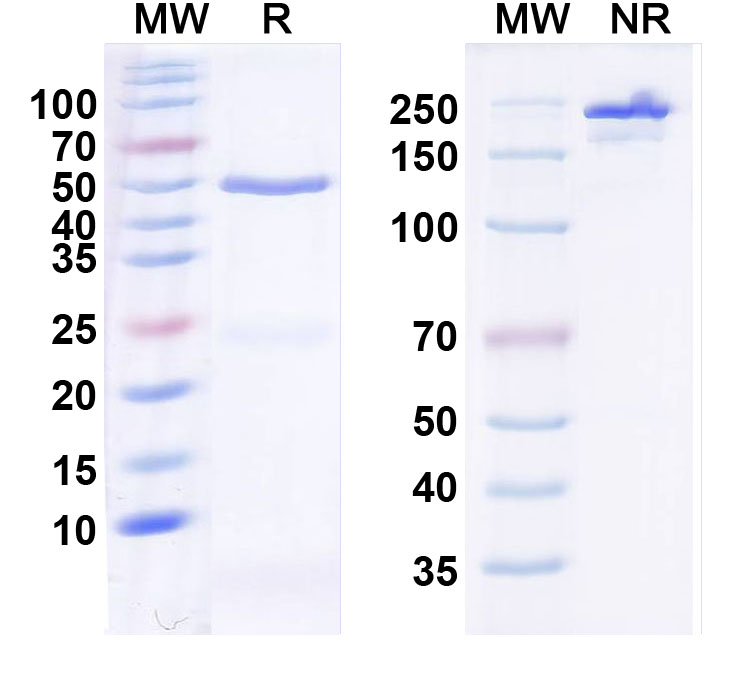
Tagitanlimab Biosimilar is a recombinant humanized monoclonal antibody that has been engineered through genetic modification of a mouse antibody. It has a molecular weight of approximately 150 kDa and is composed of two heavy chains and two light chains. The heavy chains consist of four constant domains (CH1, CH2, CH3, and CH4) and one variable domain (VH), while the light chains consist of two constant domains (CL) and one variable domain (VL). These variable domains are responsible for binding to the target protein, PD-L1.
Activity of Tagitanlimab Biosimilar
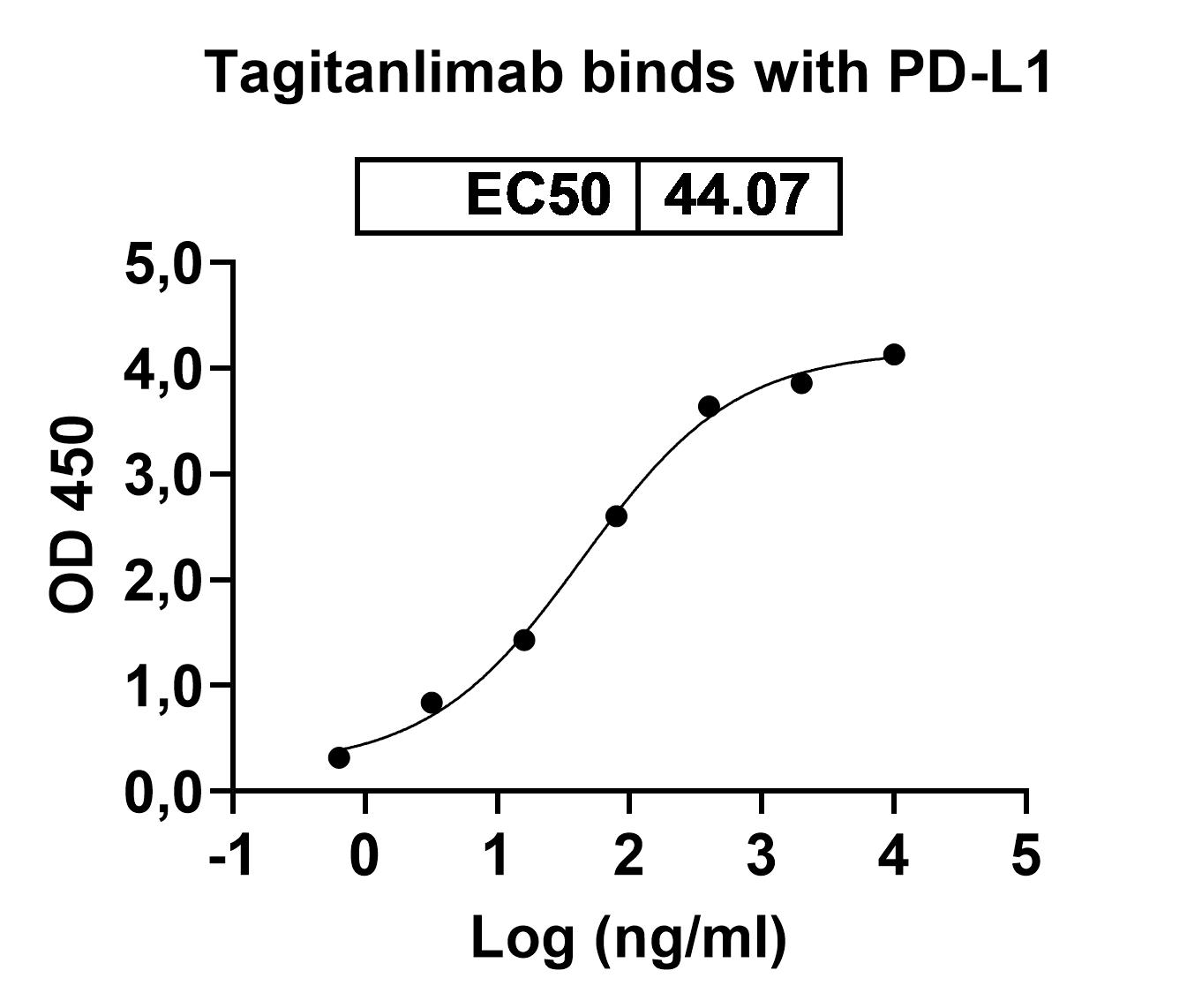
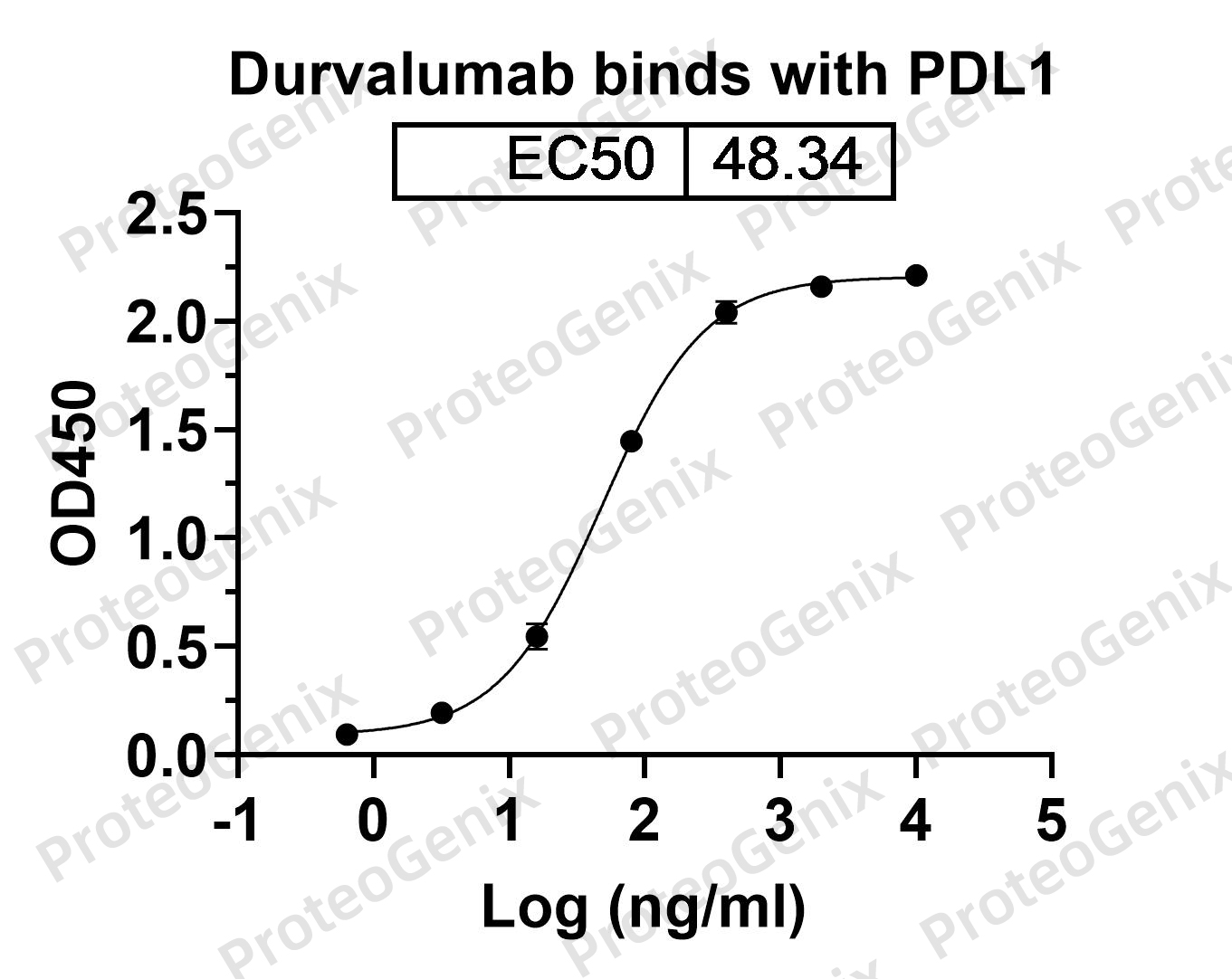
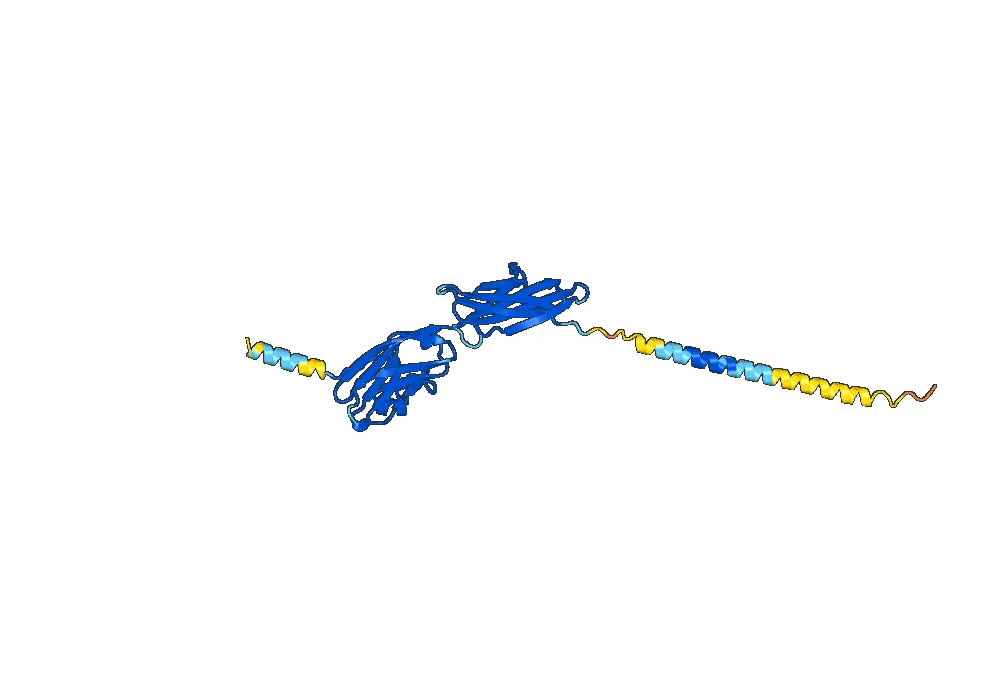
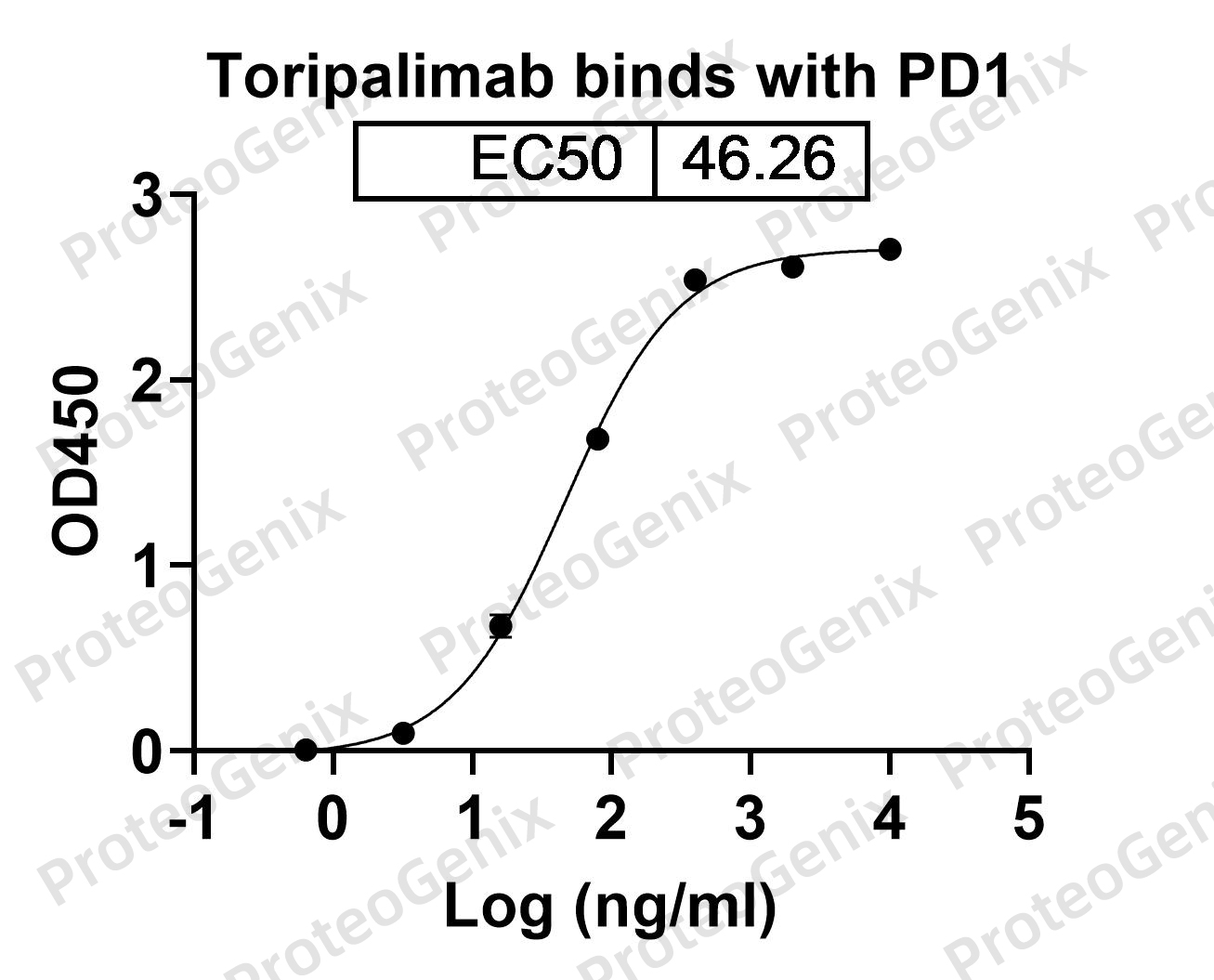
Tagitanlimab Biosimilar targets PD-L1, which is a protein found on the surface of various cells, including cancer cells. PD-L1 interacts with the programmed cell death protein 1 (PD-1) on immune cells, leading to the suppression of the immune response. This mechanism is often exploited by cancer cells to evade detection and destruction by the immune system. Tagitanlimab Biosimilar binds to PD-L1 and blocks its interaction with PD-1, thereby restoring the immune response against cancer cells.
In addition to its activity against
cancer, Tagitanlimab Biosimilar has also shown potential in treating autoimmune diseases. In these conditions, the immune system mistakenly attacks healthy cells and tissues. By blocking the PD-L1/PD-1 interaction, Tagitanlimab Biosimilar can help regulate the immune response and reduce the damage caused by autoimmune attacks.
Applications of Tagitanlimab Biosimilar
Tagitanlimab Biosimilar is currently being evaluated in clinical trials for the treatment of various types of cancer, including lung cancer, bladder cancer, and head and neck cancer. It is also being studied for its potential in treating autoimmune diseases such as rheumatoid arthritis and lupus.
In addition to its use as a therapeutic agent, Tagitanlimab Biosimilar also has potential applications in research. Its ability to specifically target PD-L1 makes it a valuable tool for studying the role of this protein in cancer and autoimmune diseases. It can also be used in diagnostic assays to detect PD-L1 expression in tumor tissues, which can help guide treatment decisions.
Conclusion
Tagitanlimab Biosimilar, also known as Anti-PDL1 mAb, is a promising monoclonal antibody that has been developed as a biosimilar to the original drug, Tagrisso. Its structure, activity, and potential applications make it a valuable tool in the fight against cancer and autoimmune diseases. With ongoing clinical trials and research, Tagitanlimab Biosimilar has the potential to improve the lives of patients and advance our understanding of these diseases.

There are no reviews yet.