Title: Understanding BMS-936559/MDX-1105 Biosimilar: A Promising Anti-B7-H1 mAb for Therapeutic Targeting
Introduction:
BMS-936559/MDX-1105 Biosimilar, also known as anti-B7-H1 mAb, is a promising monoclonal antibody (mAb) that has gained significant attention in the field of immunotherapy. This biosimilar is designed to target B7-H1, a protein that plays a crucial role in regulating the immune response. In this article, we will explore the structure, activity, and potential applications of BMS-936559/MDX-1105 Biosimilar as a therapeutic agent.
Structure of BMS-936559/MDX-1105 Biosimilar:
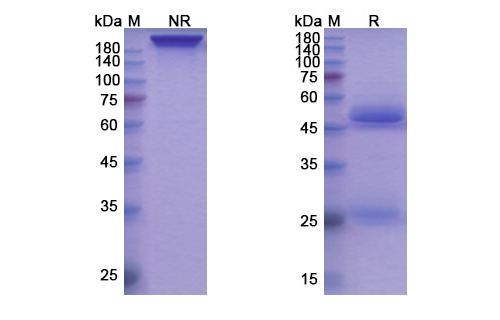
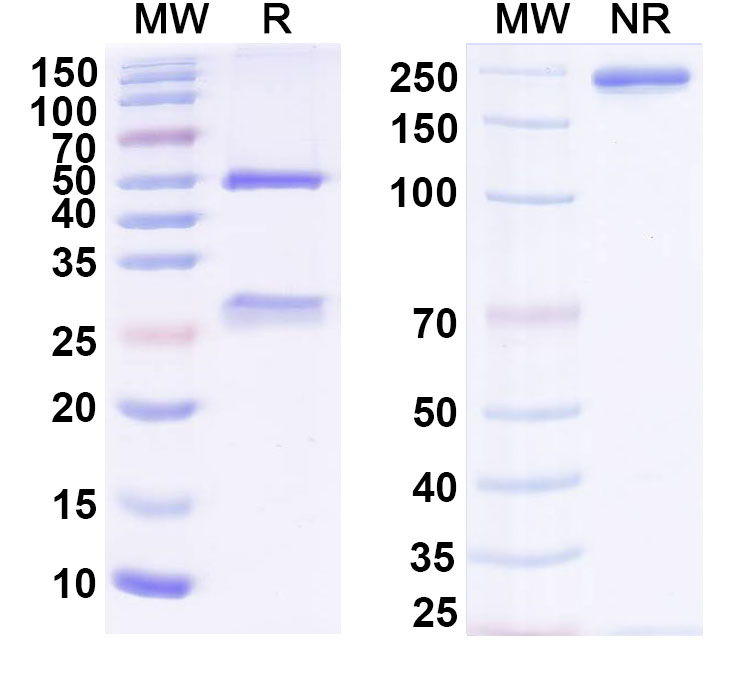
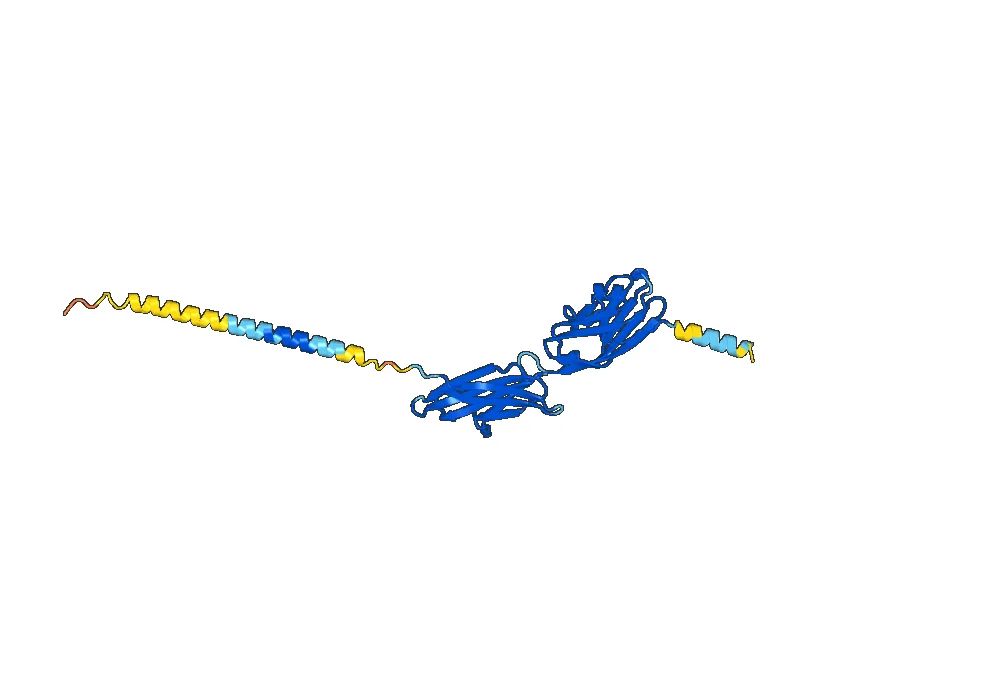
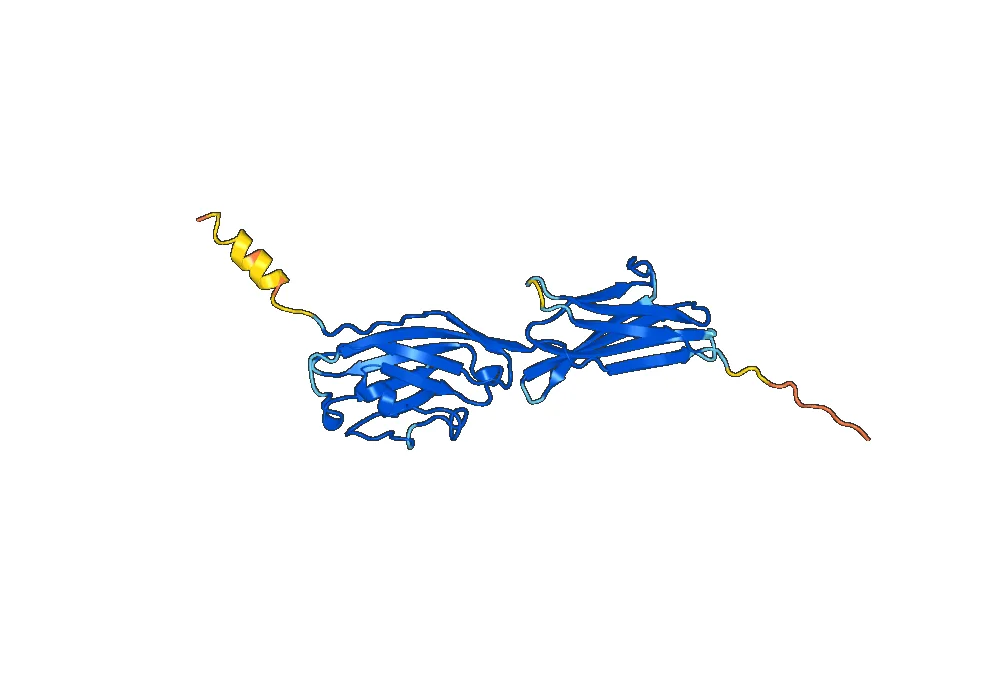
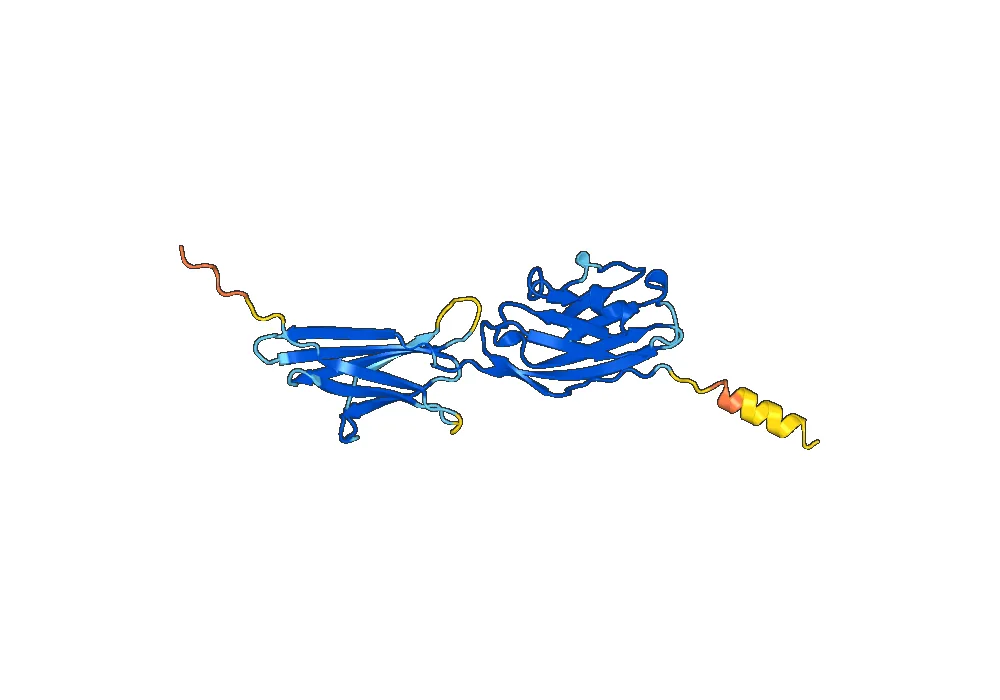
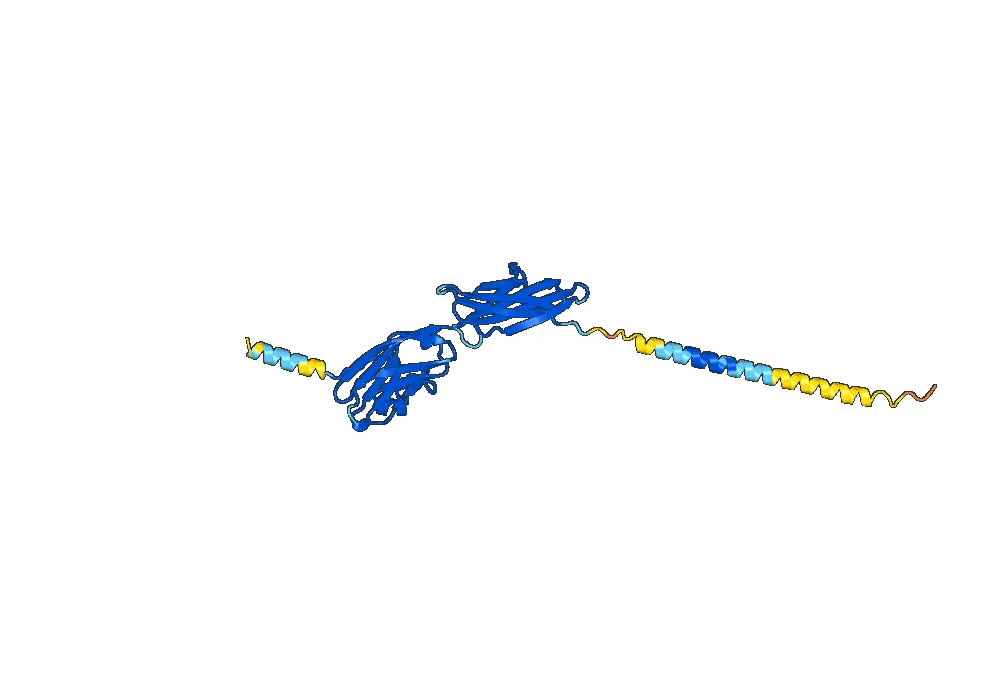
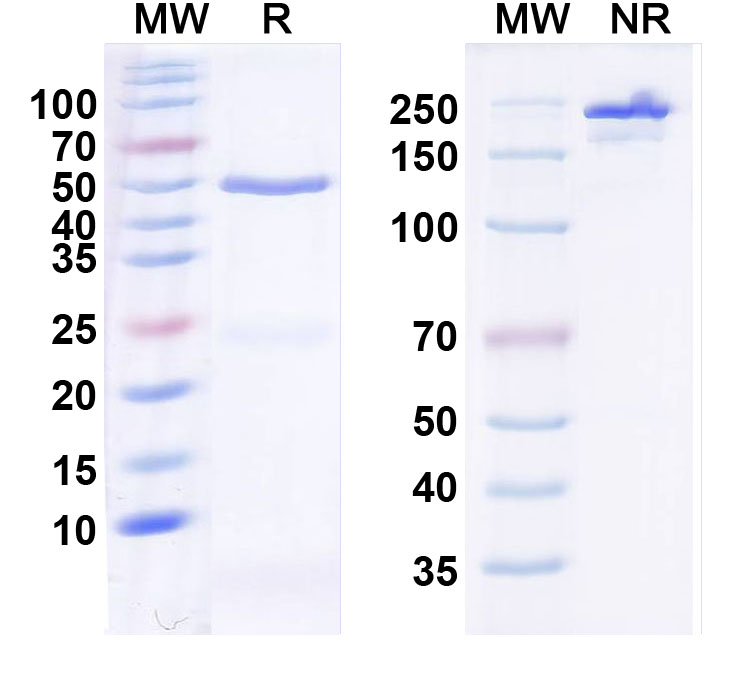
BMS-936559/MDX-1105 Biosimilar is a fully humanized IgG4 monoclonal antibody that is produced by recombinant DNA technology. It is a biosimilar of the FDA-approved mAb, nivolumab, and shares a high degree of structural similarity with it. The mAb consists of two heavy chains and two light chains, each containing variable and constant regions. The variable regions of BMS-936559/MDX-1105 Biosimilar specifically recognize and bind to B7-H1, while the constant regions are responsible for effector functions.
Activity of BMS-936559/MDX-1105 Biosimilar:
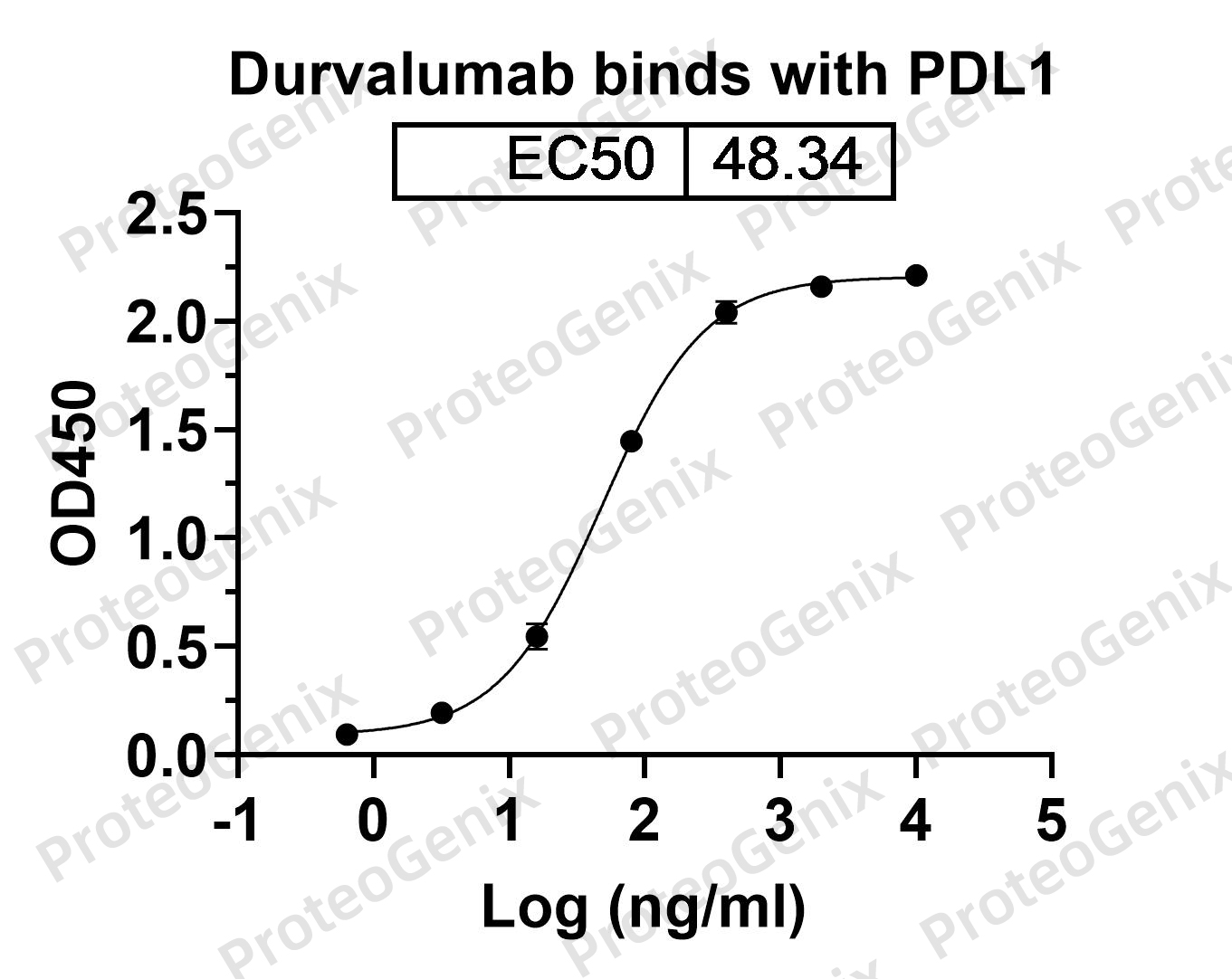
BMS-936559/MDX-1105 Biosimilar exerts its activity by blocking the interaction between B7-H1 and its receptor, PD-1, on T cells. This interaction is known to suppress T cell activity and promote immune tolerance. By inhibiting this interaction, BMS-936559/MDX-1105 Biosimilar enhances T cell activation and promotes an anti-tumor immune response. This mechanism of action makes it a promising therapeutic agent for the treatment of various cancers.
Applications of BMS-936559/MDX-1105 Biosimilar:
BMS-936559/MDX-1105 Biosimilar is currently being investigated in clinical trials for its potential as a cancer immunotherapy. It has shown promising results in the treatment of various cancers, including melanoma, non-small cell lung cancer, and renal cell carcinoma. In addition, BMS-936559/MDX-1105 Biosimilar has also shown potential in combination with other cancer therapies, such as chemotherapy and radiation therapy.
Moreover, BMS-936559/MDX-1105 Biosimilar has also shown promise in the treatment of autoimmune diseases. B7-H1 is known to play a role in the development of autoimmune disorders, and by targeting it, BMS-936559/MDX-1105 Biosimilar may help in controlling the immune response and reducing disease severity. This has led to the investigation of BMS-936559/MDX-1105 Biosimilar in clinical trials for diseases such as rheumatoid arthritis and lupus.
Conclusion:
In conclusion, BMS-936559/MDX-1105 Biosimilar is a promising anti-B7-H1 mAb that has shown potential in the treatment of various cancers and autoimmune diseases. Its unique mechanism of action and structural similarity to nivolumab make it a highly sought-after therapeutic agent for targeting B7-H1. As research on this biosimilar continues, it is expected to play a significant role in the future of cancer immunotherapy and autoimmune disease treatment.

There are no reviews yet.