Introduction
Sugemalimab Biosimilar, also known as Anti-PDL1 mAb, is a monoclonal antibody that is designed to target and block the activity of programmed death-ligand 1 (PD-L1). This protein is expressed on the surface of cancer cells and is responsible for suppressing the immune response against them. Sugemalimab Biosimilar is a promising therapeutic agent that has shown potential in treating various types of cancers. In this article, we will discuss the structure, activity, and potential applications of this biosimilar.
Structure of Sugemalimab Biosimilar
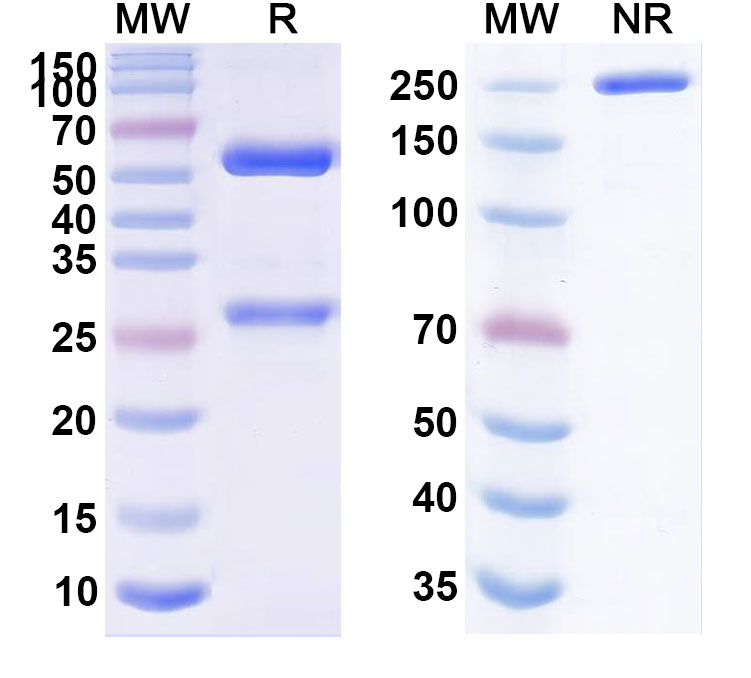
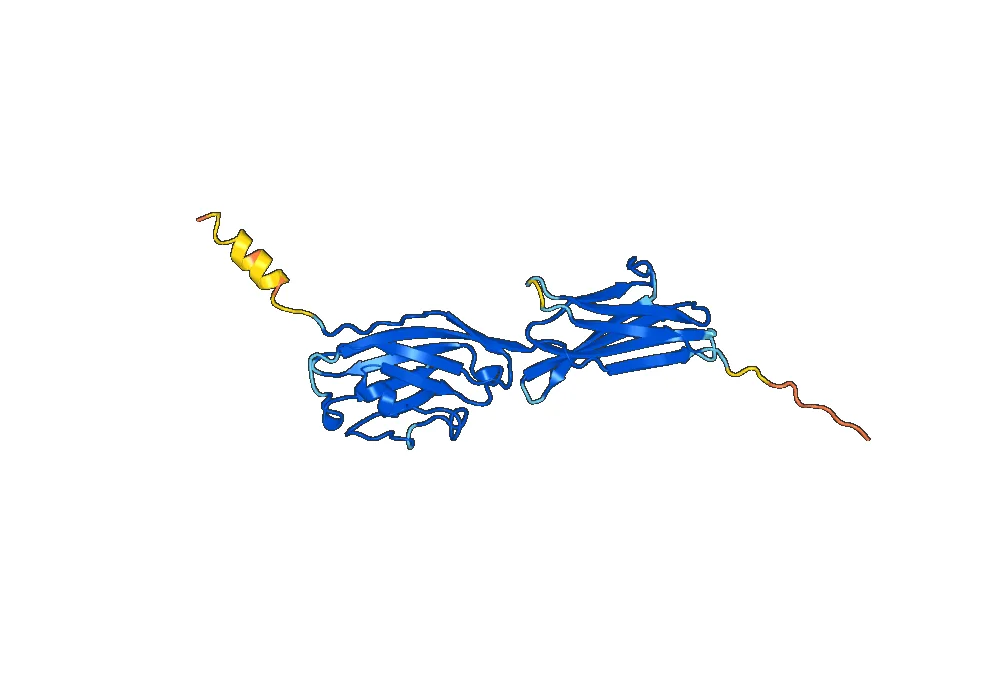
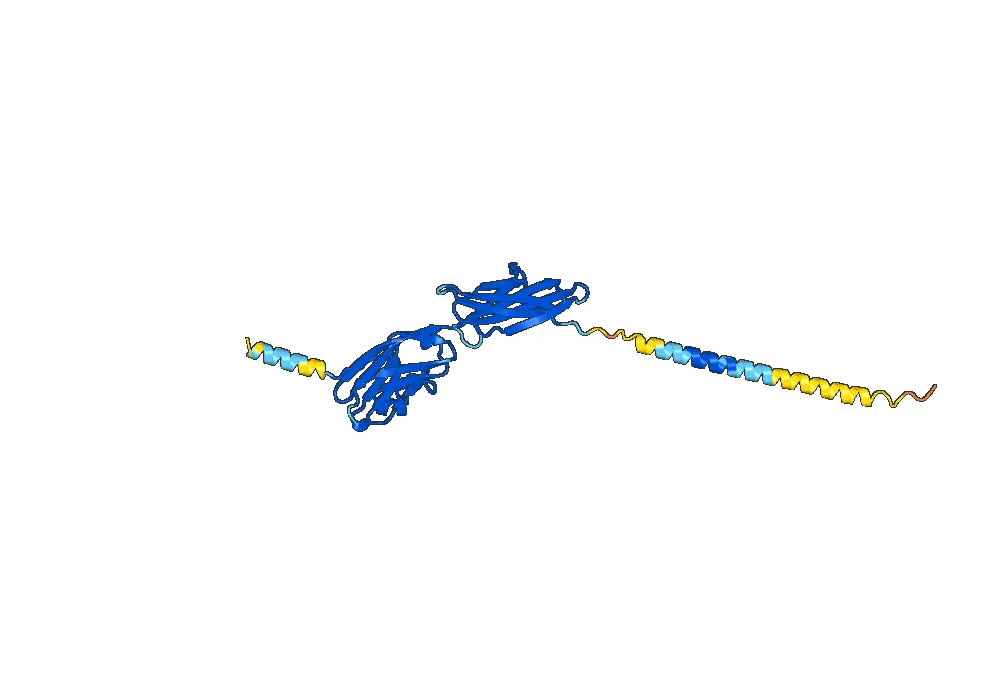
Sugemalimab Biosimilar is a fully humanized monoclonal antibody that is produced using recombinant DNA technology. It is composed of two heavy chains and two light chains, each consisting of amino acid sequences that are specific to targeting PD-L1. The heavy chains are connected to the light chains by disulfide bonds, forming a Y-shaped structure. The variable regions of the antibody, which are responsible for binding to PD-L1, are located at the tips of the Y-shaped structure.
Activity of Sugemalimab Biosimilar
Sugemalimab Biosimilar works by binding to PD-L1 and blocking its interaction with its receptor, PD-1, on the surface of T cells. This prevents the suppression of T cell activity, allowing them to recognize and attack cancer cells. Additionally, Sugemalimab Biosimilar can also induce antibody-dependent cellular cytotoxicity (ADCC) and complement-dependent cytotoxicity (CDC), mechanisms that lead to the destruction of cancer cells.
Applications of Sugemalimab Biosimilar
Sugemalimab Biosimilar has shown promising results in preclinical and clinical studies for the treatment of various types of cancers, including lung cancer, melanoma, and bladder cancer. It has been shown to be effective as a monotherapy and in combination with other cancer treatments such as chemotherapy and other targeted therapies.
Lung Cancer Lung
cancer is the leading cause of cancer-related deaths worldwide, and PD-L1 expression is found in a significant number of lung cancer cases. Sugemalimab Biosimilar has shown promising results in treating non-small cell lung cancer (NSCLC) by improving progression-free survival and overall survival rates in patients with high PD-L1 expression.
Melanoma Melanoma is a type of skin
cancer that is known to be highly immunogenic, making it a suitable target for immunotherapy. Sugemalimab Biosimilar has shown significant antitumor activity in advanced melanoma patients, leading to improved overall survival rates.
Bladder Cancer Bladder
cancer is another type of cancer that has been shown to respond well to immunotherapy. In a clinical trial, Sugemalimab Biosimilar was found to be effective in treating patients with advanced bladder cancer, with an overall response rate of 40%.
Conclusion
Sugemalimab Biosimilar is a promising therapeutic agent that has shown potential in treating various types of cancers. Its unique structure and mechanism of action make it a highly specific and effective treatment for cancers with high PD-L1 expression. With ongoing research and clinical trials, Sugemalimab Biosimilar has the potential to become a valuable addition to the arsenal of cancer treatments.


There are no reviews yet.