Volrustomig Biosimilar – Anti-PD1 and CTLA4 mAb – Research Grade: A Promising Antibody for Targeting
Cancer Introduction
Volrustomig Biosimilar – Anti-PD1 and CTLA4 mAb – Research Grade is a novel antibody that has shown great potential in the field of cancer treatment. This biosimilar is designed to target two key proteins, PD1 and CTLA4, which play important roles in regulating the immune response. In this article, we will discuss the structure, activity, and potential applications of this antibody in cancer therapy.
Structure of Volrustomig Biosimilar
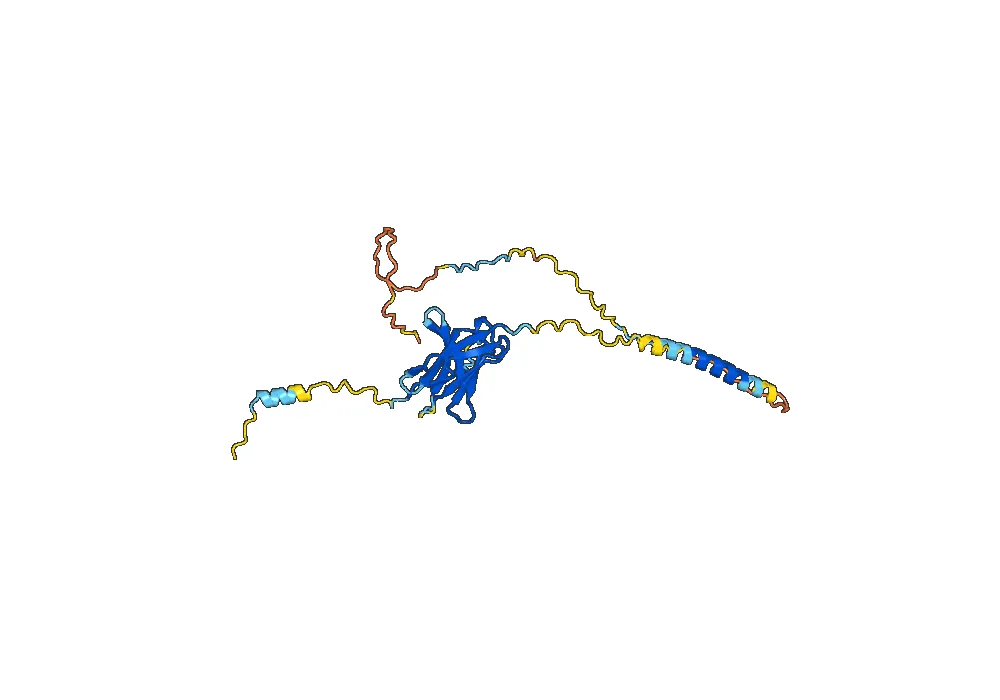
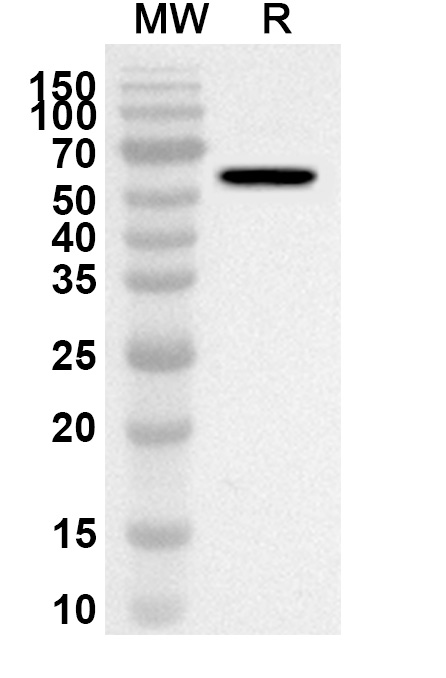
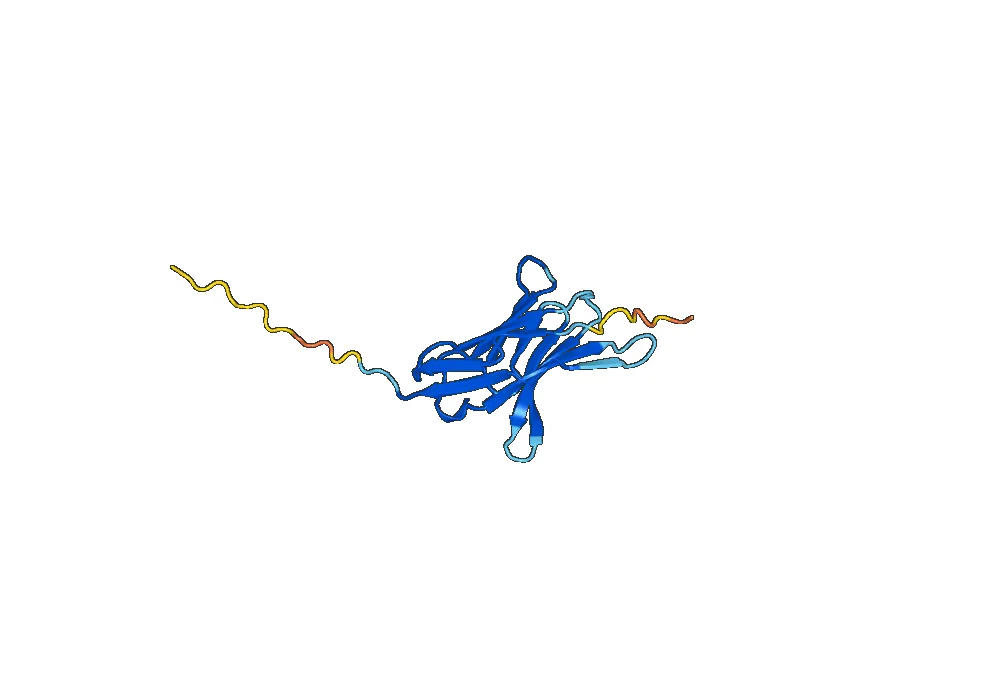
Volrustomig Biosimilar is a monoclonal antibody that is produced using recombinant DNA technology. It is designed to mimic the structure of the original antibody, making it highly specific and effective in targeting its intended proteins. The antibody is composed of two heavy chains and two light chains, which are connected by disulfide bonds. The variable regions of the antibody are responsible for binding to PD1 and CTLA4, while the constant regions provide stability and facilitate effector functions.
Activity of Volrustomig Biosimilar
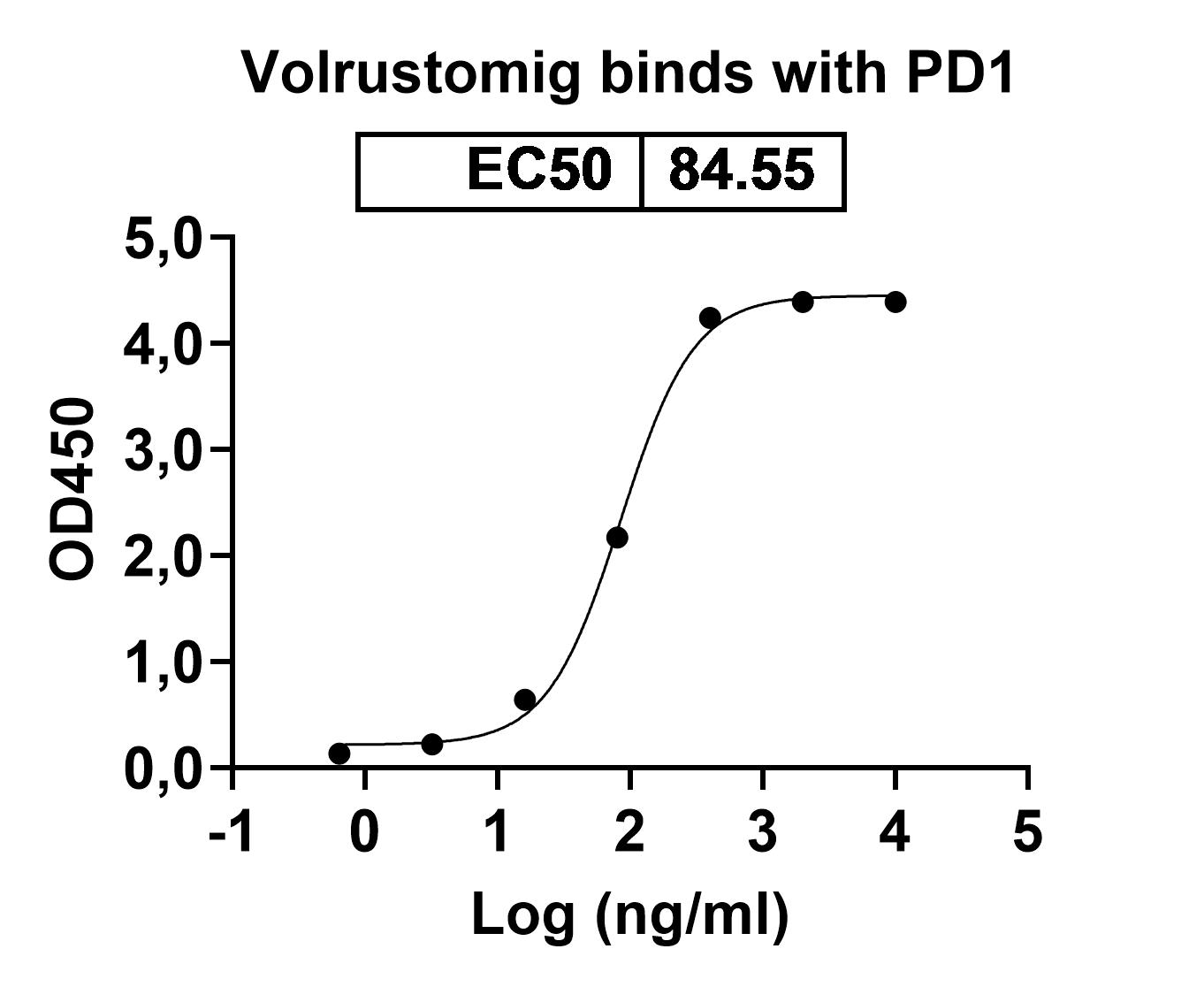
The main mechanism of action of Volrustomig Biosimilar is through blocking the interaction between PD1 and its ligands, PD-L1 and PD-L2, as well as the interaction between CTLA4 and its ligands, CD80 and CD86. By doing so, the antibody prevents the inhibitory signals that these proteins send to T cells, which are important in regulating the immune response. This allows for the activation of T cells and enhances their ability to target and destroy cancer cells.
Potential Applications
Volrustomig Biosimilar has shown promising results in preclinical studies and is currently being evaluated in clinical trials for various types of cancer, including melanoma, lung cancer, and bladder cancer. The antibody has also shown potential in combination therapy with other cancer treatments, such as chemotherapy and radiation therapy.
Targeting PD1 and CTLA4 in Melanoma Melanoma is a type of skin
cancer that is known to have a high expression of PD1 and CTLA4 on T cells. Volrustomig Biosimilar has shown promising results in clinical trials for melanoma, with some patients experiencing complete remission. The antibody has also shown a favorable safety profile, making it a potential alternative to current treatments for melanoma.
Combination Therapy for Lung Cancer In lung
cancer, PD1 and CTLA4 have been found to play a role in promoting tumor growth and suppressing the immune response. Volrustomig Biosimilar, when used in combination with chemotherapy, has shown to be more effective in controlling tumor growth compared to chemotherapy alone. This combination therapy also showed a lower incidence of side effects, making it a promising treatment option for lung cancer patients.
Potential for Bladder Cancer Treatment In bladder
cancer, PD1 and CTLA4 have been found to be overexpressed on tumor-infiltrating immune cells. Volrustomig Biosimilar has shown promising results in preclinical studies for bladder cancer, with the potential to enhance the immune response and inhibit tumor growth. Clinical trials are currently underway to evaluate the efficacy and safety of this antibody in bladder cancer patients.
Conclusion
Volrustomig Biosimilar – Anti-PD1 and CTLA4 mAb – Research Grade is a promising antibody that targets two important proteins involved in regulating the immune response. Its unique structure and mechanism of action make it a potential treatment option for various types of cancer, either as a standalone therapy or in combination with other treatments. Further research and clinical trials are needed to fully understand the potential of this antibody in cancer therapy.

There are no reviews yet.