Introduction
Becotatug Biosimilar is a research grade antibody that specifically targets the HER1 protein. This monoclonal antibody (mAb) is a biosimilar of the therapeutic antibody cetuximab, which is used in the treatment of various cancers. In this article, we will discuss the structure, activity, and applications of Becotatug Biosimilar as a research tool.
Structure of Becotatug Biosimilar
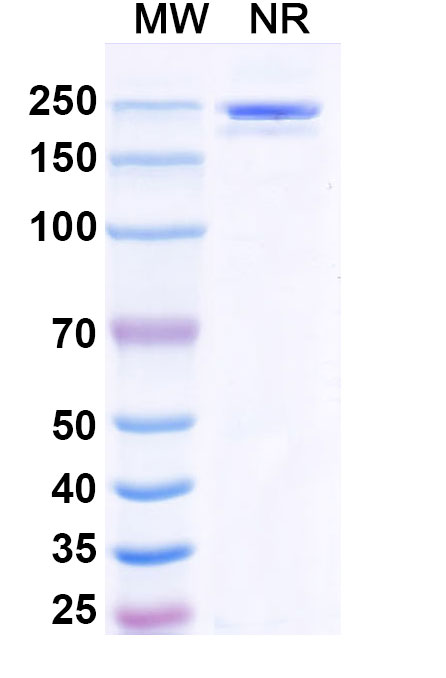
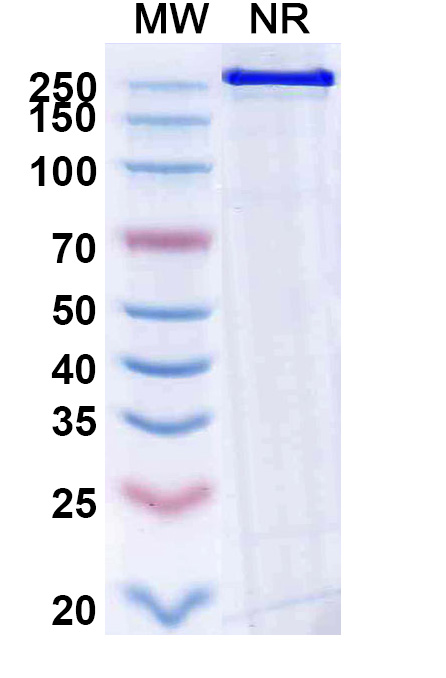
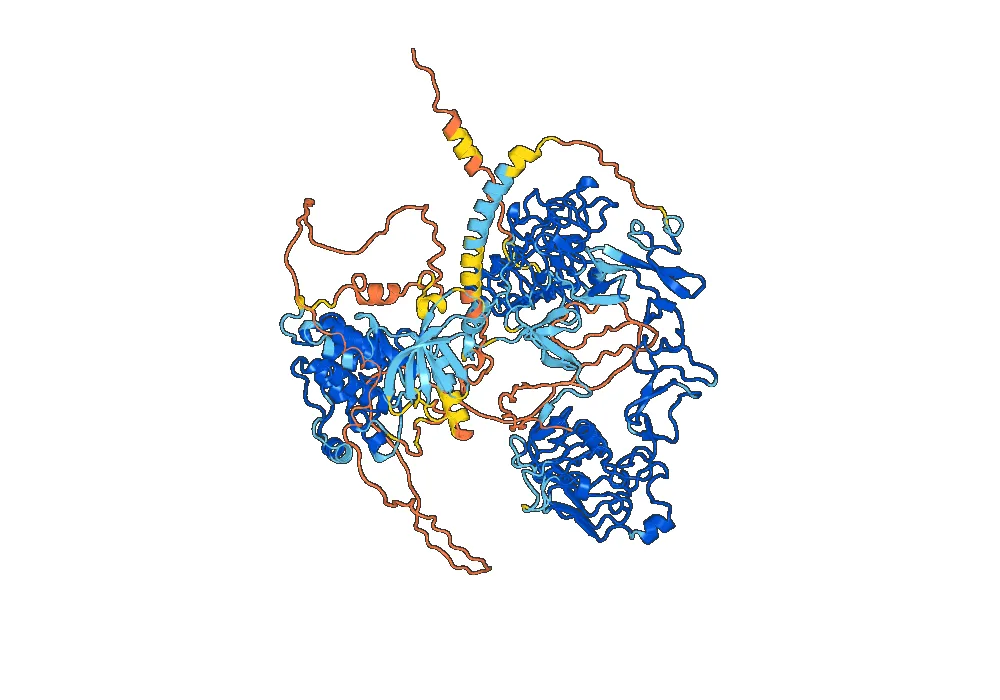
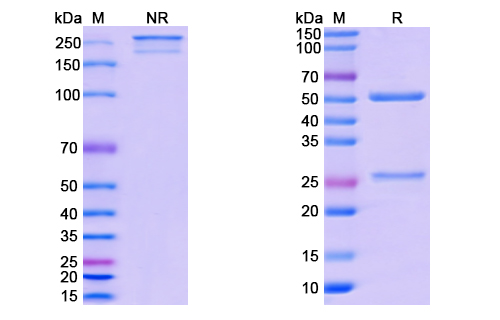
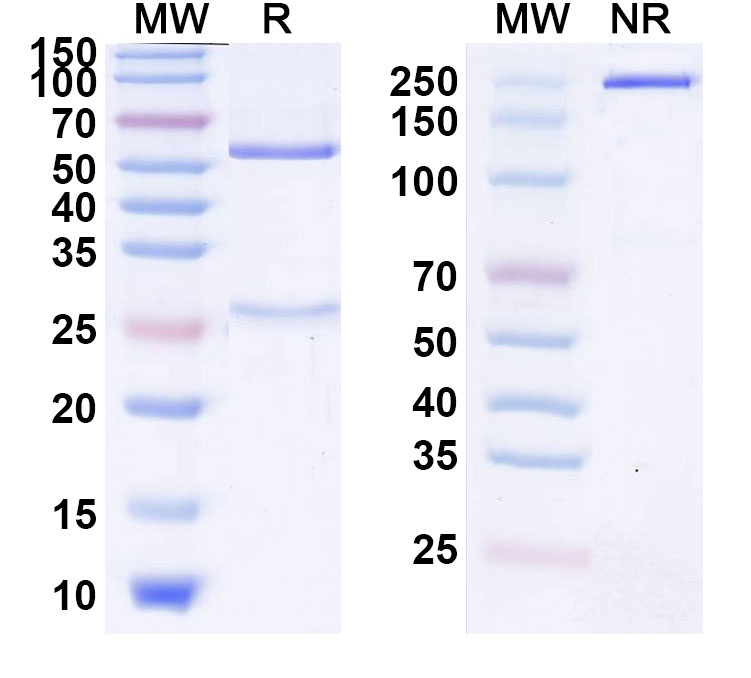
Becotatug Biosimilar is a recombinant humanized IgG1 monoclonal antibody. It is composed of two heavy chains and two light chains, which are linked by disulfide bonds. The heavy chains contain four constant regions (CH1, CH2, CH3, and CH4) and one variable region (VH), while the light chains contain two constant regions (CL) and one variable region (VL). The variable regions of both the heavy and light chains are responsible for binding to the HER1 protein.
Activity of Becotatug Biosimilar
Becotatug Biosimilar specifically targets the HER1 protein, also known as epidermal growth factor receptor (EGFR). HER1 is a transmembrane receptor that is overexpressed in many types of cancer, including lung, head and neck, and colorectal cancer. This overexpression is associated with increased cell proliferation, survival, and metastasis. Becotatug Biosimilar binds to the extracellular domain of HER1, preventing the binding of its ligand, epidermal growth factor (EGF), and inhibiting downstream signaling pathways.
Mechanism of Action
The binding of Becotatug Biosimilar to HER1 leads to the internalization and degradation of the receptor, resulting in decreased cell proliferation and survival. Additionally, it can also induce antibody-dependent cell-mediated cytotoxicity (ADCC) and complement-dependent cytotoxicity (CDC) against HER1-expressing cancer cells. This makes Becotatug Biosimilar a potential therapeutic agent for the treatment of HER1-positive cancers.
Applications of Becotatug Biosimilar Research Tool
As a research grade antibody, Becotatug Biosimilar can be used in various laboratory techniques, such as Western blotting, immunohistochemistry, and flow cytometry, to study the expression and function of HER1 in different cell types and tissues. It can also be used in in vitro and in vivo studies to investigate the role of HER1 in cancer development and progression.
Therapeutic Target
The overexpression of HER1 in various cancers makes it a promising therapeutic target. Becotatug Biosimilar, being a biosimilar of cetuximab, has the potential to be developed as a therapeutic antibody for the treatment of HER1-positive cancers. It can be used alone or in combination with other anti- cancer therapies, such as chemotherapy and radiation therapy, to improve treatment outcomes.
Future Developments
The use of biosimilars, such as Becotatug Biosimilar, is gaining popularity in the field of biopharmaceuticals due to their potential to reduce healthcare costs and increase patient access to effective treatments. Ongoing research is focused on optimizing the production and purification processes of Becotatug Biosimilar to improve its potency and reduce the risk of adverse effects. Additionally, clinical trials are being conducted to evaluate the safety and efficacy of Becotatug Biosimilar as a therapeutic agent.
Conclusion
In summary, Becotatug Biosimilar is a research grade antibody that specifically targets the HER1 protein. Its structure, activity, and applications make it a valuable tool for studying HER1 in cancer research. It also has the potential to be developed as a therapeutic antibody for the treatment of HER1-positive cancers. With ongoing developments in the field of biosimilars, Becotatug Biosimilar holds promise for improving cancer treatment outcomes and reducing healthcare costs.


There are no reviews yet.