Introduction
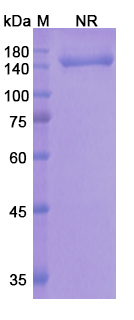
Bafisontamab Biosimilar, also known as Anti-ERBB1 mAb, is a monoclonal antibody that targets the ERBB1 receptor, also known as epidermal growth factor receptor (EGFR). This biosimilar is currently being researched for its potential therapeutic applications in various cancers.
Structure
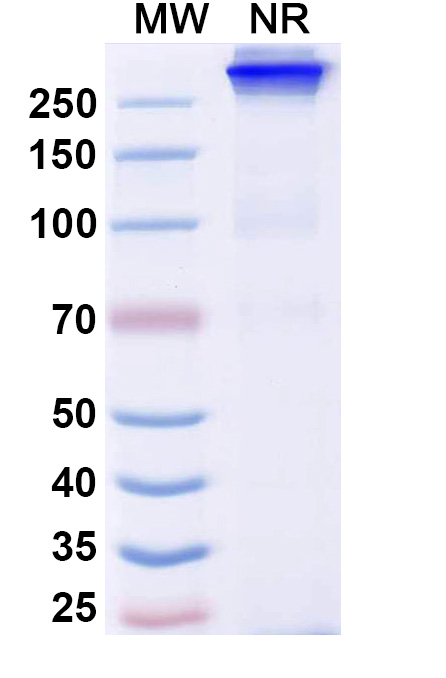
Bafisontamab Biosimilar is a recombinant humanized IgG1 monoclonal antibody. It is composed of two heavy chains and two light chains, each containing a variable and a constant region. The variable region of the antibody is responsible for binding to the ERBB1 receptor, while the constant region determines its effector functions.
Activity
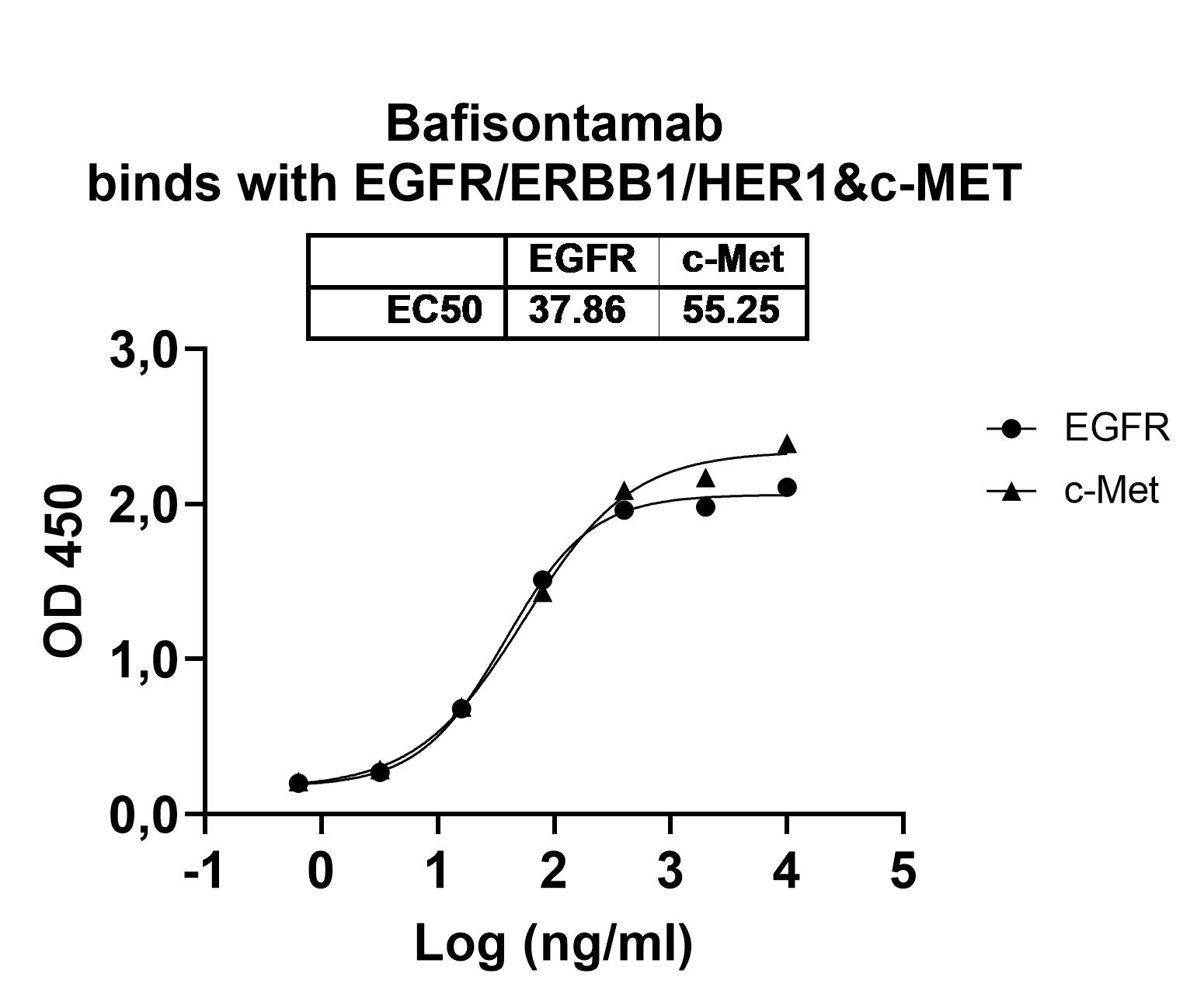
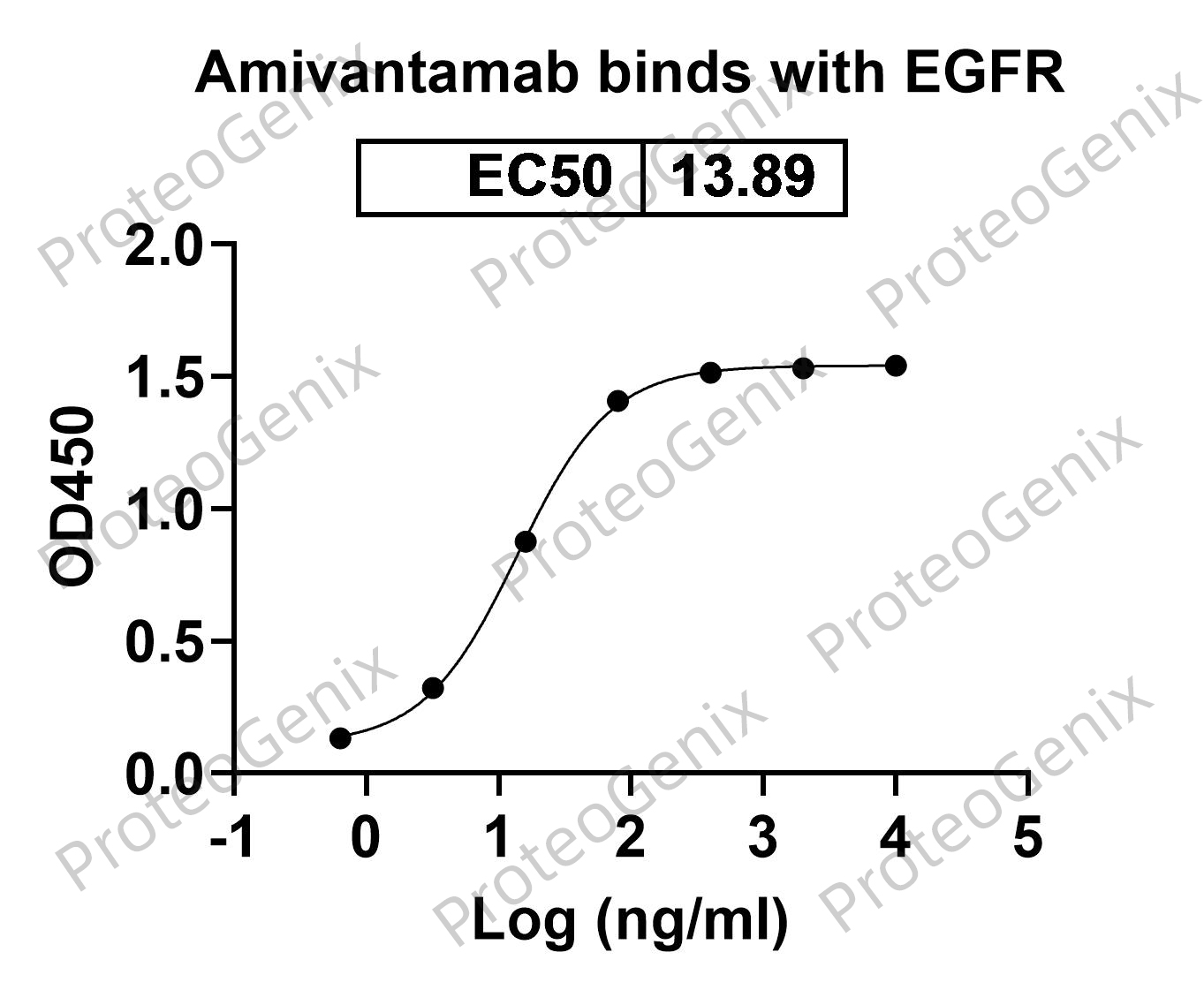
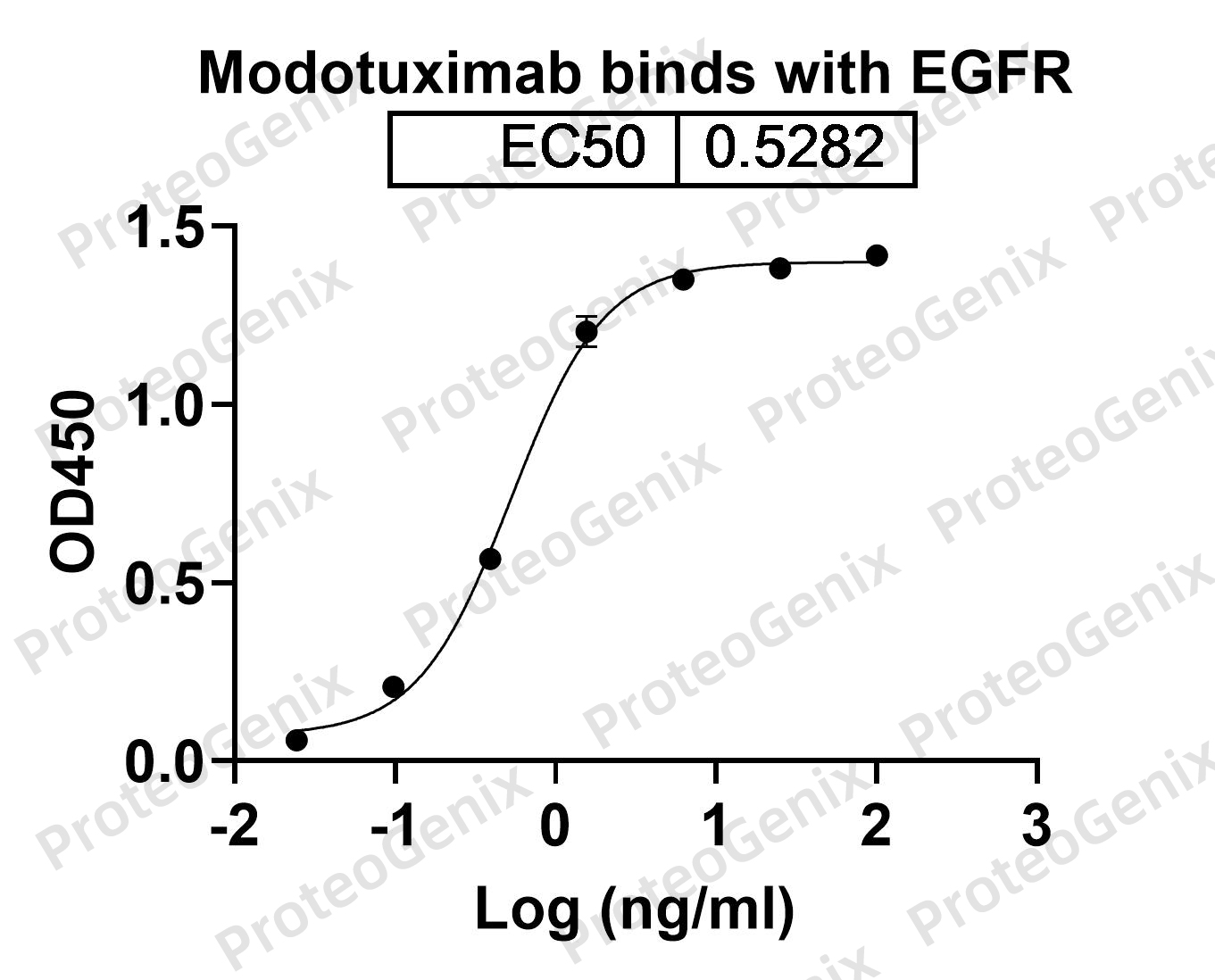
The main activity of Bafisontamab Biosimilar is its ability to bind to the ERBB1 receptor with high specificity and affinity. This binding blocks the activation of the receptor and prevents the downstream signaling pathways that promote cell proliferation and survival. This leads to inhibition of tumor growth and potentially induces cell death in cancer cells that are dependent on the ERBB1 signaling pathway.
In addition to its anti-tumor activity, Bafisontamab Biosimilar also has effector functions such as antibody-dependent cellular cytotoxicity (ADCC) and complement-dependent cytotoxicity (CDC). These functions involve the recruitment of immune cells and activation of the complement system to further enhance the destruction of cancer cells.
Application
Bafisontamab Biosimilar is currently being investigated for its therapeutic potential in various cancers, particularly those that overexpress the ERBB1 receptor. These include non-small cell lung cancer, head and neck squamous cell carcinoma, and colorectal cancer.
In preclinical studies, Bafisontamab Biosimilar has shown promising results in inhibiting tumor growth and inducing cell death in cancer cells with high levels of ERBB1 expression. It has also shown to have synergistic effects when combined with other anti- cancer therapies, such as chemotherapy and other targeted therapies.
Non-Small Cell Lung Cancer Non-small cell lung
cancer (NSCLC) is the most common type of lung cancer and is often associated with high levels of ERBB1 expression. Bafisontamab Biosimilar has shown significant anti-tumor activity in preclinical studies of NSCLC, both as a single agent and in combination with chemotherapy. It has also demonstrated a favorable safety profile in early clinical trials.
Head and Neck Squamous Cell Carcinoma
Head and neck squamous cell carcinoma (HNSCC) is a type of cancer that affects the mucous membranes lining the mouth, nose, and throat. This cancer is also known to overexpress the ERBB1 receptor. Preclinical studies have shown that Bafisontamab Biosimilar can effectively inhibit tumor growth and induce cell death in HNSCC cells. It is currently being evaluated in clinical trials for the treatment of this cancer.
Colorectal Cancer Colorectal
cancer is the third most common cancer worldwide and is often associated with overexpression of the ERBB1 receptor. Preclinical studies have demonstrated that Bafisontamab Biosimilar can effectively inhibit tumor growth and induce cell death in colorectal cancer cells. It is currently being investigated in clinical trials for the treatment of this cancer.
Conclusion
Bafisontamab Biosimilar is a promising therapeutic agent that targets the ERBB1 receptor, a key player in the development and progression of various cancers. Its unique structure and activity make it a potential treatment option for cancers with high levels of ERBB1 expression. Ongoing research and clinical trials will further determine the efficacy and safety of this biosimilar in the treatment of cancer.
There are no reviews yet.