Introduction to Losatuxizumab Biosimilar
Losatuxizumab biosimilar is a monoclonal antibody (mAb) that targets the epidermal growth factor receptor (EGFR), a cell surface protein that plays a critical role in cell growth and survival. This biosimilar is designed to mimic the structure and function of the original Losatuxizumab, a therapeutic antibody used in the treatment of various cancers. In this article, we will discuss the structure, activity, and potential applications of Losatuxizumab Biosimilar as a research grade antibody.
Structure of Losatuxizumab Biosimilar
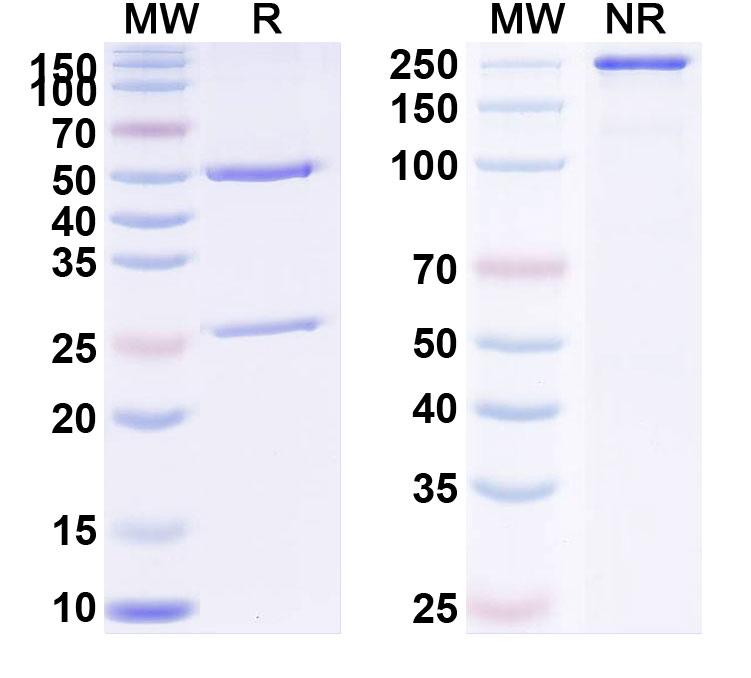
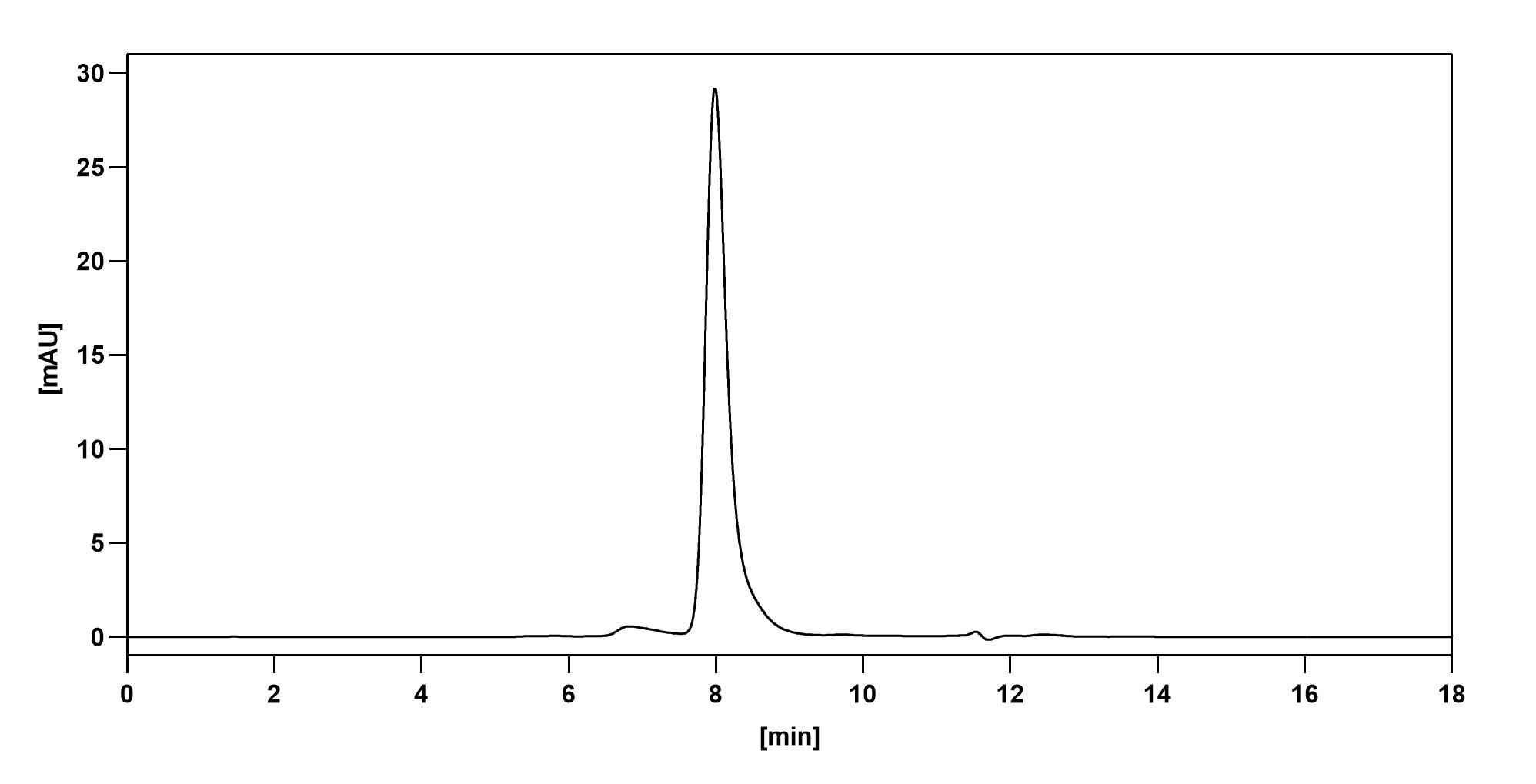
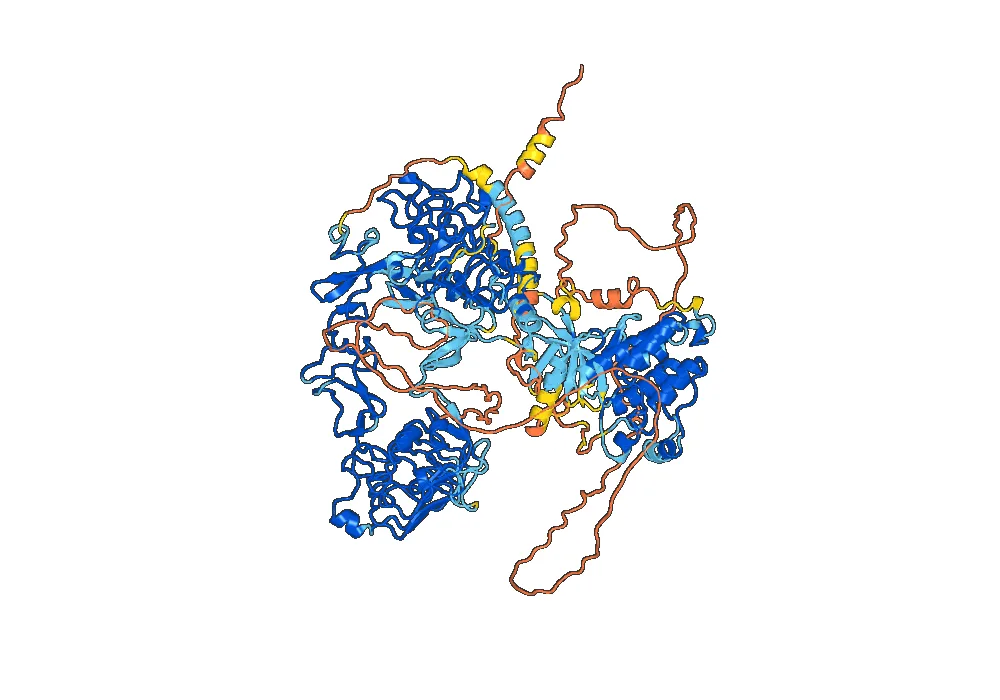
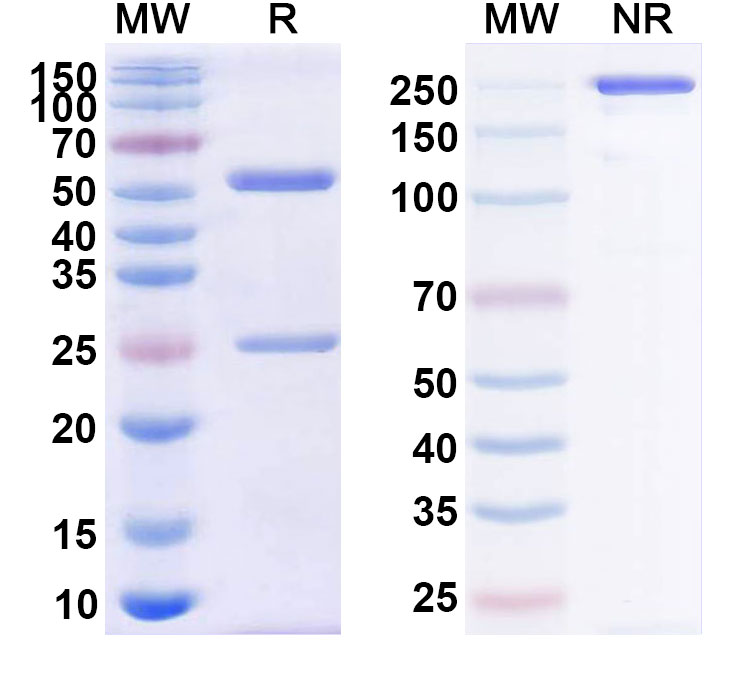
Losatuxizumab biosimilar is a recombinant humanized IgG1 monoclonal antibody with a molecular weight of approximately 150 kDa. It is composed of two heavy chains and two light chains, each consisting of constant and variable regions. The constant regions are responsible for the effector functions of the antibody, while the variable regions determine its specificity for the target antigen, EGFR.
The variable regions of Losatuxizumab biosimilar are derived from the original Losatuxizumab, which was developed using hybridoma technology. The variable regions were then humanized by replacing murine sequences with human sequences to reduce the risk of immunogenicity in patients. This process maintains the specificity and affinity of the antibody for EGFR while minimizing potential adverse reactions.
Activity of Losatuxizumab Biosimilar
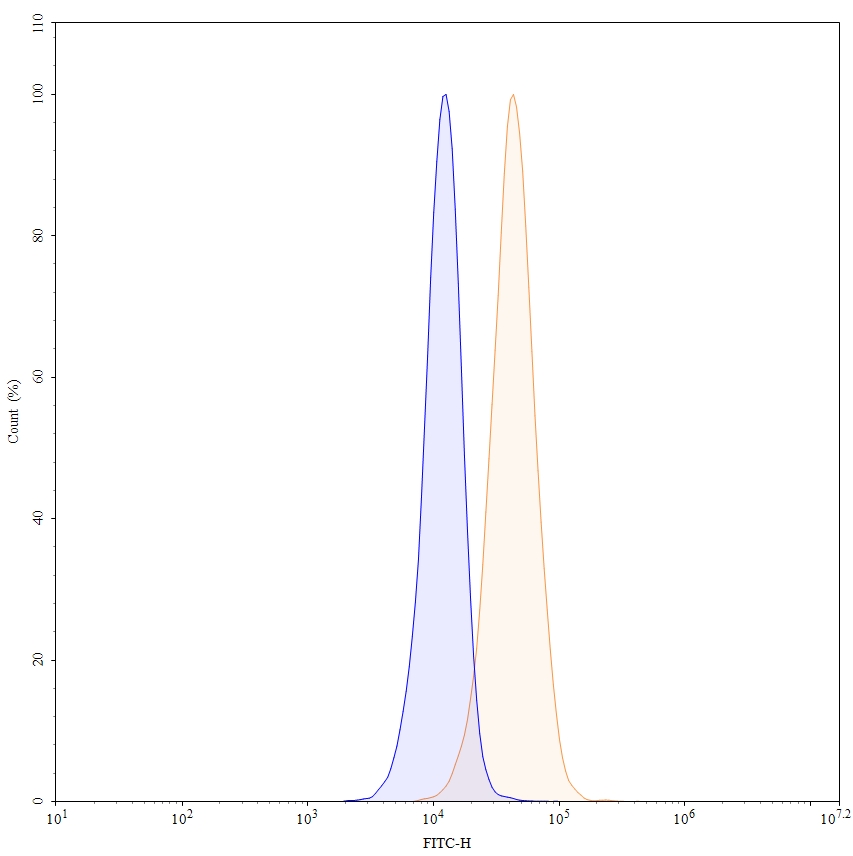
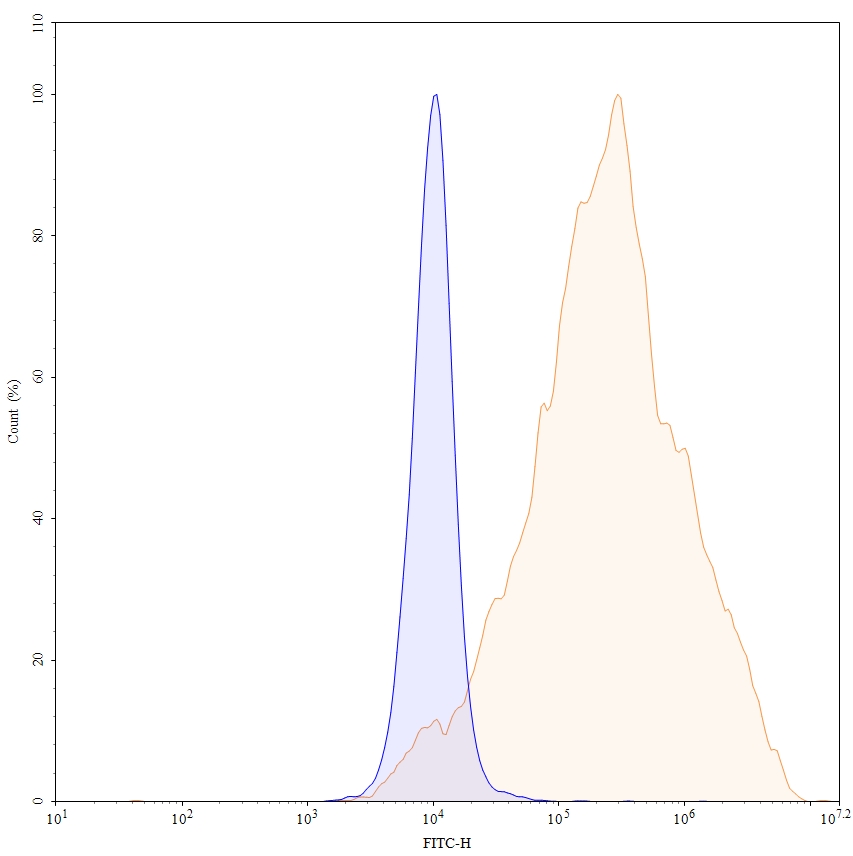
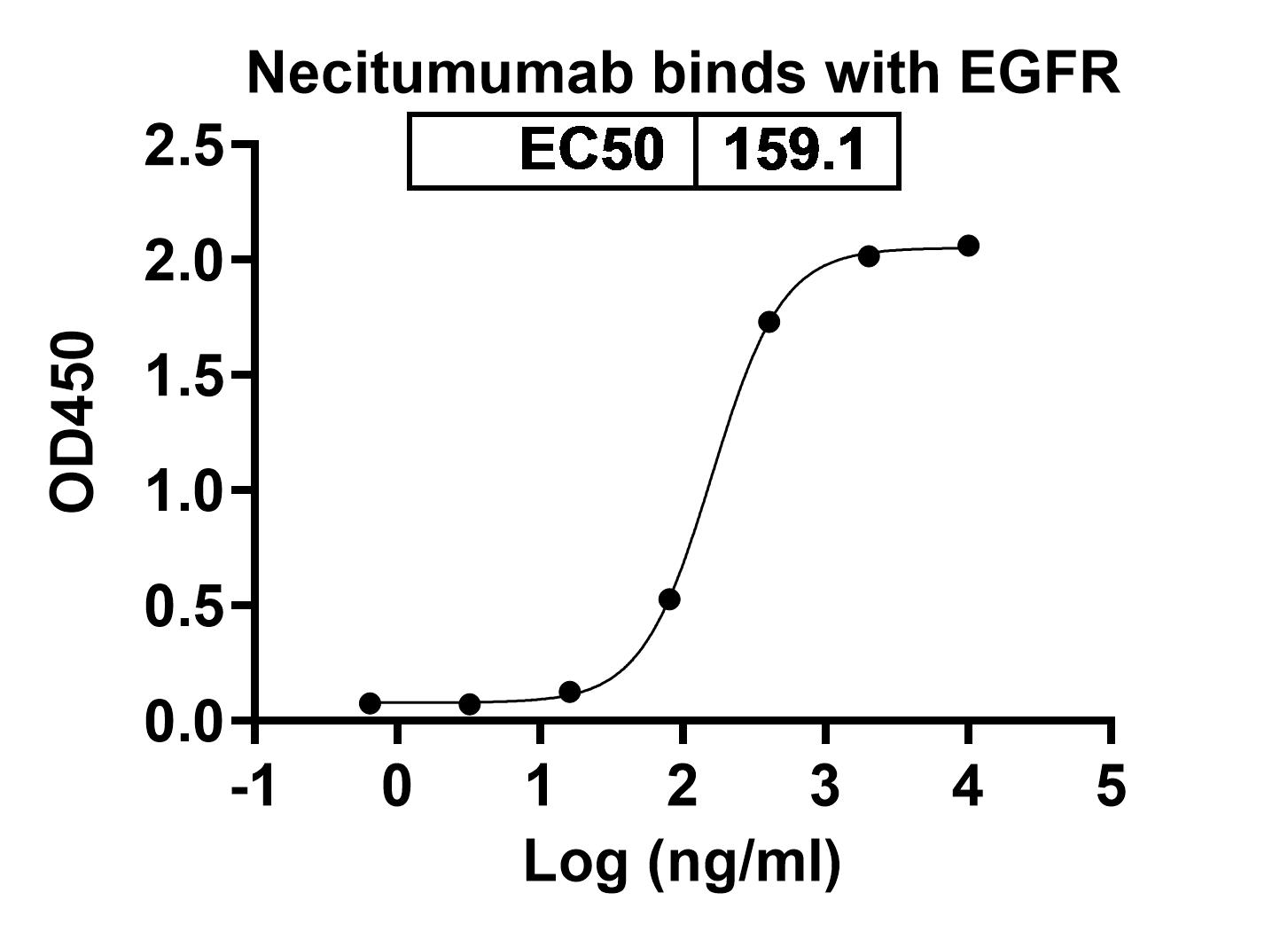
Losatuxizumab biosimilar binds specifically to the extracellular domain of EGFR, preventing the binding of its natural ligands, such as epidermal growth factor (EGF). This results in the inhibition of downstream signaling pathways that promote cell growth and survival, leading to the inhibition of tumor growth.
In addition to blocking the function of EGFR, Losatuxizumab biosimilar also induces antibody-dependent cellular cytotoxicity (ADCC) and complement-dependent cytotoxicity (CDC). ADCC is a process in which immune cells, such as natural killer cells, recognize and kill cells that are bound by antibodies. CDC is a process in which the antibody activates the complement system, leading to the lysis of target cells.
Applications of Losatuxizumab Biosimilar
Losatuxizumab biosimilar has been studied for its potential use in the treatment of various cancers, including non-small cell lung cancer (NSCLC), head and neck squamous cell carcinoma (HNSCC), and colorectal cancer. In preclinical studies, Losatuxizumab biosimilar has shown promising results in inhibiting tumor growth and improving survival in animal models.
As a research grade antibody, Losatuxizumab biosimilar can also be used in laboratory experiments to study the role of EGFR in cancer and to test potential therapeutic strategies targeting this receptor. Its high specificity and affinity for EGFR make it a valuable tool for researchers studying this important therapeutic target.
Conclusion
In summary, Losatuxizumab biosimilar is a recombinant humanized monoclonal antibody that targets EGFR and has potential applications in the treatment of various cancers. Its structure, activity, and potential uses make it a valuable research tool for studying EGFR and developing new therapeutic strategies for cancer treatment. Further studies and clinical trials are needed to fully understand the potential of Losatuxizumab biosimilar as a therapeutic antibody.
There are no reviews yet.