Introduction
Polzastobart Biosimilar is a research grade anti-ILT-4 monoclonal antibody (mAb) that has been developed as a potential therapeutic agent for various diseases. In this article, we will discuss the structure, activity, and potential applications of this biosimilar in the field of medicine.
Structure of Polzastobart Biosimilar
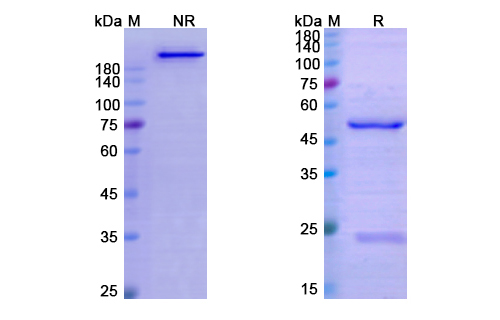
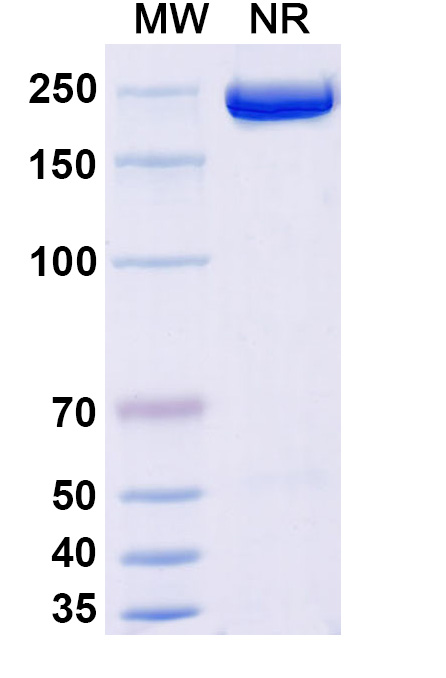
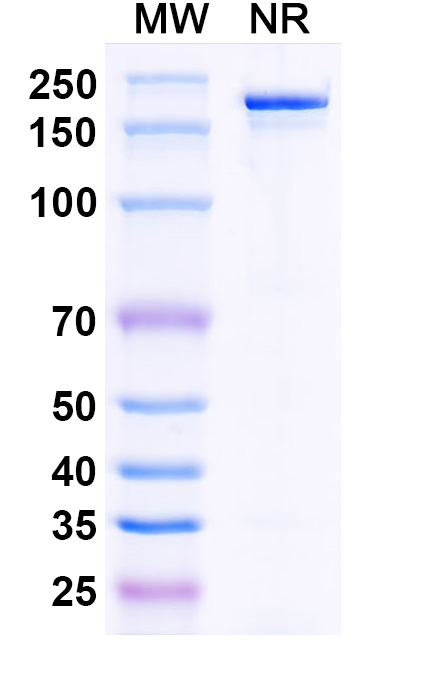
Polzastobart Biosimilar is a humanized IgG1 monoclonal antibody that is composed of two heavy chains and two light chains. The heavy chains consist of four constant domains (CH1-CH4) and one variable domain (VH), while the light chains consist of two constant domains (CL1-CL2) and one variable domain (VL). The variable domains of both heavy and light chains are responsible for the specificity of the antibody towards its target.
Activity of Polzastobart Biosimilar
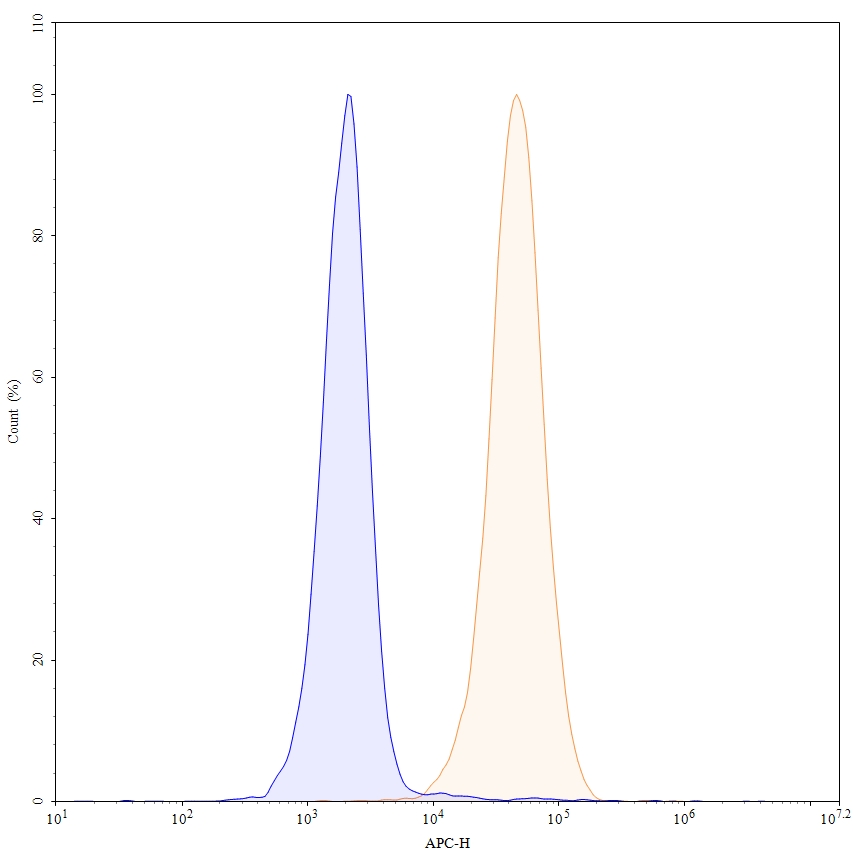
Polzastobart Biosimilar specifically targets the immune receptor ILT-4 (Immunoglobulin-like transcript 4), which is expressed on the surface of various immune cells such as T cells, B cells, and dendritic cells. ILT-4 plays a crucial role in regulating immune responses and is involved in the development of autoimmune diseases, cancer, and infectious diseases.
By binding to ILT-4, Polzastobart Biosimilar blocks its interaction with its ligands, which leads to the inhibition of downstream signaling pathways. This ultimately results in the modulation of immune responses and can potentially have therapeutic effects in various diseases.
Potential Applications of Polzastobart Biosimilar
1. Autoimmune Diseases:
Polzastobart Biosimilar has shown promising results in preclinical studies as a potential treatment for autoimmune diseases such as rheumatoid arthritis, multiple sclerosis, and lupus. By targeting ILT-4, it can modulate the immune response and reduce inflammation, which is a hallmark of these diseases.
2.
Cancer:
ILT-4 has been found to be overexpressed on the surface of cancer cells, and its interaction with its ligands has been linked to tumor growth and progression. Polzastobart Biosimilar has shown potential as a cancer therapy by inhibiting the ILT-4 signaling pathway and potentially reducing tumor growth.
3.
Infectious Diseases:
ILT-4 has also been implicated in the pathogenesis of various infectious diseases, including HIV, hepatitis B, and tuberculosis. By targeting ILT-4, Polzastobart Biosimilar may have the potential to modulate the immune response and improve the outcome of these diseases.
4.
Transplant Rejection:
ILT-4 has been shown to play a role in the immune response against transplanted organs, leading to rejection. Polzastobart Biosimilar has the potential to be used as an immunosuppressive agent by targeting ILT-4 and inhibiting the immune response against the transplanted organ.
Conclusion
In conclusion, Polzastobart Biosimilar is a research grade anti-ILT-4 monoclonal antibody with a specific structure and activity. It has shown potential in preclinical studies for the treatment of autoimmune diseases, cancer, infectious diseases, and transplant rejection. Further clinical studies are needed to fully evaluate the therapeutic potential of this biosimilar in various diseases.

There are no reviews yet.