Pimurutamab Biosimilar: A Revolutionary Anti-EGFR mAb Introduction
Pimurutamab Biosimilar, also known as PMB-01, is a monoclonal antibody (mAb) that targets the epidermal growth factor receptor (EGFR). It is a biosimilar of the widely used anti-EGFR mAb, cetuximab, and is currently in the research grade stage. Pimurutamab Biosimilar has shown promising results in pre-clinical studies and is expected to be a game-changer in the treatment of various cancers.
Structure of Pimurutamab Biosimilar
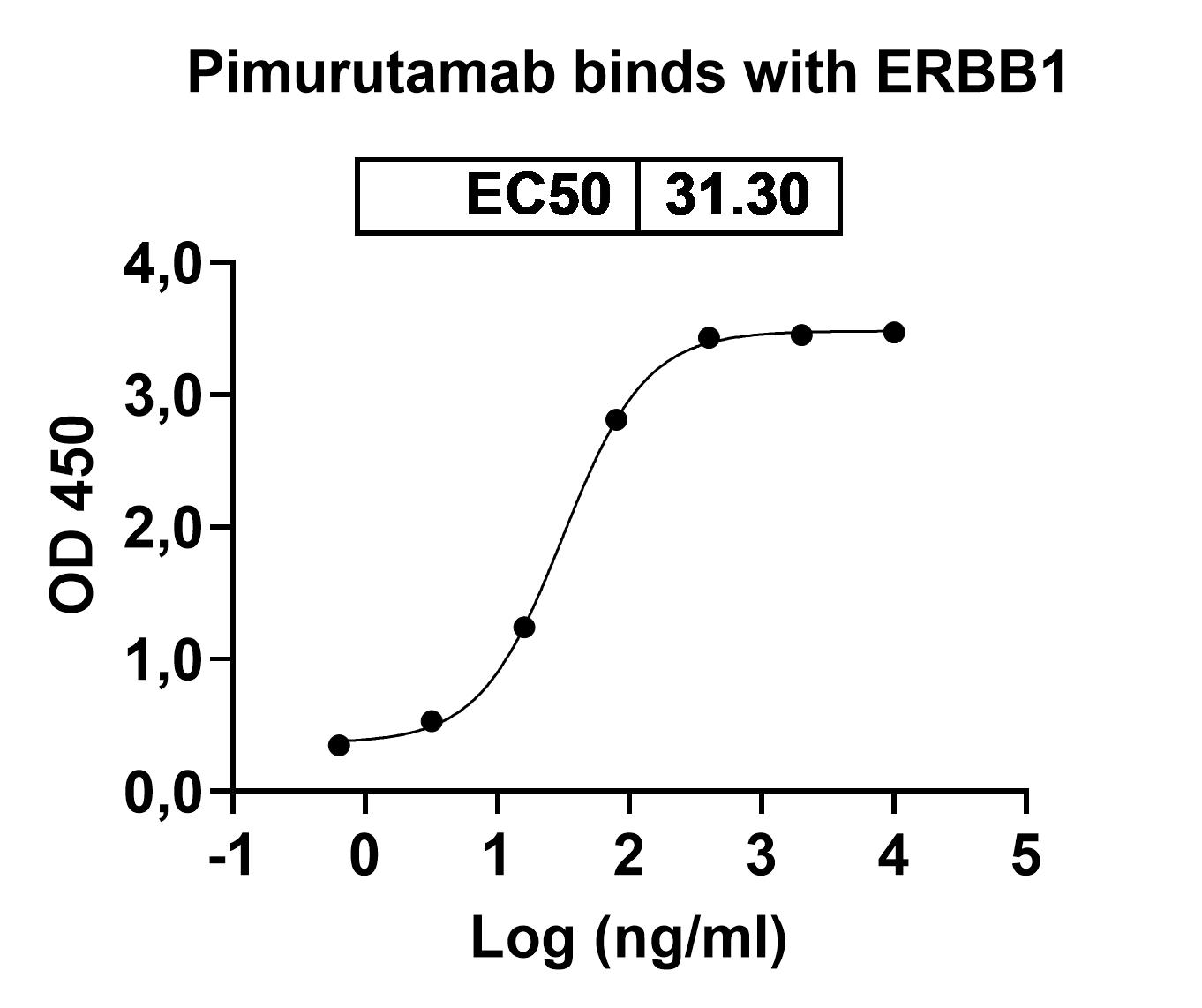
Pimurutamab Biosimilar is a fully humanized IgG1 monoclonal antibody that specifically binds to the extracellular domain of EGFR. It is composed of two heavy chains and two light chains, each with a molecular weight of approximately 150 kDa. The antibody has a Y-shaped structure, with the two heavy chains forming the arms and the two light chains forming the base. The variable regions of the antibody, responsible for binding to EGFR, are located at the tips of the arms. Pimurutamab Biosimilar has been engineered to have a longer half-life and increased affinity for EGFR compared to its predecessor, making it a more potent therapeutic agent.
Mechanism of Action
EGFR is a transmembrane receptor that is overexpressed in many types of cancer, including colorectal, lung, and head and neck cancers. It plays a crucial role in cell proliferation, survival, and metastasis, making it an attractive therapeutic target. Pimurutamab Biosimilar works by binding to EGFR and preventing its activation by ligands, such as epidermal growth factor (EGF). This inhibits downstream signaling pathways, leading to a decrease in cell proliferation and an increase in cell death. Additionally, Pimurutamab Biosimilar can also induce antibody-dependent cell-mediated cytotoxicity (ADCC) and complement-dependent cytotoxicity (CDC), further enhancing its anti-tumor activity.
Applications of Pimurutamab Biosimilar
Pimurutamab Biosimilar has shown promising results in pre-clinical studies for the treatment of various cancers, including colorectal, lung, and head and neck cancers. It has also been studied in combination with other anti- cancer therapies, such as chemotherapy and radiation therapy, and has shown synergistic effects. Pimurutamab Biosimilar has the potential to be used as a first-line treatment for EGFR-expressing cancers, as well as in patients who have developed resistance to other anti-EGFR therapies.
Advantages of Pimurutamab Biosimilar
Compared to its predecessor, cetuximab, Pimurutamab Biosimilar has several advantages. Firstly, being a biosimilar, it is expected to have a lower cost, making it more accessible to patients. Secondly, Pimurutamab Biosimilar has a longer half-life, which means it can be administered less frequently, reducing the burden on patients. Thirdly, Pimurutamab Biosimilar has a higher affinity for EGFR, making it more potent and effective. Lastly, Pimurutamab Biosimilar is a fully humanized antibody, reducing the risk of immunogenicity and potential side effects.
Future Directions
Pimurutamab Biosimilar is currently in the research grade stage, and further clinical trials are needed to evaluate its safety and efficacy in humans. If successful, Pimurutamab Biosimilar has the potential to become a widely used and cost-effective treatment for EGFR-expressing cancers. Additionally, Pimurutamab Biosimilar may also be studied in other types of cancers, as EGFR is overexpressed in many malignancies.
Conclusion In conclusion, Pimurutamab Biosimilar


There are no reviews yet.