Introduction
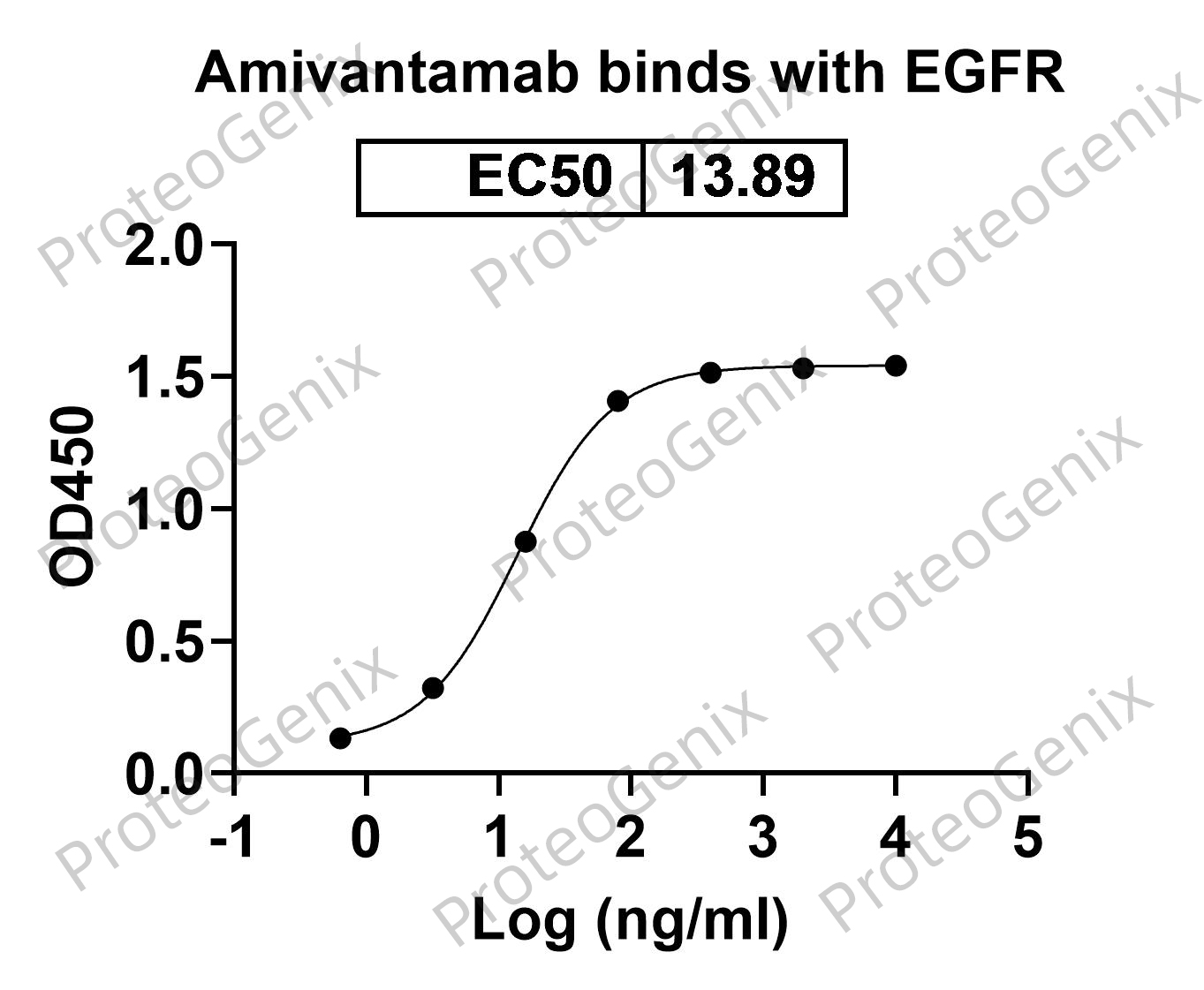
Tomuzotuximab Biosimilar, also known as Anti-EGFR mAb, is a monoclonal antibody that specifically targets the epidermal growth factor receptor (EGFR). This biosimilar is a research grade version of the original therapeutic antibody, cetuximab, and is used in various research studies and preclinical trials to investigate its potential as a therapeutic agent.
Structure of Tomuzotuximab Biosimilar
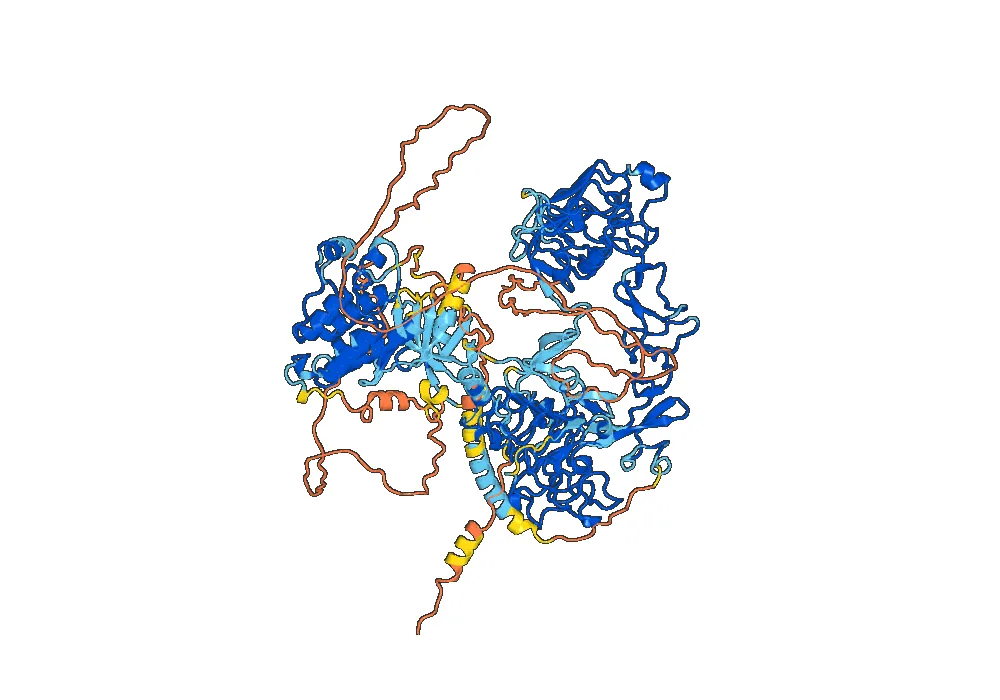
Tomuzotuximab Biosimilar is a recombinant humanized IgG1 monoclonal antibody, meaning it is produced in a laboratory using genetic engineering techniques. It is composed of two heavy chains and two light chains, each containing a variable region and a constant region. The variable region is responsible for binding to the EGFR, while the constant region is responsible for mediating effector functions.
Mechanism of Action
EGFR is a transmembrane protein that is overexpressed in many types of cancer, including colorectal, lung, and head and neck cancers. It plays a crucial role in cell proliferation, survival, and migration, making it an attractive therapeutic target. Tomuzotuximab Biosimilar works by binding to the EGFR on cancer cells, preventing the binding of its natural ligands and inhibiting downstream signaling pathways. This leads to decreased cell proliferation and increased cell death, ultimately slowing down tumor growth.
Applications of Tomuzotuximab Biosimilar
Tomuzotuximab Biosimilar has been extensively studied in preclinical and clinical settings for its potential as a therapeutic agent. It has shown promising results in various types of cancer, including colorectal, lung, and head and neck cancers. In addition to its use as a standalone treatment, it has also been studied in combination with other cancer therapies, such as chemotherapy and radiation therapy.
Colorectal Cancer Colorectal
cancer is the third most common cancer worldwide, and EGFR is overexpressed in approximately 60% of cases. Tomuzotuximab Biosimilar has been studied as a treatment for advanced or metastatic colorectal cancer that has become resistant to other therapies. It has shown to be effective in improving overall survival and progression-free survival in these patients.
Lung Cancer Lung
cancer is the leading cause of cancer-related deaths worldwide, and EGFR is overexpressed in approximately 40% of cases. Tomuzotuximab Biosimilar has been studied in non-small cell lung cancer, the most common type of lung cancer, and has shown to be effective in improving overall survival and progression-free survival in patients with EGFR-positive tumors.
Head and Neck Cancer Head and neck
cancer is the sixth most common cancer worldwide, and EGFR is overexpressed in approximately 90% of cases. Tomuzotuximab Biosimilar has been studied in this type of cancer and has shown to be effective in improving overall survival and progression-free survival in patients with EGFR-positive tumors.
Conclusion
In conclusion, Tomuzotuximab Biosimilar is a recombinant humanized monoclonal antibody that specifically targets the EGFR. It has shown promising results in preclinical and clinical studies as a potential treatment for various types of cancer, including colorectal, lung, and head and neck cancers. Its ability to inhibit EGFR signaling and slow down tumor growth makes it a promising therapeutic agent for cancer treatment. Further research and clinical trials are needed to fully assess its efficacy and safety in different cancer types and treatment settings.


There are no reviews yet.