Serclutamab Biosimilar: A Powerful Antibody Targeting EGFR for Therapeutic Use
Serclutamab Biosimilar is a novel monoclonal antibody (mAb) that has been developed as a biosimilar of cetuximab, a well-known anti-EGFR (epidermal growth factor receptor) mAb used in cancer therapy. This biosimilar has been designed to have a similar structure and function as cetuximab, but at a more affordable cost. In this article, we will explore the structure, activity, and potential applications of Serclutamab Biosimilar in the field of cancer research.
Structure of Serclutamab Biosimilar
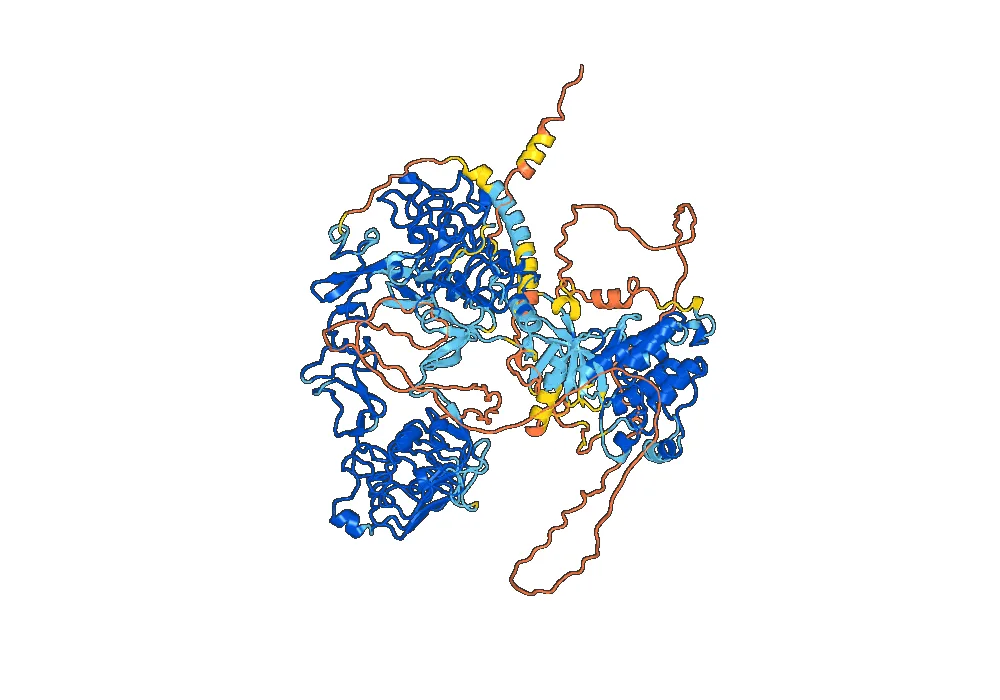
Serclutamab Biosimilar is a chimeric mAb, meaning it is composed of both human and mouse components. It is made up of two heavy chains and two light chains, which are connected by disulfide bonds. The heavy chains contain a constant region (Fc) and a variable region (Fab), while the light chains only have a variable region. The variable regions are responsible for binding to the target, EGFR, while the constant regions are involved in effector functions such as antibody-dependent cellular cytotoxicity (ADCC) and complement-dependent cytotoxicity (CDC).
The amino acid sequence of Serclutamab Biosimilar has been carefully engineered to closely resemble that of cetuximab. This ensures that the biosimilar has the same binding affinity and specificity for EGFR as the original drug. Additionally, the glycosylation pattern of Serclutamab Biosimilar has been optimized to enhance its stability and half-life in the body.
Activity of Serclutamab Biosimilar
The primary target of Serclutamab Biosimilar is EGFR, a transmembrane receptor that plays a crucial role in cell proliferation, survival, and migration. Overexpression or mutation of EGFR has been linked to the development and progression of various types of cancer, making it an attractive therapeutic target.
Similar to cetuximab, Serclutamab Biosimilar binds to the extracellular domain of EGFR, preventing the binding of its natural ligand, epidermal growth factor (EGF). This blocks the activation of downstream signaling pathways that promote cancer cell growth and survival. In addition, Serclutamab Biosimilar also induces ADCC and CDC, leading to the destruction of cancer cells by the immune system.
Several preclinical studies have demonstrated the efficacy of Serclutamab Biosimilar in inhibiting tumor growth and improving survival in animal models of cancer. It has also shown promising results in combination with other anticancer therapies, such as chemotherapy and radiation therapy.
Applications of Serclutamab Biosimilar
Serclutamab Biosimilar has the potential to be used in the treatment of various types of cancer, including colorectal, head and neck, and non-small cell lung cancer. It can also be used in the management of EGFR-driven resistance to other targeted therapies, such as tyrosine kinase inhibitors.
Furthermore, the availability of a more affordable biosimilar option can increase access to this important therapy for patients in developing countries or those with limited financial resources. This can potentially improve patient outcomes and reduce the burden of cancer on healthcare systems.
Conclusion
Serclutamab Biosimilar is a promising anti-EGFR mAb that has been developed as a biosimilar of cetuximab. Its similar structure and activity make it a potential alternative for the treatment of EGFR-driven cancers, with the added benefit of being more cost-effective. Ongoing clinical trials will provide further insight into its safety and efficacy, and if approved, Serclutamab Biosimilar could become a valuable addition to the arsenal of anticancer therapies.
Keywords: Serclutamab Biosimilar, anti-EGFR mAb

There are no reviews yet.