Introduction
Perenostobart Biosimilar, also known as Anti-ENTPD1 mAb, is a research grade monoclonal antibody that has shown promising results in targeting the therapeutic protein ENTPD1. In this article, we will discuss the structure, activity, and potential applications of Perenostobart Biosimilar in further detail.
Structure of Perenostobart Biosimilar
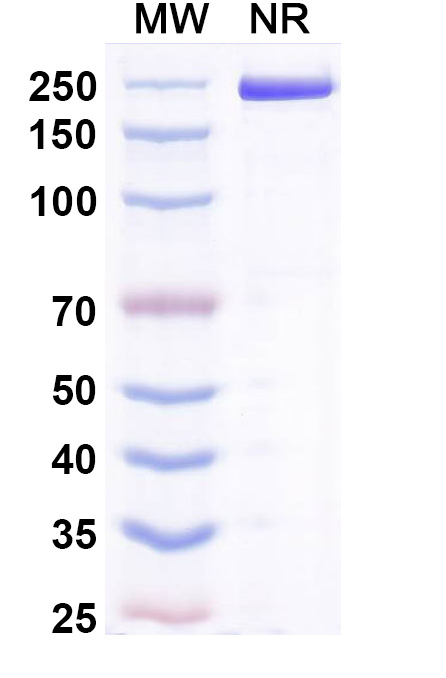
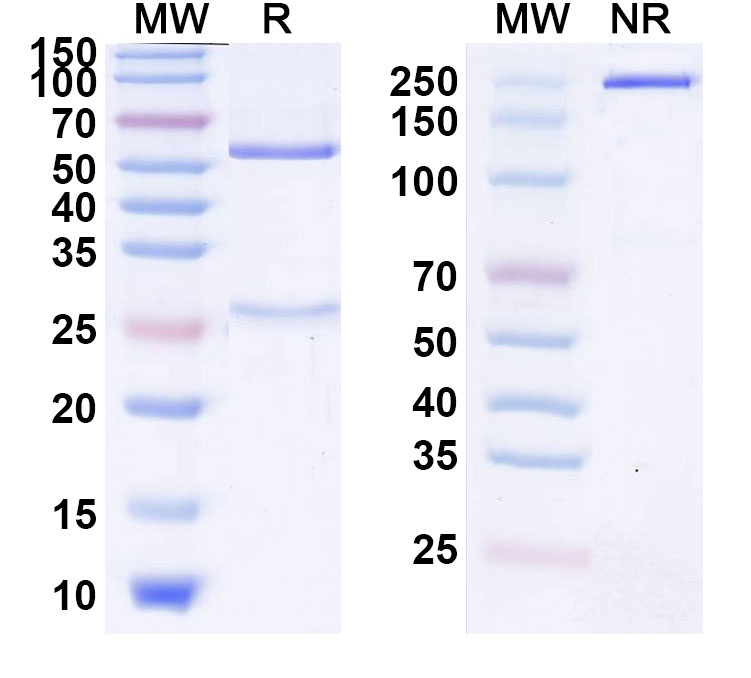
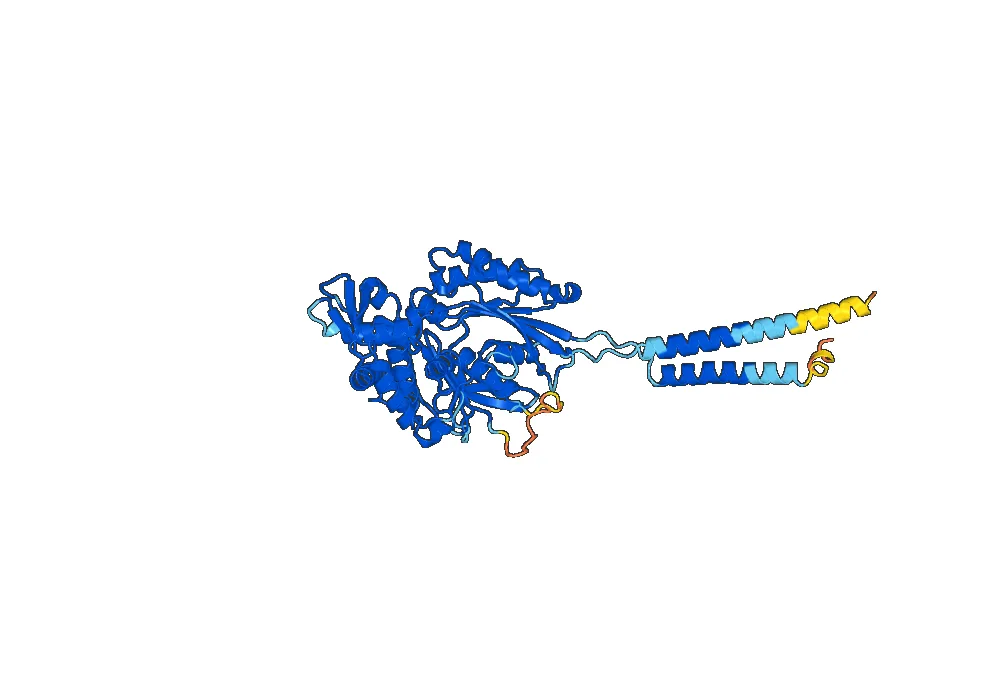
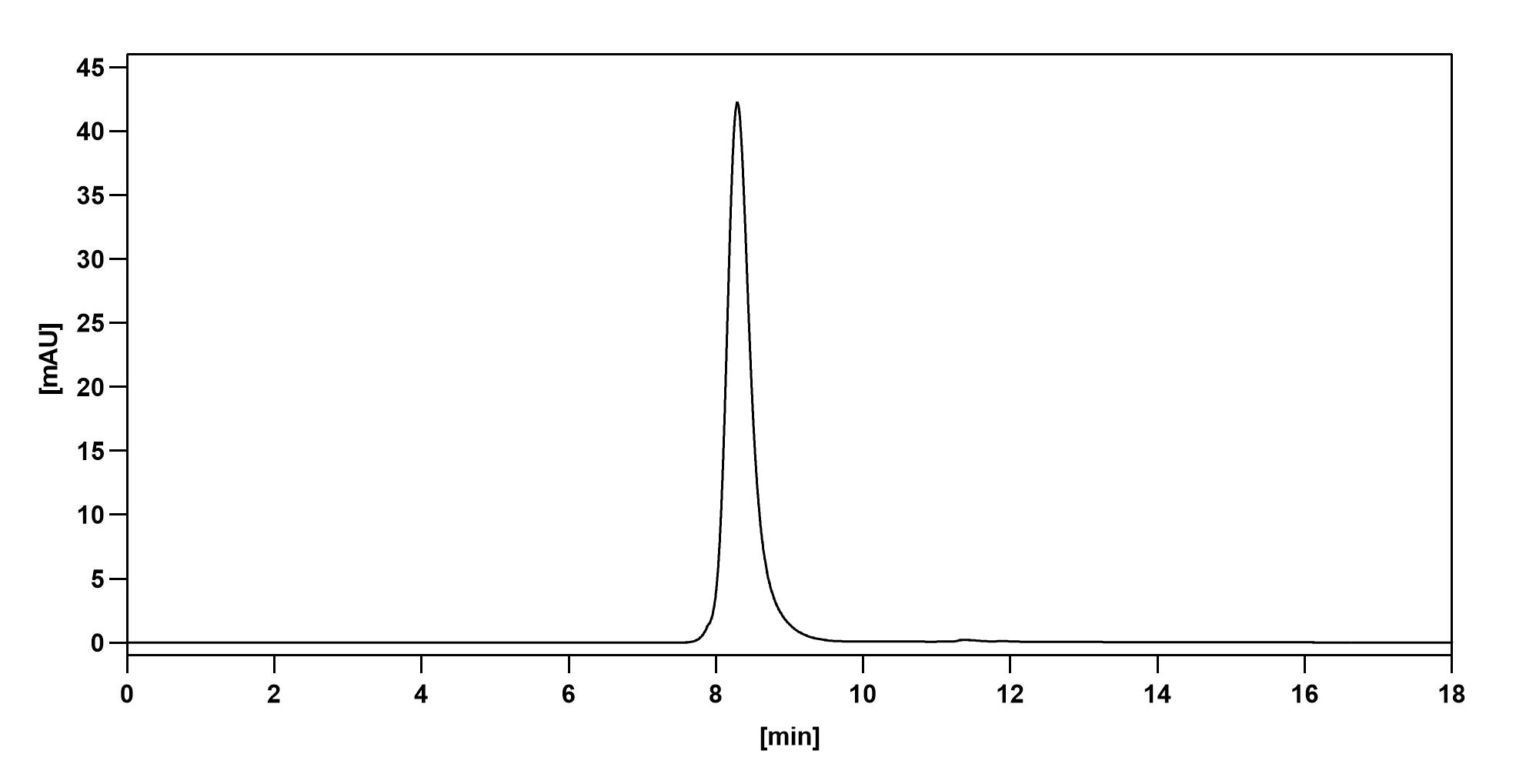
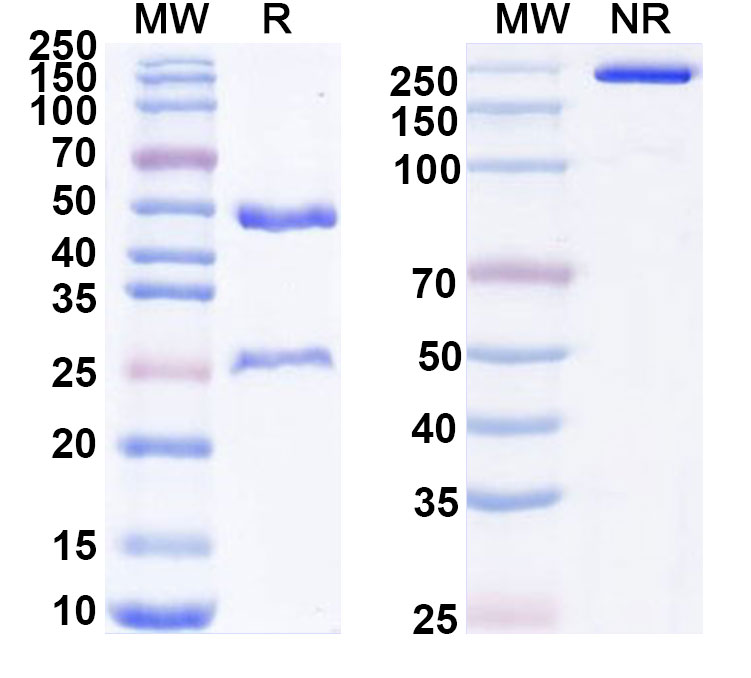
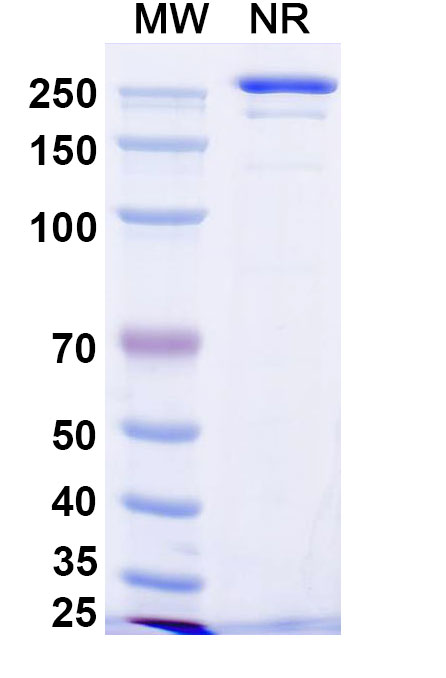
Perenostobart Biosimilar is a fully humanized monoclonal antibody that is produced through recombinant DNA technology. It is composed of two heavy chains and two light chains, each containing a variable region and a constant region. The variable region of the antibody is responsible for binding to its target, ENTPD1, while the constant region provides stability and effector functions.
Activity of Perenostobart Biosimilar
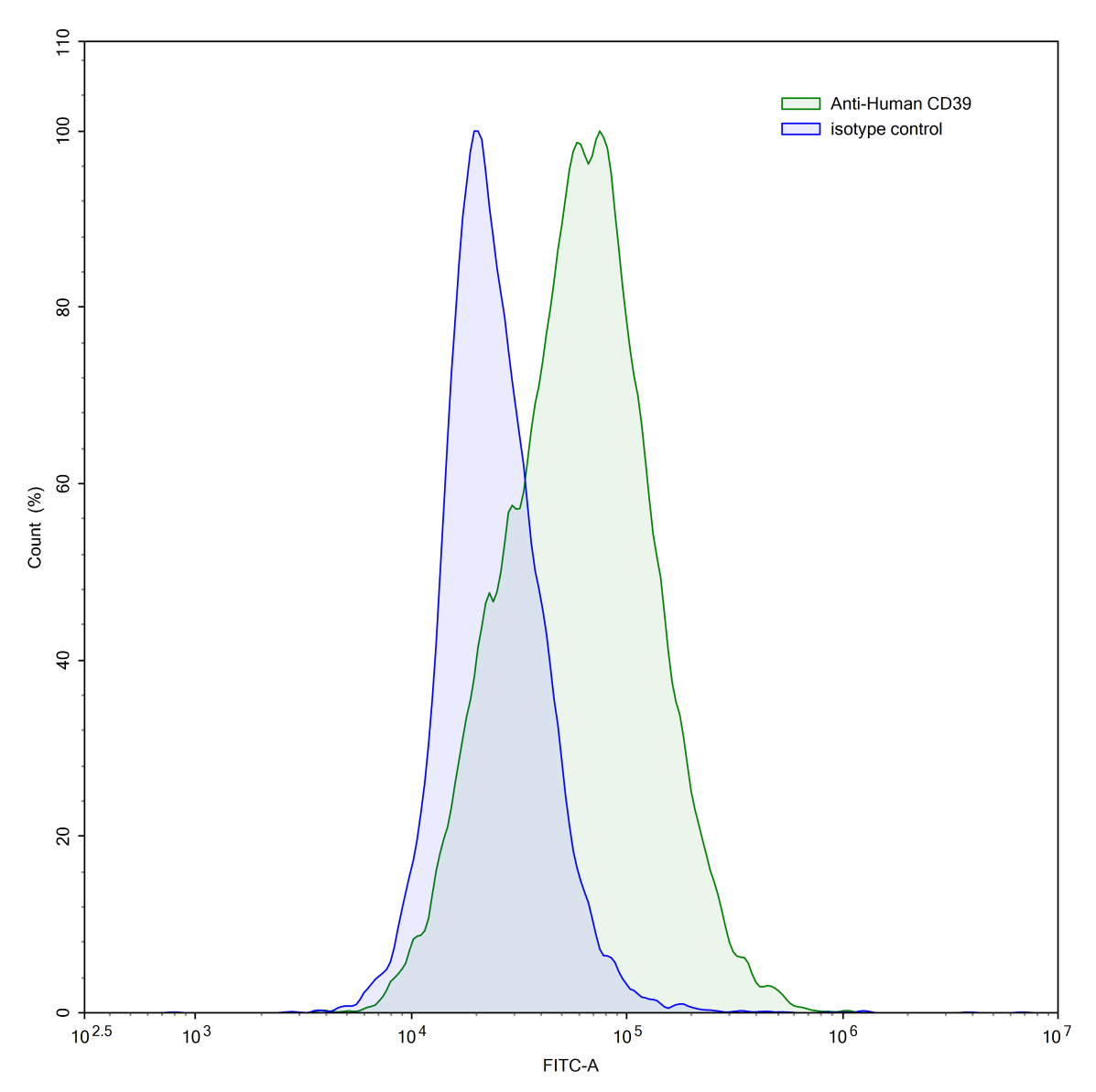
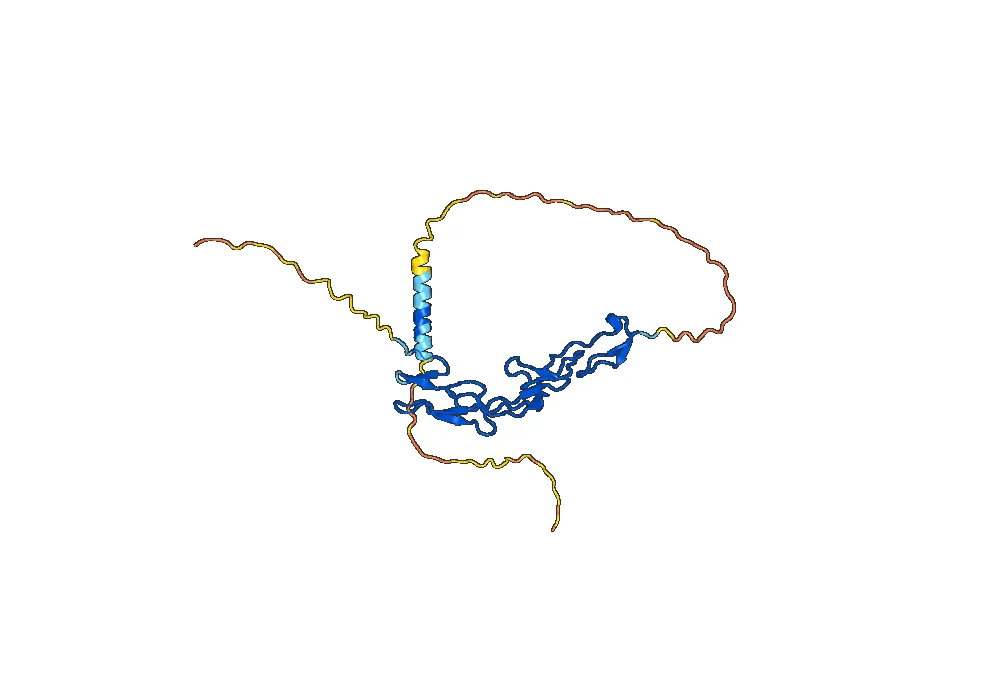
Perenostobart Biosimilar specifically targets and binds to the protein ENTPD1, which is also known as CD39. ENTPD1 is a cell surface protein that is involved in the regulation of immune responses. It plays a crucial role in the conversion of ATP to adenosine, which has anti-inflammatory effects.
By binding to ENTPD1, Perenostobart Biosimilar blocks its activity and prevents the conversion of ATP to adenosine. This leads to an increase in the levels of ATP, which in turn activates immune cells such as T cells and natural killer cells. This activation of immune cells can help in fighting against cancer and other diseases.
Therapeutic Target: ENTPD1
ENTPD1 has been identified as a potential therapeutic target for various diseases, including cancer, autoimmune disorders, and infectious diseases. In cancer, ENTPD1 is overexpressed in tumor cells and promotes immune evasion, making it an attractive target for immunotherapy. In autoimmune disorders, ENTPD1 plays a role in suppressing the immune response, and targeting it with Perenostobart Biosimilar can help in reducing inflammation and controlling the disease. Additionally, ENTPD1 has been found to be involved in the pathogenesis of infectious diseases, making it a potential target for antiviral and antibacterial therapies.
Application of Perenostobart Biosimilar
Perenostobart Biosimilar is currently being studied in preclinical and clinical trials for its potential use in various diseases. In cancer, it is being evaluated as a potential immunotherapy for solid tumors, including melanoma, lung cancer, and ovarian cancer. It is also being studied for its potential use in combination with other cancer therapies, such as chemotherapy and checkpoint inhibitors.
In autoimmune disorders, Perenostobart Biosimilar is being investigated for its potential in treating diseases such as rheumatoid arthritis, multiple sclerosis, and psoriasis. It is also being studied for its potential in preventing transplant rejection.
In infectious diseases, Perenostobart Biosimilar is being evaluated for its potential in treating viral infections, such as hepatitis B and C, and bacterial infections, such as tuberculosis.
Conclusion
In summary, Perenostobart Biosimilar is a promising research grade monoclonal antibody that specifically targets ENTPD1. Its unique mechanism of action makes it a potential therapeutic option for various diseases, including cancer, autoimmune disorders, and infectious diseases. Further studies and clinical trials will help in determining the full potential of Perenostobart Biosimilar and its role in improving patient outcomes.

There are no reviews yet.