Introduction
Panitumumab Biosimilar is a research grade, anti-EGFR (epidermal growth factor receptor) monoclonal antibody (mAb) that has been developed as a potential therapeutic option for various types of cancer. In this article, we will explore the structure, activity, and potential applications of this novel biosimilar.
Structure of Panitumumab Biosimilar
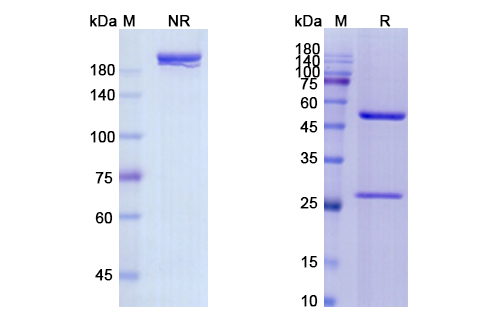
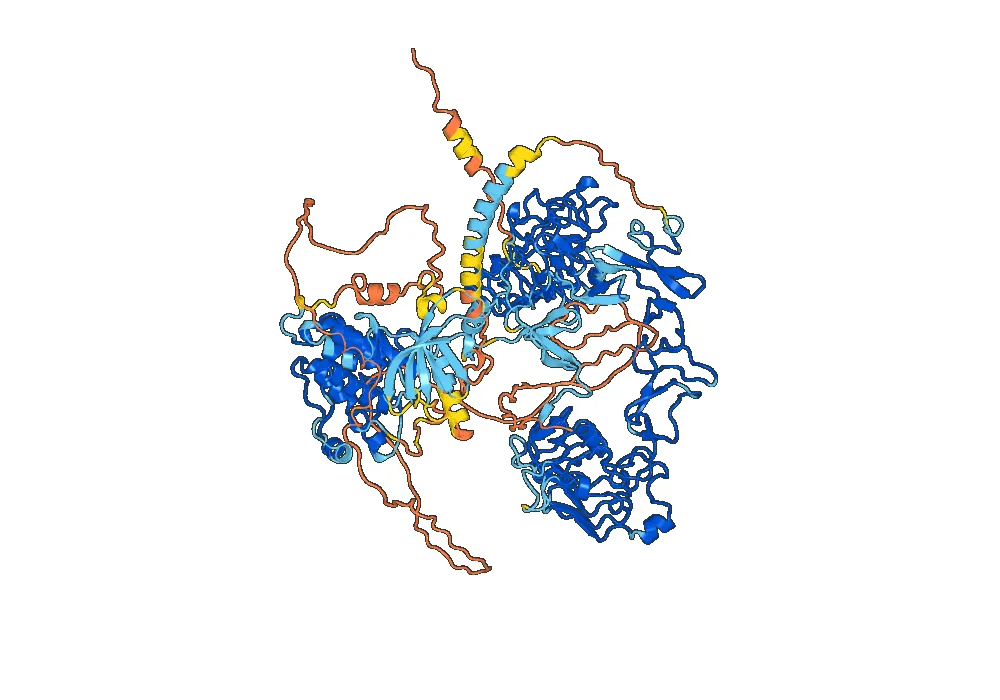
Panitumumab Biosimilar is a recombinant, fully humanized IgG2 monoclonal antibody, with a molecular weight of approximately 150 kDa. It is produced by a mammalian cell expression system and has a similar structure to the original Panitumumab antibody. The biosimilar has a unique amino acid sequence and is designed to specifically target the extracellular domain of EGFR.
Activity of Panitumumab Biosimilar
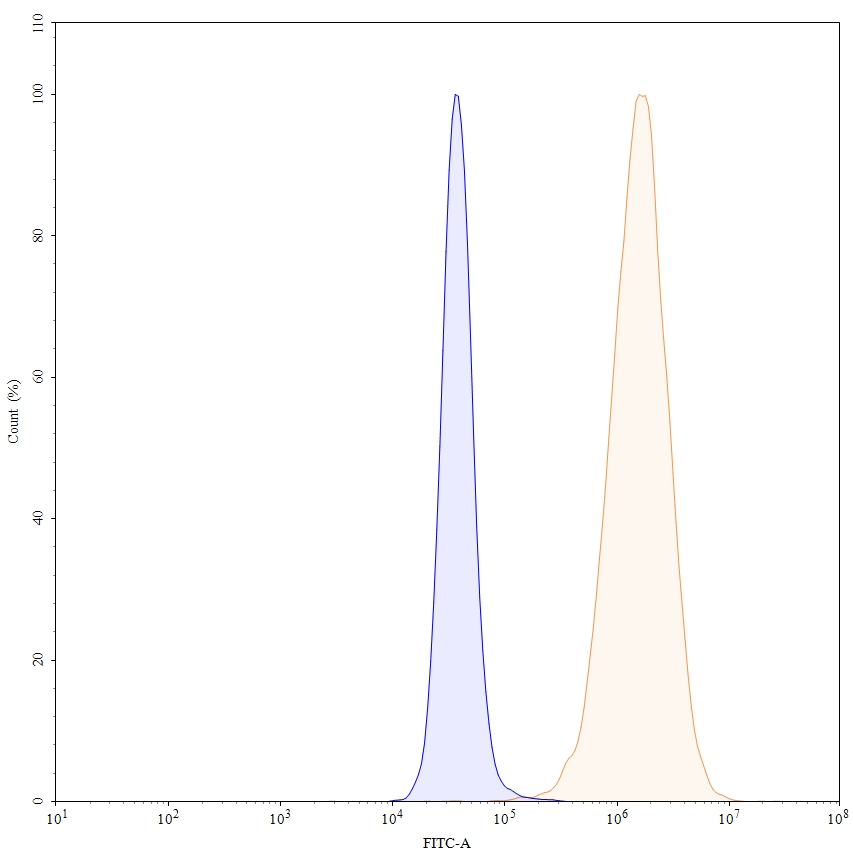
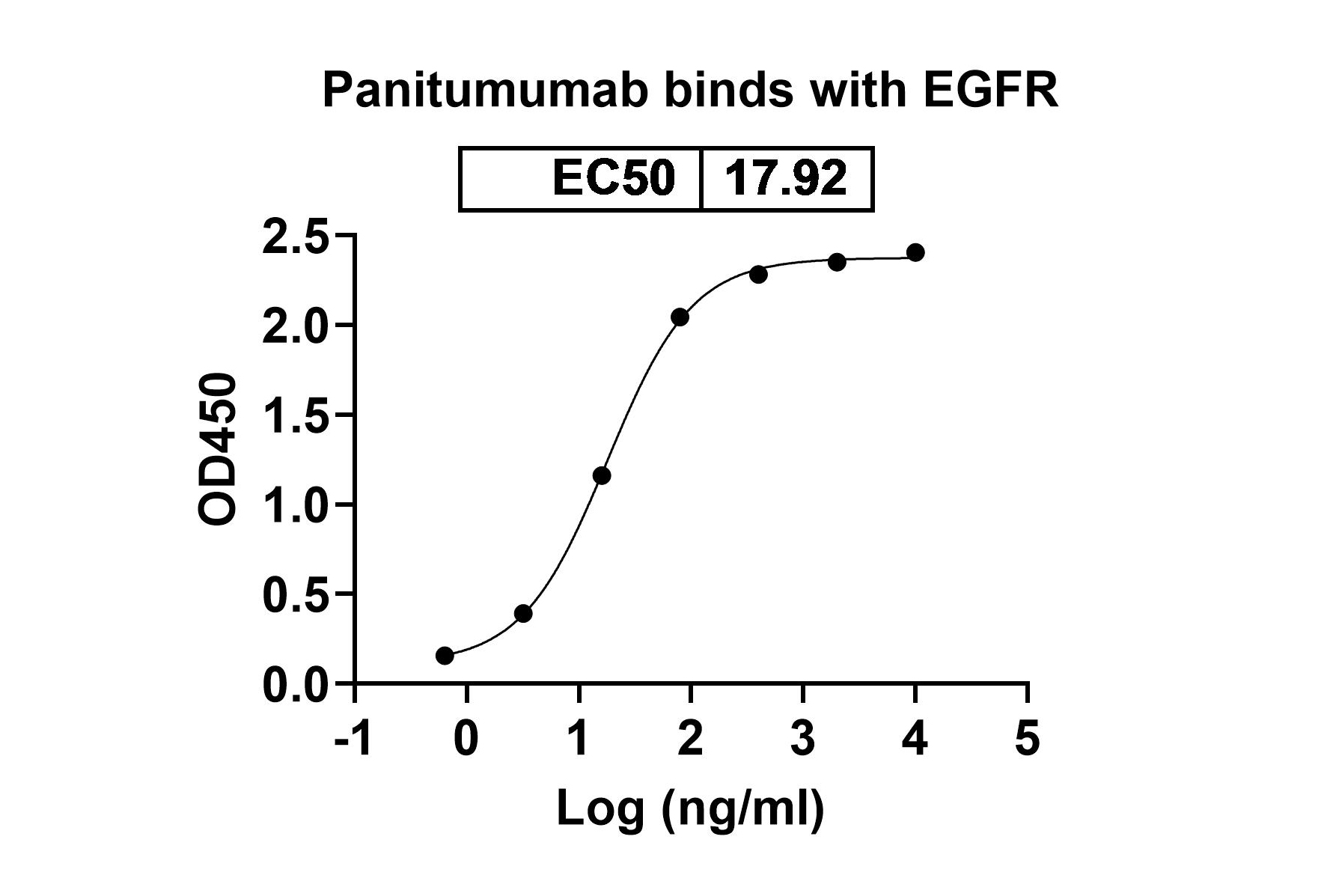
Panitumumab Biosimilar exerts its activity by binding to the extracellular domain of EGFR, which is overexpressed in many types of cancer cells. This binding prevents the binding of the natural ligand, epidermal growth factor (EGF), and inhibits the activation of downstream signaling pathways that promote cell growth and survival. This ultimately leads to the inhibition of tumor growth and progression.
Applications of Panitumumab Biosimilar
Panitumumab Biosimilar has shown promising results in preclinical and clinical studies for the treatment of various types of cancer, including colorectal, lung, and head and neck cancers. It is currently being investigated for its potential use as a targeted therapy in combination with other anti- cancer agents.
Colorectal Cancer Colorectal
cancer is the third most common cancer worldwide, and over 80% of colorectal cancer patients have been found to have overexpression of EGFR. Panitumumab Biosimilar has shown significant anti-tumor activity in preclinical studies and has been found to be effective in patients with wild-type KRAS (a gene associated with cancer growth) colorectal cancer.
Lung Cancer Lung
cancer is the leading cause of cancer-related deaths worldwide, and EGFR is overexpressed in approximately 40% of non-small cell lung cancer (NSCLC) cases. Panitumumab Biosimilar has shown promising results in preclinical studies and has been found to be effective in patients with EGFR-expressing NSCLC.
Head and Neck Cancer Head and neck
cancer is the sixth most common cancer worldwide, and EGFR is overexpressed in over 90% of these cases. Panitumumab Biosimilar has shown significant anti-tumor activity in preclinical studies and has been found to be effective in patients with recurrent or metastatic head and neck cancer.
Conclusion
Panitumumab Biosimilar is a novel research grade, anti-EGFR monoclonal antibody that has shown promising results in preclinical and clinical studies for the treatment of various types of cancer. Its unique structure and mechanism of action make it a potential targeted therapy for patients with EGFR-expressing tumors. Further research and clinical trials are needed to fully evaluate the efficacy and safety of this biosimilar in the treatment of cancer.


There are no reviews yet.