Introduction
Zalutumumab is a biosimilar of the anti-EGFR monoclonal antibody (mAb) used for targeted therapy in various types of cancer. This research-grade antibody is a promising therapeutic option for patients with EGFR-overexpressing tumors. In this article, we will discuss the structure, activity, and potential applications of Zalutumumab in detail.
Structure of Zalutumumab
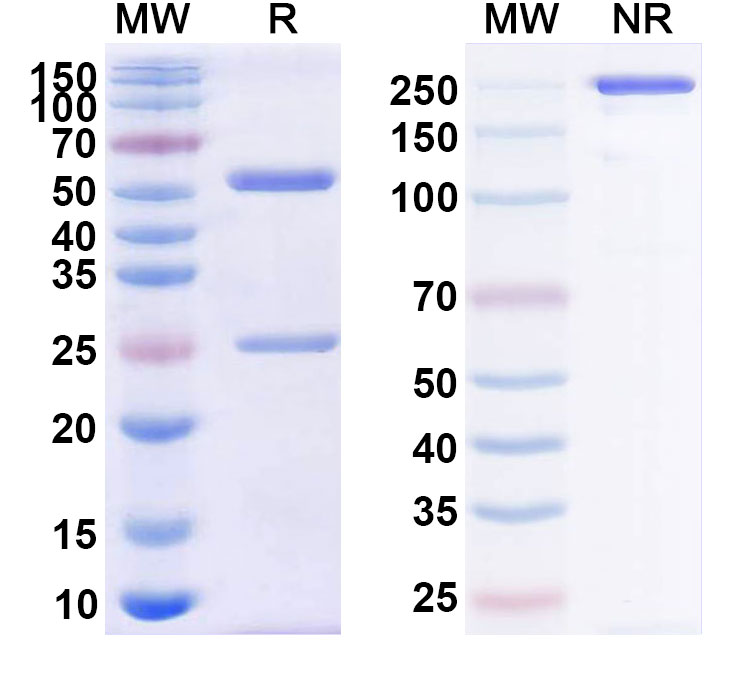
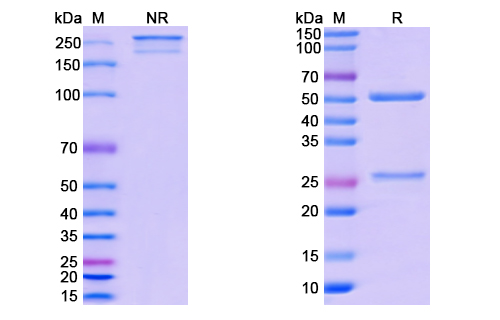
Zalutumumab is a recombinant human IgG1 mAb that specifically targets the epidermal growth factor receptor (EGFR). It is produced by genetic engineering techniques using Chinese hamster ovary cells. The antibody has a molecular weight of approximately 150 kDa and consists of two heavy chains and two light chains. The heavy chains are composed of four constant domains (CH1, CH2, CH3, and CH4) and one variable domain (VH), while the light chains have two constant domains (CL) and one variable domain (VL). The combination of these domains gives Zalutumumab its unique structure and function.
Activity of Zalutumumab
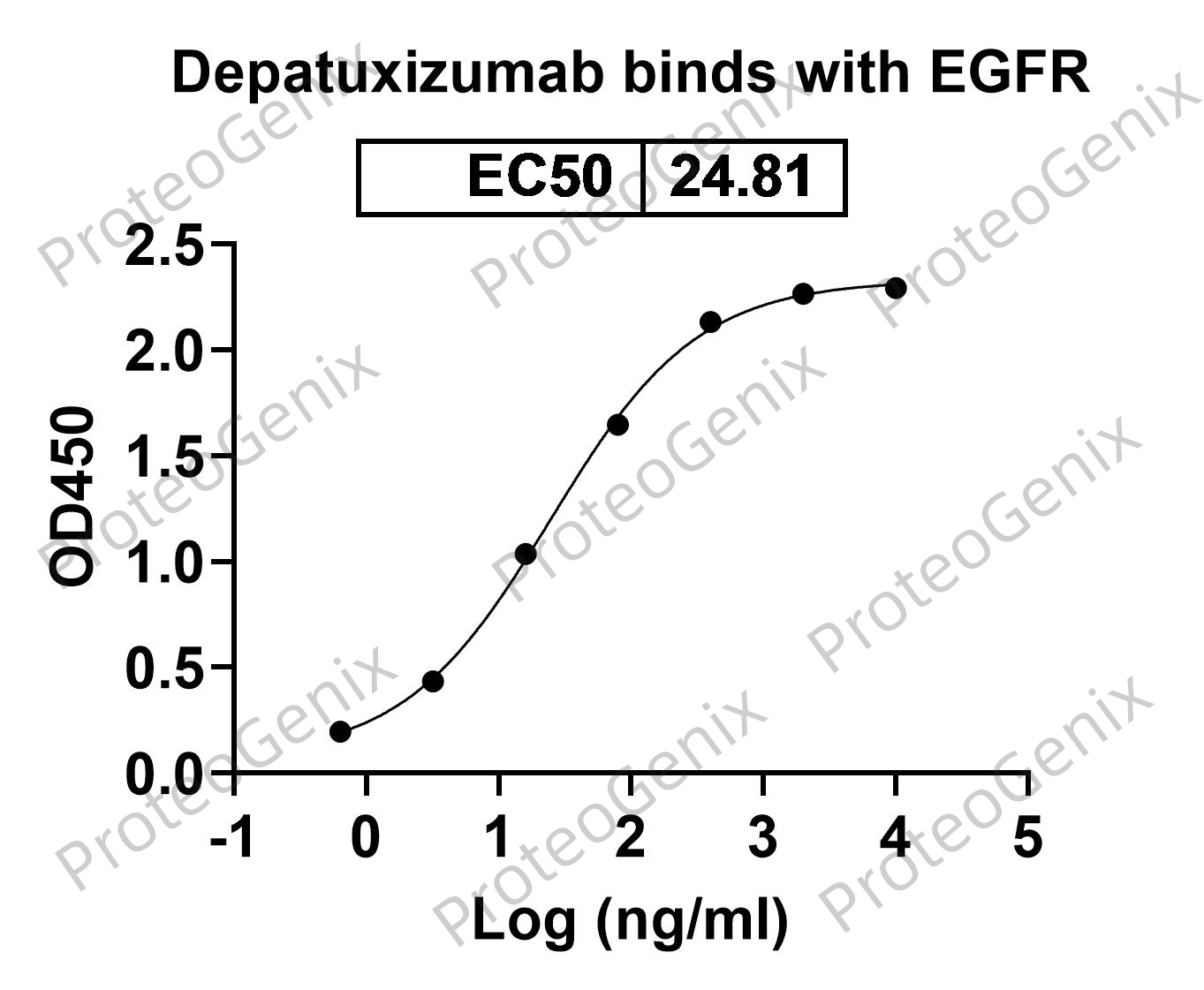
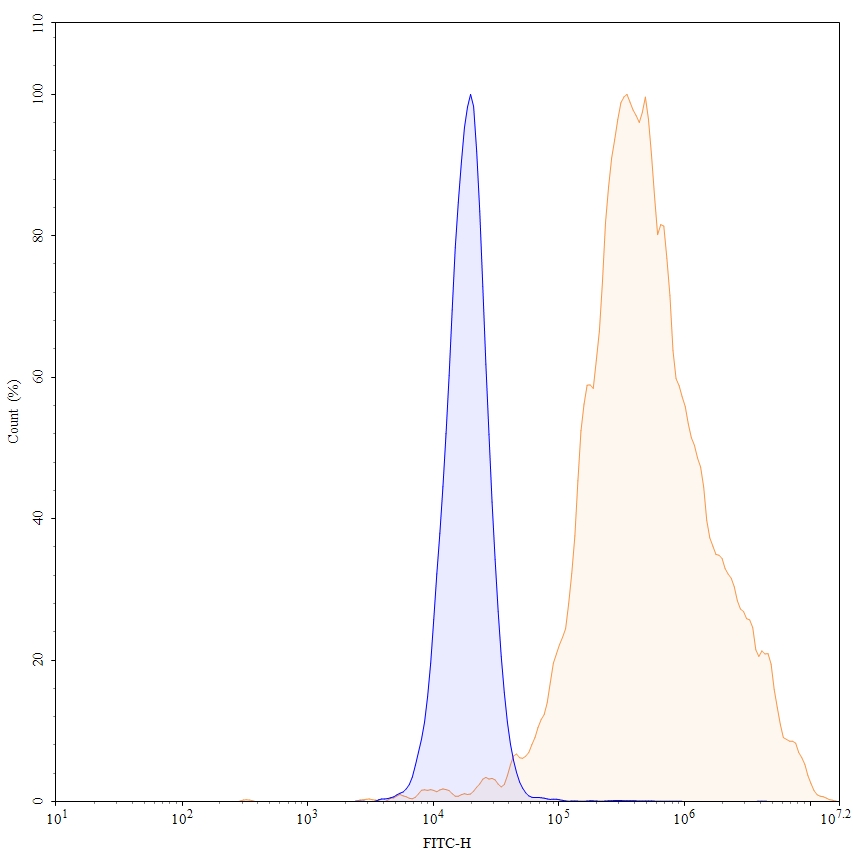
Zalutumumab binds specifically to the extracellular domain of EGFR, preventing its activation by ligands such as epidermal growth factor (EGF) and transforming growth factor-alpha (TGF-α). This leads to the inhibition of downstream signaling pathways, including the PI3K/Akt and Ras/Raf/MEK/ERK pathways, which are crucial for cell proliferation and survival. By blocking EGFR signaling, Zalutumumab can induce cell cycle arrest and apoptosis in cancer cells, thereby inhibiting tumor growth.
Applications of Zalutumumab
Zalutumumab has shown promising results in preclinical studies and is currently being evaluated in clinical trials for the treatment of various types of cancer, including head and neck, lung, colorectal, and pancreatic cancer. In a phase II clinical trial, Zalutumumab demonstrated significant anti-tumor activity in patients with recurrent or metastatic squamous cell carcinoma of the head and neck. The antibody has also shown potential in combination with chemotherapy and radiotherapy, further enhancing its anti-tumor effects.
Head and Neck Cancer
EGFR is overexpressed in up to 90% of head and neck squamous cell carcinomas (HNSCC), making it an attractive therapeutic target for Zalutumumab. In addition to its anti-tumor activity, Zalutumumab has also been shown to reduce the toxicity of chemotherapy and radiotherapy in HNSCC patients. This makes it a promising option for improving the overall survival and quality of life of these patients.
Lung Cancer
EGFR mutations are present in approximately 10-15% of non-small cell lung cancer (NSCLC) patients, and these mutations are associated with increased sensitivity to EGFR inhibitors such as Zalutumumab. In a phase II clinical trial, Zalutumumab showed promising results in NSCLC patients with EGFR mutations, leading to prolonged progression-free survival and improved overall response rates.
Colorectal Cancer EGFR is overexpressed in approximately 70% of colorectal
cancer cases, and its overexpression is associated with poor prognosis. Zalutumumab has shown promising results in preclinical studies and is currently being evaluated in clinical trials for the treatment of colorectal cancer. In a phase II clinical trial, Zalutumumab in combination with chemotherapy showed significant anti-tumor activity in patients with metastatic colorectal cancer.
Pancreatic Cancer EGFR is overexpressed in approximately 50-90% of pancreatic
cancer cases, and its overexpression is associated with poor prognosis. Zalutumumab has shown promising results in preclinical studies and is currently being evaluated in clinical trials for the treatment of pancreatic cancer. In a


There are no reviews yet.