Cart (0 Items)
Your cart is currently empty.
View ProductsIt looks like you are visiting from outside the EU. Switch to the US version to see local pricing in USD and local shipping.
Switch to US ($)
 Philippe Funfrock
Ever since the discovery of hybridoma technology and its inherent limitations, monoclonal antibody production has gradually shifted from in vivo methods towards recombinant in vitro systems. Today, stable CHO…
Bispecific antibodies (bsAbs) have emerged as a powerful class of engineered therapeutics, particularly in oncology, due to their… Read More

Cancer treatment has progressively shifted from non-specific chemotherapy toward targeted and immune-based therapies. Among these innovations, monoclonal antibodies… Read More
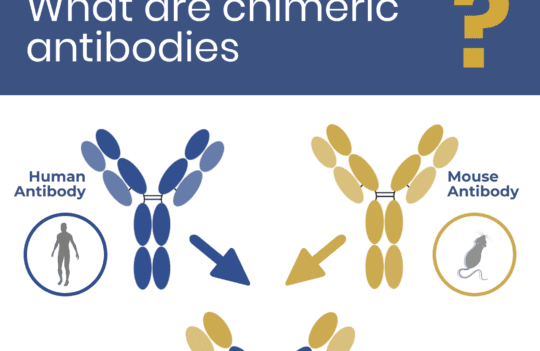
Considered by many researchers as intermediate molecules, chimeric antibody constructs have been gradually losing ground to more effective molecules such… Read More
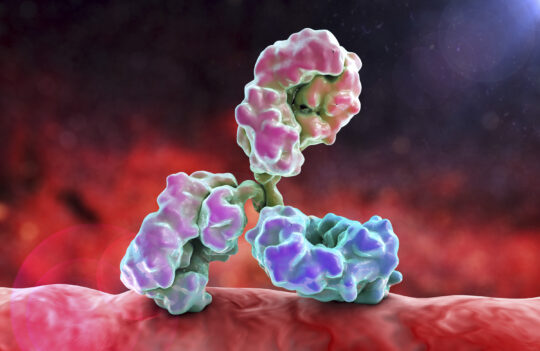
What Is Phage Display Technology & How Does It Shape Monoclonal Antibody Development? Scientists conducting research in industries from health… Read More
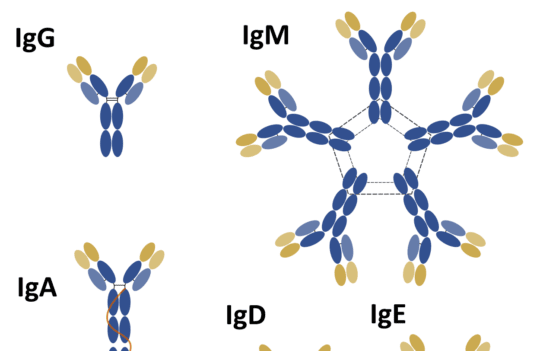
What are the structure and types of antibodies at the forefront of the immune response? Antibodies are one of the… Read More
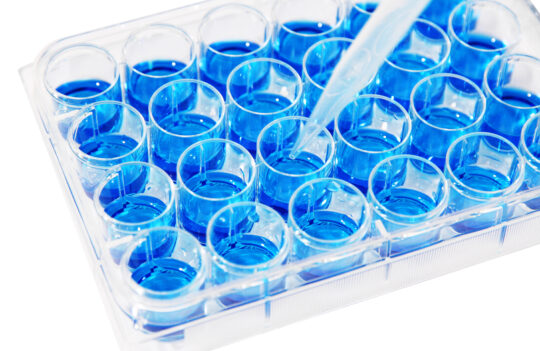
What is cell line development, and what are the best methods and innovations for producing stable, high-yield cell lines in… Read More
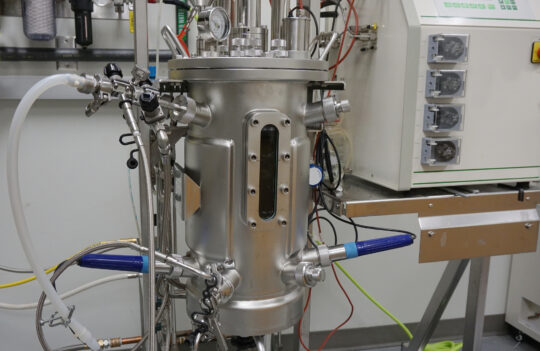
What is antibody production and what are the key steps from discovery to large-scale manufacturing? Antibody production can involve different… Read More
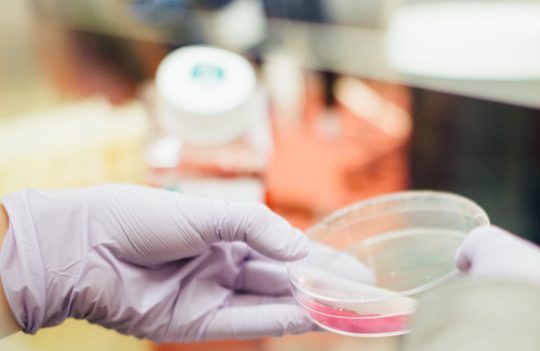
The hybridoma technology, first developed in 1975 by Köhler and Milstein is considered one of the greatest breakthroughs in the… Read More
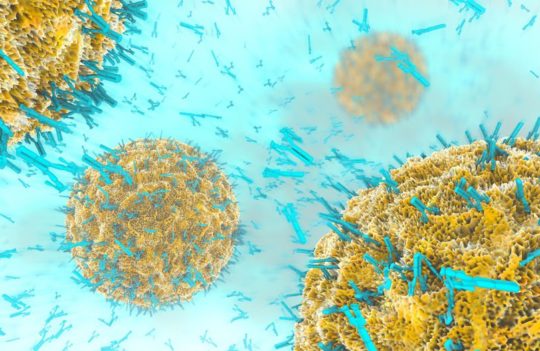
Antibodies—whether polyclonal or monoclonal—are widely used in the scientific community for their specificity and sensitivity. In therapeutics, antibodies offer a… Read More