Gilvetmab Biosimilar: A Promising Anti-PDCD1, PD1, CD279 mAb for
Cancer Treatment
Gilvetmab Biosimilar, also known as Anti-PDCD1, PD1, CD279 mAb – Research Grade, is a monoclonal antibody (mAb) that has shown promising results in the treatment of various types of cancer. This biosimilar is a highly specific and potent inhibitor of programmed cell death protein 1 (PD-1), a key immune checkpoint receptor that plays a crucial role in regulating the immune response against cancer cells.
Structure of Gilvetmab Biosimilar
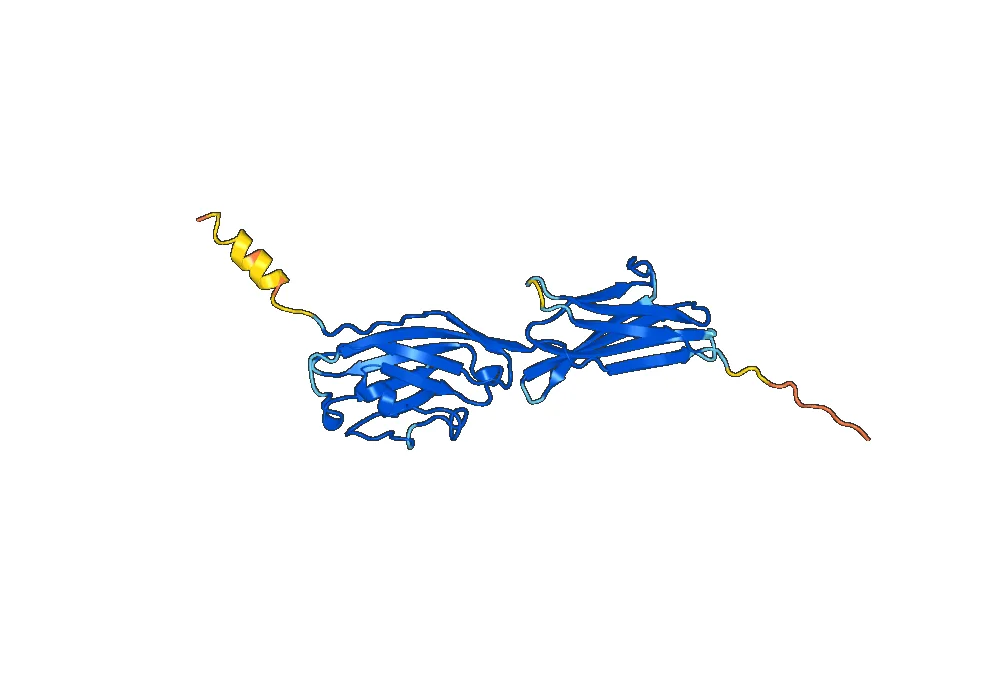
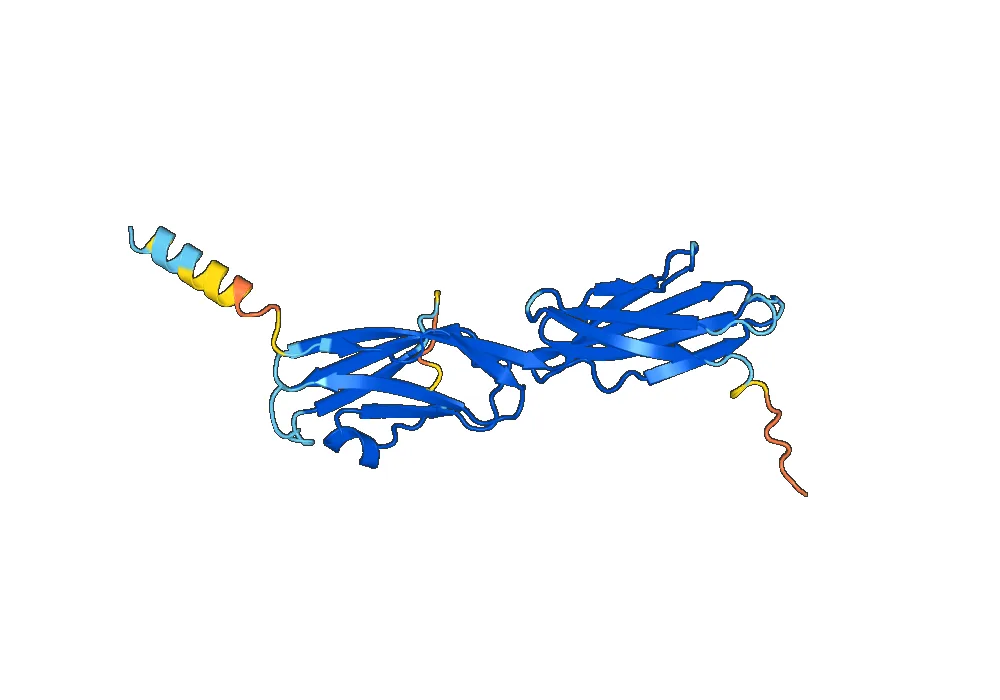
Gilvetmab Biosimilar is a fully humanized IgG1 monoclonal antibody, meaning it is derived from human cells and has a structure similar to the antibodies naturally produced by our immune system. It is composed of two heavy chains and two light chains, each containing a variable region that specifically binds to PD-1. This binding site is located on the extracellular domain of PD-1, which is responsible for interacting with its ligands and regulating the immune response.
The structure of Gilvetmab Biosimilar allows it to bind to PD-1 with high affinity and block its interaction with its ligands, programmed death-ligand 1 (PD-L1) and programmed death-ligand 2 (PD-L2). This prevents PD-1 from inhibiting the activity of T cells, which are responsible for recognizing and destroying cancer cells.
Activity of Gilvetmab Biosimilar
The main activity of Gilvetmab Biosimilar is its ability to enhance the anti-tumor immune response by blocking the PD-1 pathway. This pathway is often exploited by cancer cells to evade immune detection and destruction. By inhibiting PD-1, Gilvetmab Biosimilar allows T cells to recognize and attack cancer cells, leading to their elimination.
Moreover, Gilvetmab Biosimilar has been shown to have additional immunomodulatory effects, such as increasing the production of pro-inflammatory cytokines and promoting the proliferation and activation of T cells. These activities further enhance the anti-tumor immune response and contribute to the efficacy of this biosimilar in cancer treatment.
Application of Gilvetmab Biosimilar
Gilvetmab Biosimilar is currently being investigated in clinical trials for the treatment of various types of cancer, including melanoma, non-small cell lung cancer, and renal cell carcinoma. It has also shown promising results in the treatment of Hodgkin lymphoma and head and neck squamous cell carcinoma.
The use of Gilvetmab Biosimilar is particularly promising in combination with other cancer therapies, such as chemotherapy and targeted therapy. This is because the inhibition of PD-1 by Gilvetmab Biosimilar can enhance the effectiveness of these therapies by promoting the immune response against cancer cells.
Furthermore, Gilvetmab Biosimilar has the potential to be used as a maintenance therapy in patients who have responded to initial treatment, as it can prevent cancer cells from developing resistance to other therapies.
Conclusion
Gilvetmab Biosimilar is a highly specific and potent anti-PD-1 mAb with promising potential in the treatment of various types of cancer. Its unique structure and mechanism of action make it a valuable addition to the current arsenal of cancer therapies. Further research and clinical trials are needed to fully understand the potential of this biosimilar and its role in improving outcomes for cancer patients.
Keywords: Gilvetmab Biosimilar, Anti-PDCD1, PD1, CD279 mAb, monoclonal antibody, PD-1, cancer treatment, immune checkpoint, immunotherapy


There are no reviews yet.